
Last updated September 22, 2026
Level 1 sweep and inspection to the NFPA 211 annual standard - flue, crown, cap, and flashing checked and photographed
Chimney sweep logs do not sweep chimneys. They loosen some creosote - which then falls where a brush and vacuum still have to collect it.
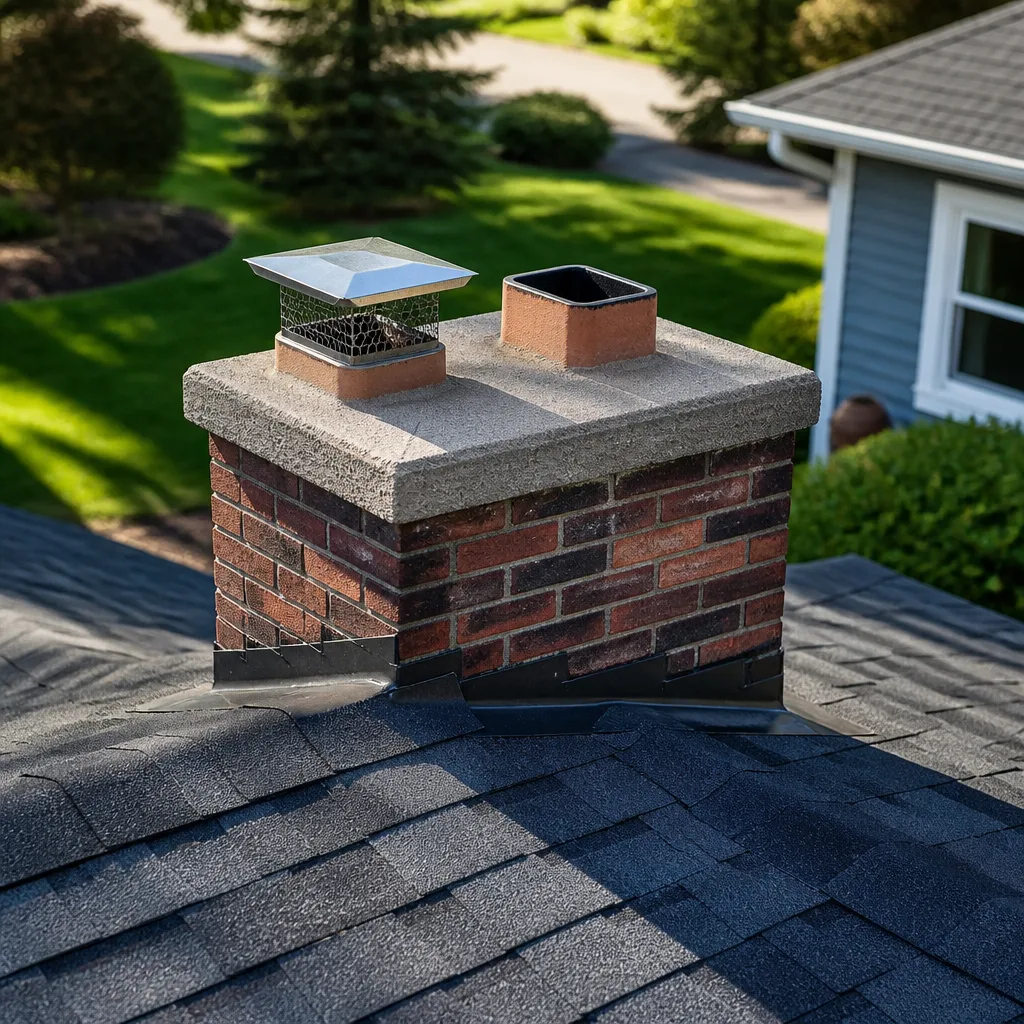
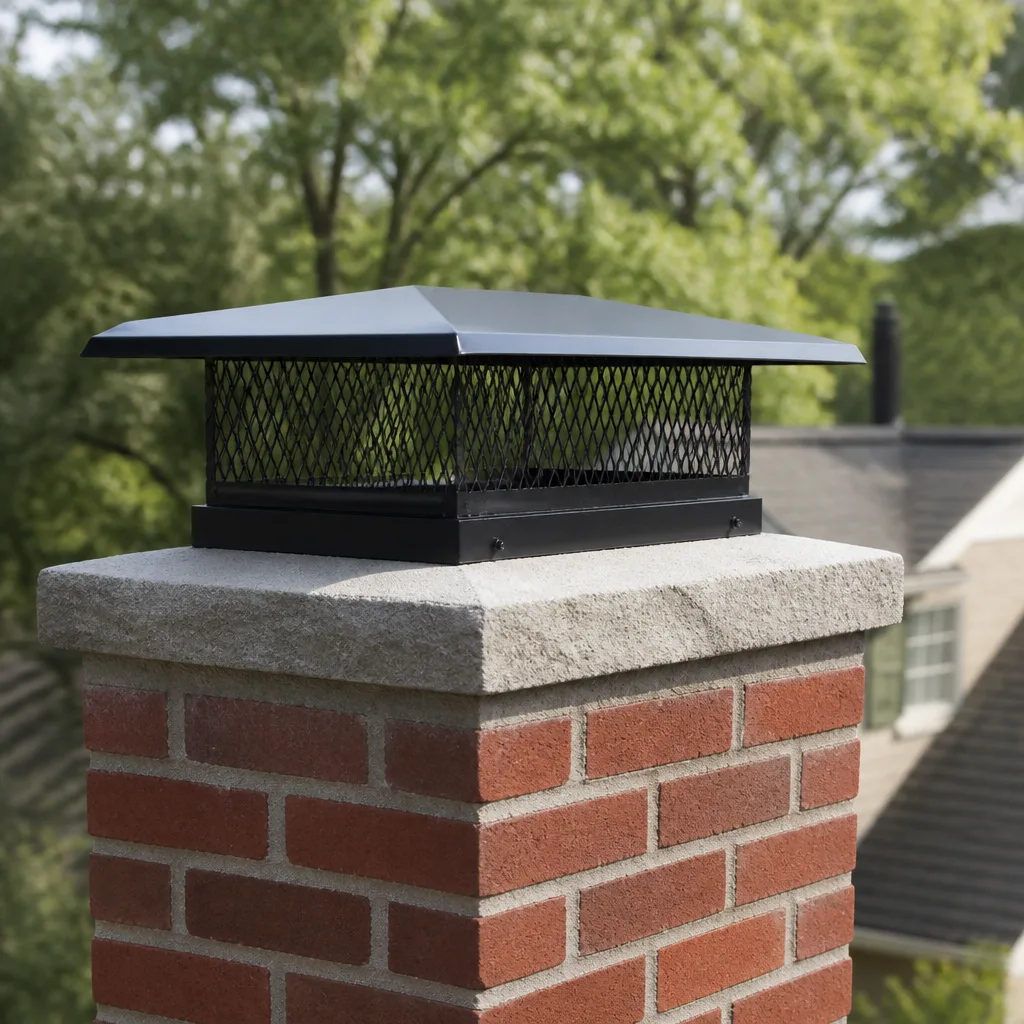
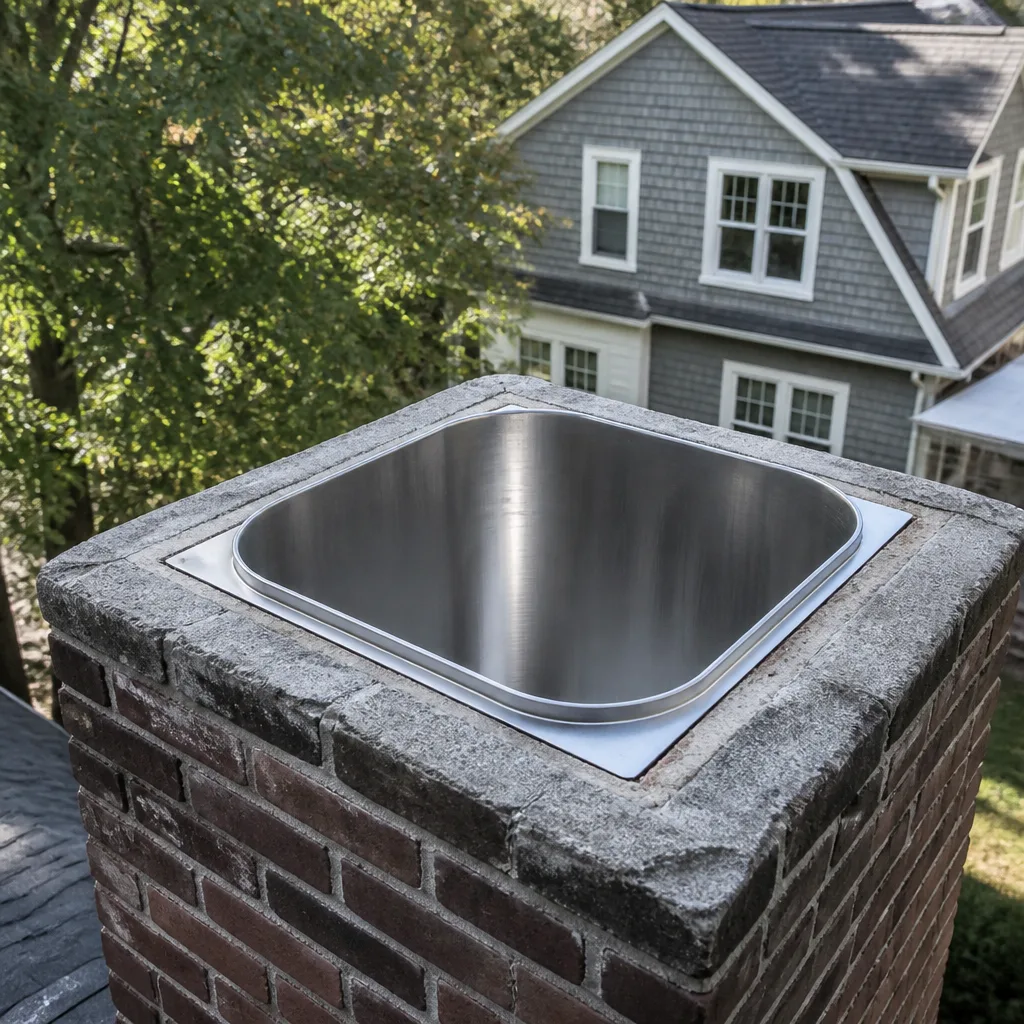
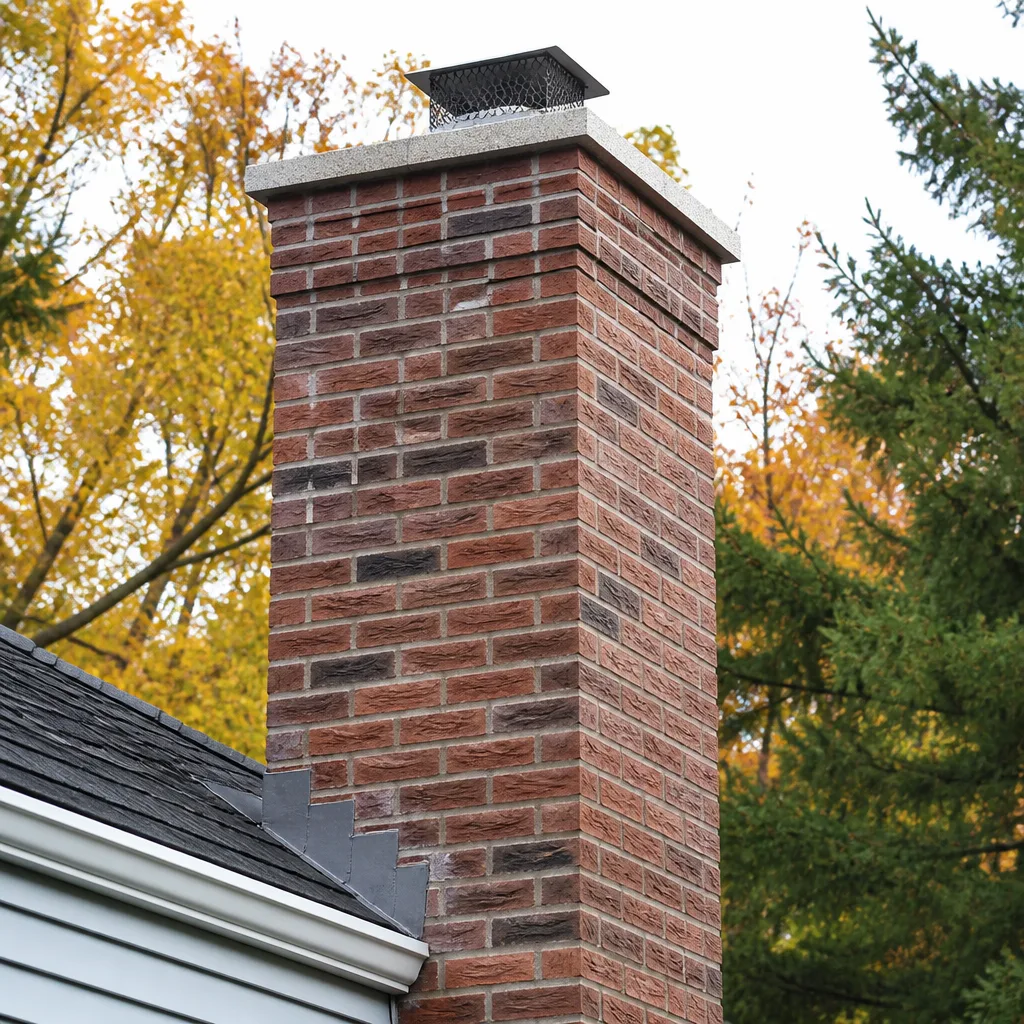
 Before
 After
After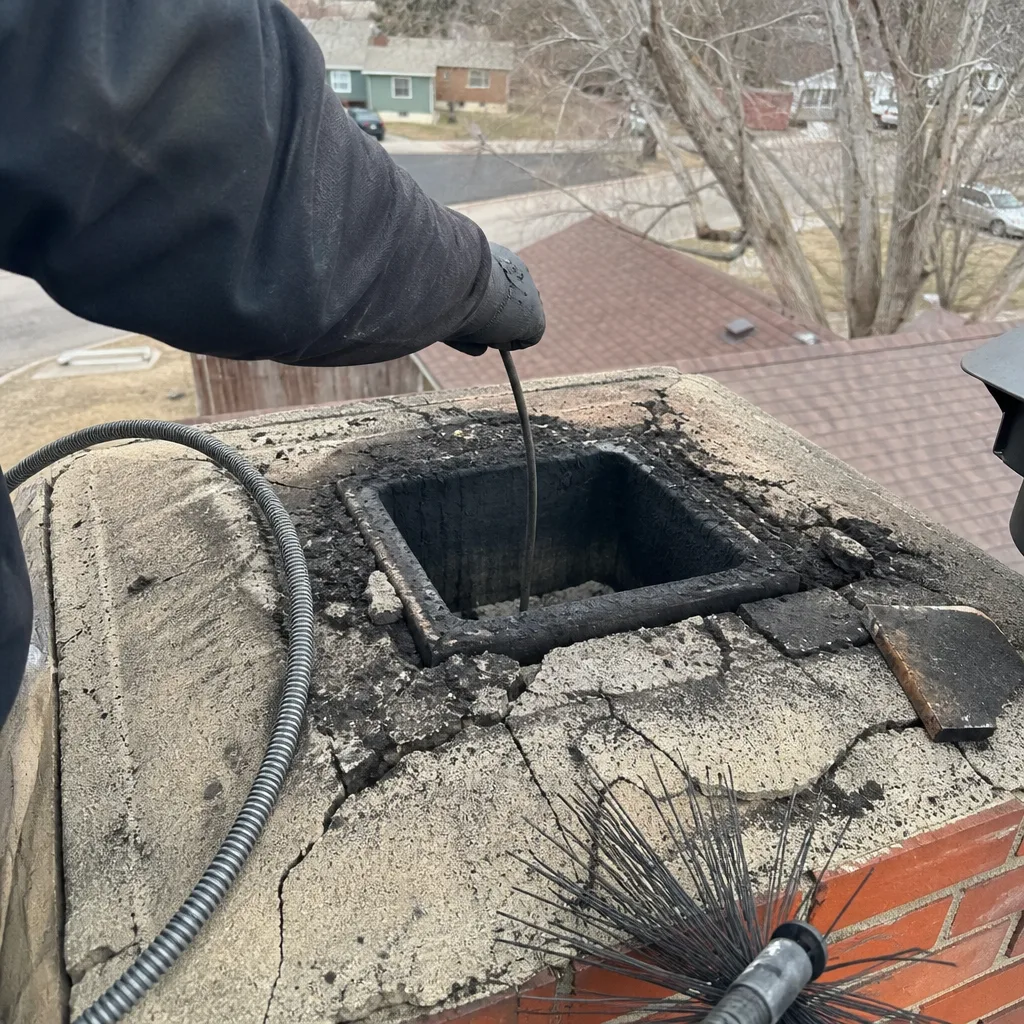 Before
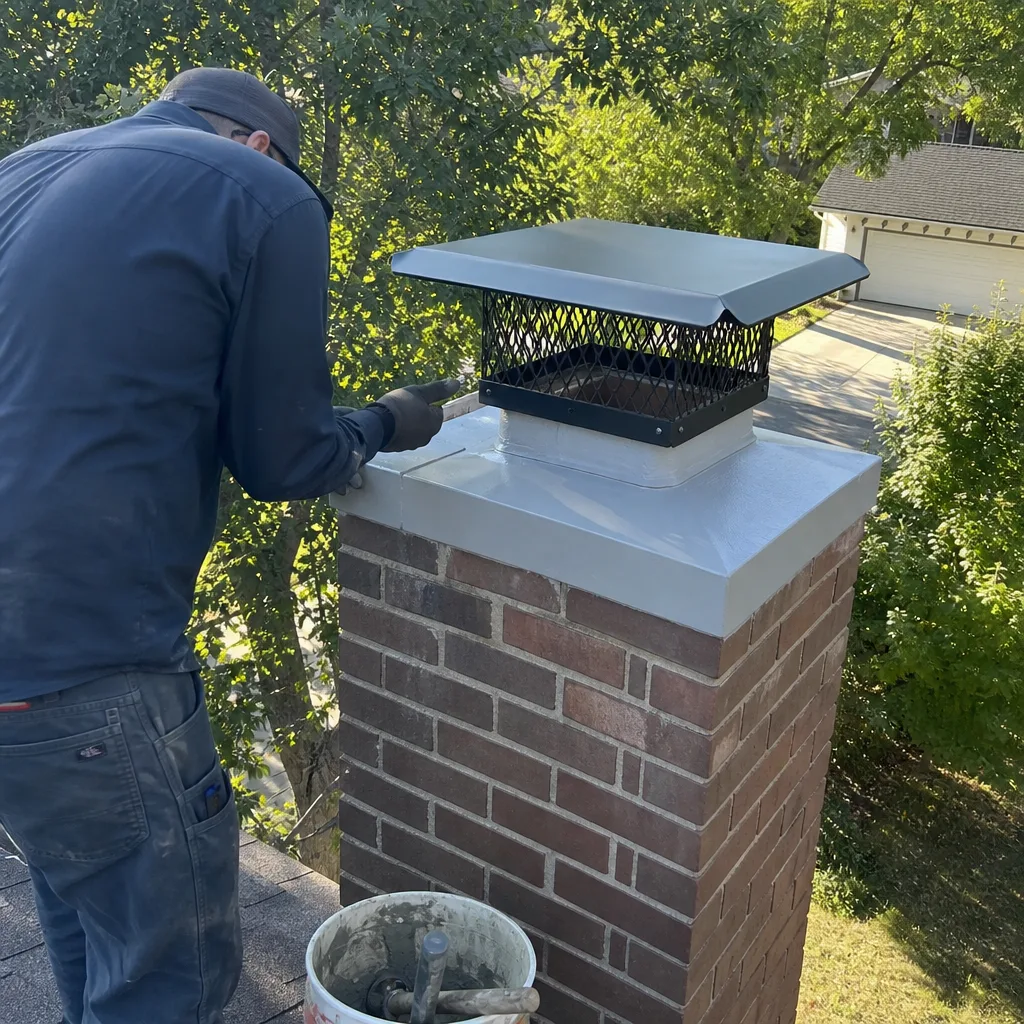 After
After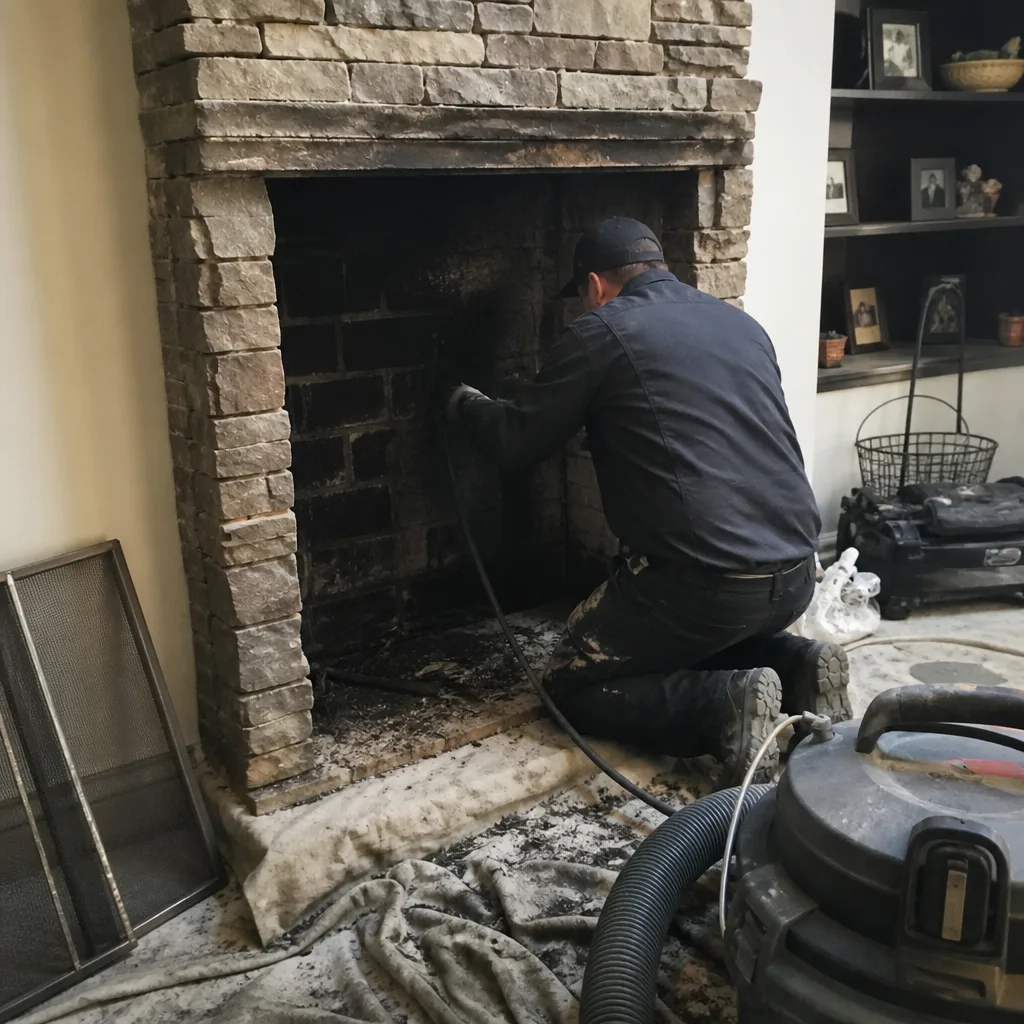 Before
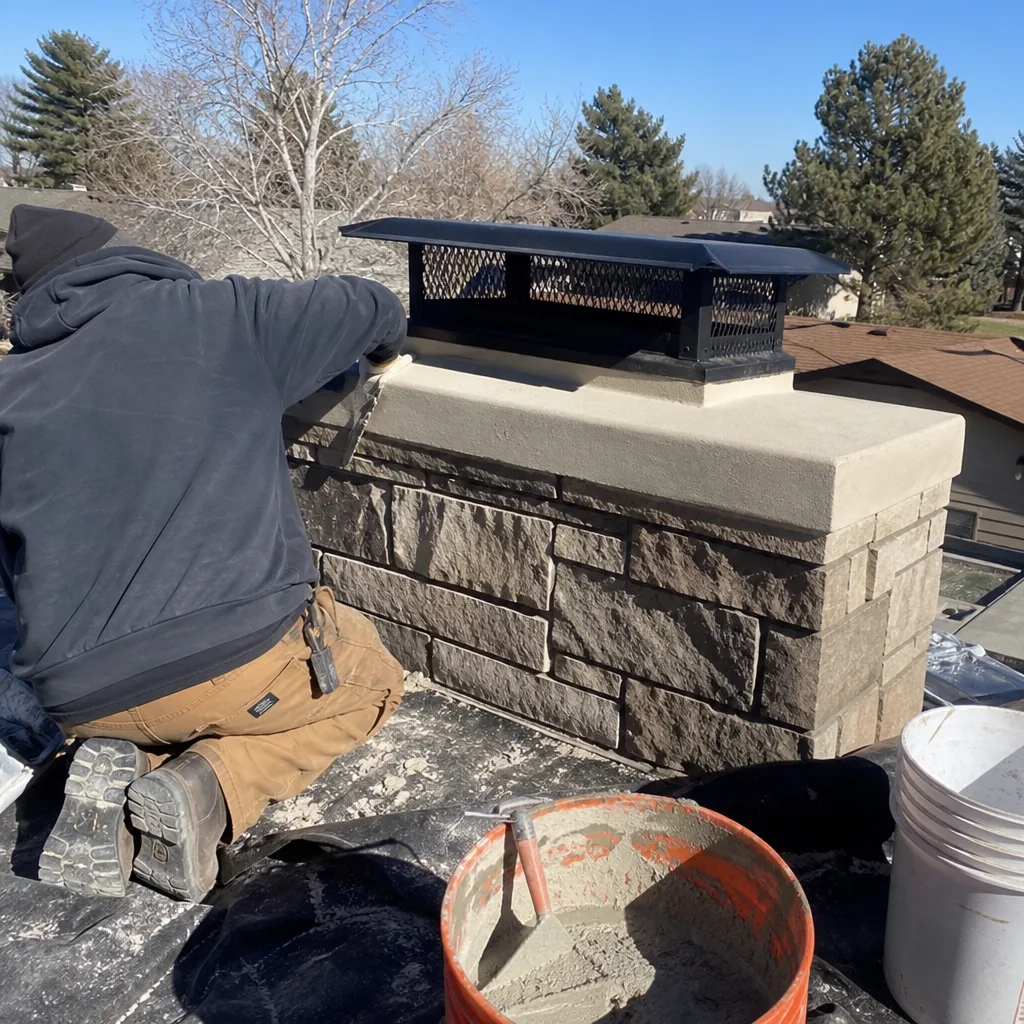 After
AfterChimney Cleaning Permits, Codes & Inspections in CO: What You Need to Know
Homeowners in Colorado who had liner repairs done without a permit are discovering the problem at closing - not because an inspector caught the work, but because there’s no record it was ever done correctly. In Littleton and across Jefferson County, we’ve pulled cameras up flues where DuraFlex liners were clearly replaced, yet no permit history existed at the city. The new buyer’s insurer asked for documentation. There was none. This guide - alongside our Complete Guide to Chimney Cleaning in Littleton - draws the exact line between chimney maintenance that needs no permit and the repairs that do, because that distinction protects your title, your coverage, and your sale price.
Quick Answer
Routine chimney cleaning and sweeping in Colorado does not require a building permit. However, any repair that alters the structure, changes the flue liner, or modifies the appliance connection - including most liner replacements, crown rebuilds, and smoke chamber parging - triggers permit requirements under the International Residential Code as adopted by Jefferson County and the City of Littleton. The work must then pass inspection, and that record becomes part of your property’s permanent file.
Table of Contents
- What Chimney Work Requires a Permit in Colorado?
- Maintenance vs. Repair: The Regulatory Distinction
- How Littleton and Jefferson County Apply State Codes Locally
- When NFPA 211 Level 2 Inspection Is Required
- The Insurance Policy Clause Most Homeowners Never Read
- How to Verify a Contractor’s Work Was Permitted and Inspected
- The Documentation Chain You Need for Disputes
- Common Mistakes to Avoid
- When to Call a Professional
- Frequently Asked Questions
- The Bottom Line
 Before
 After
AfterWhat Chimney Work Requires a Permit in Colorado?
Colorado operates under the International Residential Code (IRC), specifically the 2021 edition with state amendments, and leaves adoption and enforcement to local jurisdictions. In practice, this means Jefferson County and the City of Littleton share authority depending on your exact address. Homes inside Littleton city limits fall under city inspection; unincorporated Jefferson County properties fall under county jurisdiction. Both follow the same IRC framework for chimney and fireplace work.
The IRC Section R1001 and R1003 govern masonry and factory-built fireplaces, while M1801 and M1802 address vents and chimneys serving heating appliances. The permit trigger is structural or mechanical alteration, not dirt removal.
Work that typically requires a permit in Littleton and Jefferson County:
- Flue liner replacement or relining with stainless steel, DuraFlex, or cast-in-place systems like HeatShield
- Crown removal and reconstruction
- Smoke chamber parging or modification
- Firebox rebuild or alteration
- Chimney extension or height modification
- Installation of a new factory-built fireplace or insert
- Gas line modification or new gas log set with altered venting
- Structural repair to spalling brick, deteriorated mortar, or leaning chimney
Work typically classified as maintenance (no permit required):
- Chimney sweeping and creosote removal, including Class I, II, or III glazed deposits
- Standard NFPA 211 Level 1 or Level 2 inspection without accompanying repair
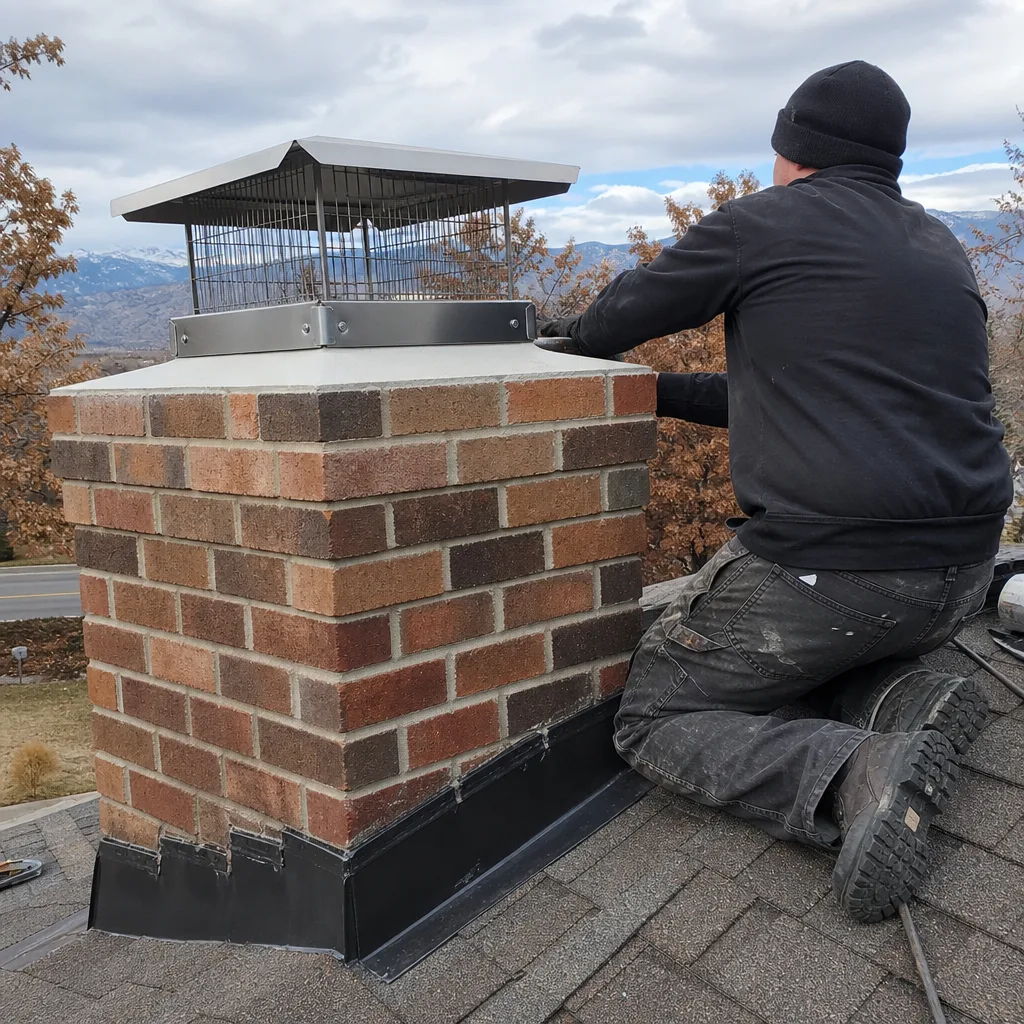
- Cap replacement on existing flue (same size, same location)
- Waterproofing spray application to exterior masonry
- Fireplace glass door or screen installation (non-vent-altering)
- Damper repair or replacement of like-for-like component
The gray zone catches homeowners. A sweep discovers a cracked flue liner and recommends a stainless steel replacement. The homeowner, focused on cost, accepts a verbal quote. The crew installs an Olympia Chimney or DuraFlex liner over two days. No permit is pulled. No inspector visits. The work may be technically excellent, but it is undocumented.
We’ve seen this in Littleton neighborhoods from Columbine Valley to Ken Caryl Ranch. The homeowner sells five years later. The buyer’s inspector notes the liner looks new. The title company searches permits. Nothing appears. The buyer’s insurer requests a certificate of compliance. The seller has a $2,400 undocumented repair that now threatens closing.
Permit costs in Jefferson County run roughly $150-$400 for typical chimney repairs, depending on project value. City of Littleton fees are comparable. The inspection itself adds a day or two to scheduling. Neither is burdensome compared to the alternative.
Maintenance vs. Repair: The Regulatory Distinction
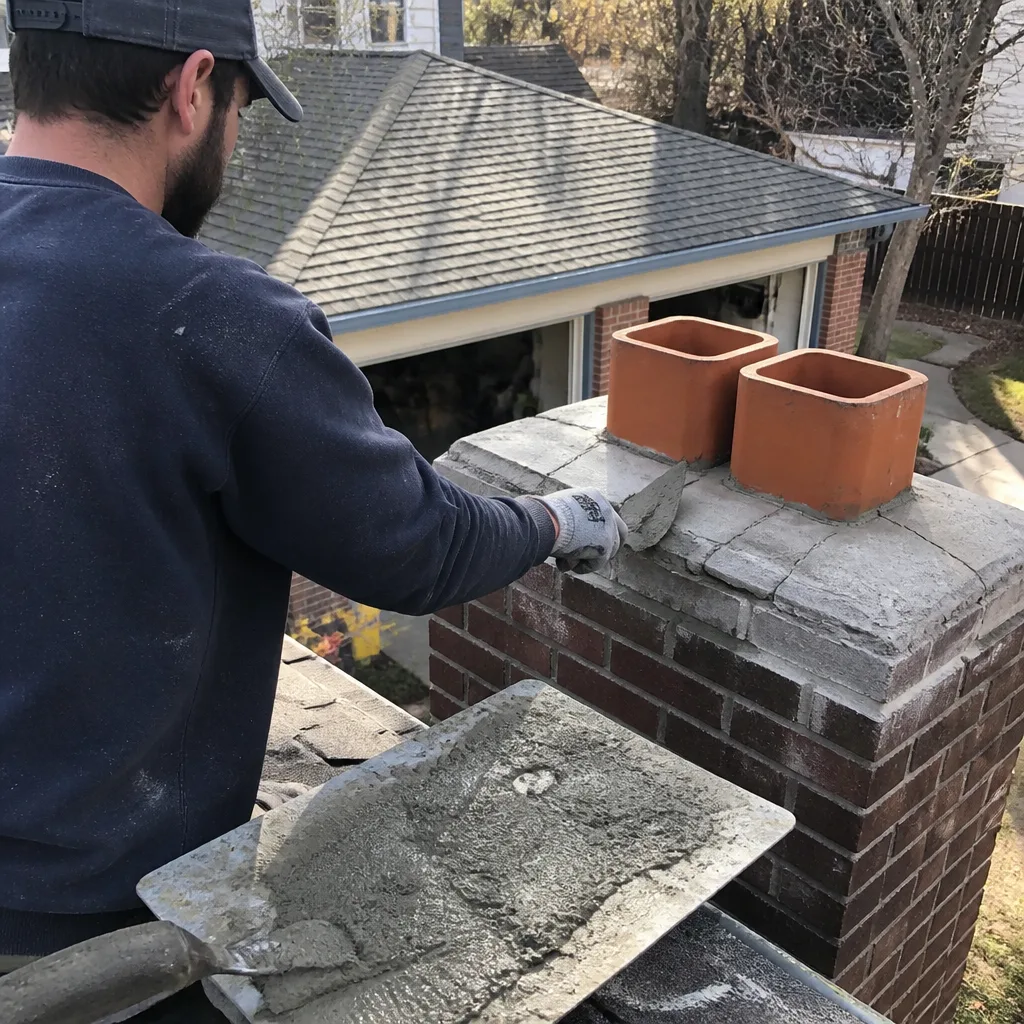
The IRC and local amendments draw a functional line: maintenance preserves the existing system in its current configuration; repair restores or alters function, capacity, or safety. This distinction matters because Colorado courts have treated undocumented structural chimney work as a material defect in real estate disclosure cases.
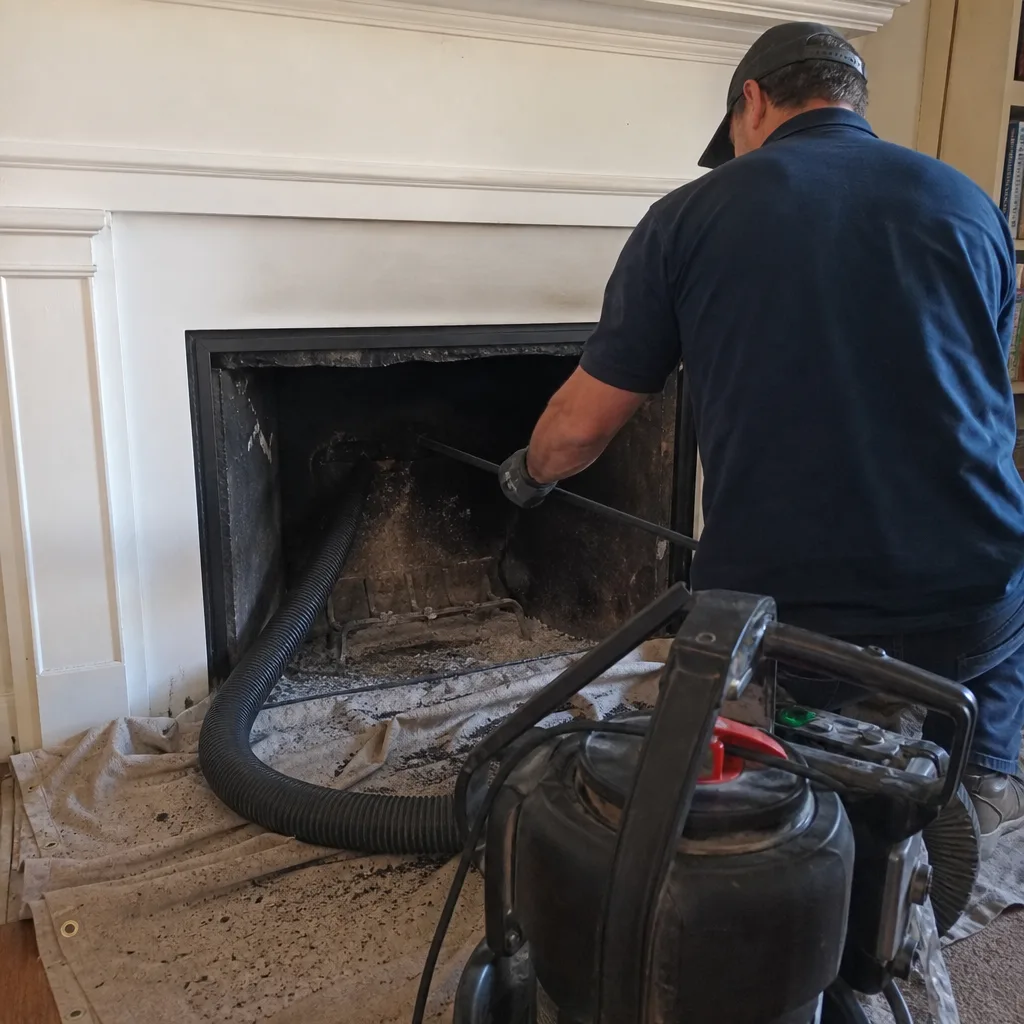
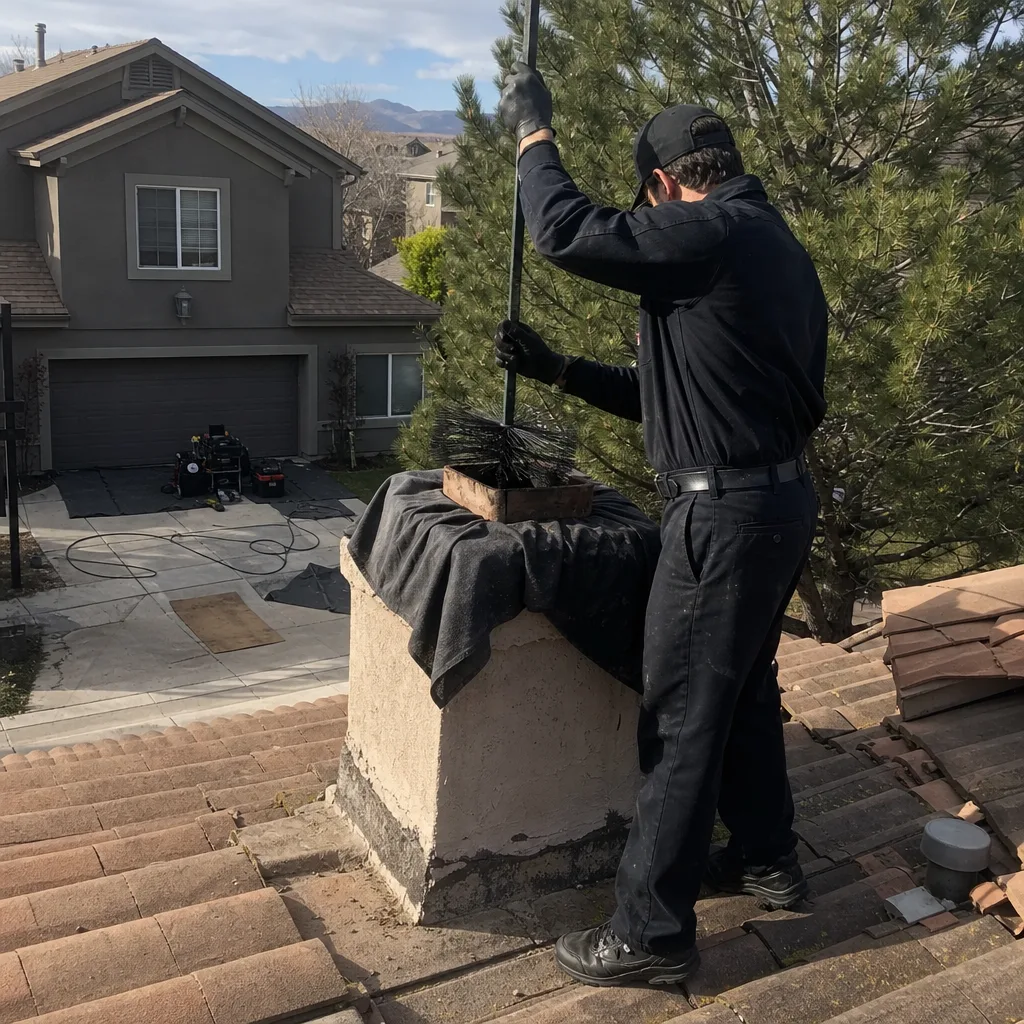
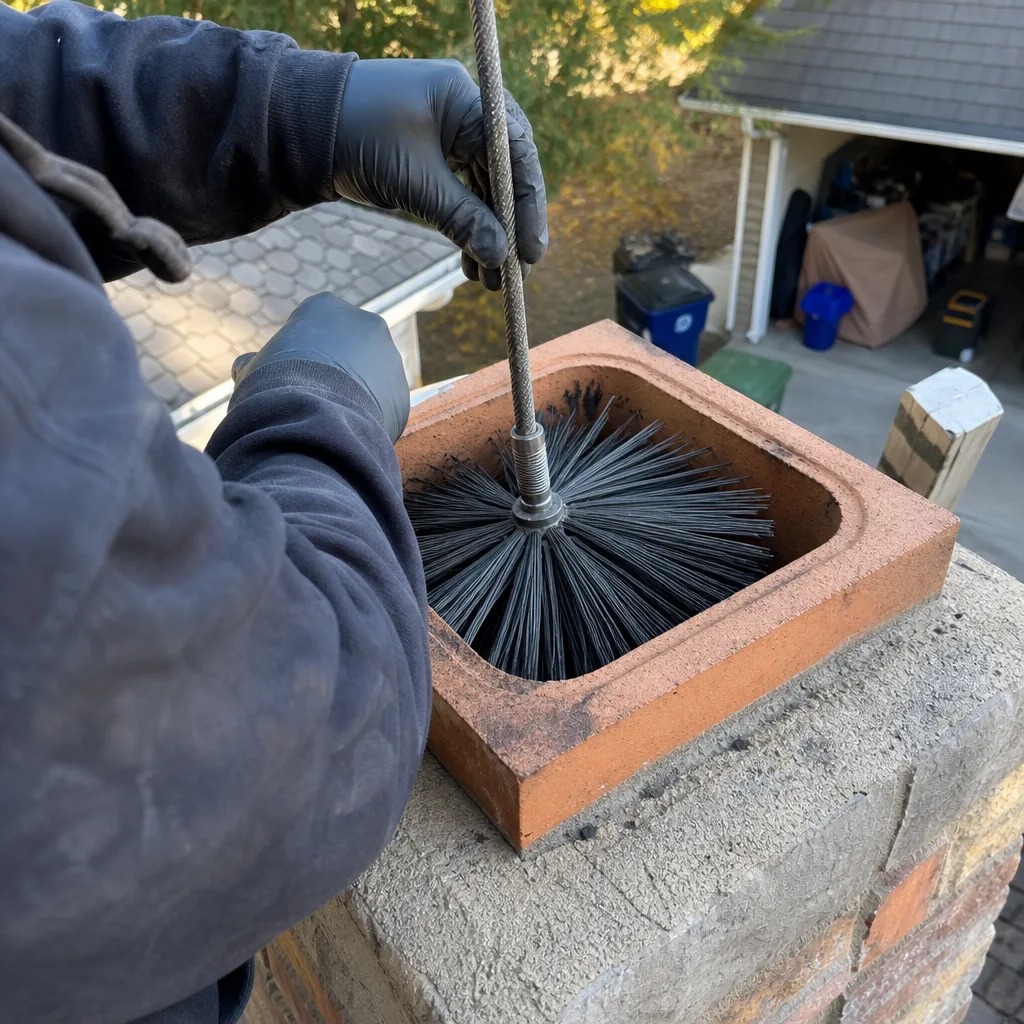
Maintenance is cleaning, inspection, and preservation. When our technician runs a camera down your flue and documents Class II creosote buildup, then removes it with rotary whips and poly brushes, that’s maintenance. The flue’s dimensions, materials, and connections are unchanged. We deliver a photo record under Haven Standard Clause 4, a written scope, and a condition report. No permit is triggered because no code-governed element was modified.
Repair is modification, replacement, or restoration of damaged components. When that same camera reveals a spalled clay flue with mortar loss exposing the chimney wall - a condition we see regularly in Littleton’s older homes in Old Littleton and along the South Platte corridor - the fix requires removing the damaged liner and installing new material. That changes the system. The IRC requires inspection to confirm proper clearance to combustibles, correct liner sizing per appliance BTU output, and compliant termination height.
Local amendments in Jefferson County add one layer: any repair exceeding $1,000 in value on a chimney or fireplace system requires a permit regardless of whether the work appears on the standard IRC trigger list. This catches extensive waterproofing, large-scale crown reconstruction, and multi-point repointing jobs that might otherwise seem like maintenance.
The practical test we use with homeowners: if we’re opening a wall, removing a liner, or pouring new masonry, the permit question gets answered before we quote. Clause 1 of the Haven Standard requires a written price before work starts; our written scope explicitly states whether permitting is included and who handles it. In Littleton city limits, we pull the permit as part of project management. In unincorporated Jefferson County, we coordinate with the homeowner for county scheduling.
How Littleton and Jefferson County Apply State Codes Locally
Colorado is a home-rule state, meaning local jurisdictions adopt and amend the IRC rather than following a uniform state building code. Jefferson County adopted the 2021 IRC with amendments effective January 2023. The City of Littleton adopted the same base code with its own amendment package, last updated March 2024.
Jefferson County specific requirements:
- All chimney repairs exceeding $1,000 require a permit - the dollar threshold is county-specific and lower than many Colorado jurisdictions.
- Factory-built fireplace installations require manufacturer installation instructions on-site for inspector review.
- Gas appliance connections require a separate plumbing permit; chimney contractors cannot pull this - a licensed plumber must.
- Inspection scheduling is online-only through the county portal; no phone scheduling is available.
- Final inspection must occur before appliance operation; operating a newly installed or repaired system pre-inspection is a code violation.
City of Littleton specific requirements:
- Permit applications require a site plan showing chimney location relative to property lines - this affects setback compliance for tall chimneys.
- Historic overlay districts, including portions of Old Littleton, require additional Historic Preservation Board review for exterior-visible chimney modifications.
- Inspection turnaround is typically 2-3 business days, faster than county unincorporated areas.
- Liner replacements require combustion air calculation documentation for the serving appliance.
The climate factor matters here. Littleton sits at 5,350 feet with freeze-thaw cycles that accelerate masonry deterioration. Jefferson County’s elevation variance, from 5,200 feet in eastern Lakewood to 7,400 feet in the foothills, means chimney systems experience different thermal stress. Local inspectors know this. They check for crown overhang adequacy, proper chimney cricket installation on steep roofs where snow slides, and liner compatibility with high-altitude appliance derating.
We’ve worked with both jurisdictions since 2009. The inspectors we’ve encountered are consistent: they want to see the liner label, the clearance measurement, and the termination photo. When we handle permitting, we prepare a packet with manufacturer specs for DuraFlex or HeatShield materials, appliance ratings, and our pre-installation camera record showing why repair was necessary. This documentation habit, formalized as Haven Standard Clause 4, means our permits clear faster and our homeowners have a complete file.
When NFPA 211 Level 2 Inspection Is Required
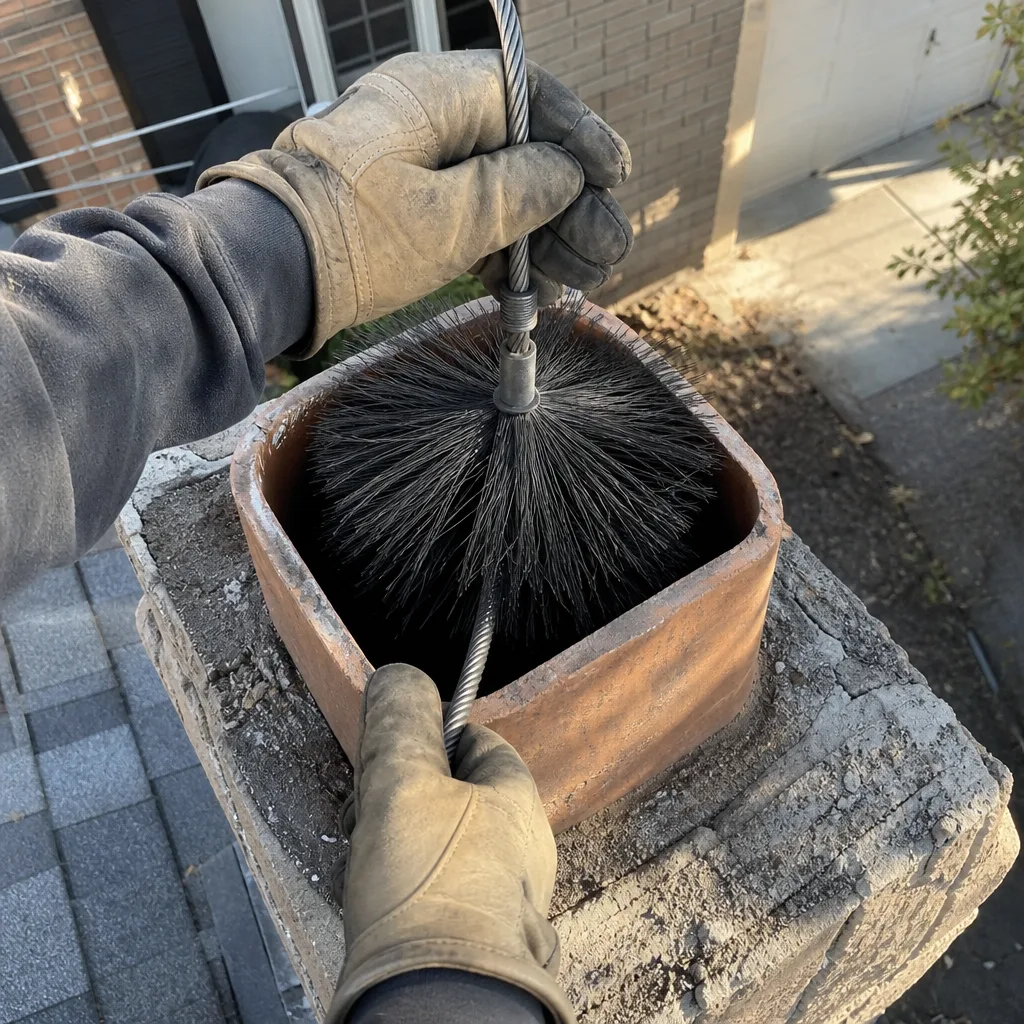
NFPA 211 is the National Fire Protection Association standard for chimneys, fireplaces, vents, and solid fuel-burning appliances. It defines three inspection levels. Level 1 is visual, accessible surfaces only. Level 2 requires camera examination of internal flue surfaces and accessible portions of attics, crawl spaces, and basements. Level 3 involves demolition of building components and is rare.
Colorado does not statutorily mandate NFPA 211 compliance, but the IRC references it for inspection methodology, and most insurance policies incorporate it by reference. More importantly, Jefferson County and Littleton both require Level 2 equivalent documentation for permit applications on repair work.
NFPA 211 Level 2 inspection is specifically required when:
- A property is sold or transferred - the standard explicitly calls for Level 2 upon change of ownership
- An operating malfunction occurs, such as smoke spillage, carbon monoxide alarm activation, or sudden draft loss
- An external event affects the system: chimney fire, lightning strike, earthquake, or significant windstorm
- A new appliance is connected, or an existing appliance is replaced with a different type or higher efficiency
- Any repair or modification is made to the chimney or venting system
The Level 2 inspection is where most chimney companies fail the standard. A flashlight glance from the firebox, or even a mirror on a pole, does not satisfy NFPA 211. The standard requires “video scanning or other means of inspection” for internal surfaces not directly viewable. We’ve made camera-scan documentation the default on every visit since 2009 - before regulators or insurers asked for it - and that practice became Clause 4 of the Haven Standard.
In Littleton, we see the Level 2 trigger most often at real estate transactions. A buyer’s inspector recommends chimney evaluation. The seller calls a sweep company that performs a Level 1, misses a deteriorated flue liner in the smoke chamber offset, and clears the system. The buyer moves in, burns seasonally, and discovers the problem two years later when a Level 2 for their new gas insert reveals concealed damage. The original sweep company is long gone, or their “inspection” was a one-page checklist with no photos.
Our Level 2 inspections in Littleton include: full camera scan from firebox to termination, photo documentation of every flue section, clearance measurements to combustibles where accessible, crown and cap condition assessment, exterior masonry evaluation, and a written report with repair recommendations ranked by urgency. If we find conditions requiring permit-triggering repair, we note that in the report and include permit guidance in our written quote.
The Insurance Policy Clause Most Homeowners Never Read
Pull your homeowner’s policy. Find the section titled “Duties After Loss” or “Conditions.” Somewhere in that dense text is a clause requiring the insured to maintain the property “in accordance with manufacturer specifications and applicable codes.” For chimney systems, this clause is a coverage tripwire that few homeowners or agents explain.
Here’s how it operates in practice. Your chimney serves a wood-burning fireplace. The manufacturer specifies an approved flue liner size and material. Over decades, the clay tile liner cracks. You hire a contractor who installs a stainless steel liner, but no permit is pulled, no inspection confirms compliance with the appliance manufacturer’s listed configuration. A chimney fire occurs. The insurer sends an adjuster. The adjuster requests permit and inspection records. None exist.
The insurer denies coverage based on the maintenance clause. Their position: the repair was not performed to code because it was never inspected for code compliance. The manufacturer specification was not verified. Therefore, the system was not maintained as required.
We’ve reviewed denied claims for Littleton homeowners in this exact scenario. The repair was competent. The liner was quality DuraFlex or Gelco material. The installation was workmanlike. But without the permit and inspection record, the homeowner had no proof of code compliance at the time of loss.
The clause operates similarly for factory-built fireplaces. Manufacturers like Heatilator, Majestic, and Superior list specific chimney systems that must be used with their appliances. Installing a generic liner or modifying the factory chimney without engineering approval voids the listing. An insurer can deny a fire claim on this basis alone, before even reaching the permit question.
Our written reports under Haven Standard Clause 4 include manufacturer specification references when applicable. If we’re installing a liner for a specific appliance, we document the appliance make, model, and BTU rating, the liner material and diameter, and the manufacturer’s listed compatibility. This documentation supports insurance compliance if ever questioned.
The 365-Day Done Right Promise applies here too. If we perform permitted work and an insurer or inspector later questions some aspect, we return to address it. The promise is stamped on every job. We’ve honored it on permit documentation requests three years after original work.
How to Verify a Contractor’s Work Was Permitted and Inspected
Verifying permit status is straightforward and free. Most homeowners never do it until they’re forced to at closing. Here’s the process for Littleton and Jefferson County properties.
Step 1: Identify your jurisdiction.
Enter your address at the Jefferson County parcel search (jeffco.us/assessor) or the City of Littleton property lookup (littletongov.org). This confirms whether you’re city or county for building purposes. Some addresses near boundaries surprise owners - a Columbine street address may be unincorporated county despite a Littleton mailing address.
Step 2: Search permit history.
Jefferson County uses an online permit portal at jeffco.us/1707/Building-Permits. Search by property address. Permits back to approximately 2000 are typically digitized; older records may require a records request. City of Littleton permits are at littletongov.org/business/permits-licenses. Both systems show permit number, type, issue date, contractor, and inspection status.
Step 3: Verify inspection completion.
A permit alone means nothing. The permit record must show a “final” or “approved” inspection. Partial inspections (rough-in, liner-only) that never received final sign-off indicate incomplete work. We’ve seen properties in Littleton’s Kipling Hills and Grant Ranch with open permits from five years prior that the owner never knew existed.
Step 4: Request documentation from the contractor.
A reputable contractor provides permit number and inspection date without hesitation. We include this information in our written closeout packet under Haven Standard Clause 1. If a contractor is evasive, claims permits “aren’t needed for that,” or says they’ll “get it later,” this is a red flag. Permits are pulled before work begins, not after.
Step 5: If previous work was unpermitted, remediate.
This is where homeowners panic unnecessarily. Unpermitted work is not automatically required to be torn out. Jefferson County and Littleton both offer “after-the-fact” permitting for work that predates inspection. The process involves exposing work for inspector viewing, which may mean removing a section of drywall or chimney chase cover. The fee is higher than original permitting. But it creates the record that protects your title.
We’ve guided dozens of Littleton homeowners through after-the-fact permitting for liner replacements done by previous owners. In most cases, the work passes inspection with minor corrections. The permit is closed. The title is cleared.
The Documentation Chain You Need for Disputes
When an insurer, home inspector, or buyer’s attorney questions chimney work, they ask for a chain of documentation. Gaps in that chain become leverage for denial or price reduction. Here’s what a complete file looks like, and how we build it on every Level Two job.
The complete documentation chain:
- Pre-work condition record. Camera footage and photos showing why repair was necessary. Date-stamped, geotagged, stored in our archive. This proves the work was needed, not speculative.
- Written quote with scope and price. Haven Standard Clause 1: the written price, written scope, and written warranty delivered before work starts. This document specifies whether permitting is included and which jurisdiction applies.
- Permit application and approval. Copy of the submitted application, permit number, and fee receipt. We provide this in our closeout packet.
- Material specifications. Manufacturer data for installed components: DuraFlex liner gauge and alloy, HeatShield mixture batch, Gelco cap model, Olympia Chimney fitting dimensions. This supports manufacturer specification compliance.
- Installation photos. Progress documentation showing clearance measurements, liner connections, crown forming, or other critical details not visible after completion.
- Inspection sign-off. Final inspection approval from Jefferson County or City of Littleton, including inspector name and date.
- Post-work photo record. Completed system photos, including termination cap, crown, and accessible connections. Stored under Haven Standard Clause 4 with 10-year archive retention.
- Warranty document. The 365-Day Done Right Promise plus any manufacturer warranties on materials. Ours is written, dated, and transferable to subsequent owners.
This chain is overkill until it isn’t. We’ve had Littleton homeowners call five years after a liner replacement because their new insurer requested “proof of professional installation.” We pull the file from archive, email the complete packet, and the underwriting proceeds. Without that documentation, the homeowner faces either a coverage exclusion or a forced re-inspection at their expense.
The Free Second Opinion we offer applies to documentation gaps too. Bring us a competitor’s written quote or a previous contractor’s invoice. We’ll review what’s specified, what’s omitted, and whether the scope implies permit-triggering work that wasn’t addressed. We’ve identified unpermitted liner proposals from other companies and advised homeowners to require permit inclusion before accepting.
Common Mistakes to Avoid
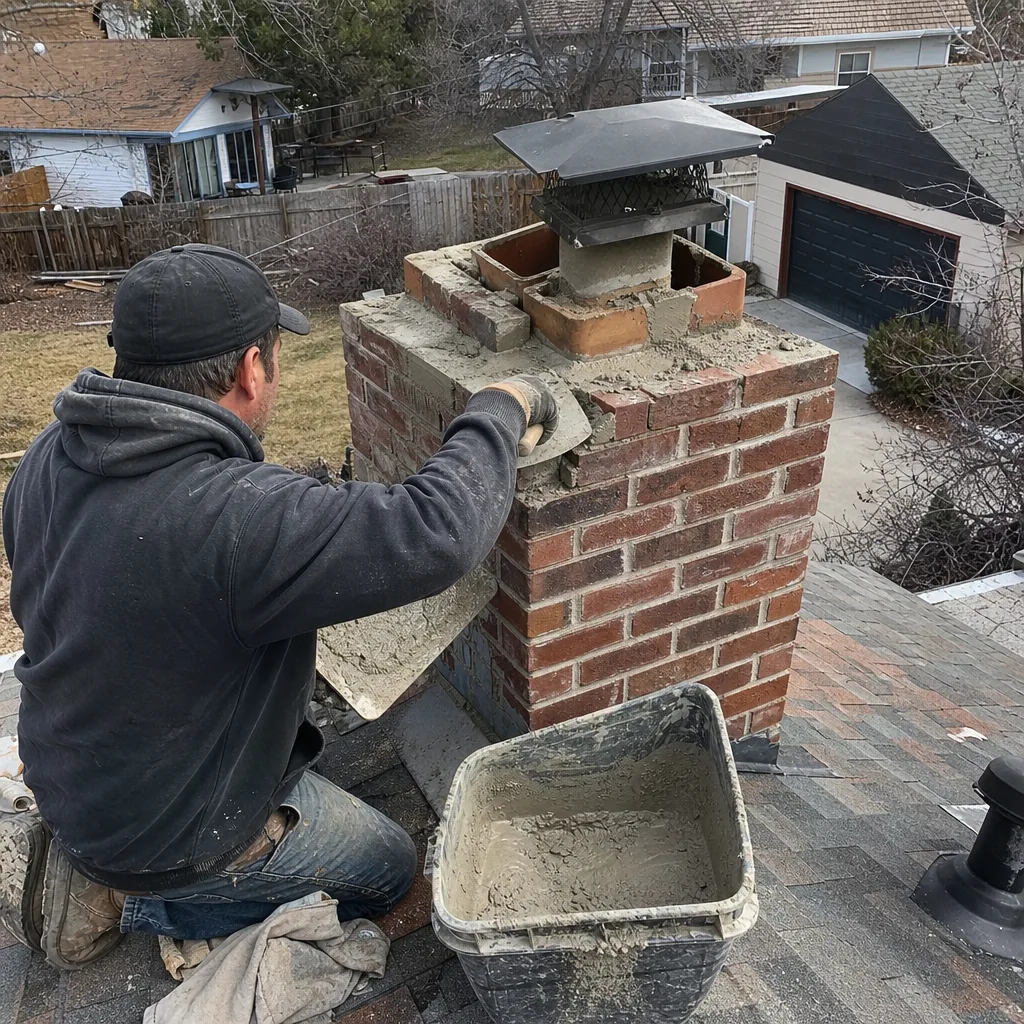
- Assuming “chimney sweep” companies handle permits automatically. Most do not. Permit pulling requires time, fee payment, and inspection scheduling that cuts into job margins. Always confirm in writing who’s responsible.
- Treating a Level 1 inspection as sufficient for real estate transactions. In Littleton’s competitive market, buyers increasingly request Level 2 documentation. A Level 1 miss on concealed damage becomes your liability post-sale.
- Accepting verbal-only quotes for repair work. Without written scope, you cannot verify whether permit costs were included or excluded. Haven Standard Clause 1 exists because we saw this problem repeatedly.
- Believing unincorporated Jefferson County is “less strict” than Littleton city. The county’s $1,000 repair threshold is actually more aggressive than many city jurisdictions. Don’t assume rural address means relaxed enforcement.
- Failing to disclose unpermitted work at sale. Colorado’s seller disclosure form specifically asks about “work performed without required permits.” A “no” answer when work exists is actionable misrepresentation. The buyer’s remedy can include cost of remediation plus damages.
- Ignoring manufacturer specifications for inserts and gas appliances. That “universal” liner kit may not be listed for your specific fireplace model. Insurers know this and check it.
- Discarding documentation after “the job is done.” Keep chimney records with your permanent home file. Scan and cloud-store if possible. The question comes up at sale, not at installation.
When to Call a Professional
Call a certified chimney professional when your sweep discovers conditions beyond cleaning scope, when you’re buying or selling a home with a fireplace, after any chimney fire or external damage event, or when your insurer requests documentation you cannot produce. In Littleton, the freeze-thaw cycle makes spring and early fall the optimal seasons for inspection and repair scheduling before burning season demand peaks. For more guides & resources on protecting your chimney system, explore our blog.
Level Two Chimney Littleton offers free estimates in Littleton and throughout Jefferson County - call (720) 439-4666. Every estimate includes a written price, written scope, and written warranty before any work is discussed. If you have a competitor’s written quote, we’ll provide a Free Second Opinion. Our background-checked, uniformed technicians are license-verified, named to your appointment, and confirmed by text when en route. Live phone support runs 24 hours a day, 7 days a week.
Frequently Asked Questions
No. Routine chimney sweeping, creosote removal, and standard NFPA 211 inspections are classified as maintenance and do not require a building permit anywhere in Colorado, including Littleton and Jefferson County. A permit is only triggered when repair or modification alters the system’s structure, materials, or appliance connections.
Chimney cleaning and sweep in Littleton typically ranges from $199-$349 for a standard NFPA 211 Level 1 or Level 2 inspection with cleaning, depending on system type, accessibility, and creosote condition. A Level 2 with full camera scan and documented photo record is at the higher end of this range. We deliver a written price before any work starts - call (720) 439-4666 for an exact quote; estimates are free.
A flue liner is necessary when the existing liner is cracked, spalled, missing mortar between tiles, or improperly sized for the connected appliance - conditions we document with camera footage under Haven Standard Clause 4. If the liner is intact with only surface glazing, cleaning suffices. We never recommend liner replacement without photo evidence you can see yourself, and we’ll plainly state when conditions can be monitored rather than immediately repaired.
NFPA 211 recommends annual inspection for all chimney systems, with cleaning frequency determined by use and fuel type. In Littleton’s climate, where freeze-thaw accelerates masonry deterioration, we advise annual Level 1 or Level 2 inspection for wood-burning systems and biennial minimum for gas. Heavy use of green or unseasoned wood, common in foothill properties, may require mid-season cleaning due to accelerated Class II and III creosote buildup.
Uncleaned flues accumulate creosote, a combustible deposit that ignites at approximately 451°F and can reach 2,000°F during a chimney fire, damaging liners and transferring heat to combustible framing. Blocked or deteriorated systems also risk carbon monoxide spillage into living spaces. These are genuine hazards, not scare tactics. However, the appropriate response is scheduled inspection and cleaning based on actual condition, not pressured upselling of unnecessary repairs.
Search your property address on the Jefferson County permit portal or City of Littleton permit lookup. Look for permits issued under “chimney,” “fireplace,” “masonry,” or “mechanical” categories with final inspection approval. If you find no records but suspect work was done, request after-the-fact permitting or contact us for a Free Second Opinion on any documentation you have.
Homeowners can pull their own permits in Jefferson County and Littleton, but the work must still be performed by qualified personnel and pass inspection. Most reputable chimney contractors include permit handling in their project scope. We pull permits as standard for all permit-triggering work in our service area, with costs itemized in our written quote under Haven Standard Clause 1.
The Bottom Line
Chimney cleaning itself is permit-free maintenance, but the repairs it reveals rarely are. In Littleton and Jefferson County, the IRC’s structural and mechanical alteration triggers apply to most liner replacements, crown rebuilds, and appliance modifications. Skipping permits saves a few hundred dollars upfront and risks thousands in title delays, insurance disputes, or forced remediation. The documentation chain - pre-work camera record, written quote, permit approval, material specs, inspection sign-off, and post-work photo archive - is what protects your investment when questions arise years later. We’ve built that chain into every job since 2009 because we saw what happened to homeowners who didn’t have it.
Written by Corrine Halstead, Owner at Level Two Chimney Littleton, serving Littleton since 2009.