
Last updated September 22, 2026
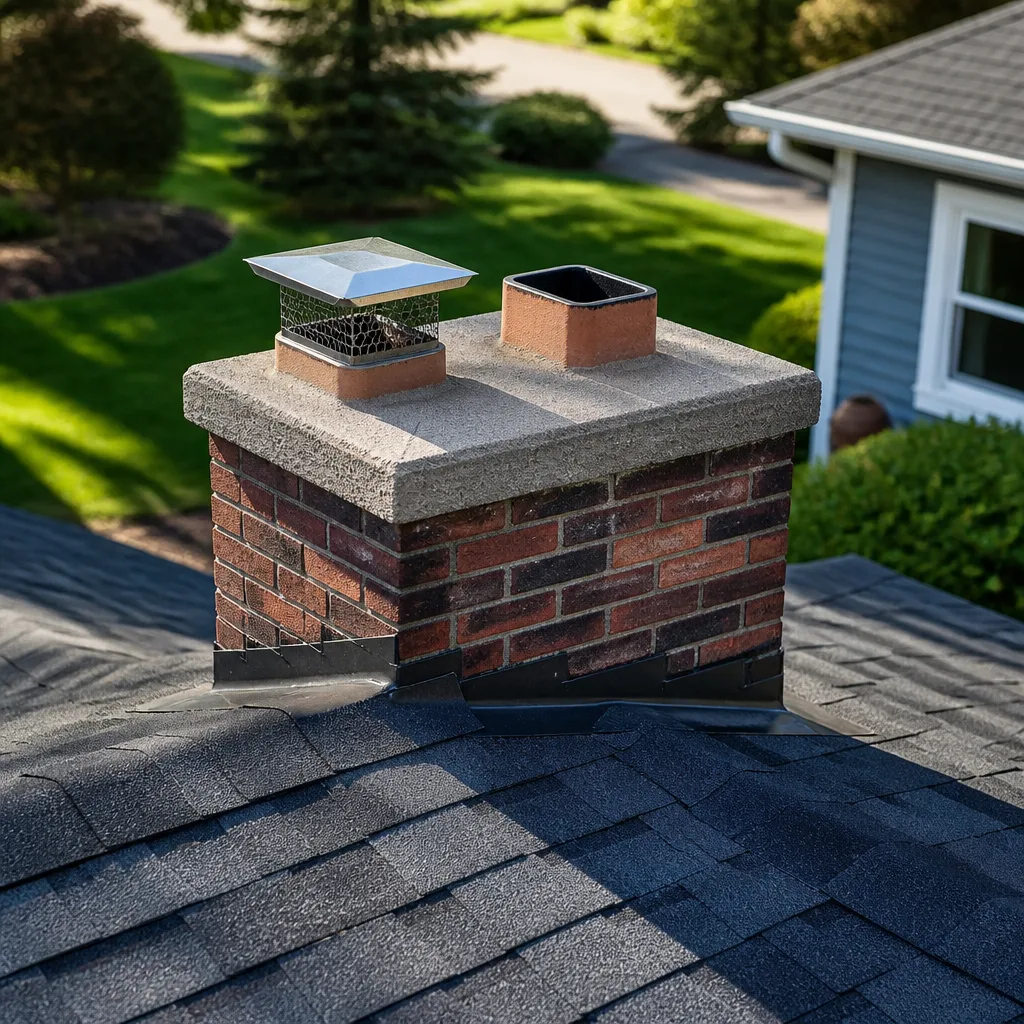
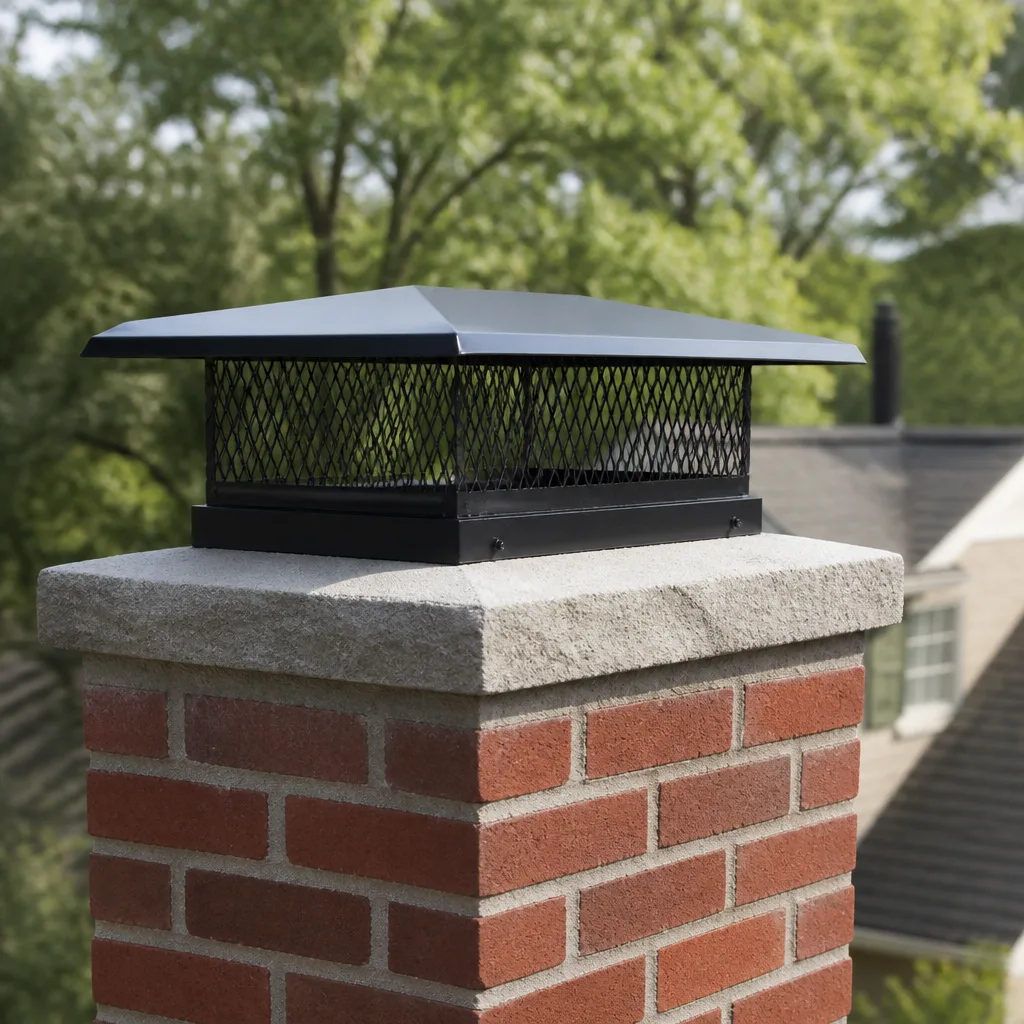
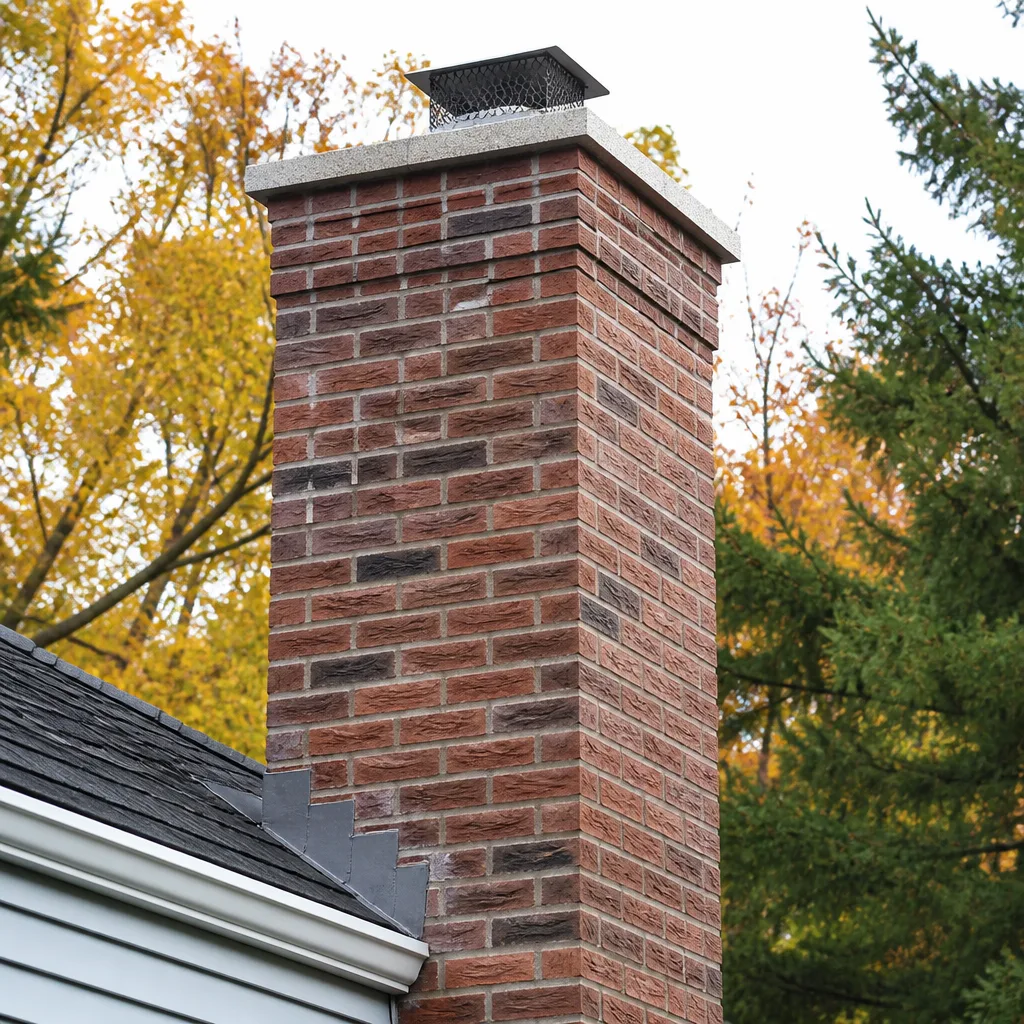
Level 1 sweep and inspection to the NFPA 211 annual standard - flue, crown, cap, and flashing checked and photographed
Chimney sweep logs do not sweep chimneys. They loosen some creosote - which then falls where a brush and vacuum still have to collect it.
 Before
 After
After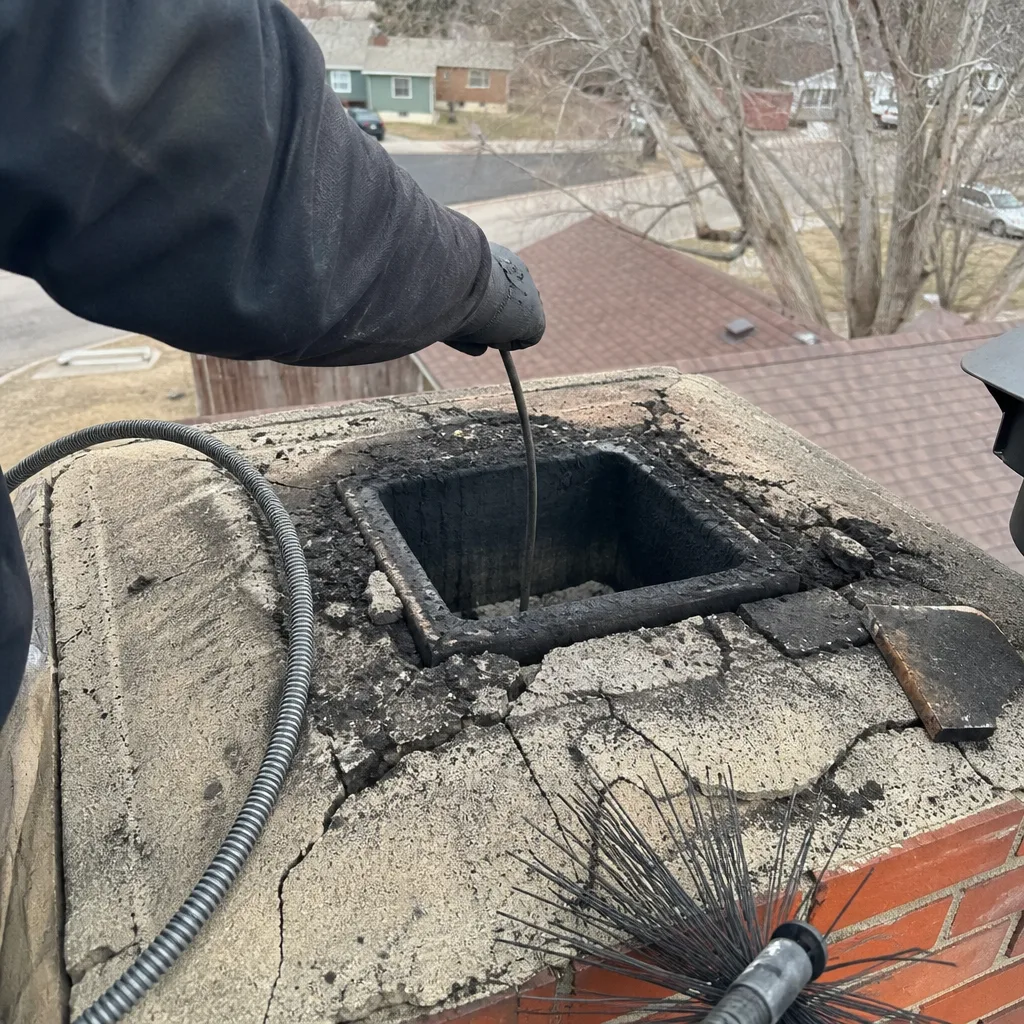 Before
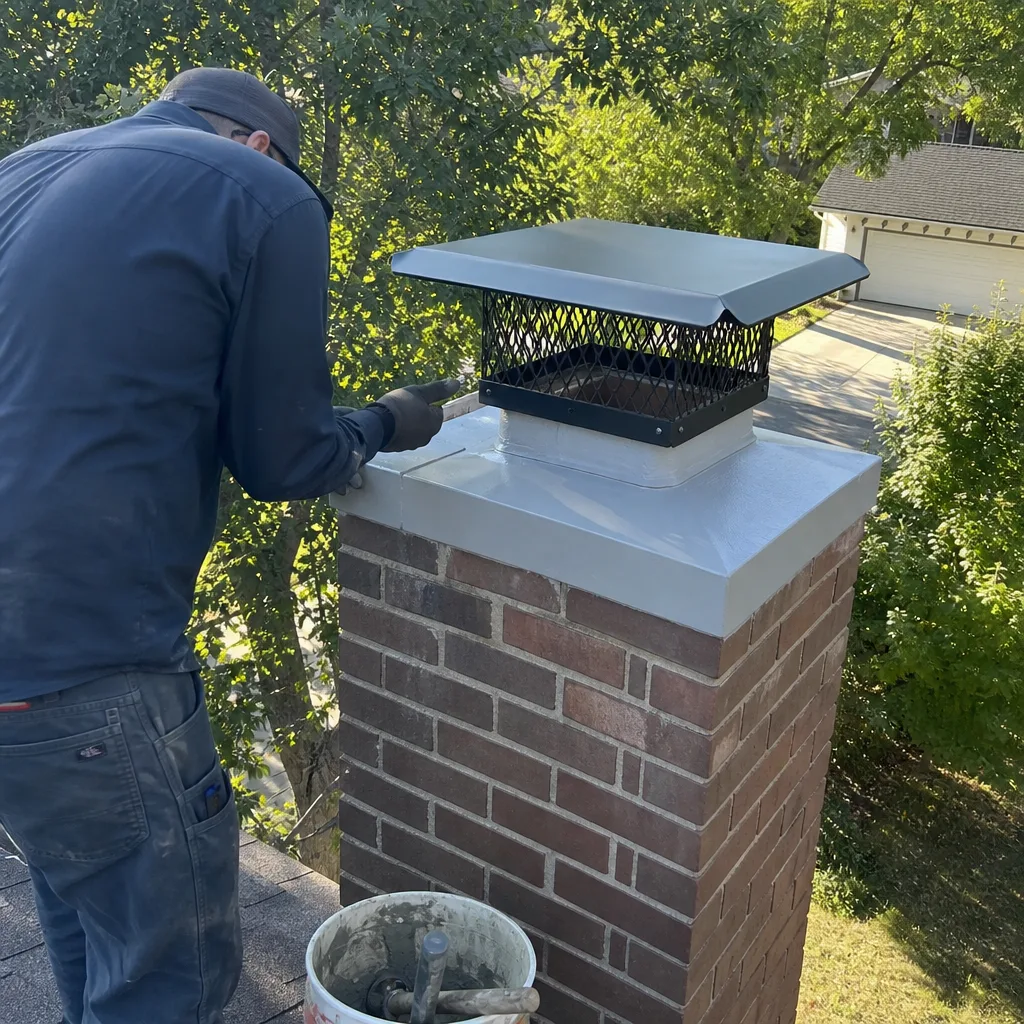 After
After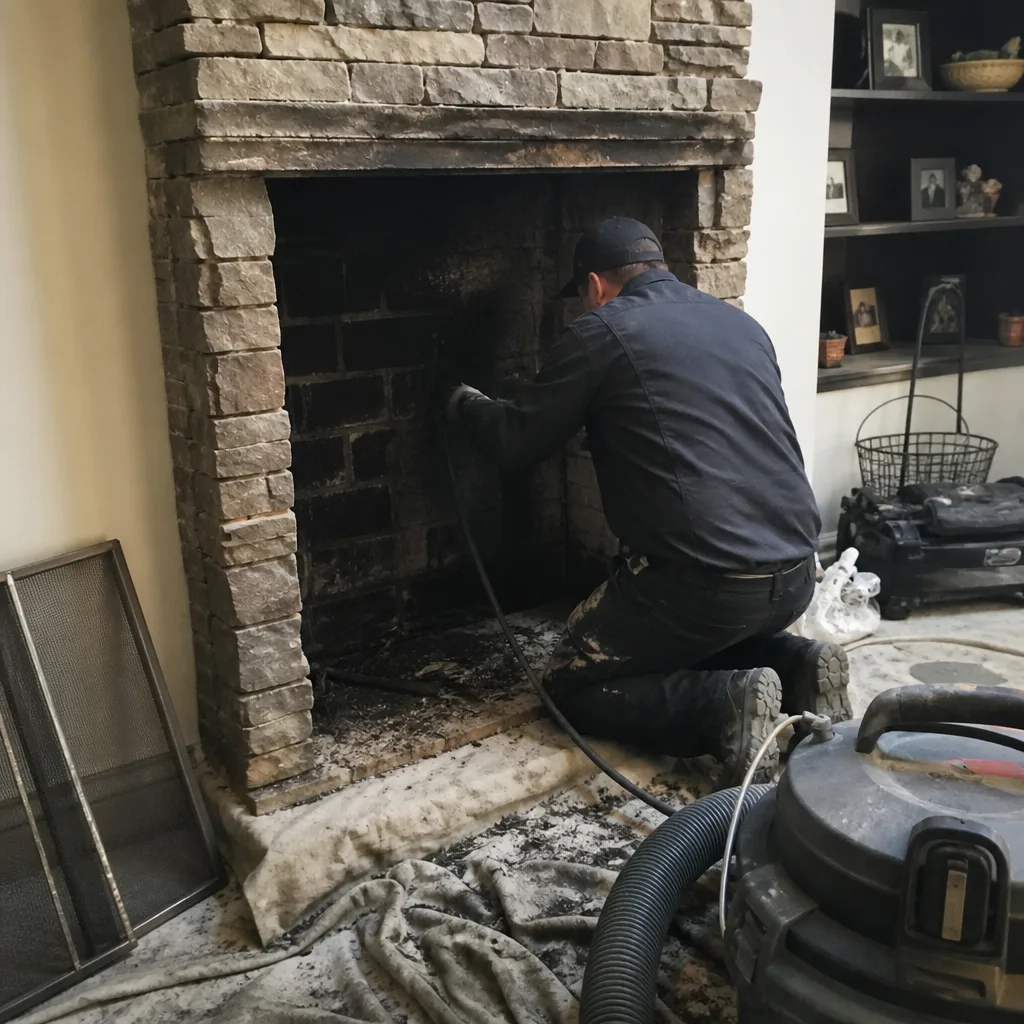 Before
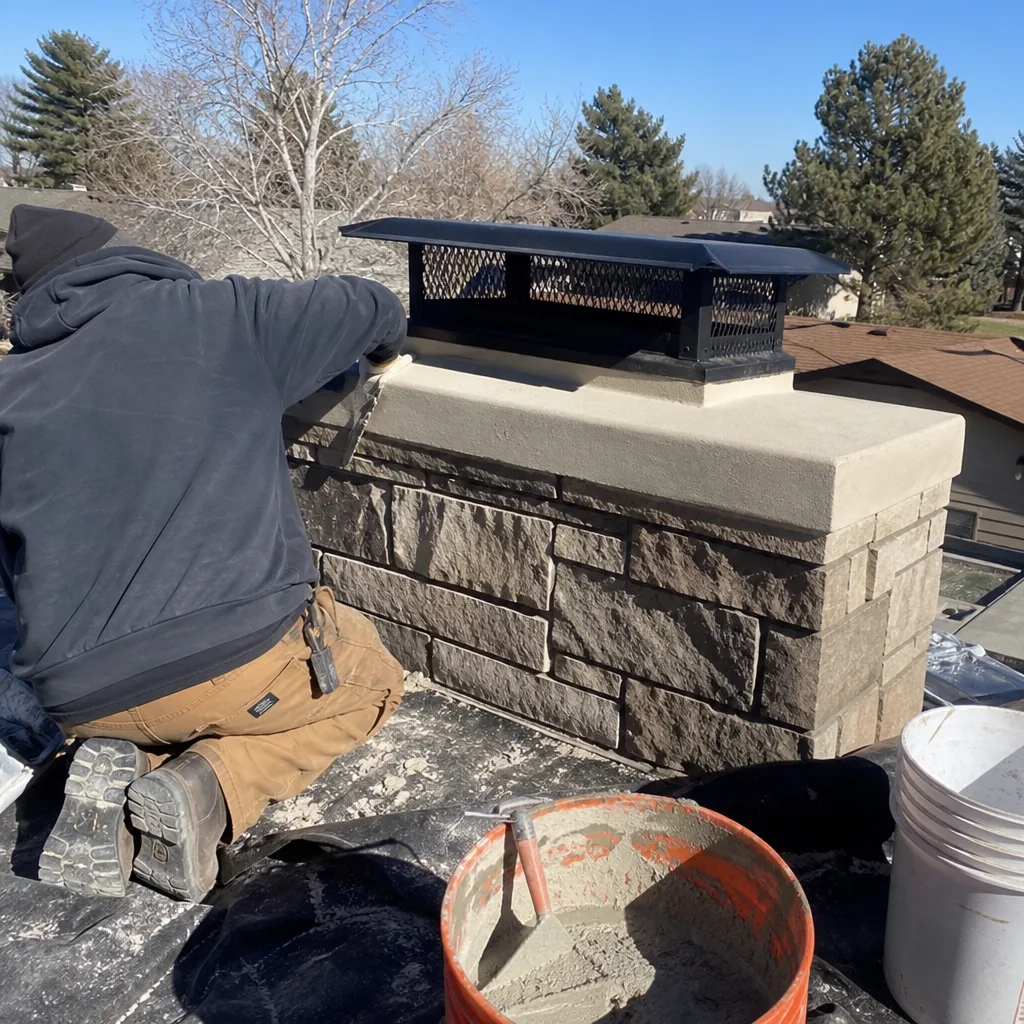 After
AfterThe Complete Guide to Chimney Cleaning in Littleton
Most Littleton homeowners can’t name the difference between a Level 1 and Level 2 inspection - which is exactly why they keep paying for the cheaper one the year before a $4,000 liner repair. In the 38,000+ chimneys we’ve documented since 2009, the pattern repeats: a flashlight sweep misses cracked flue tiles in the smoke chamber, the homeowner burns another season on faith, and the insurance adjuster later asks why there’s no pre-season camera record. This guide maps the decision tree that every chimney cleaning in Littleton actually is - starting with what the camera finds, not what a technician assumes.
Quick Answer
A professional chimney cleaning in Littleton costs $199-$349 for a standard sweep with camera-scan inspection, takes 60-90 minutes, and should include a written price before work starts plus a documented photo record of flue condition. In Littleton’s Front Range climate, where altitude and cold-weather burn patterns accelerate creosote buildup, an NFPA 211 Level 2 inspection with camera documentation is the appropriate standard for any home with an active fireplace or wood stove.
Table of Contents
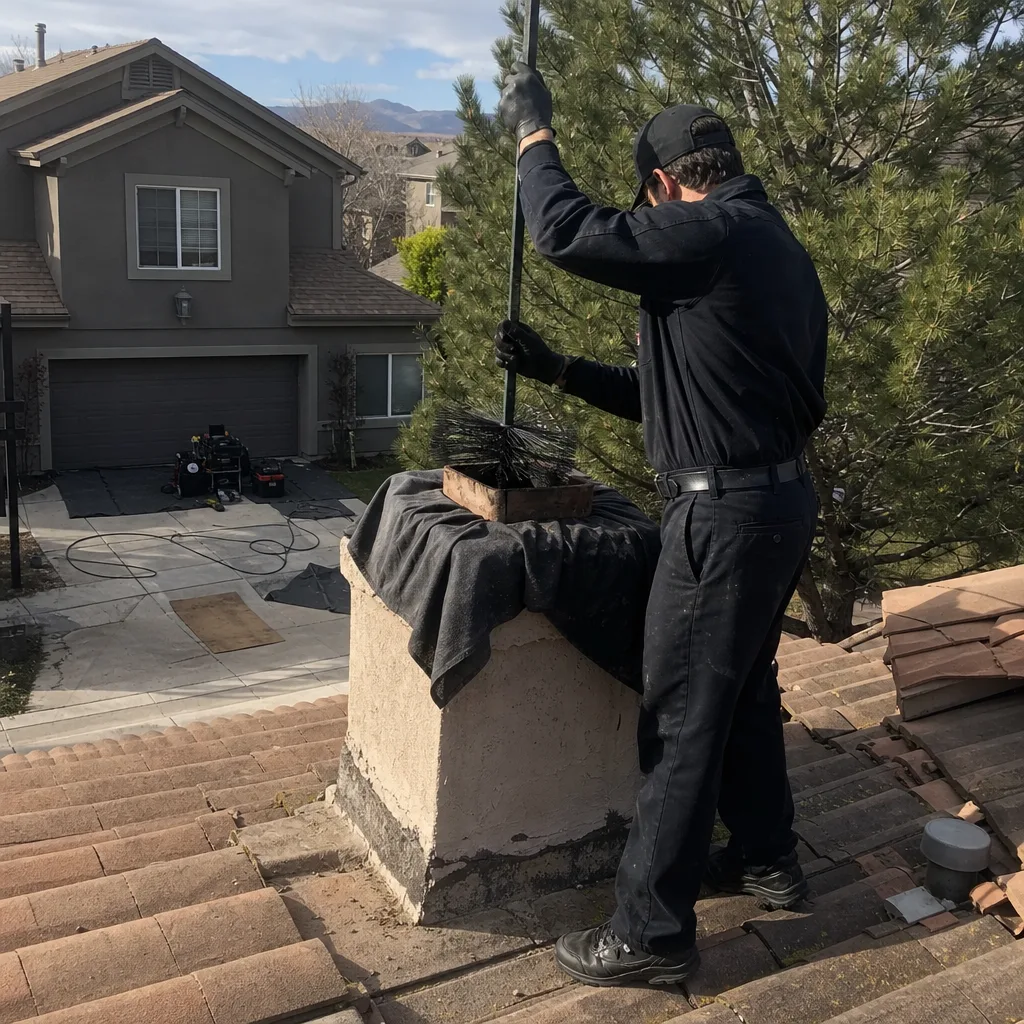
- What Happens During a Professional Chimney Cleaning
- NFPA 211 Inspection Levels: What They Actually Mean
- How Littleton’s Climate and Altitude Affect Your Chimney
- Visual Sweep vs. Camera-Scan Sweep: What Each Misses
- How to Read a Sweep’s Written Report
- Chimney Cleaning Cost Breakdown in Littleton
- Insurance Claims and the Documentation Gap
- How Often Should You Clean Your Chimney in Littleton?
 Before
 After
AfterWhat Happens During a Professional Chimney Cleaning
A proper chimney cleaning follows a sequence, not a checklist. Here’s what happens when we arrive at a Littleton home, and what should happen when any sweep arrives at yours.
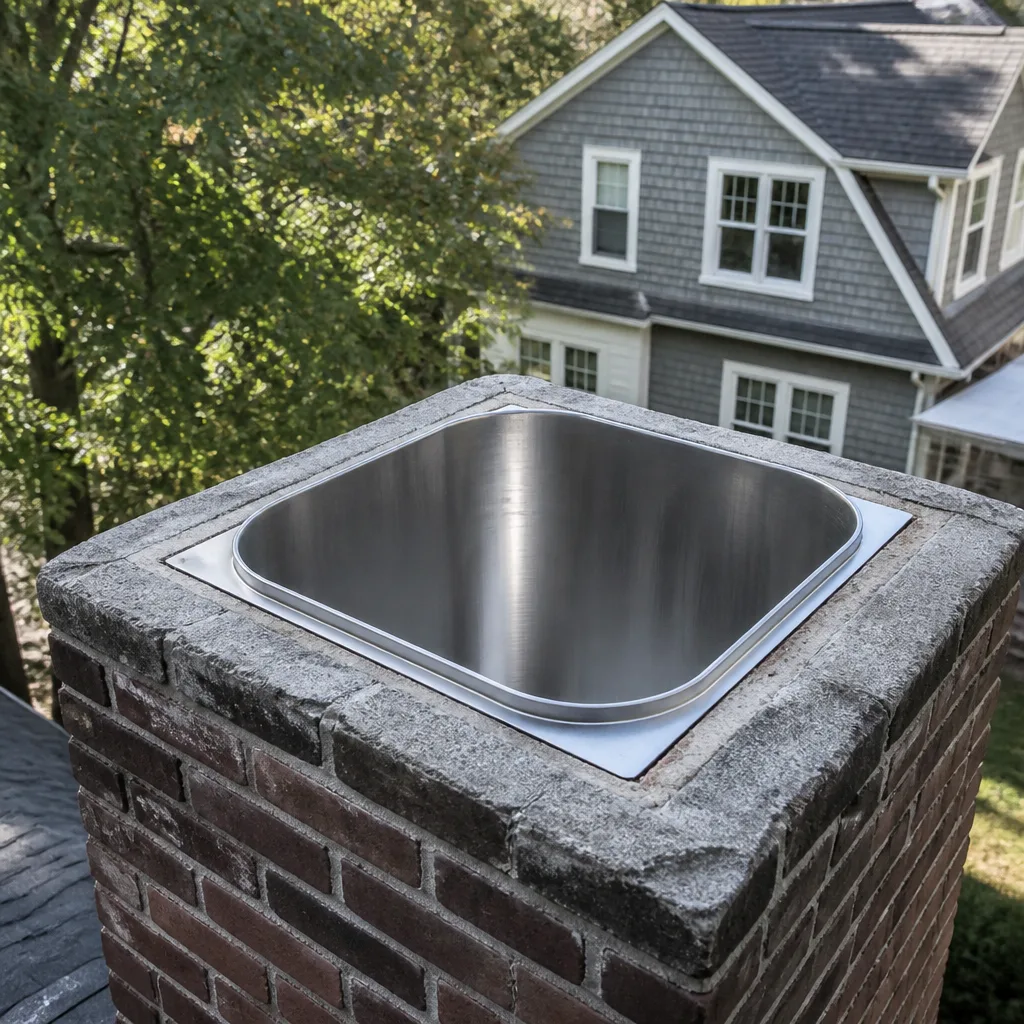
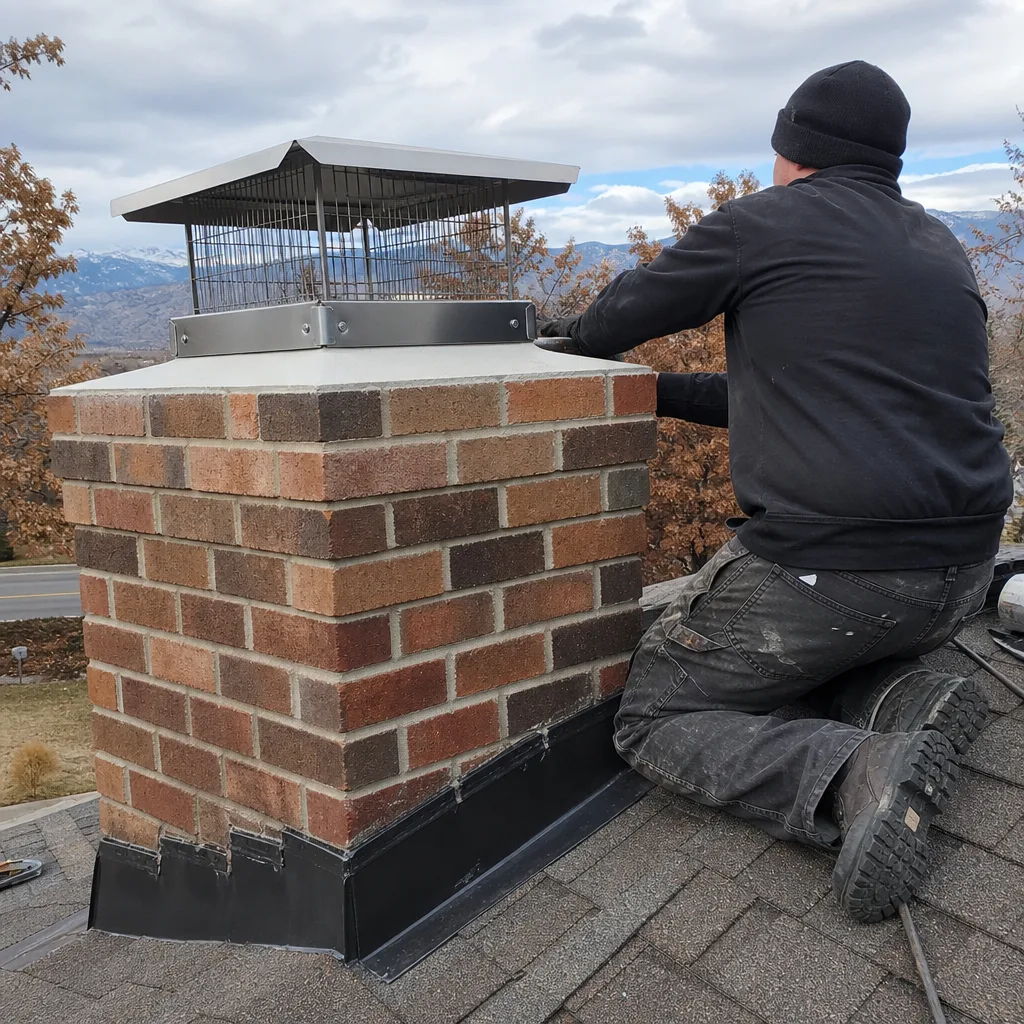
- Exterior assessment first. We look at the crown, cap, flashing, and chimney exterior before entering the house. Water intrusion from snowmelt or wind-driven rain - common in Littleton’s variable spring weather - often shows here before it shows inside.
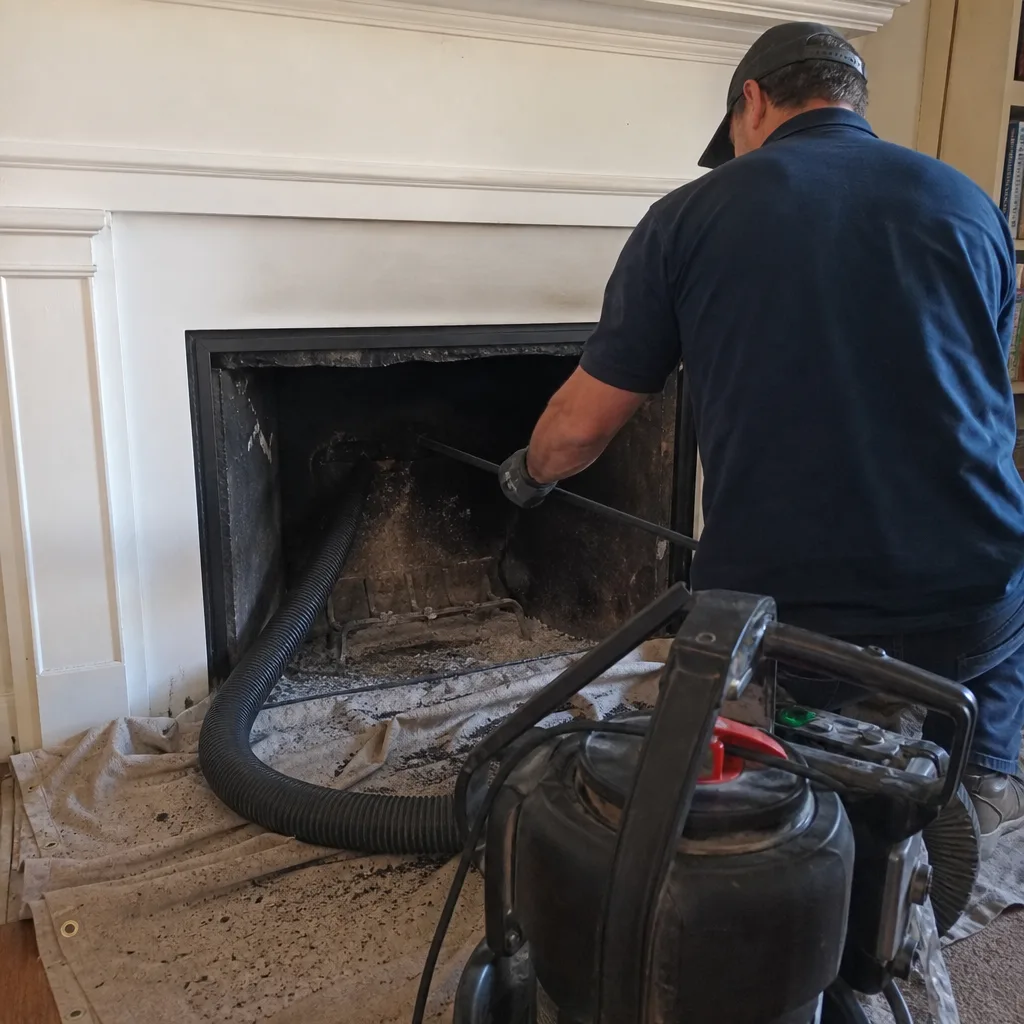
- Interior setup and protection. Drop cloths, HEPA vacuum, and tool staging. The work area is sealed from the living space. This is basic professionalism; its absence is a signal.
- Flue cleaning with rotary or hand brushes. The method depends on flue liner material - stainless steel, terracotta, or unlined masonry. Class III glazed creosote, which we see frequently in Littleton’s high-altitude cold-start burns, requires specialized chains or chemical treatment before brushing.
- Smoke chamber and firebox cleaning. The area above the damper and below the flue throat collects falling debris and incomplete combustion residue. Many sweeps skip this or give it a cursory pass.
- Camera-scan inspection of the full flue length. This is the NFPA 211 Level 2 standard. We run a high-resolution camera from firebox to crown, recording every joint, every tile, every crack, every creosote deposit. The footage becomes Clause 4 documentation under the Haven Standard.
- Written findings, written price, written scope. Before any repair is discussed, you receive a documented record of what was found and what it costs to address. This is Haven Standard Clause 1: “Have it in writing.”
The entire process takes 60-90 minutes for a standard cleaning and inspection. Rushed jobs that clock in at 30 minutes are usually missing steps 5 and 6, which is where the actual value lives.
Our Chimney Cleaning & Sweep in Littleton service follows this exact sequence on every visit, whether it’s a routine maintenance call in Columbine Valley or a post-purchase inspection in Ken Caryl.
NFPA 211 Inspection Levels: What They Actually Mean
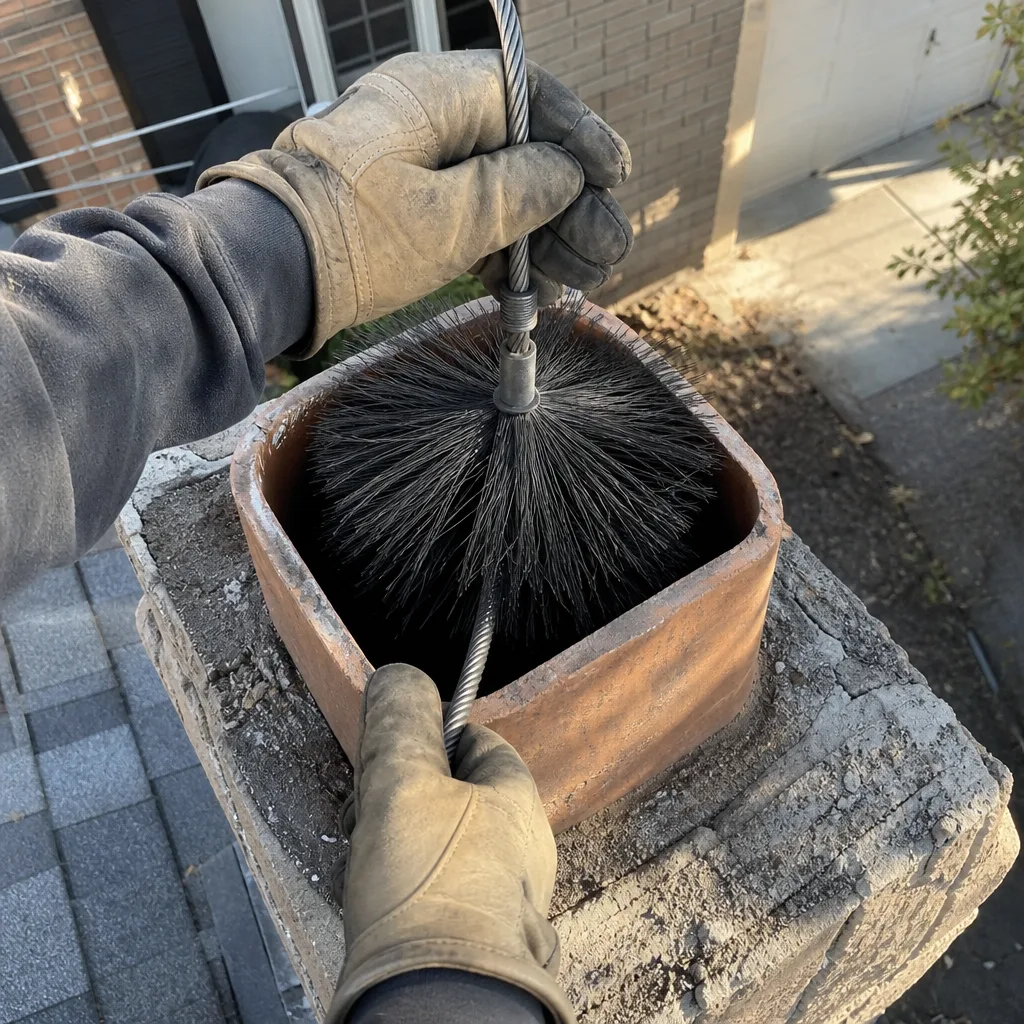
The National Fire Protection Association defines three inspection levels. Most Littleton homeowners have only paid for Level 1, often without knowing it. Here’s the actual distinction.
Level 1 Inspection is a visual examination of readily accessible portions of the chimney exterior and interior. No tools are used to open panels or access concealed areas. No camera enters the flue. It’s appropriate when the appliance and venting system are unchanged and the chimney is being used as it was originally designed. In practical terms: this is what you get when a sweep shines a flashlight up the flue from the firebox and calls it a day.
Level 2 Inspection is required when any change is made to the system - new appliance, new liner, new fuel type - or upon sale or transfer of a property. It includes everything in Level 1 plus examination of accessible attics, crawl spaces, and basements, and critically, a camera inspection of the internal surfaces of the flue liner. This is the standard we established as default practice in 2009, before regulators or insurers required it. It became Haven Standard Clause 4.
Level 3 Inspection is destructive or invasive - removal of components to access concealed areas. It’s only triggered when Level 1 or 2 inspection suggests a hazard that cannot be evaluated otherwise.
The practical difference for Littleton homeowners: Level 1 costs less upfront and tells you almost nothing about the condition of your flue liner. Level 2 costs more and gives you a documented record that your insurance company can read and your home inspector can reference. In neighborhoods like Historic Downtown Littleton or the older ranch homes near Clement Park, where chimneys may date to the 1960s or 1970s, the Level 2 camera scan routinely finds deterioration that a Level 1 inspection would miss for years.
We’ve completed more than 38,000 chimney inspections and cleanings since 2009. The pattern is consistent: the homeowners who skip Level 2 are the ones who call us in February with smoke backing up into the living room, or worse, with an insurance claim after a chimney fire.
How Littleton’s Climate and Altitude Affect Your Chimney
Littleton sits at approximately 5,400 feet elevation on Colorado’s Front Range. This geography creates specific conditions that accelerate chimney degradation and creosote accumulation compared to lower-elevation markets.
Cold-start burning. Front Range temperatures swing dramatically - 40-degree days followed by single-digit nights are common November through March. Homeowners light fires in cold flues, producing incomplete combustion. The result is more volatile organic compounds condensing on flue walls as liquid creosote, which then hardens to glazed Class III deposits that standard brushing won’t remove.
Lower oxygen availability. At 5,400 feet, air density is roughly 15% lower than at sea level. Wood stoves and fireplaces receive less oxygen per unit of air, which reduces combustion efficiency and increases particulate matter in the exhaust stream. More particles mean faster creosote buildup.
Wind and pressure differentials. Littleton’s position at the edge of the Rocky Mountain foothills creates persistent westerly winds and rapid pressure changes. These can reverse draft in marginal systems and drive moisture into crown cracks during storms. We’ve replaced more chimney caps in Littleton’s western neighborhoods - near Chatfield Reservoir and Deer Creek Canyon - than in comparable Denver metro areas because wind uplift damages poorly secured caps.
Freeze-thaw cycling. The Front Range experiences more annual freeze-thaw cycles than lower-elevation Colorado plains cities. Water enters micro-cracks in masonry, expands when frozen, and widens those cracks over seasons. Spalling brick faces and deteriorating mortar joints are common findings in our Littleton inspections, particularly on chimneys without proper crown overhang or waterproofing.
For homeowners in Littleton, these factors mean that “annual” chimney cleaning may need to be more frequent depending on burn volume, and that camera documentation of flue condition is especially critical because altitude-accelerated degradation can progress faster than visual inspection intervals would catch.
Visual Sweep vs. Camera-Scan Sweep: What Each Misses
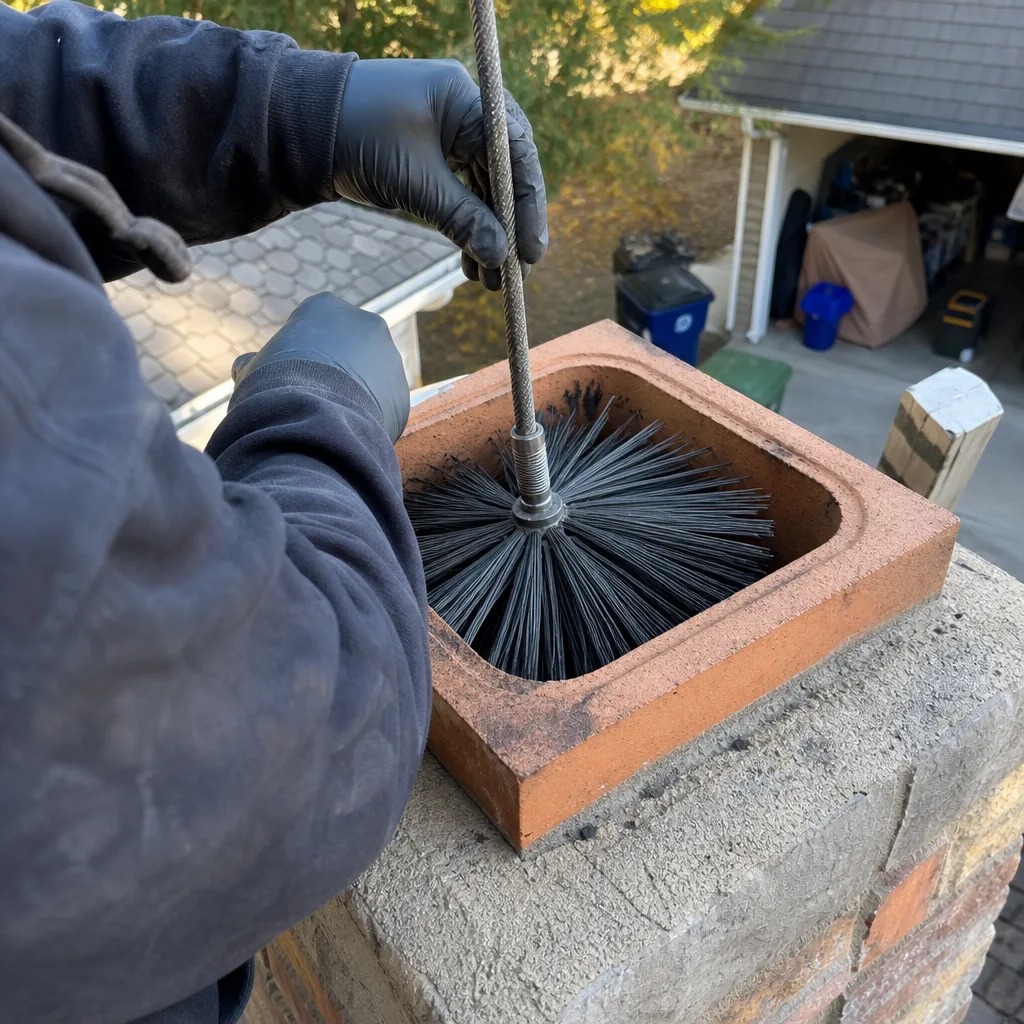
This is where the decision tree branches - and where our DIY vs Professional Chimney Cleaning: The Littleton Homeowner’s Decision Guide can help you understand the stakes. The service you think you’re buying and the service you actually receive may differ by thousands of dollars in uncovered risk.
| Element | Visual Sweep Only | Camera-Scan Sweep (Level 2) |
|---|---|---|
| Flue liner internal condition | Missed - flashlight cannot reach mid-flue or upper joints | Fully documented - every tile joint, crack, and gap recorded |
| Creosote staging classification | Estimated by appearance at firebox opening | Verified by direct observation of full flue length |
| Smoke chamber condition | Partially visible only | Camera enters and documents parging condition |
| Written record for insurance | Typically none | Photo/video archive with dated documentation |
| Typical cost in Littleton | $129-$189 | $199-$349 |
The $70-$160 price difference between these services is not markup. It’s the cost of equipment, training, and documentation time. More importantly, it’s the cost of information: the camera reveals what the flashlight cannot, and that information determines whether your chimney is safe to use or needs repair before the next burn.
What the visual sweep misses, specifically:
- Vertical cracks in terracotta flue tiles, which allow heat and combustion gases to reach combustible framing
- Deteriorated mortar joints between flue tiles, which can shift and block the flue
- Spalling or flaking of tile surfaces, which reduces liner effectiveness
- Glazed creosote deposits above the firebox line, where the flashlight beam attenuates
- Obstructions from animal nesting or debris accumulation in upper flue sections
In our Littleton work, we regularly find significant defects in the upper third of flues that were “inspected” visually the previous season. The homeowner paid for peace of mind and received a false negative. That’s why we made camera documentation standard in 2009, and why Haven Standard Clause 4 requires it on every job without exception.
Our Chimney Repair in Littleton page details what happens when camera findings indicate needed work - and how we quote that work in writing before any repair begins.
How to Read a Sweep’s Written Report
A written report is not a receipt. It’s a technical document that should allow you, your insurer, or a subsequent inspector to understand exactly what was found and what was done. Here’s what belongs in it, and what its absence reveals about the sweep’s process.
Required elements of a proper report:
- Pre-service condition documentation. Photos or video stills of the flue before cleaning, showing creosote accumulation level and any visible defects. Timestamped.
- Service performed. Specific methods used - rotary brushing, hand brushing, chemical treatment for glazed creosote - and areas addressed.
- Post-service condition documentation. Photos or video stills of the cleaned flue, demonstrating that deposits were removed and liner condition is visible.
- Findings and recommendations. Each defect or concern named specifically, with location (e.g., “vertical hairline crack in third flue tile from top, east face”).
- Written price for any recommended repair. Itemized, with scope description and warranty terms. Not a verbal estimate. Not “call the office.”
- Technician identification. Name and license information of the person who performed the work.
Red flags in report quality:
- No photos or video documentation - this means no verifiable record exists
- Generic language like “flue in fair condition” without specific defects named
- Recommendations without prices, or prices given verbally only
- No technician name or license number - accountability is absent
- Report delivered days after service, or only upon request
In Littleton’s competitive sweep market, we’ve reviewed competitor reports brought in for our Free Second Opinion service - one reason we published How to Hire a Chimney Cleaning Contractor in Littleton: A Step-by-Step Guide. The most common deficiencies: no camera documentation, no pre-service photos, and recommendations for liner replacement without specific crack dimensions or locations noted. A report that says “recommend new liner” without showing you the damage is a sales document, not a technical record.
Under the Haven Standard, Clause 4 requires documented photo record on every visit. Clause 1 requires written price before any work starts. These aren’t marketing claims; they’re process requirements that every Level Two technician follows on every Littleton job, from Belleview to Broadway Estates.
Chimney Cleaning Cost Breakdown in Littleton
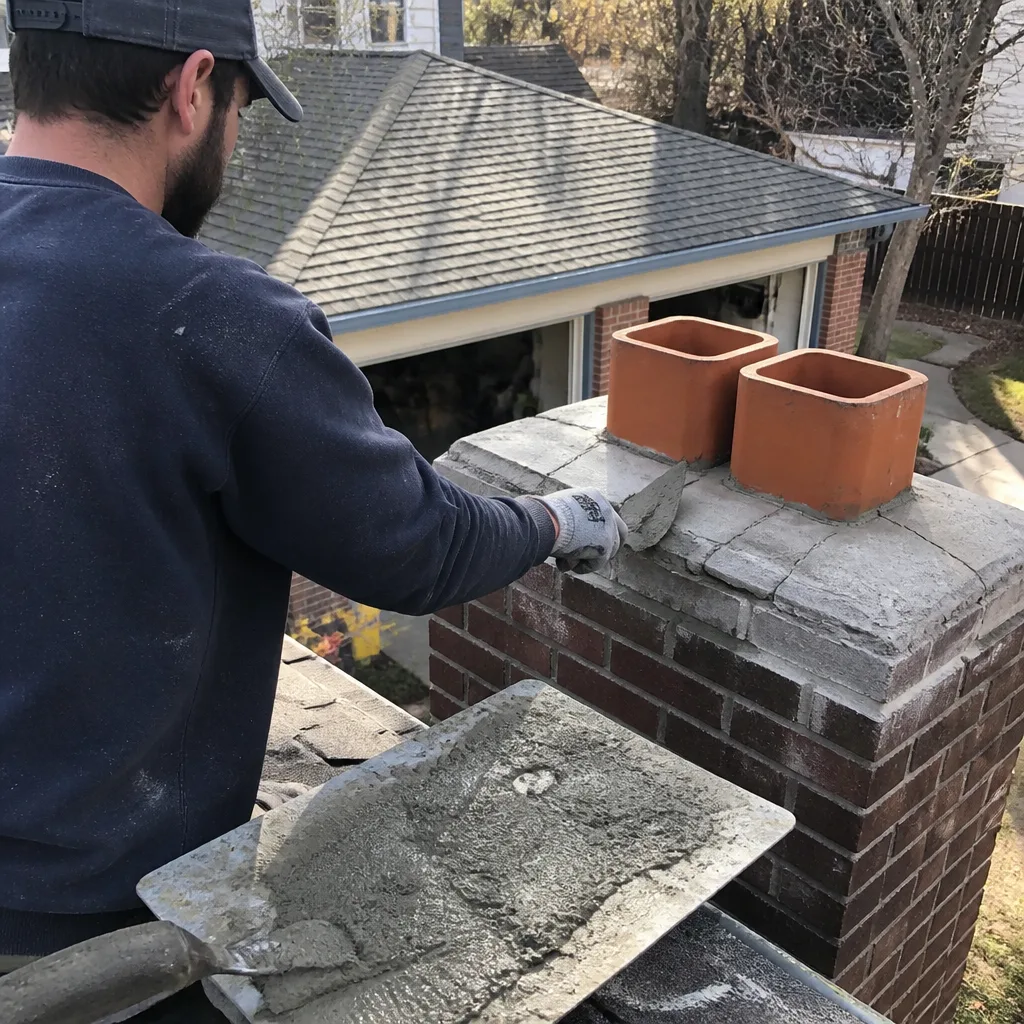
Price transparency is the core of our practice. Here’s what chimney cleaning costs in the Littleton market, with the variables that move the number.
| Service | Price Range | What’s Included |
|---|---|---|
| Standard sweep with Level 2 camera inspection | $199-$279 | Full flue cleaning, smoke chamber cleaning, camera scan, photo documentation, written report |
| Heavy creosote removal (Class III glazed) | $279-$349 | Chemical treatment cycle, rotary chains or whips, repeat camera verification |
| Fireplace insert or wood stove sweep | $249-$329 | Appliance disconnect, flue collar cleaning, reassembly and leak test |
| Multi-flue system (2+ fireplaces) | $349-$499 | Per-flue pricing with volume discount; each flue cleaned and camera-inspected |
| Level 2 inspection only (no cleaning needed) | $179-$229 | Full camera scan, documentation, written findings; for real estate transactions or annual verification |
Variables that affect pricing:
- Roof access difficulty. Steep pitches, multiple stories, or ice/snow conditions add time and safety equipment.
- Appliance type. Pellet stoves, fireplace inserts, and zero-clearance units require additional disassembly and specialized tools.
- Creosote severity. Class III glazed deposits require chemical pretreatment and mechanical removal beyond standard brushing.
- Obstruction removal. Bird nests, squirrel debris, or collapsed liner sections require additional labor and sometimes specialized equipment.
We quote every job in writing before work begins - Haven Standard Clause 1. No exceptions. The price on the page is the price you pay, assuming the scope described. If camera inspection reveals conditions that change the scope, we show you the footage and quote the revised price before proceeding. You’re never asked to approve work after a technician is already in your home.
Materials for any needed repairs are sourced through our Haven buying network from DuraFlex, HeatShield, Gelco, Olympia Chimney, Famco, and Copperfield - specifically procured to keep customer prices honest, not to inflate margins on proprietary products.
Insurance Claims and the Documentation Gap
Colorado homeowners insurance policies increasingly include chimney fire and smoke damage provisions with specific documentation requirements. The gap between what most sweeps provide and what insurers require is widening - and homeowners are caught in it.
After a chimney fire, the adjuster’s first question is often: “When was the last professional inspection, and do you have a record?” The answer determines whether the claim is processed as covered maintenance failure or as a sudden event. In Colorado’s mountain and foothill counties, some insurers now require annual Level 2 inspection documentation for wood-burning appliance coverage.
What insurers look for:
- Dated, technician-identified inspection record
- Evidence that the flue was evaluated internally, not just visually
- Documentation of creosote level and any recommended remediation
- Proof that recommended work was completed (invoices with scope description)
The visual sweep with no written report provides none of this. The homeowner who paid $149 for a “cleaning and inspection” receives a receipt that says “chimney swept” - which proves only that someone visited the house, not that the flue was evaluated for safety.
In our Littleton work, we’ve assisted homeowners with insurance documentation for both claims and policy renewals. The camera-scan record from a Level 2 inspection, with dated photo documentation, satisfies every major insurer’s requirements. The Haven Standard’s archive practice - continuous since 2009 - means we can produce records from prior visits when needed, even years later.
This isn’t theoretical. In 2023, a homeowner in the Columbine Knolls area used our five-year inspection archive to demonstrate consistent maintenance when their insurer questioned a minor smoke damage claim. The claim was processed without dispute because the documentation existed and was verifiable.
For Fireplace Services in Littleton that include proper documentation as standard, not as an add-on, our process is designed around this exact scenario.
How Often Should You Clean Your Chimney in Littleton?
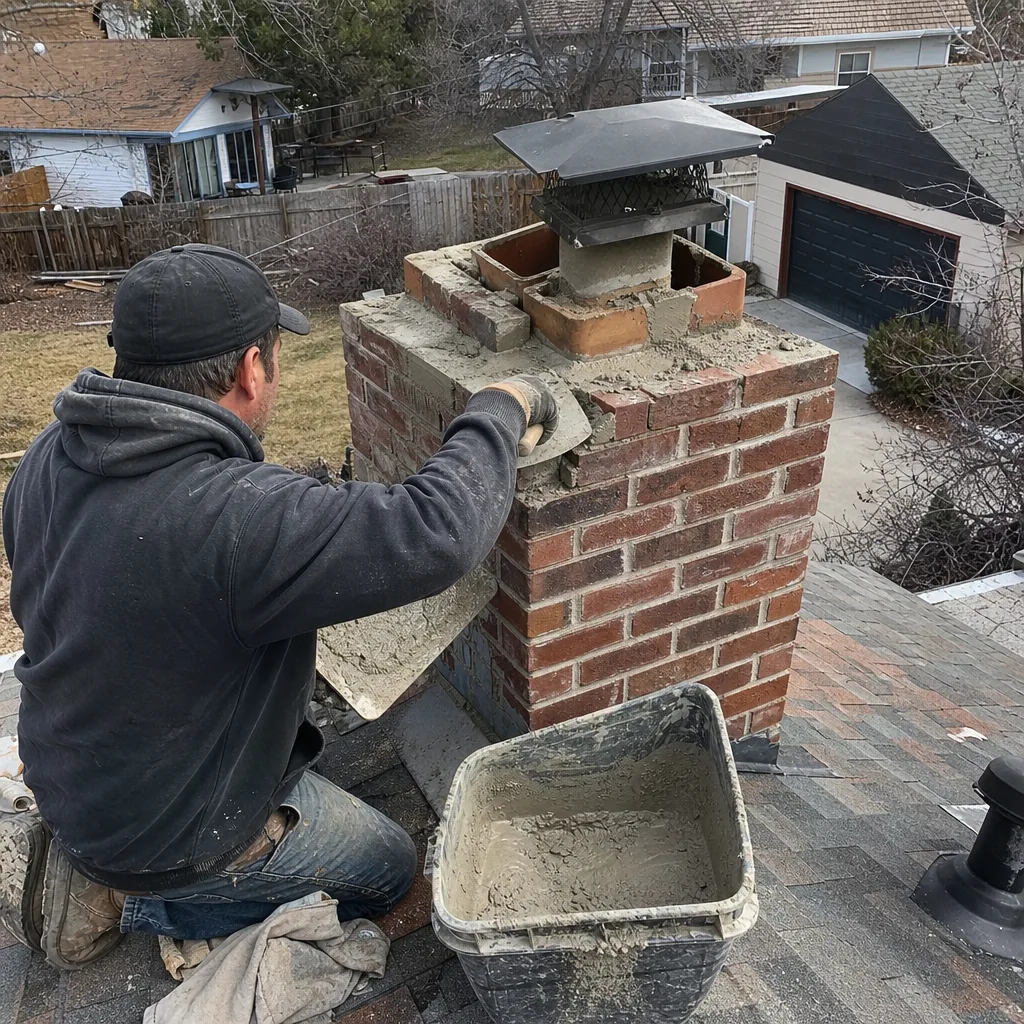
The NFPA 211 standard states that chimneys, fireplaces, and vents shall be inspected at least once a year, and cleaned as needed. “As needed” is the operative phrase - and in Littleton’s climate, need accumulates faster than in lower-elevation markets.
Annual inspection minimum. Every active wood-burning system needs annual Level 2 inspection. This is non-negotiable for safety and for insurance documentation.
Cleaning frequency depends on use volume and fuel quality:
- Occasional use (1-2 fires weekly, decorative burning): Clean every 1-2 years, inspect annually
- Regular use (3-5 fires weekly, supplemental heat): Clean annually
- Primary heat source (daily burns through heating season): Clean mid-season and post-season, inspect before each burning season
- Poor-quality or unseasoned wood: Double the cleaning frequency - moisture content above 20% produces significantly more creosote
Littleton-specific considerations:
The altitude and cold-start pattern described earlier means that even “occasional” users in Littleton may accumulate creosote faster than occasional users at sea level. We recommend that new Littleton homeowners - particularly those in older neighborhoods like Littleton Village or the original Ken Caryl ranch homes - begin with a Level 2 inspection to establish baseline flue condition, then set cleaning frequency based on actual accumulation rates rather than calendar assumptions.
Signs that cleaning is needed before your scheduled interval:
- Visible creosote flakes in the firebox or on the damper
- Smoke entering the room during startup or normal burning
- Strong, acrid odor from the fireplace when not in use
- Reduced draft or difficulty establishing fire
- Black, shiny deposits visible at the flue opening
These are not aesthetic issues. Reduced draft indicates flue obstruction or restriction, which can lead to carbon monoxide infiltration. Shiny black deposits are glazed creosote, which ignites at lower temperatures than powdery soot and burns with explosive intensity.
Our recommendation for Littleton homeowners: schedule inspection in late summer or early fall, before the first cold snap creates demand backlog. For timing through the year, see our Seasonal Chimney Cleaning Care for Littleton: Year-Round Homeowner’s Guide. This timing also allows any needed repairs to be completed before burning season, when contractors are busiest and material lead times lengthen.
Common Mistakes to Avoid
- Booking a “cheap sweep” without confirming inspection level. In Littleton’s competitive market, sub-$150 sweeps are almost always Level 1 visual inspections. The money saved is lost in undetected defects that become expensive repairs.
- Assuming no cleaning is needed because the fireplace “looks fine.” Creosote accumulates in the flue liner, not the firebox. A clean firebox reveals nothing about flue condition.
- Burning unseasoned wood to save money. Green or wet wood produces Class III glazed creosote that requires chemical treatment and mechanical removal - costing more than the savings on fuel.
- Ignoring wind and weather damage to the crown or cap. Littleton’s spring windstorms and freeze-thaw cycles crack crowns and dislodge caps. Water entry destroys liners from the outside in.
- Accepting verbal repair estimates. Without written scope and price, you have no recourse if the final bill differs. Haven Standard Clause 1 exists because this happens routinely.
- Skipping inspection when selling a home. Colorado buyers increasingly request Level 2 inspection records. Absence delays closing or triggers renegotiation.
- Using DIY creosote removers as substitute for professional cleaning. Chemical logs reduce light soot but do not remove accumulated deposits or evaluate liner condition. They’re maintenance supplements, not replacements.
When to Call a Professional
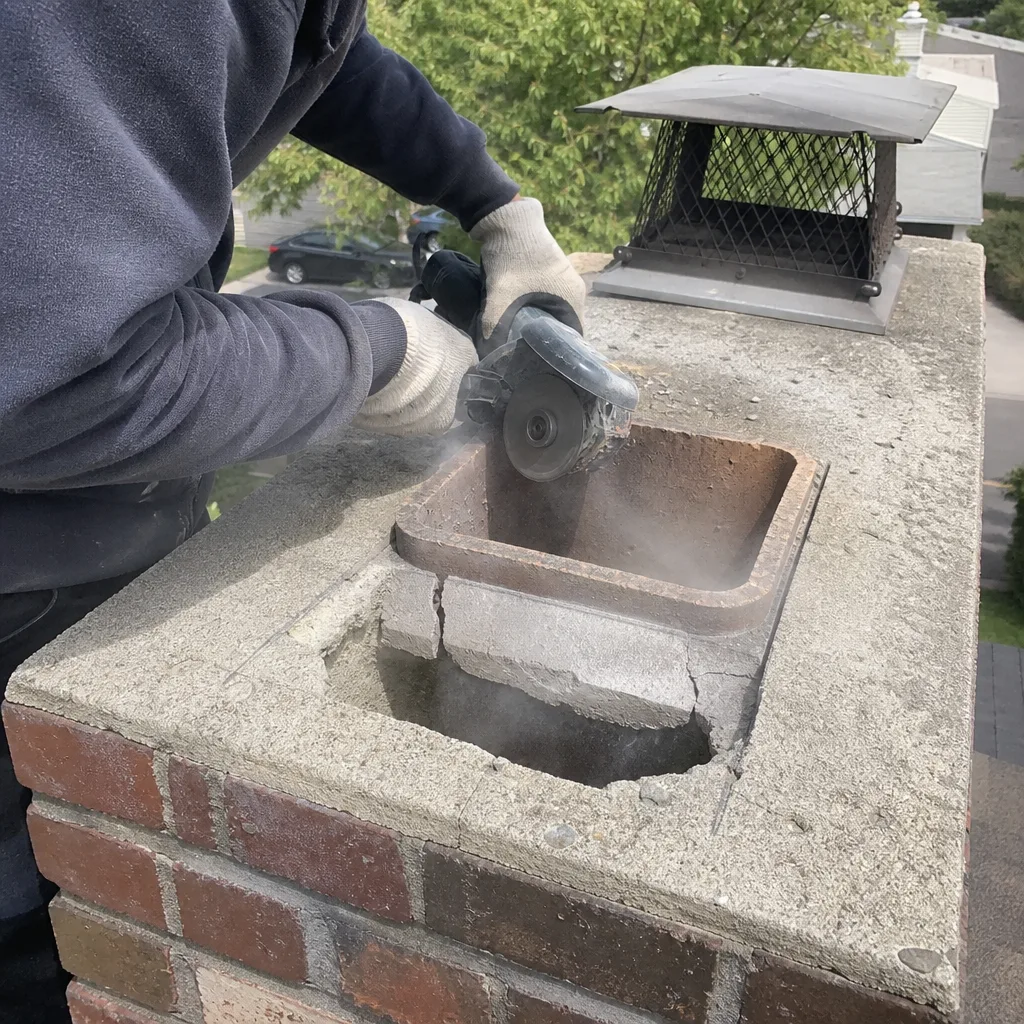
Call a professional sweep immediately if you experience smoke backup, persistent odor, visible damage to the chimney exterior, or any evidence of previous chimney fire (warped metal, discolored masonry, heat-damaged surround materials). These are not diagnostic puzzles - they’re safety signals.
Schedule preventive service if it’s been more than 12 months since your last Level 2 inspection, if you’ve purchased a home with an active fireplace and no documentation, or if you’re changing fuel types or appliances.
Level Two Chimney Littleton offers free estimates in Littleton - call (720) 439-4666. Every estimate includes a written price, written scope, and written warranty before any work begins. Our background-checked, uniformed technicians arrive on schedule with license information displayed, and you’ll receive a text when they’re on the way. Live phone support is available 24 hours a day, 7 days a week.
Frequently Asked Questions
A professional chimney sweep with Level 2 camera inspection in Littleton typically costs $199-$349, depending on creosote severity, appliance type, and access difficulty. Heavy glazed creosote removal or multi-flue systems run higher. We provide written pricing before any work starts - call (720) 439-4666 for an exact quote; estimates are free.
You need a new liner only if the existing one is documented as damaged or inadequate for your appliance. We recommend nothing without camera evidence you can see yourself. Cracked terracotta tiles, spalling surfaces, or gaps at tile joints are documented with location and dimensions before any replacement is quoted. Many “liner replacement” recommendations we’ve reviewed through our Free Second Opinion service lacked specific defect documentation. Bring us any competitor’s written quote and we’ll evaluate it against the actual footage.
Inspect annually; clean as needed based on use. In Littleton’s 5,400-foot elevation with cold-start burning patterns, creosote accumulates faster than at sea level. Regular users (3+ fires weekly) need annual cleaning. Daily burners need mid-season and post-season cleaning. Occasional decorative users may extend to every 18-24 months with annual inspection to verify. Call (720) 439-4666 to schedule baseline inspection and set your specific interval.
Skipped cleaning allows creosote accumulation, which restricts flue airflow and increases fire risk. Class III glazed creosote ignites at approximately 450°F - temperatures reached in normal operation. The resulting chimney fire can crack flue tiles, allowing heat and combustion gases to reach combustible framing. Carbon monoxide risk increases with restricted draft. In Littleton’s older housing stock, where many chimneys serve original or modified heating appliances, the consequences of deferred maintenance are particularly severe. The cost of cleaning is minor compared to liner repair, fire damage restoration, or health consequences.
A sweep removes deposits; an inspection evaluates condition. They’re related but distinct. A sweep without inspection tells you the flue is cleaner, not that it’s sound. An inspection without cleaning may be appropriate for real estate transactions or annual verification when the flue is already clean. Our standard service combines both: rotary brushing and vacuuming of the full flue and smoke chamber, followed by camera-scan inspection with photo documentation. Each service is itemized in your written report.
Littleton follows the International Residential Code with Colorado amendments, including NFPA 211 for chimney and venting standards. New liner installations, chimney rebuilds, and significant repairs require permits and inspection by the City of Littleton Building Division. Our technicians are familiar with local permitting requirements and coordinate permit submission when repair work is quoted. For routine cleaning and Level 2 inspection, no permit is required. If a sweep proposes work that seems extensive, ask whether permitting is needed and whether they’ll handle it - evasion of this question is a red flag.
The Bottom Line
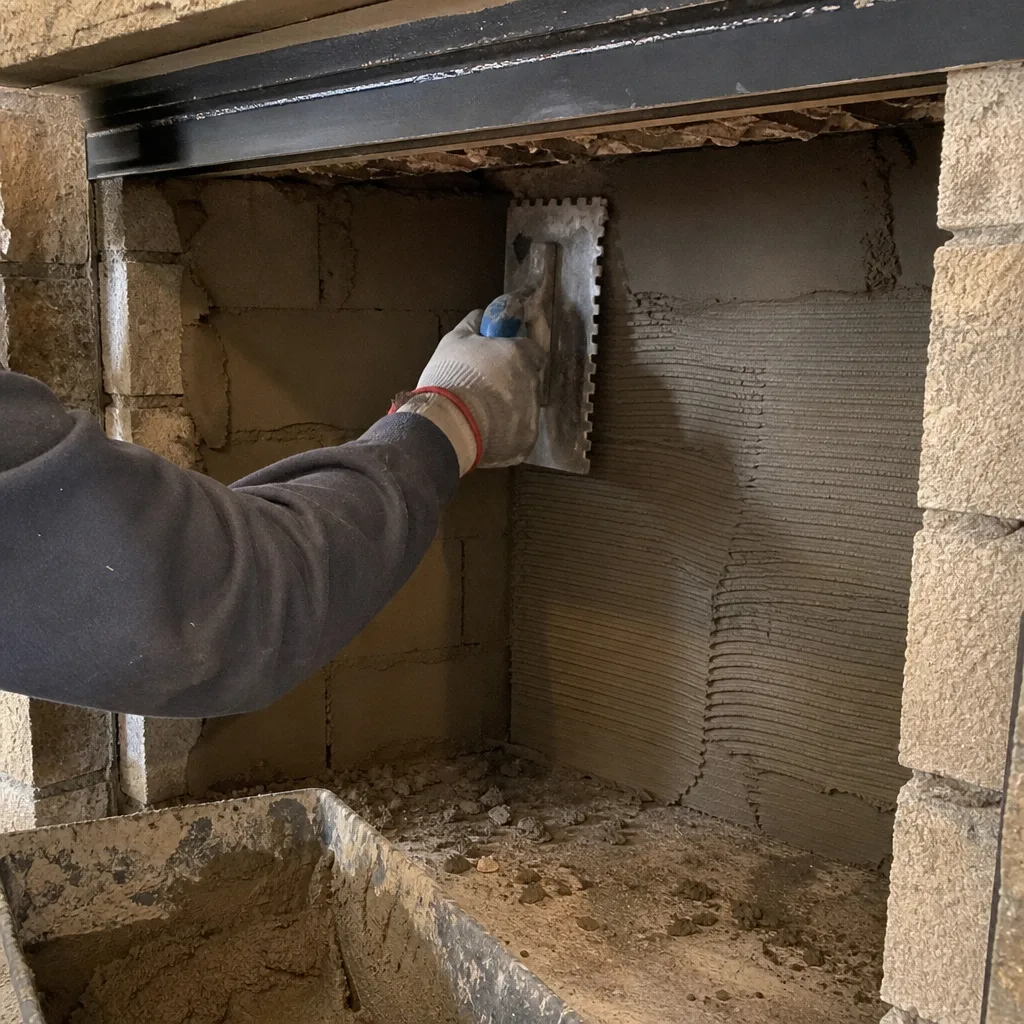
A chimney cleaning in Littleton is not a commodity service. It’s a decision tree that starts with inspection level, branches on what the camera finds, and ends with documented evidence you can use for maintenance planning, insurance protection, and informed repair decisions. The $70-$160 difference between a visual sweep and a camera-scan sweep is the cost of information that prevents $2,000-$4,000 surprises. In 38,000+ visits since 2009, we’ve learned that homeowners who understand this tree before they call make better decisions and spend less over the life of their chimney system. The Haven Standard exists to make that understanding automatic - written price before work, documented record after, and a 365-Day Done Right Promise if anything falls short.
Ready to schedule? Call Level Two Chimney Littleton at (720) 439-4666 for a free estimate. Written price before work starts. Camera documentation included. Every time.
Written by Corrine Halstead, Owner at Level Two Chimney Littleton, serving Littleton since 2009.