
Last updated September 22, 2026
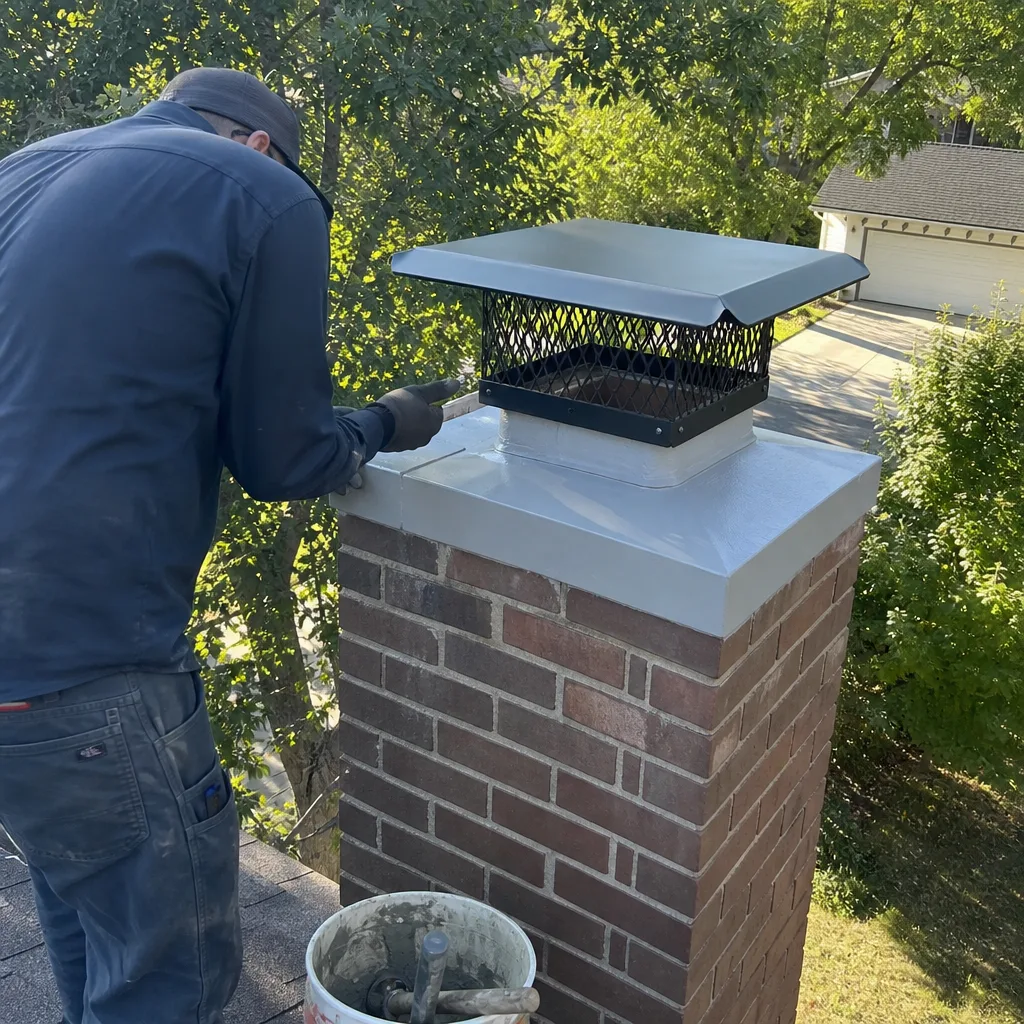
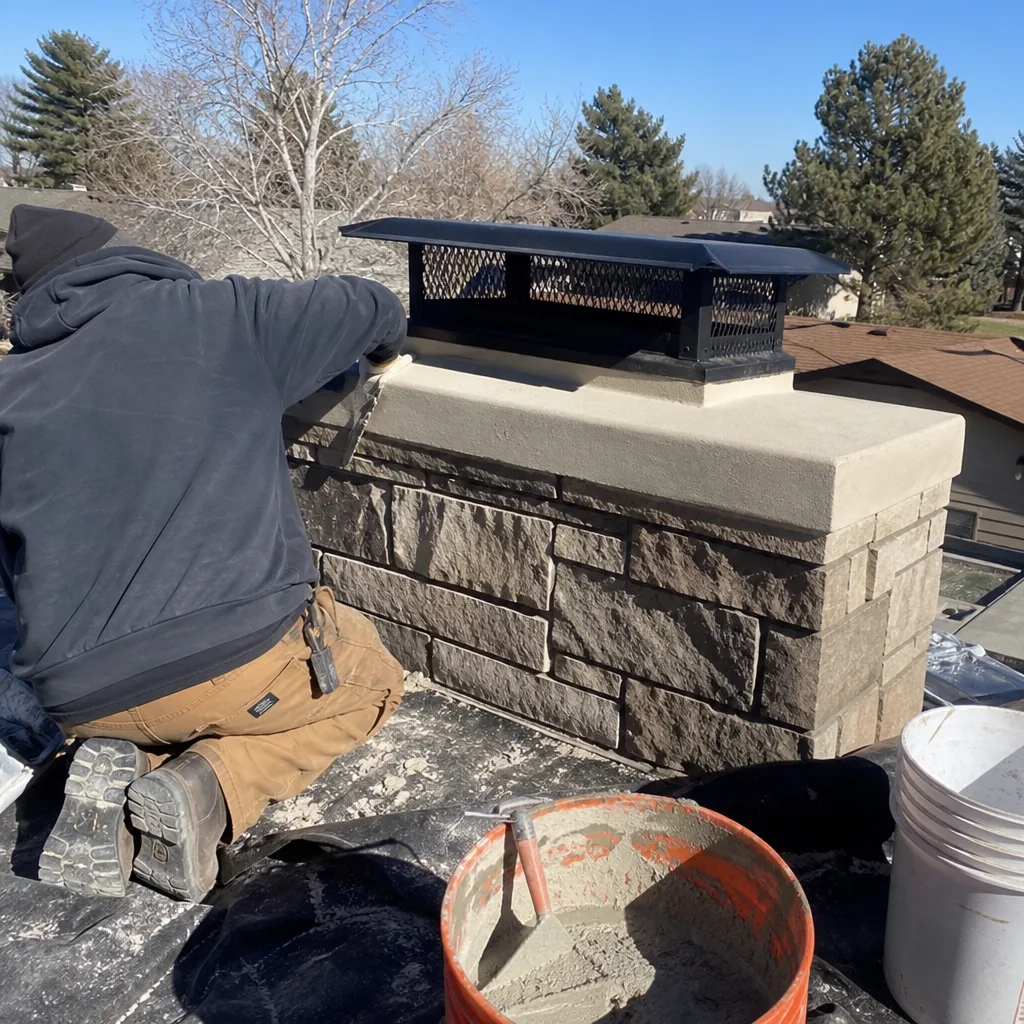
Level 1 sweep and inspection to the NFPA 211 annual standard - flue, crown, cap, and flashing checked and photographed
Chimney sweep logs do not sweep chimneys. They loosen some creosote - which then falls where a brush and vacuum still have to collect it.
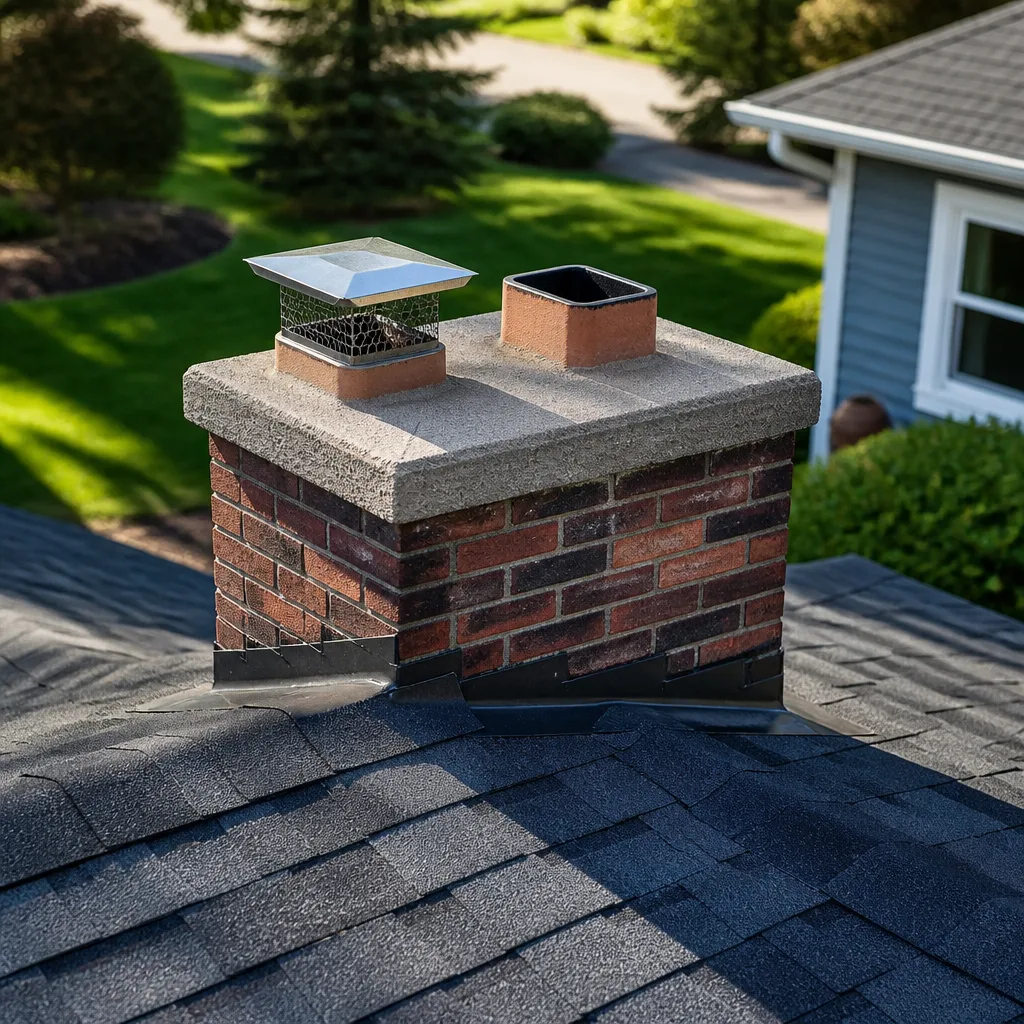
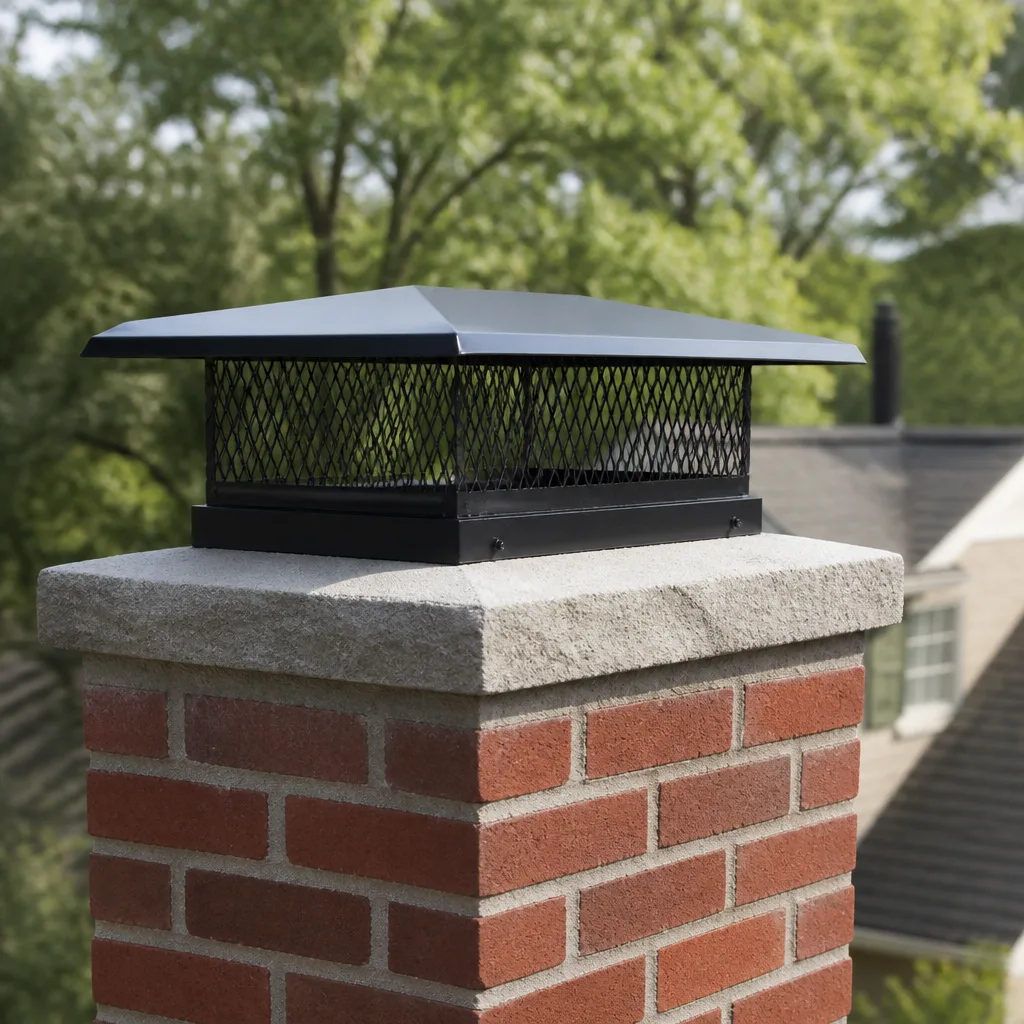
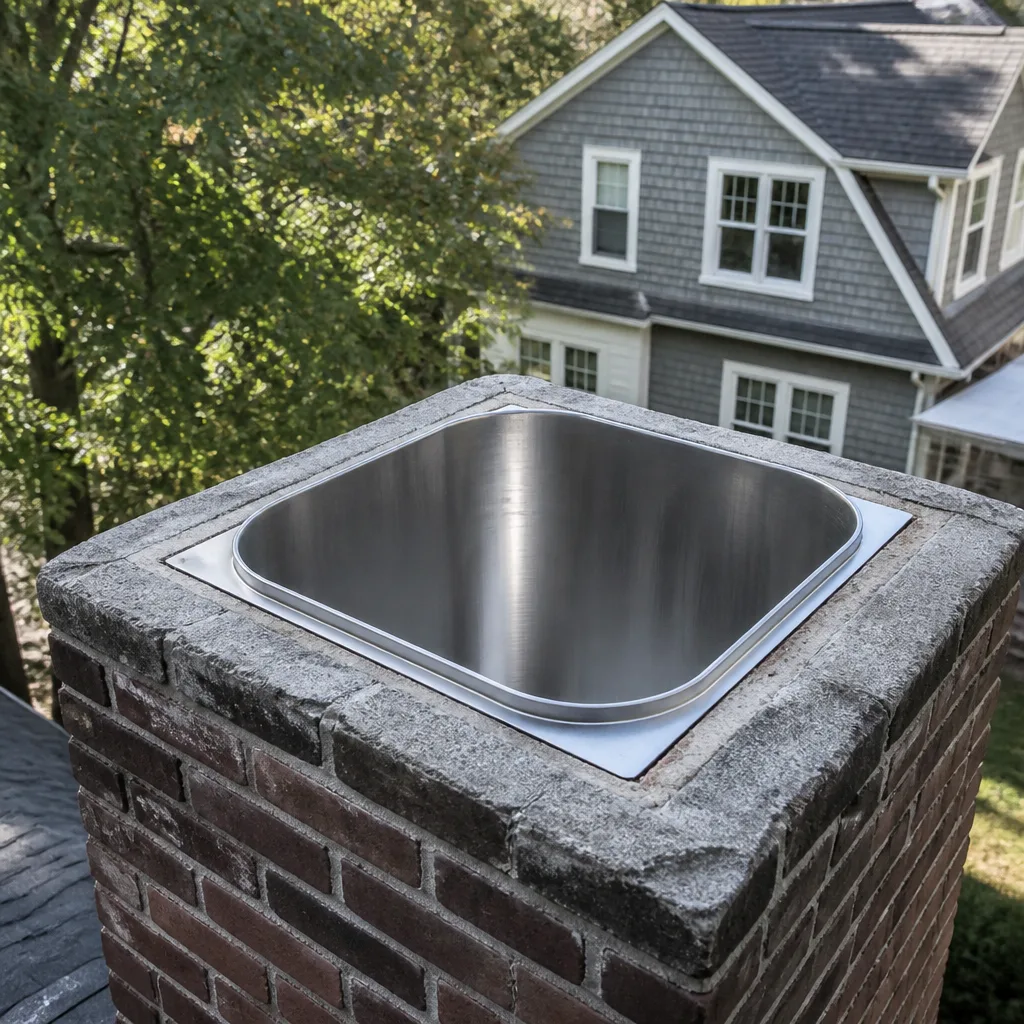
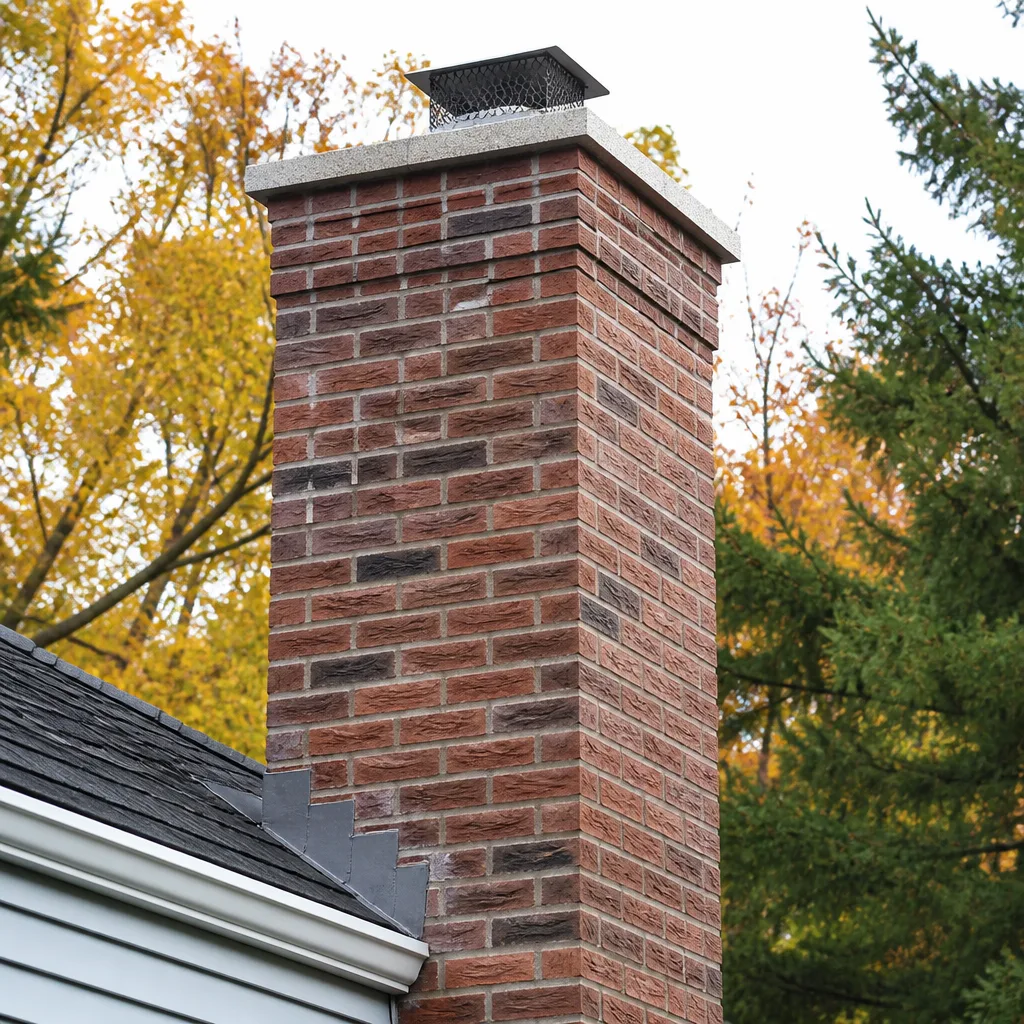
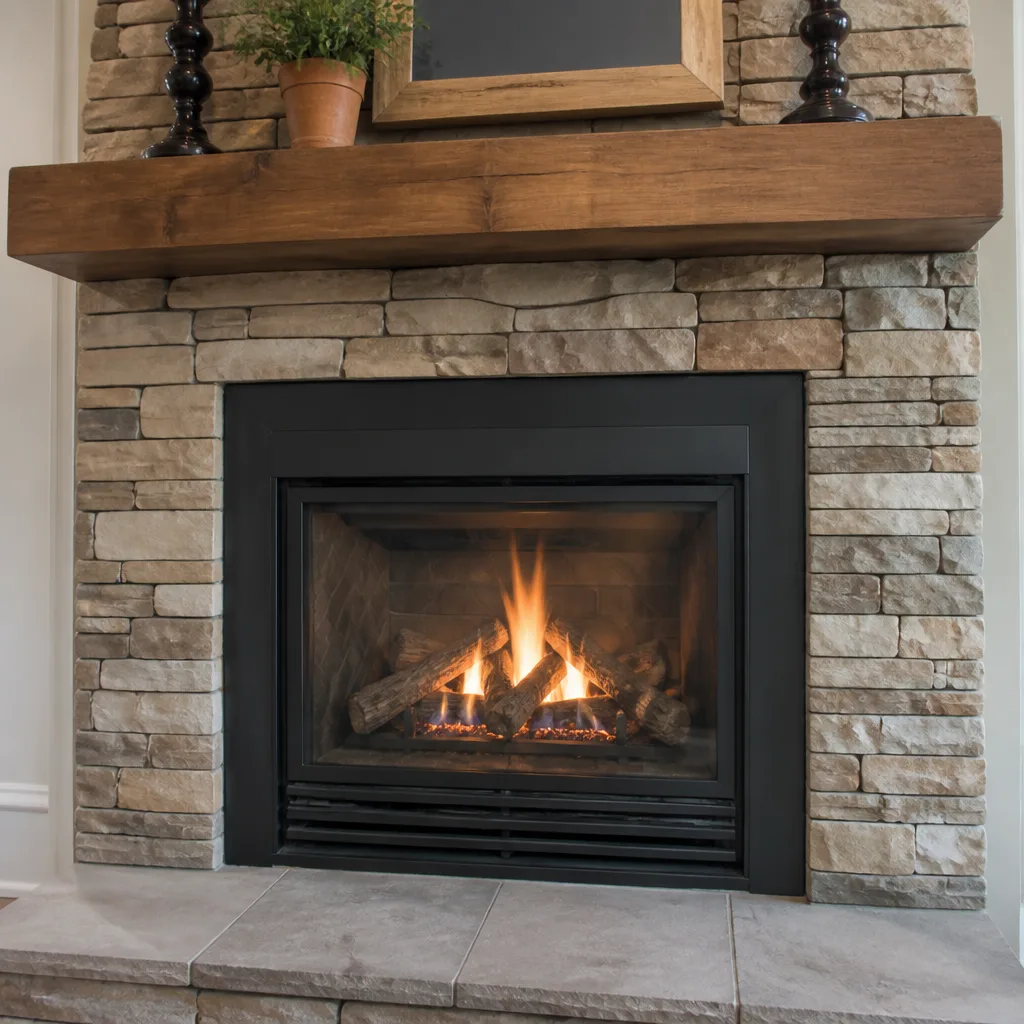
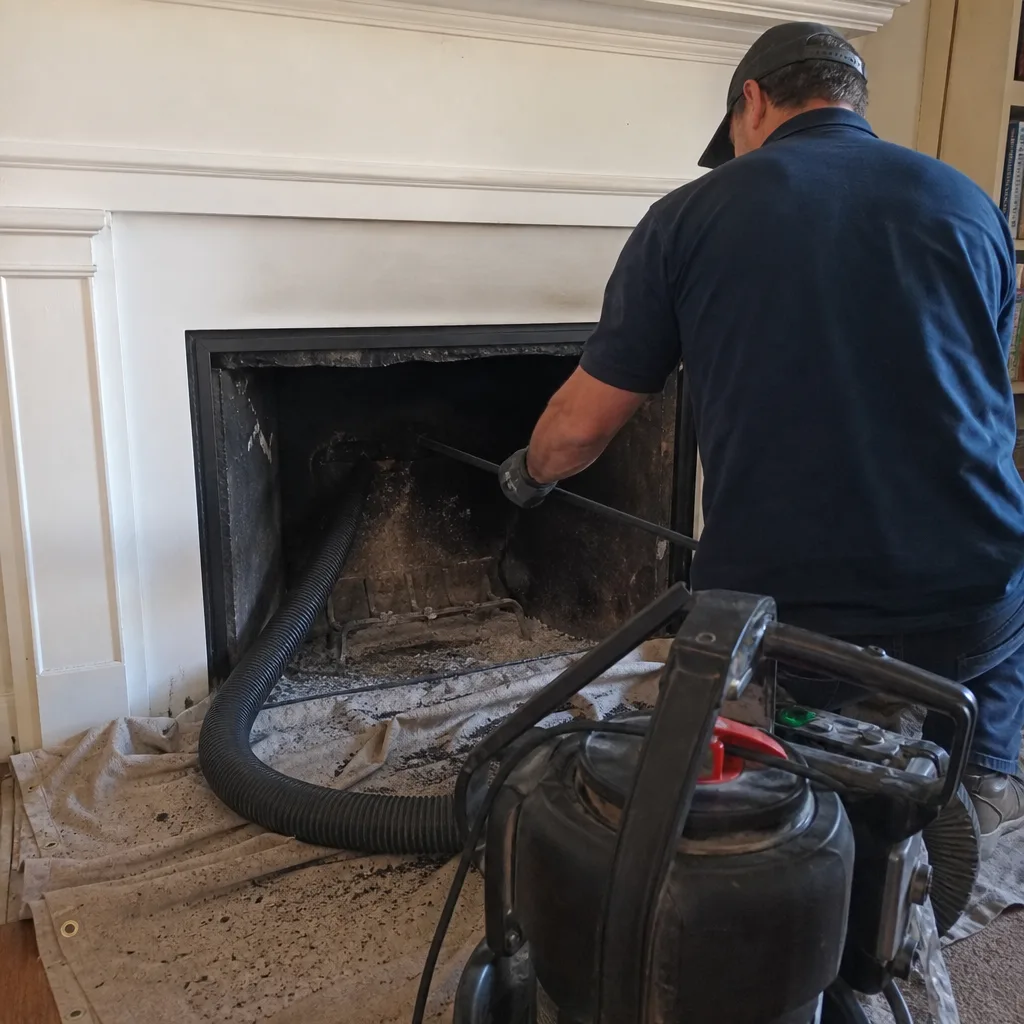 Before
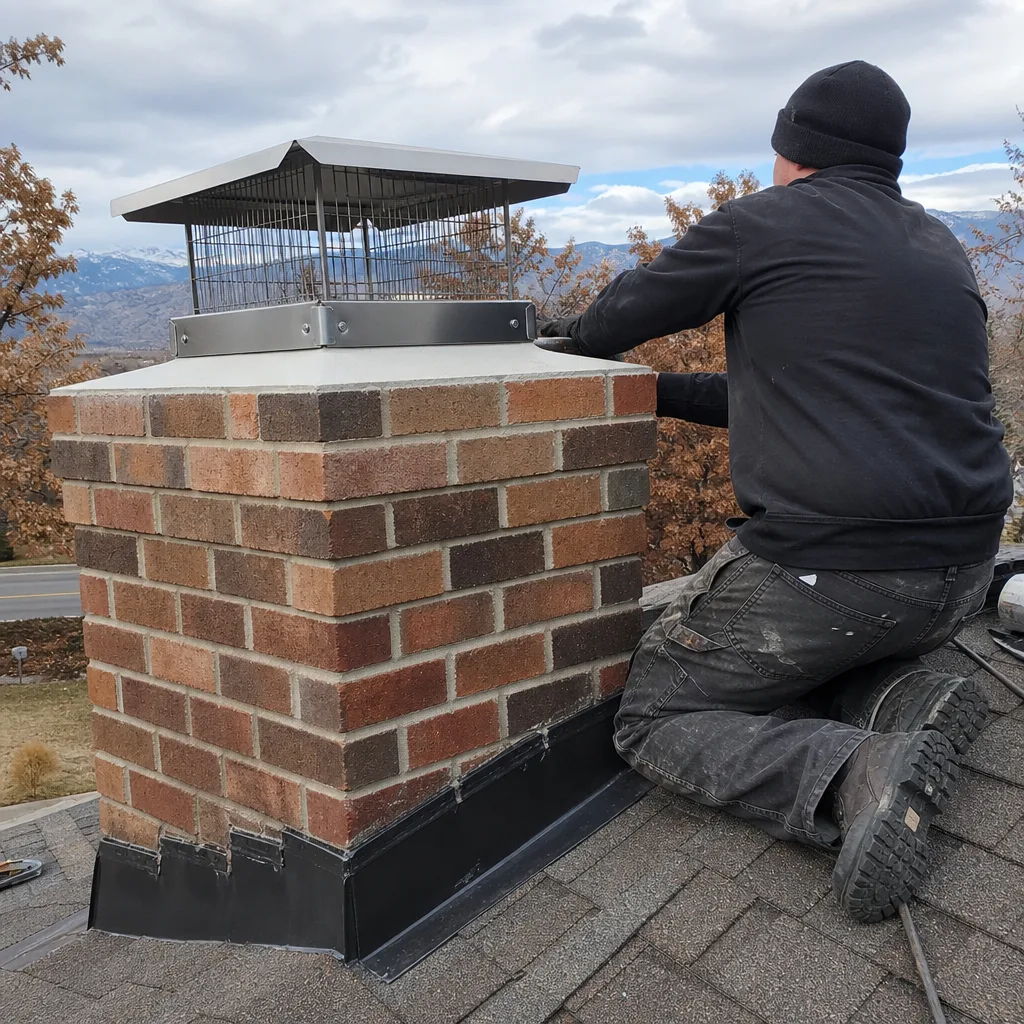 After
After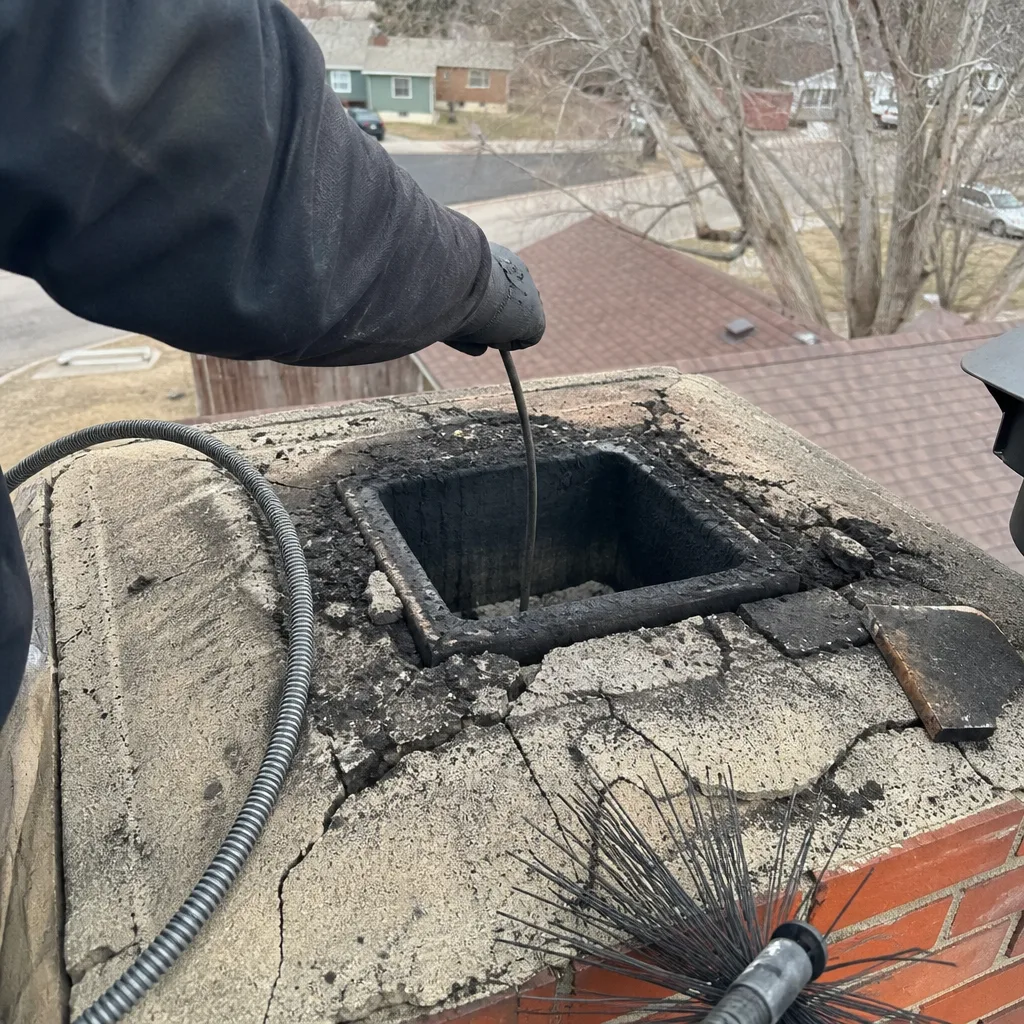 Before
 After
After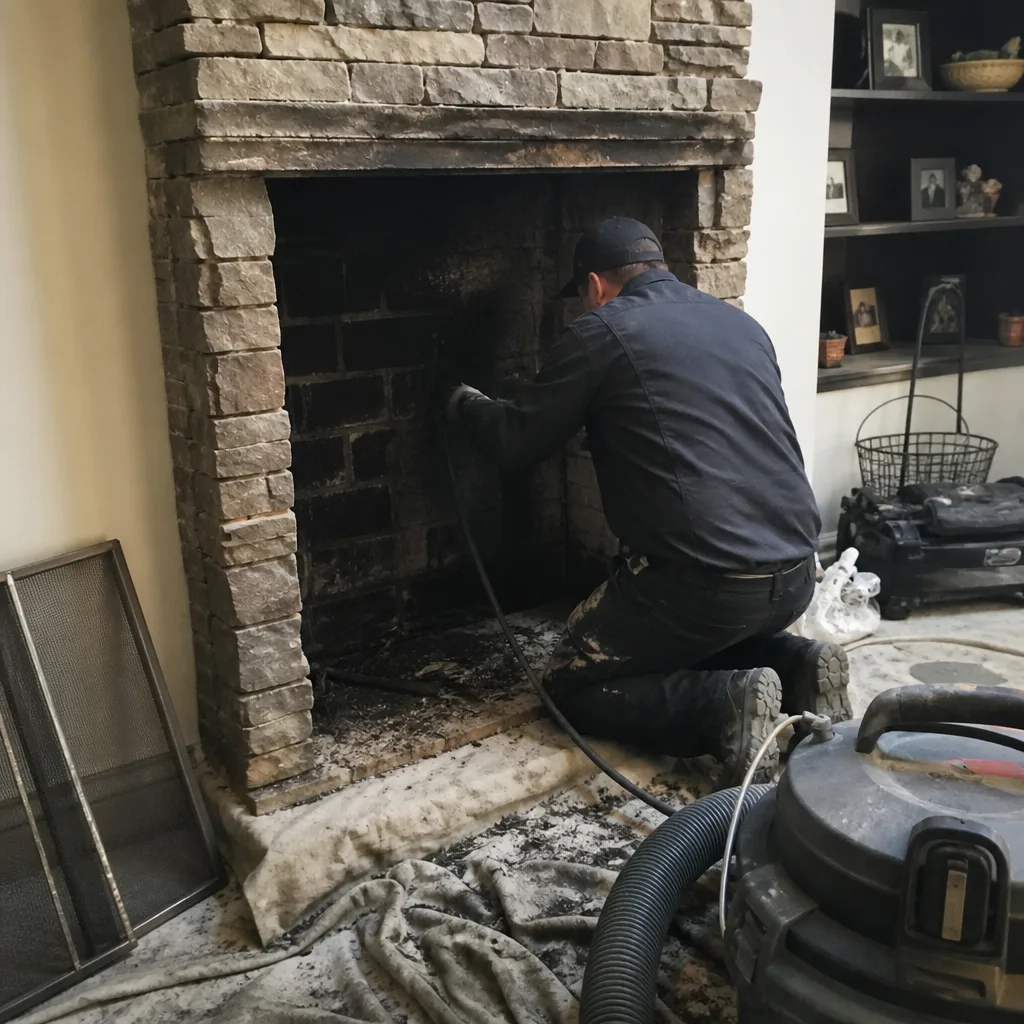 Before
 After
AfterChimney Cleaning Warning Signs: A Littleton Homeowner’s Reference Guide
A strong smoke smell in a Littleton living room on a warm spring day isn’t a draft issue - it’s often a cracked flue tile, and the homeowner has been sealing the fireplace all summer to avoid admitting it. We’ve seen this exact scenario dozens of times in Ken Caryl and Columbine Valley homes, where the symptom gets blamed on everything except the chimney. Most warning signs don’t announce themselves. They show up as something you write off as normal until a camera proves otherwise. This guide translates what you can observe into specific diagnoses, with what each symptom costs to ignore versus address, and points you to more guides & resources for ongoing chimney maintenance. You’ll learn which signs you can spot from the ground, which ones hide inside the flue, and what documentation you need when a warning sign turns into a repair.
Quick Answer
The most common chimney warning signs in Littleton homes are persistent smoke odor (especially in warm weather), visible staining on interior walls or exterior masonry, slow draft or smoke rollout into the room, white or green efflorescence on the chimney face, and unusual sounds during heating. These symptoms typically indicate creosote buildup, flue liner damage, crown or cap failure, or structural deterioration - conditions that a Level 2 camera inspection can confirm before they become safety hazards requiring full rebuilds. For a deeper look at maintenance decisions, see DIY vs Professional Chimney Cleaning: The Littleton Homeowner’s Decision Guide.
Table of Contents
- Persistent Smoke Odor: The Warning Sign Most Homeowners Ignore
- Slow Draft and Smoke Rollout: When Fire Won’t Behave
- Visible Staining: Telling Cosmetic from Structural
- Sounds from the Chimney: What Clicking, Popping, or Rushing Air Means
- Gas Insert and Prefab Fireplace Warning Signs
- What Only a Camera Finds (And Why It Matters More)
- What Each Warning Sign Costs to Ignore vs. Address
- The Documentation You Need Before and After Repair
 Before
 After
AfterPersistent Smoke Odor: The Warning Sign Most Homeowners Ignore
Smoke odor that lingers in a Littleton home during spring and summer is the single most misdiagnosed chimney warning sign we encounter. Homeowners blame it on humidity, old carpet, or the house being closed up. In our experience inspecting chimneys across Littleton, from Historic Downtown to the newer builds in Sterling Ranch, that warm-weather smell almost always traces back to one of three documented causes.
Cause 1: Cracked or shifted flue tiles. When a flue tile cracks, combustion gases seep into the chimney’s surrounding structure instead of exiting through the top. In summer, when the house is warmer than the flue, those trapped gases migrate back into living spaces. The odor is faint, musty, and distinctly smoky - not the sharp smell of active fire, but the stale residue of hundreds of past burns. A camera inspection reveals the crack location and whether it’s a single tile or a pattern indicating structural settling.
Cause 2: Class III glazed creosote buildup. This hardened, tar-like deposit doesn’t smell much during active burning because the heat drives odors upward. When the chimney cools for weeks, the volatile compounds in glazed creosote off-gas into the home. Littleton’s freeze-thaw cycles accelerate this: moisture penetrates the deposit, then evaporates in warm weather, carrying odor with it. Class III creosote requires mechanical removal - rotary chains or chemical treatment - not standard brushing.
Cause 3: Negative pressure from modern home sealing. Littleton homes built or extensively renovated since 2015 tend toward tight envelopes - excellent for energy efficiency, problematic for chimney draft. When HVAC systems, range hoods, or dryer vents exhaust more air than makeup air allows, the chimney becomes a path of least resistance. Odor isn’t the only symptom; it’s often accompanied by difficulty starting fires or smoke spillage when the furnace kicks on.
What to check before calling: Note whether the odor intensifies on windy days, when the furnace runs, or after rain. These patterns help us target the inspection. What not to do: Don’t seal the fireplace permanently without understanding why it’s smelling. We’ve opened sealed fireplaces in Littleton homes to find deteriorated liners that had been venting into wall cavities for two or more years.
Slow Draft and Smoke Rollout: When Fire Won’t Behave
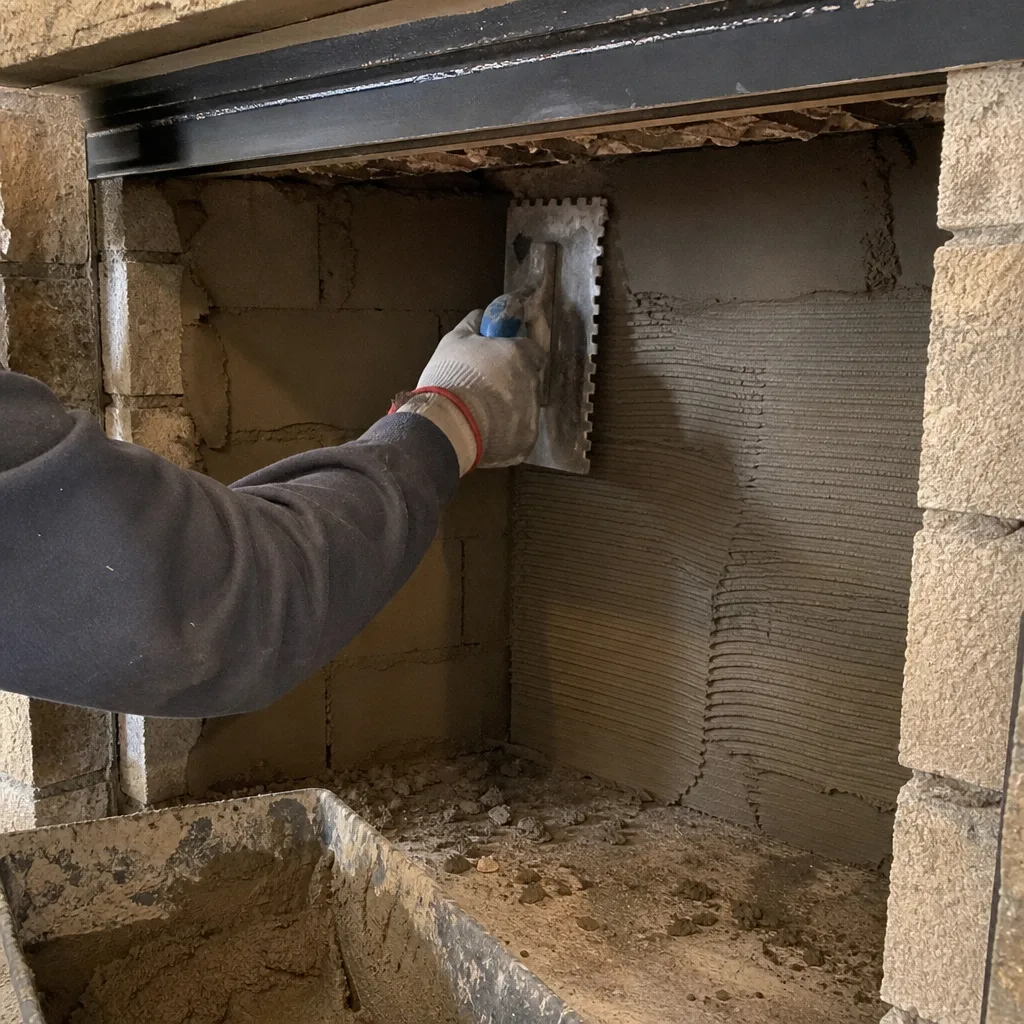
A fire that sends smoke into the room instead of up the flue isn’t always operator error. In Littleton’s variable elevation - from roughly 5,300 feet downtown to 6,000-plus in foothill neighborhoods - draft behavior differs significantly from sea-level assumptions. Here’s how to distinguish normal altitude adjustment from genuine warning signs.
Normal at altitude: Fires in Littleton need more kindling, smaller initial fuel loads, and longer pre-heating of the flue with rolled newspaper or a propane starter. A brief puff of smoke on lighting, quickly correcting itself, is typical.
Warning sign: Smoke that continues rolling out after the fire is established, or that worsens as the fire grows hotter. This indicates one of several conditions:
- Flue obstruction. Bird nests, particularly from non-migratory species that occupy Littleton chimneys year-round, can partially block the flue while allowing some draft. The obstruction acts like a throttle - enough flow for a small fire, insufficient for a full burn. A camera inspection shows the blockage location and whether removal requires simple sweeping or animal extraction protocols.
- Liner sizing mismatch. When a fireplace opening exceeds the flue liner capacity by more than a 10:1 ratio (common in 1970s-1980s Littleton homes with modified fireplaces), the flue can’t handle the volume. The fix is either a stainless steel liner sized to the appliance or a smoke guard to reduce the opening.
- Thermal reversal from exterior chimney exposure. Chimneys on Littleton’s north-facing walls, or those extending above the roofline without proper insulation, can remain cold enough to reverse draft until actively pre-heated. If your chimney requires 15+ minutes of pre-heating every time, the configuration is the warning sign - not your technique.
- Crown or cap deterioration allowing water intrusion. Water in the flue liner evaporates during firing, creating steam that competes with smoke for upward path. This produces a distinctive “wet fire” smell and visible moisture on interior firebox walls.
Document what you observe: time from lighting to smoke spillage, whether it improves or worsens as fire intensifies, and whether the problem is seasonal. This history shortens our diagnostic time and focuses the camera inspection on likely causes.
Visible Staining: Telling Cosmetic from Structural
Staining on chimney-related surfaces falls into two categories with radically different implications. Learning to distinguish them from ground level - without climbing - can save a Littleton homeowner from either unnecessary alarm or delayed action.
Cosmetic: Efflorescence and surface deposits
White, powdery deposits on exterior brick indicate soluble salts migrating through the masonry as moisture evaporates. In Littleton’s semi-arid climate, efflorescence is common on chimneys with minor cap leaks or wind-driven rain exposure. It’s unsightly, not structurally urgent, and typically resolves with cap repair and gentle brushing.
Green or black surface staining on the chimney face usually indicates algae or soot deposition from cap overflow during heavy snowmelt. Again, cosmetic - addressed with cleaning and cap evaluation.
Structural: Spalling, failed mortar, and interior damage
Spalling - brick faces that flake, pop, or crumble - is never cosmetic. It indicates freeze-thaw damage: moisture penetrates the brick, freezes, expands, and fractures the surface. Littleton’s temperature swings from 60°F afternoons to 20°F nights in shoulder seasons make this particularly aggressive. Spalling bricks have lost their protective “fire skin” and will continue deteriorating until replaced. Left unaddressed, the structural integrity of the chimney stack degrades.
Interior wall staining - brown or yellow discoloration on drywall near the chimney chase - indicates active water intrusion past the flashing or through deteriorated crown. This is urgent: water in wall cavities damages framing, insulation, and creates mold conditions. The stain location tells us where to look: ceiling stains near the chimney typically mean flashing failure; wall stains extending downward suggest crown or chase cover leaks.
Ground-level inspection checklist:
- Stand 20 feet back and scan the chimney face with binoculars. Look for bricks with rounded, eroded edges or missing corners - early spalling.
- Check the mortar joints between bricks. If you can fit a pencil tip into gaps, or if mortar has receded below the brick edges (called “tuckpointing needed”), water penetration is accelerated.
- Examine the chimney crown - the concrete or mortar cap sealing the top. Hairline cracks are normal; cracks wider than a nickel, or separation from the flue tile, allow direct water entry.
- Look for rust streaks on the chimney face below metal components. Rust indicates cap or chase cover deterioration that will worsen.
When we document staining during a Chimney Cleaning & Sweep in Littleton, we photograph each finding with context: distance markers, surrounding conditions, and whether the stain is active (wet, growing) or historic (dry, stable). Clause 4 of the Haven Standard requires this photo record on every job - it becomes your baseline for tracking change.
Sounds from the Chimney: What Clicking, Popping, or Rushing Air Means
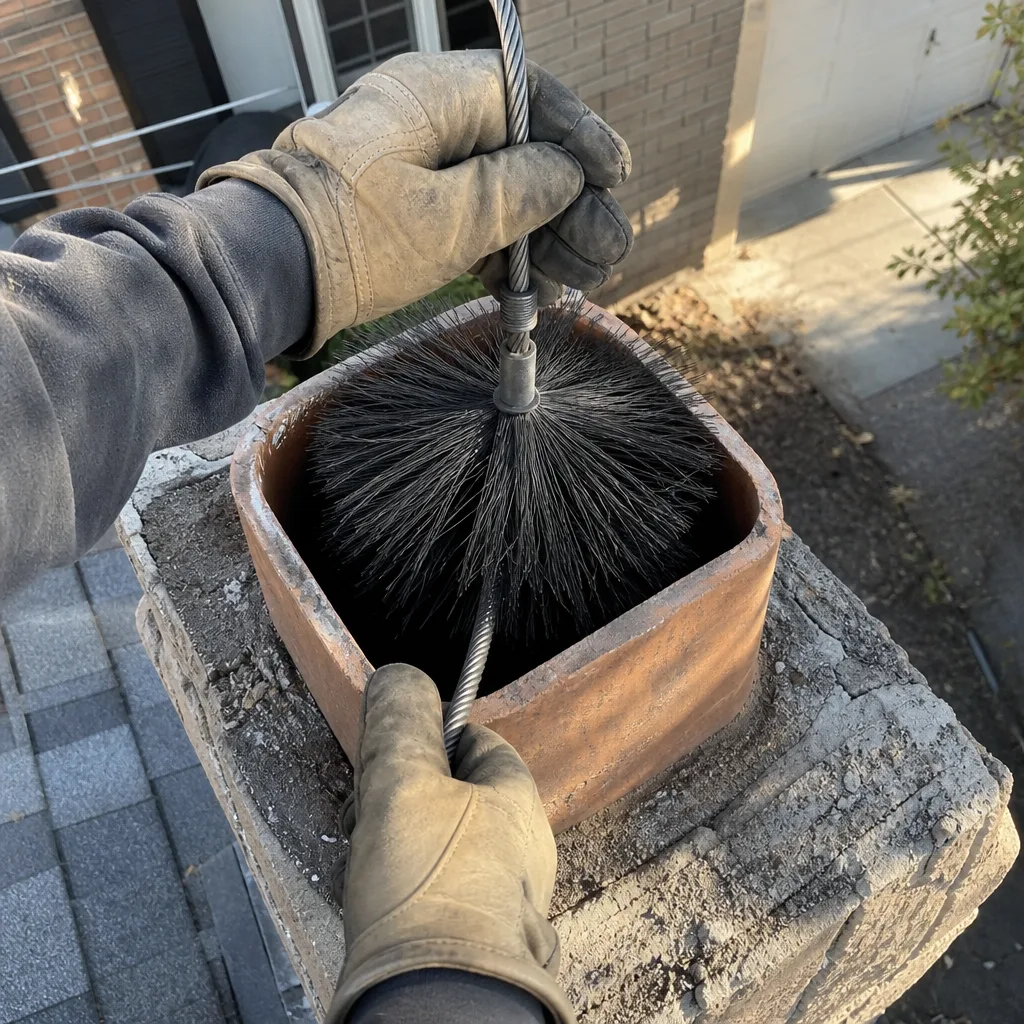
Chimneys aren’t silent systems. Normal operation produces some sound: wind across the cap, occasional thermal expansion ticks as the flue heats and cools. But several sounds are specific warning signs with identifiable causes.
Clicking or chirping during non-burning periods: This is almost always wildlife. In Littleton, chimney swifts, house sparrows, and occasionally raccoons establish residence. The critical distinction is timing: active animal presence requires humane extraction protocols before any sweeping or inspection can proceed. We coordinate with wildlife handlers when needed, then install proper screening to prevent recurrence.
Popping or cracking during firing: Water trapped in masonry or liner cracks flashes to steam under heat, creating sharp reports. This is a significant warning sign - it means water has penetrated deeply enough to reach heated surfaces. The underlying cause (crown failure, liner breach, or exterior spalling allowing saturation) needs immediate camera inspection. We’ve documented cases in Littleton’s older Ken Caryl Ranch homes where this symptom preceded liner collapse within a single burning season.
Rushing air or wind whistle: A sudden increase in wind noise often indicates cap loss or severe damage. The cap serves as a wind baffle; without it, the flue becomes a straight pipe that amplifies airflow. More critically, the missing cap allows direct rain and debris entry. After wind events in Littleton - common along the Front Range - we always recommend a visual check from ground level.
Dull rumbling or roaring with poor draft: This can indicate a partially obstructed flue creating turbulent flow, or in severe cases, a chimney fire in progress. A chimney fire sounds like a freight train or low-flying aircraft, accompanied by dense smoke and visible flame at the cap. If you suspect this, exit the home and call emergency services. After the fire department clears the scene, a Level 2 inspection is mandatory before any future use - the thermal shock cracks liners and damages masonry in ways not visible without camera documentation.
Gas Insert and Prefab Fireplace Warning Signs
Gas fireplace warning signs differ substantially from wood-burning symptoms, and most online checklists omit them entirely. Littleton’s housing stock includes thousands of prefab fireplaces and retrofitted gas inserts - in condos near Downtown, townhomes in Willow Creek, and ranch homes throughout the metro area. These systems have their own failure modes.
Soot on interior glass or surrounding walls: Properly burning natural gas produces minimal particulate. Soot accumulation indicates incomplete combustion - often from burner port obstruction, incorrect gas pressure, or venting compromise. The danger isn’t just cleanliness: incomplete combustion produces carbon monoxide. This symptom requires immediate professional evaluation, not DIY cleaning.
Condensation on interior glass during operation: Some moisture is normal on startup, but persistent condensation indicates flue gas cooling before exit - typically from liner undersizing, excessive exterior exposure, or blocked vent termination. The moisture is acidic and will deteriorate firebox components.
Delayed ignition or “hard start”: When a gas insert clicks repeatedly before lighting, or produces a small explosion on ignition, the burner or pilot assembly needs service. But also inspect the venting: restricted airflow can alter the fuel-air mixture enough to cause delayed ignition. This is a safety issue - the small explosions stress the firebox and can crack refractory panels.
Discoloration of surrounding walls or mantel: Heat staining above or beside a prefab fireplace indicates over-firing - the unit is producing more heat than its clearances allow. This is common when homeowners install “vent-free” logs in units not rated for them, or when blowers fail and users compensate with longer burn times. The wall damage is cosmetic; the underlying risk is ignition of adjacent combustibles.
Remote or switch malfunctions: Intermittent operation often gets blamed on batteries or wiring. In our Littleton inspections, we’ve traced many such issues to millivolt thermopile degradation caused by draft problems - the pilot flame isn’t steady enough to generate consistent voltage. The root cause is venting, not the control system.
Gas systems require specialized inspection protocols. We check gas pressure with a manometer, test spillage with a draft gauge, and verify venting with a smoke pencil - tools and techniques distinct from wood-burning evaluation. Fireplace Services in Littleton covers the full scope of gas system inspection and repair.
What Only a Camera Finds (And Why It Matters More)
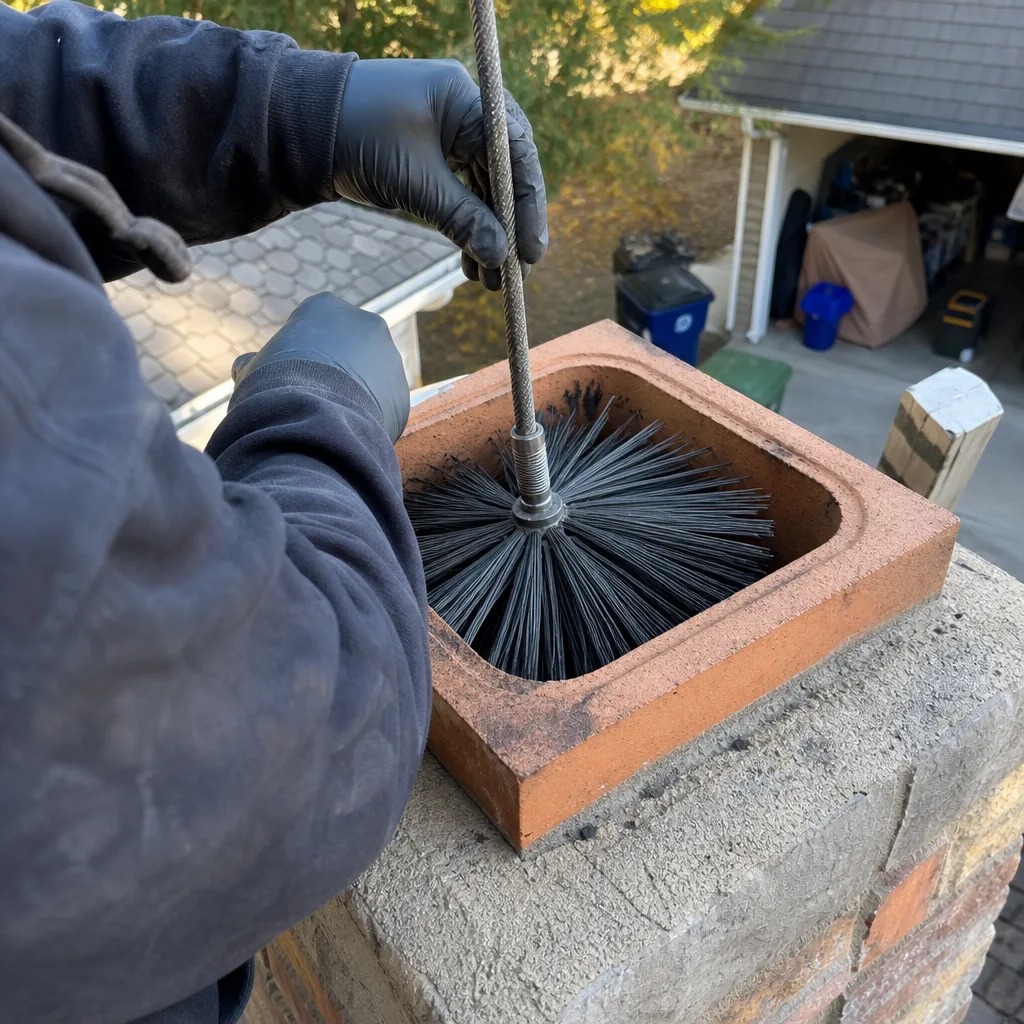
The warning signs above are observable. But the most expensive chimney problems hide where no homeowner can see them - inside the flue, above the smoke chamber, in the attic clearances around the chimney chase. This is why NFPA 211 specifies Level 2 inspection (camera scan of all accessible flue surfaces) for real estate transactions, after chimney fires, and when any warning sign is present.
Here’s what we’ve found in Littleton homes where exterior inspection showed nothing wrong:
- Shaling flue tiles. Thin, curved fragments of tile accumulate at the smoke chamber base - evidence that the flue liner is delaminating from thermal stress or original manufacturing defect. The chimney appears sound from outside; inside, it’s shedding protective layers with every fire. Left undetected, this progresses to full liner collapse.
- Hidden fire damage. A previous homeowner’s chimney fire, never disclosed, left thermal cracks in liner tiles that are invisible from the firebox but clear on camera. The new owner burns normally, unaware that gases are escaping through cracks into the chimney structure.
- Improper clearances to combustibles. In attic spaces, framing members sometimes contact or nearly contact the chimney chase - a code violation from original construction or subsequent renovation. No warning sign appears until a hot day or over-firing brings the surface to ignition temperature. Camera inspection from the top, combined with attic access, documents this condition.
- Factory-built chimney deterioration. Prefab chimney systems (common in 1980s-1990s Littleton construction) use double-wall or triple-wall metal pipe. The inner liner can corrode or separate from the outer wall, creating a path for exhaust gases into the chase. Only a camera pushed through the full length reveals this; exterior inspection shows intact-looking pipe.
The cost differential is stark. Catching shaling tiles early allows partial liner repair with HeatShield cerfractory foam or a stainless steel insert - typically $1,800-$3,400 in the Littleton market. Missing it until collapse requires full chimney rebuild or extensive relining, often $6,000-$12,000. The camera inspection that finds it early is included standard on every Level Two Chimney Co. visit - Clause 4 of the Haven Standard, practiced continuously since 2009.
What Each Warning Sign Costs to Ignore vs. Address
We don’t provide estimates without inspection - every chimney’s condition is specific. But we can share the typical cost ranges we see in Littleton for addressing warning signs at different stages, based on 38,000-plus inspections since 2009.
| Warning Sign | Early Addressed | If Ignored (Typical Progression) |
|---|---|---|
| Persistent smoke odor from cracked flue tile | Partial relining or repair: $1,800-$3,200 | Full liner replacement + masonry repair: $4,500-$8,500 |
| Class III glazed creosote | Mechanical removal + standard sweep: $400-$700 | Chimney fire damage + liner replacement: $5,000-$12,000 |
| Crown cracks with minor water entry | Crown seal or rebuild: $350-$1,200 | Spalling repair + flashing + interior damage: $3,000-$7,000 |
| Efflorescence (cosmetic, no structural damage) | Cap repair + cleaning: $200-$500 | Not applicable if caught early |
| Spalling brick (early stage, limited area) | Tuckpointing + brick replacement: $1,500-$3,500 | Partial or full rebuild: $6,000-$15,000+ |
| Gas insert sooting (incomplete combustion) | Burner service + vent adjustment: $300-$600 | CO exposure event + firebox replacement: $2,500-$5,500 |
| Missing or damaged chimney cap | Stainless steel cap installation: $250-$550 | Water damage + animal entry + liner deterioration: $2,000-$6,000 |
These ranges reflect Littleton’s market specifically - material costs from our Haven buying network, labor rates for certified technicians, and the building code requirements of Arapahoe, Douglas, and Jefferson counties where Littleton extends. Every written quote we provide specifies the exact scope, materials (DuraFlex, HeatShield, Gelco, or other as appropriate), and warranty terms before any work begins - Haven Standard Clause 1.
The Documentation You Need Before and After Repair
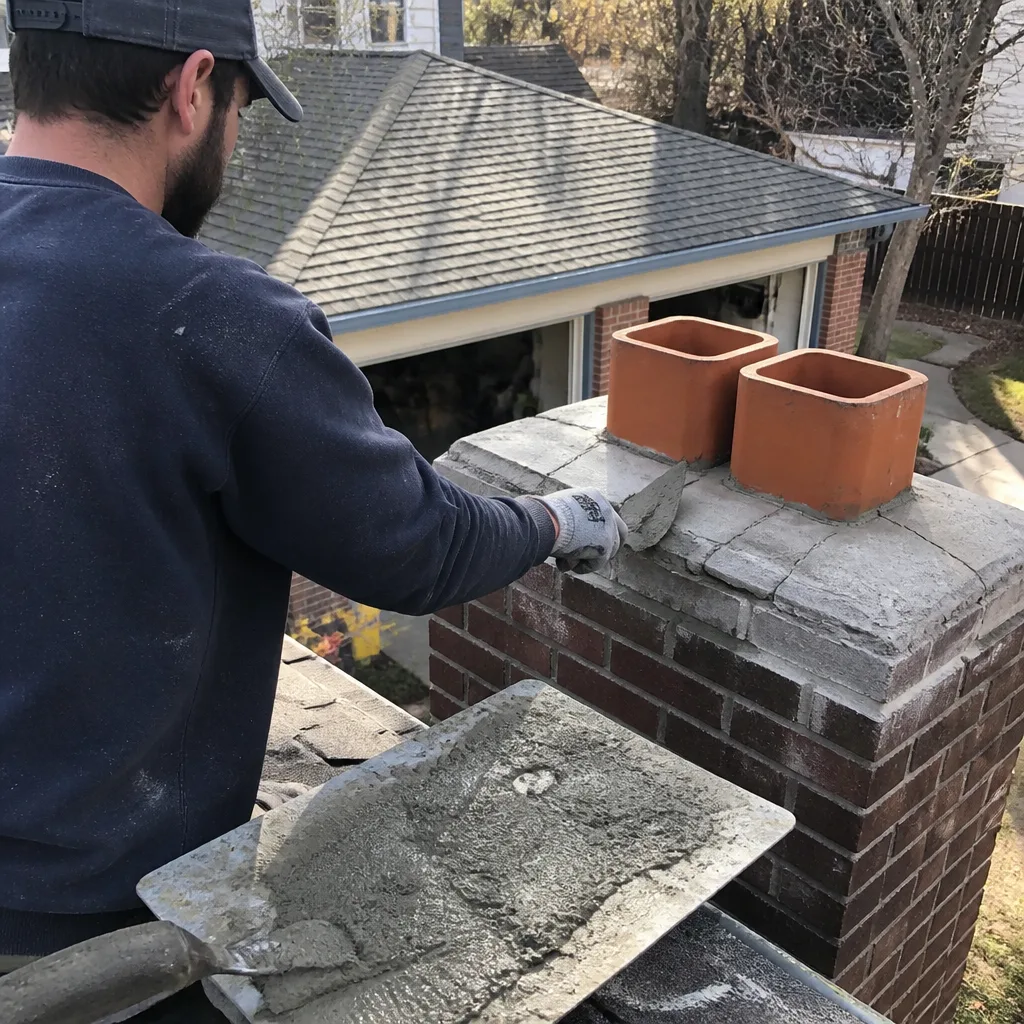
When a warning sign leads to repair, the documentation you receive determines whether you can verify the repair addressed the cause, not just the symptom. This matters for insurance claims, real estate disclosure, and your own peace of mind. Here’s what we deliver on every Level Two Chimney Co. job, and what you should expect from any provider.
Before work begins:
- Written scope and price. Not an estimate range - a fixed price for defined work. Haven Standard Clause 1 requires this in writing before any technician starts. If additional conditions are found during work, the technician stops, documents the finding, and presents a revised scope for your approval. No surprises.
- Photo or video record of the identified problem. You should see what the technician sees: the crack location, the creosote buildup, the spalling area. This is your evidence that the problem exists and matches the proposed repair.
- Material specification. What liner alloy (if relining), what crown material, what mortar mix. Generic descriptions (“stainless liner,” “new crown”) are insufficient. We specify DuraFlex 316Ti alloy for most relining, HeatShield cerfractory foam for smoke chamber parging, or other materials as the application demands.
After work is completed:
- Post-repair camera documentation. The same flue surfaces, photographed or video-recorded after repair. This proves the liner is continuous, the crown is sealed, the clearance is achieved. Clause 4 of the Haven Standard requires this record; it’s not optional.
- Written warranty with terms and conditions. Our 365-Day Done Right Promise covers workmanship and materials. The warranty document specifies what’s covered, for how long, and what maintenance is required to keep it valid.
- Maintenance schedule. Based on your burning habits, fuel type, and system condition, we recommend the next inspection date. For wood-burning systems in regular use, this is typically annual; for gas inserts, every 1-2 years; for rarely used decorative fireplaces, every 2-3 years with a check before any use.
Keep these records with your home maintenance files. They transfer to new owners and support insurance claims if damage occurs despite proper maintenance. We’ve had Littleton homeowners use decade-old inspection records to demonstrate due diligence in disputed claims.
If you’ve received a repair quote from another company and want verification, our Free Second Opinion service applies: bring us their written estimate, and we’ll inspect independently, show you what our camera finds, and quote our own fixed price. No charge for the second opinion, no obligation to use us.
Common Mistakes to Avoid
- Assuming no odor means no problem. Carbon monoxide is odorless. A properly functioning chimney can still have a cracked liner or blocked flue that vents CO into the home. Annual inspection with a CO detector test is the only reliable safeguard.
- Using the fireplace “just once” before inspection in a new home. In Littleton’s active real estate market, we’ve found dangerous conditions in homes that passed general inspection - general inspectors don’t camera-scan flues. Always get a Level 2 inspection before first use.
- DIY creosote removal with hardware store tools. Standard brushes don’t remove Class III glazed creosote. Attempting it can damage the liner and leaves the hazard in place. The tools for proper removal (rotary chains, specialized solvents) require training and protective equipment.
- Ignoring seasonal patterns. If a symptom only appears in spring, or only when the furnace runs, that’s diagnostic information - not a reason to dismiss it. Document the pattern and share it with your sweep.
- Accepting “it looks fine from here” as inspection. A flashlight look from the firebox, or a mirror on a stick, doesn’t meet NFPA 211 Level 2 standards and won’t find the conditions that become expensive problems. Demand camera documentation.
- Delaying cap replacement to “save money.” A $300 cap prevents thousands in water damage. In Littleton’s hail-prone, wind-exposed climate, this is particularly false economy.
- Neglecting gas insert maintenance because “it’s just gas.” Gas systems produce corrosive condensation, require precise venting, and can generate CO if combustion is compromised. They need specialized inspection on the same schedule as wood systems.
When to Call a Professional
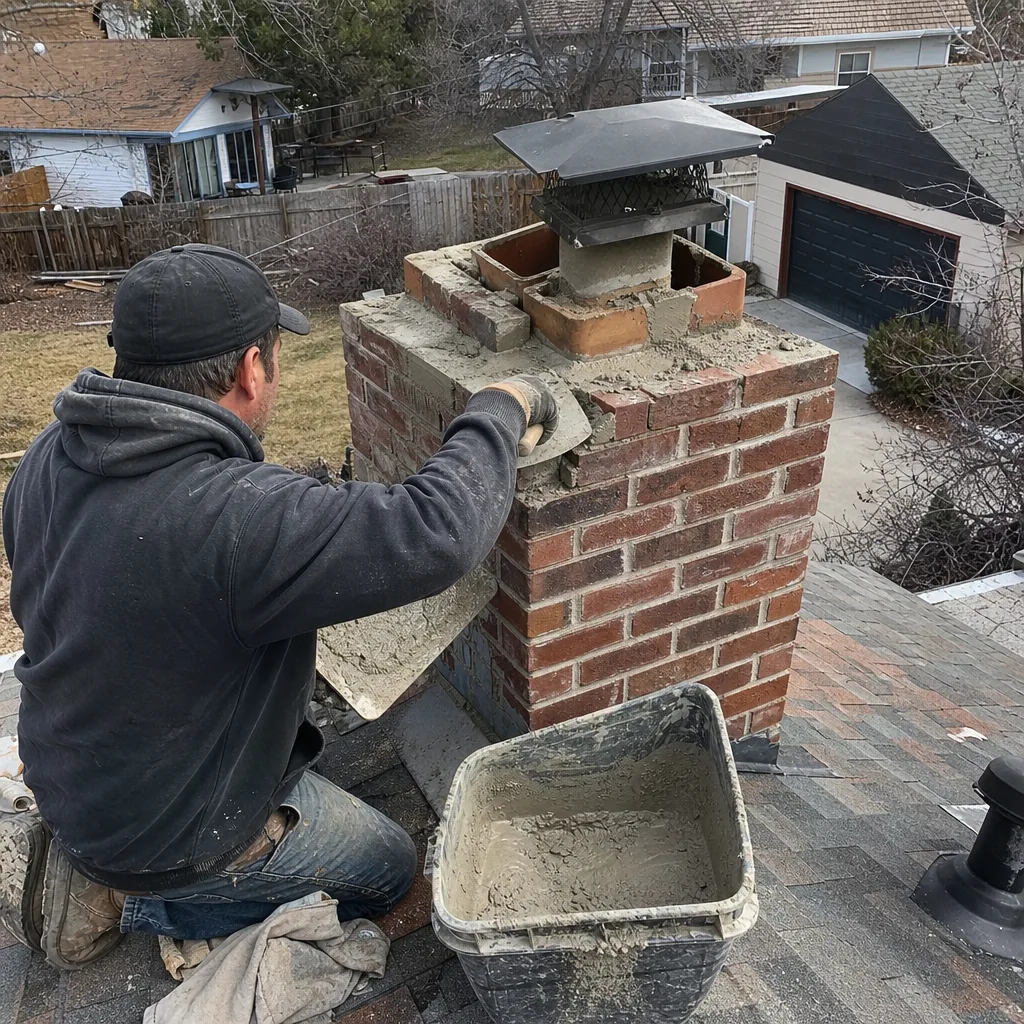
Call for inspection when any warning sign in this guide appears - don’t wait for annual schedule if symptoms develop. Call immediately if you suspect a chimney fire, if your CO detector alarms, or if you notice sudden draft deterioration after a wind or seismic event. Chimney Repair in Littleton addresses structural issues; Level Two Chimney Littleton home service covers the full range of inspection, cleaning, and repair. Level Two Chimney Littleton offers free estimates in Littleton - call (720) 439-4666. A live person answers 24 hours a day, and we’ll schedule a Level 2 camera inspection with written pricing before any work begins.
Frequently Asked Questions
A standard chimney sweep and Level 2 inspection in Littleton typically ranges from $250 to $450, depending on system type, accessibility, and whether creosote removal requires specialized treatment. We provide a written fixed price before scheduling, not a range that changes on arrival. Call (720) 439-4666 for an exact quote - estimates are free.
Cracked flue tiles cannot be safely ignored. The flue liner contains combustion gases and protects surrounding structure from heat; cracks allow gas migration and create fire risks. Minor cracks sometimes allow HeatShield repair; more extensive damage requires stainless steel relining. We show you the camera footage and quote both options when repair is possible - no recommendation without evidence you can see.
Wood-burning systems in regular use need annual sweeping and inspection. Occasional users can extend to every two years with a pre-season inspection. Gas systems need inspection every 1-2 years depending on use. Littleton’s altitude and temperature swings make proper draft function particularly important - don’t skip inspections based on visual appearance alone.
Skipped maintenance leads to creosote accumulation, which increases chimney fire risk and can reach concentrations requiring expensive mechanical removal. Water intrusion from neglected caps or crowns causes structural deterioration that progresses from minor repair to full rebuild. The most dangerous outcome is undetected liner damage venting CO into living spaces - undetectable without inspection, potentially fatal without warning. Call (720) 439-4666 to schedule before burning season.
Homeowners can and should perform ground-level visual checks for cap condition, exterior staining, and obvious damage. But the critical warning signs - cracked liners, hidden fire damage, clearance violations - require a camera scan and trained interpretation. NFPA 211 Level 2 inspection is the standard for a reason; we haven’t found a DIY substitute in 38,000 inspections.
Warm-weather odor typically indicates a cracked flue tile or significant creosote buildup. In summer, the house is warmer than the flue, reversing the pressure differential that normally draws gases upward. Odors trapped in the chimney structure migrate into living spaces. The pattern is so consistent in Littleton homes that we consider it a reliable indicator of liner condition - one that camera inspection confirms or rules out quickly.
The Bottom Line
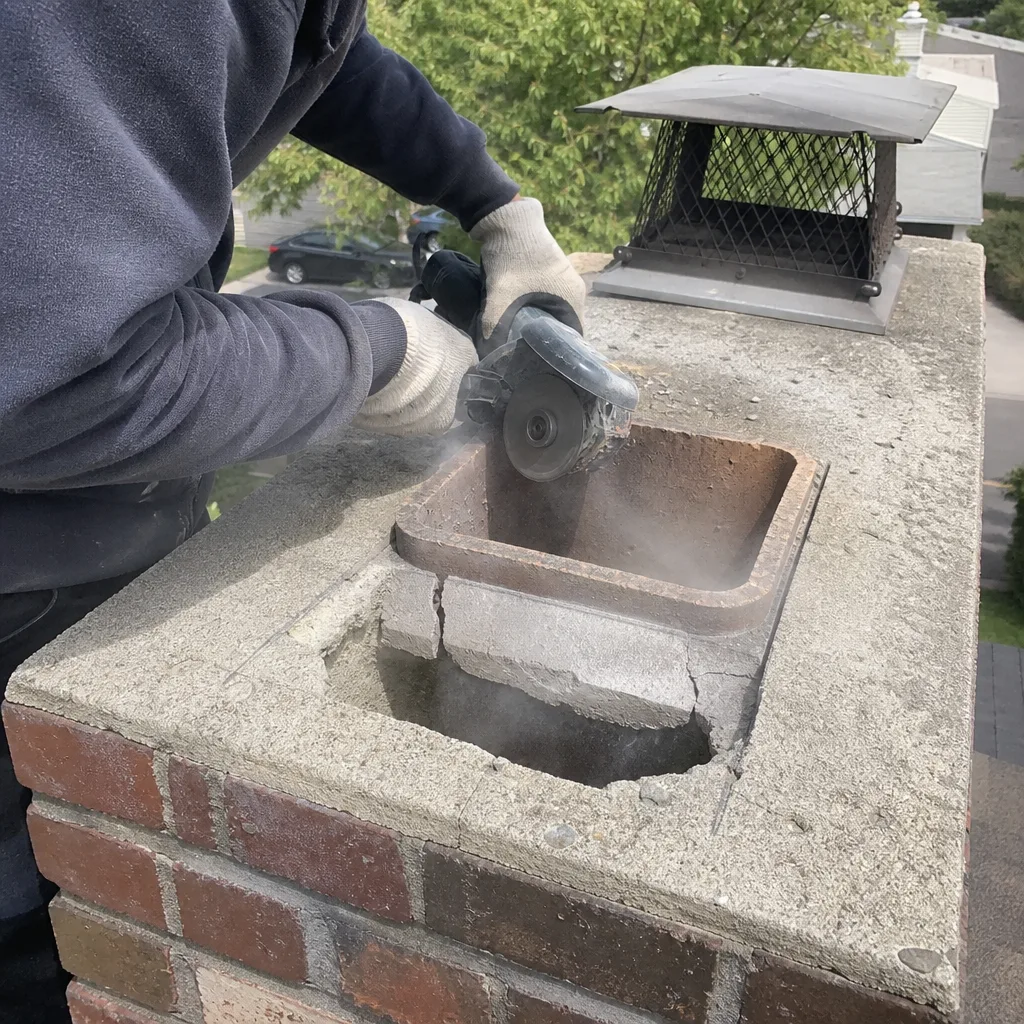
Chimney warning signs in Littleton homes rarely announce themselves as chimney problems. Smoke odor becomes “the house”; slow draft becomes “altitude”; staining becomes “age.” The translation from symptom to specific diagnosis requires observation, pattern recognition, and camera documentation. Addressing warning signs early - with written scope, fixed price, and photo record - keeps repair costs in the hundreds or low thousands. Ignoring them, or accepting surface-level explanations, risks the safety hazards and major expenses that proper inspection prevents. The 38,000 chimneys we’ve documented since 2009 share a common thread: the homeowners who called at the first warning sign never regretted it.
Ready for a Level 2 inspection with camera documentation and written pricing before any work begins? Call Level Two Chimney Littleton at (720) 439-4666. A live person answers 24 hours a day, and we’ll schedule your appointment with a background-checked, uniformed technician who arrives with license verification and a text when en route. Every job includes the documented photo record required by Clause 4 of the Haven Standard, backed by our 365-Day Done Right Promise.
Written by Corrine Halstead, Owner at Level Two Chimney Littleton, serving Littleton since 2009.