
Last updated September 22, 2026
Level 1 sweep and inspection to the NFPA 211 annual standard - flue, crown, cap, and flashing checked and photographed
Chimney sweep logs do not sweep chimneys. They loosen some creosote - which then falls where a brush and vacuum still have to collect it.
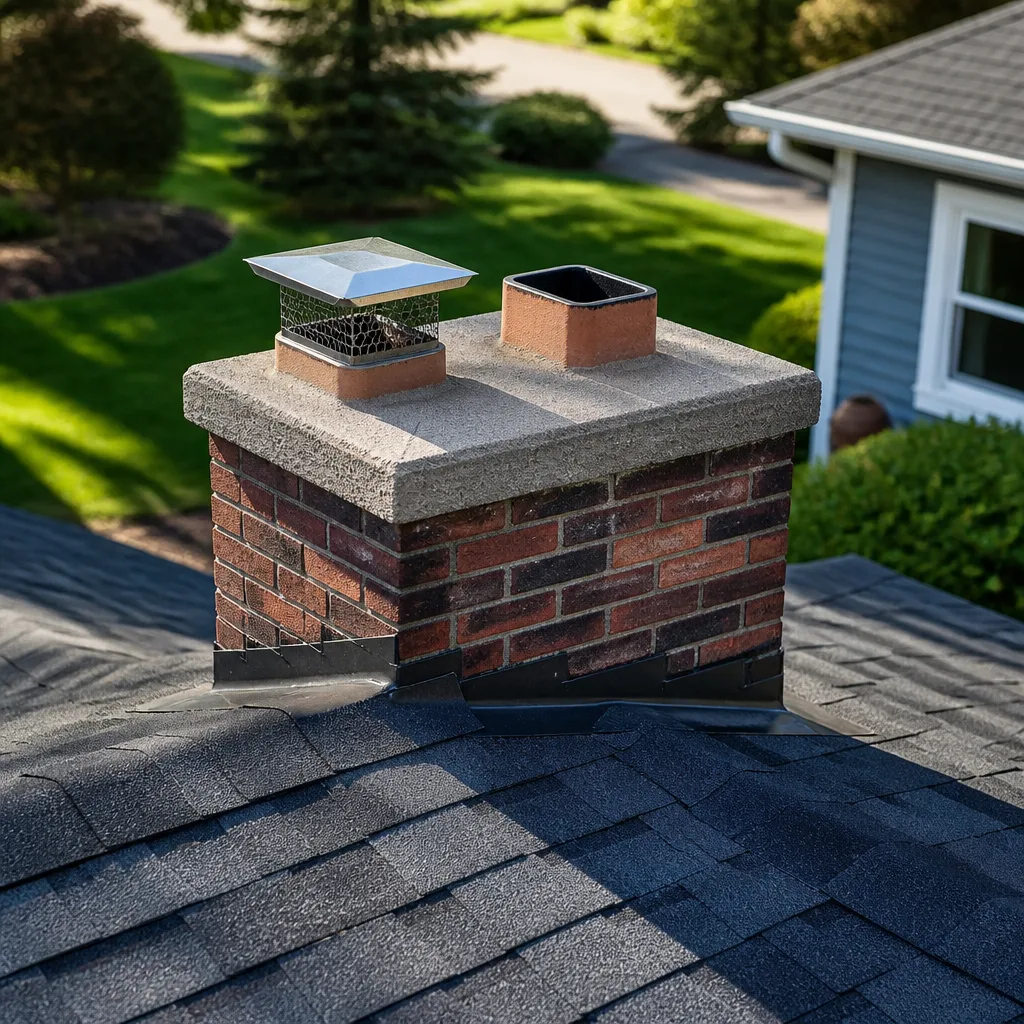
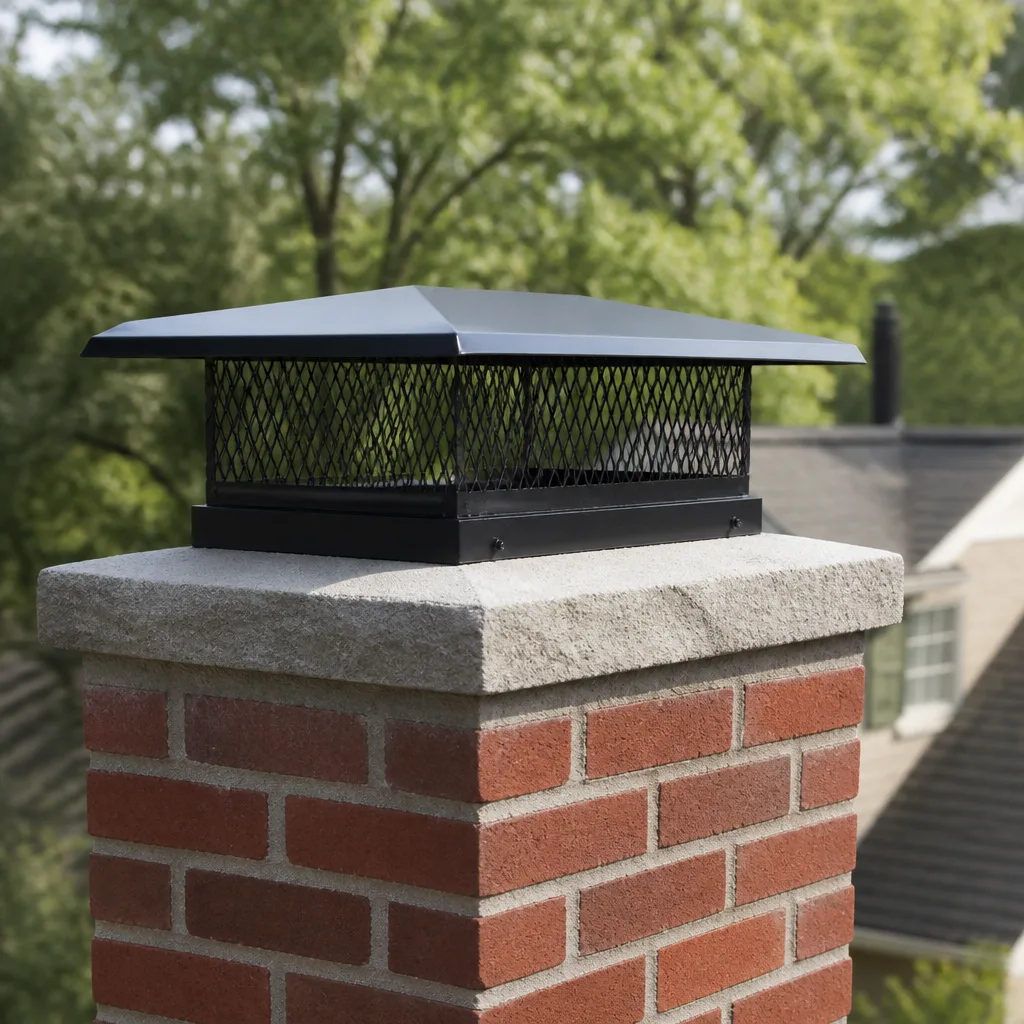
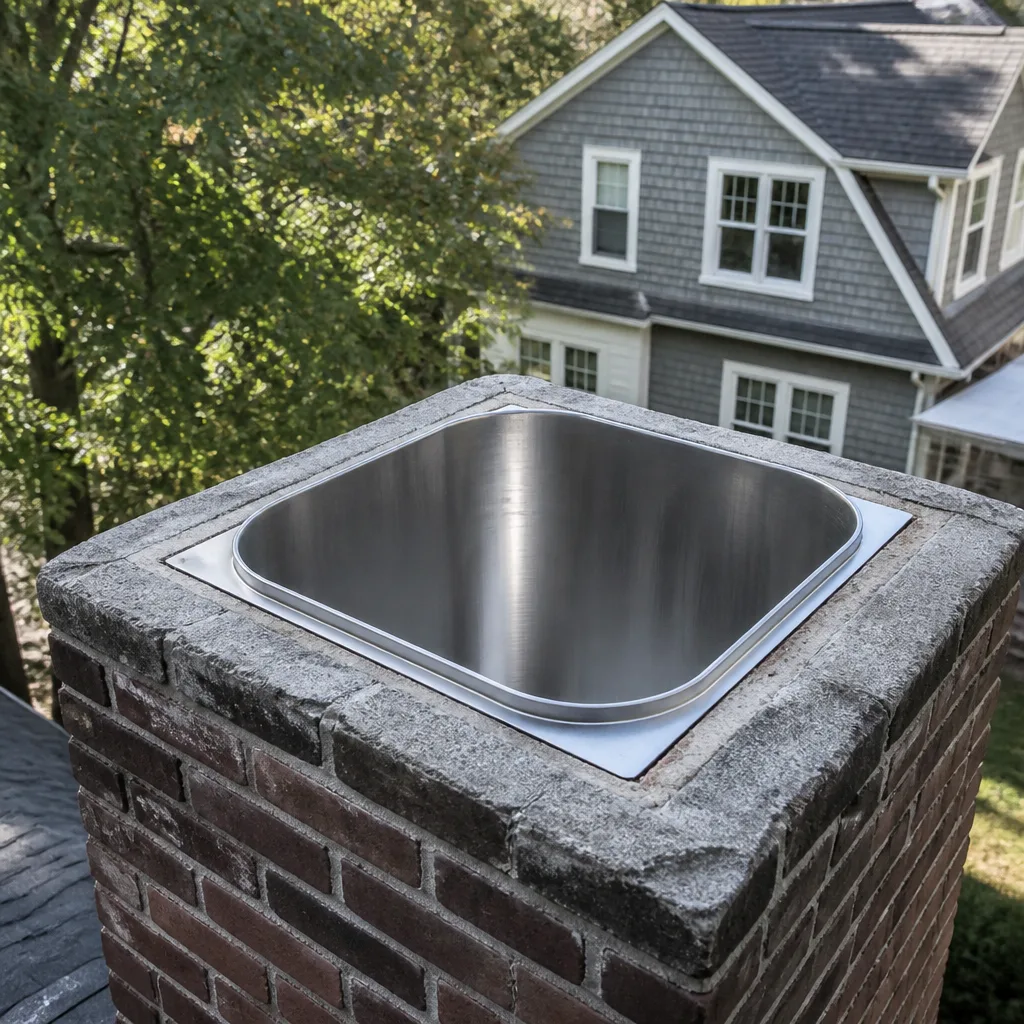
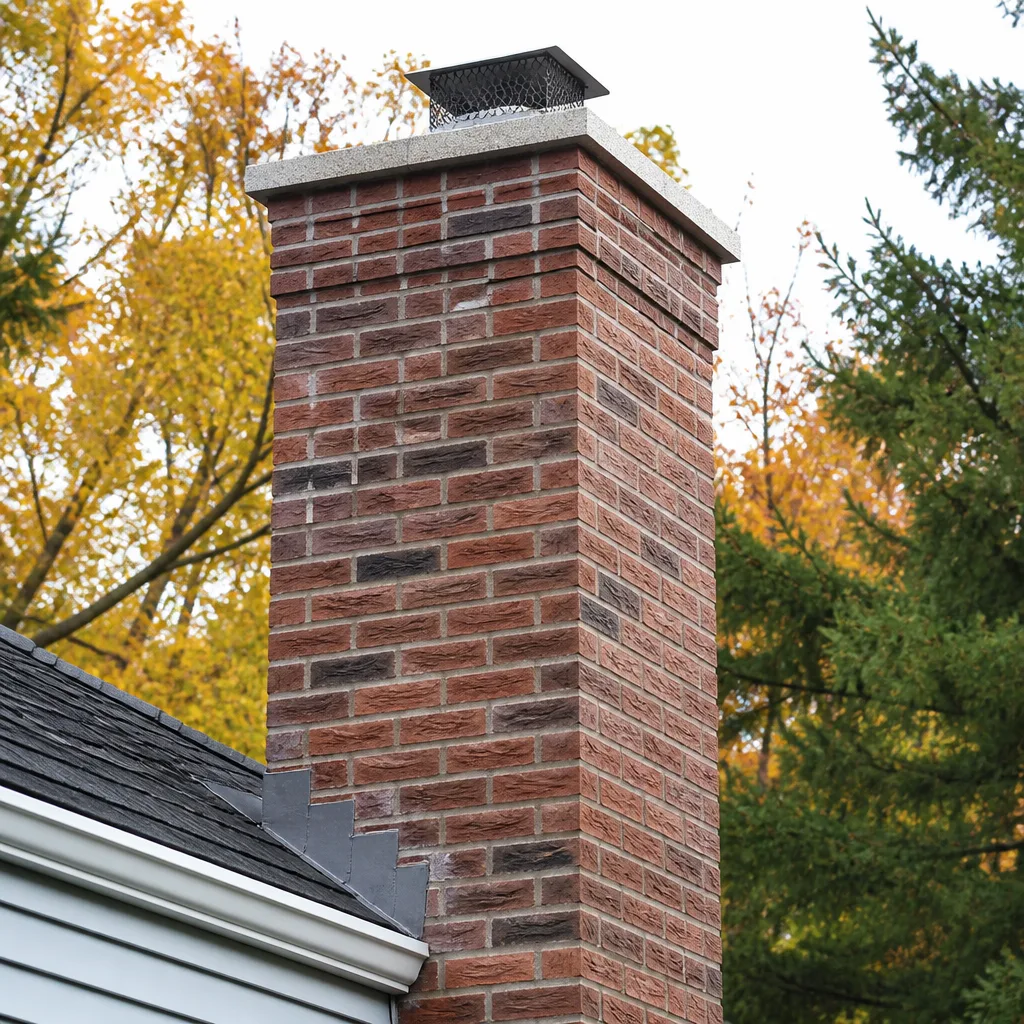
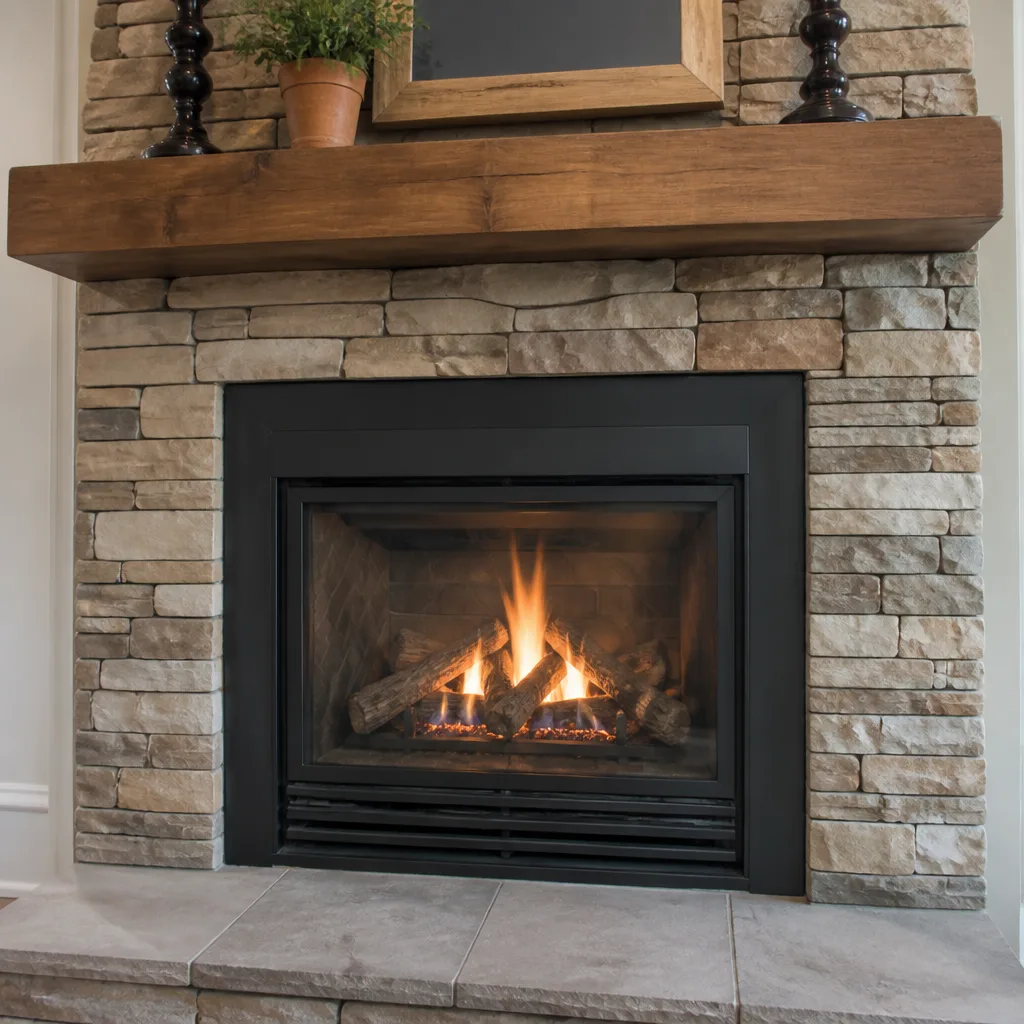
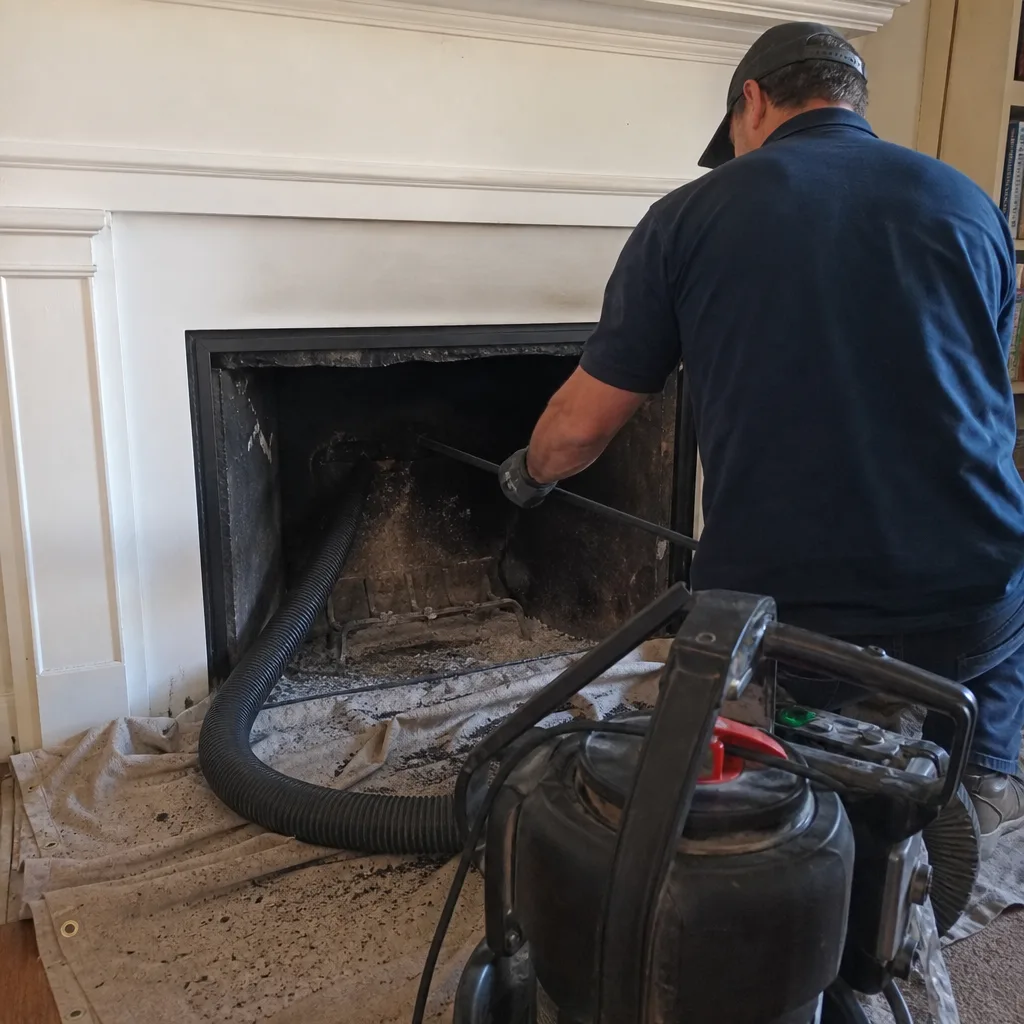 Before
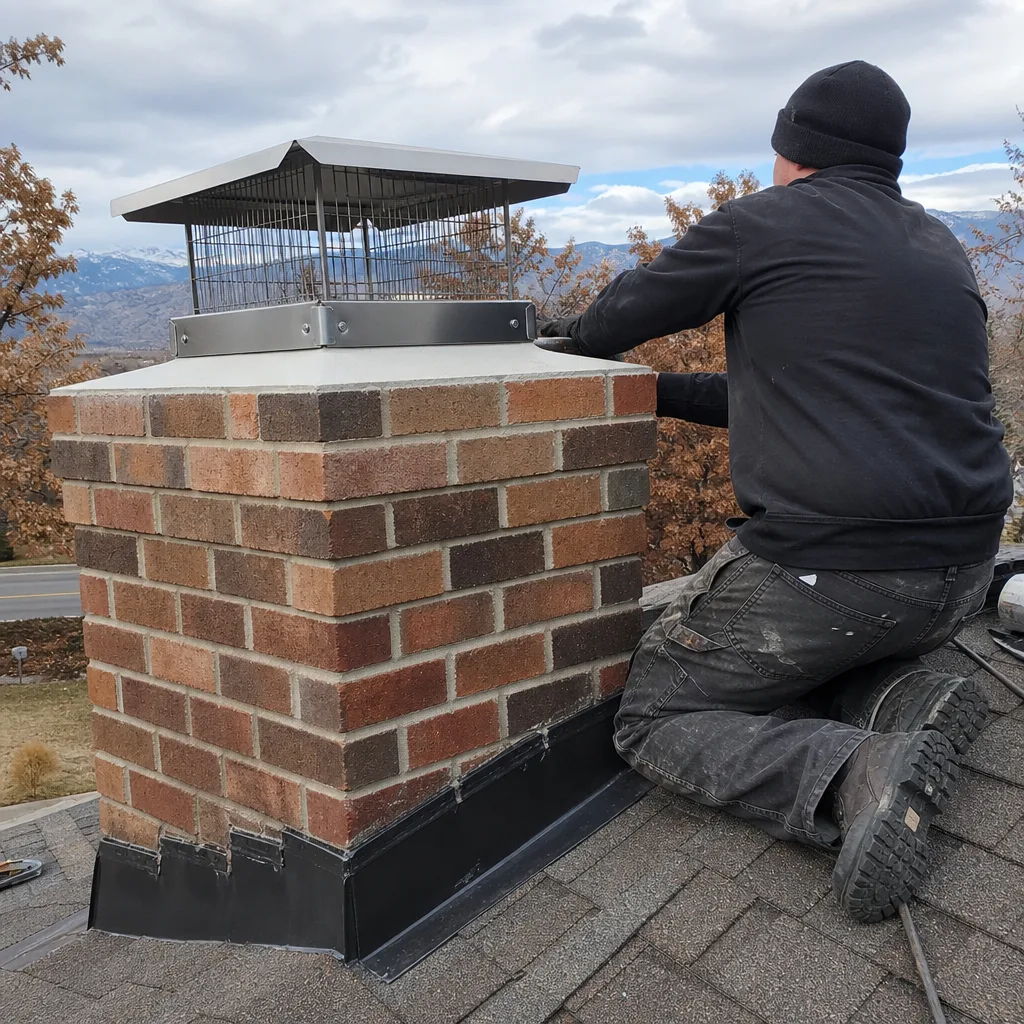 After
After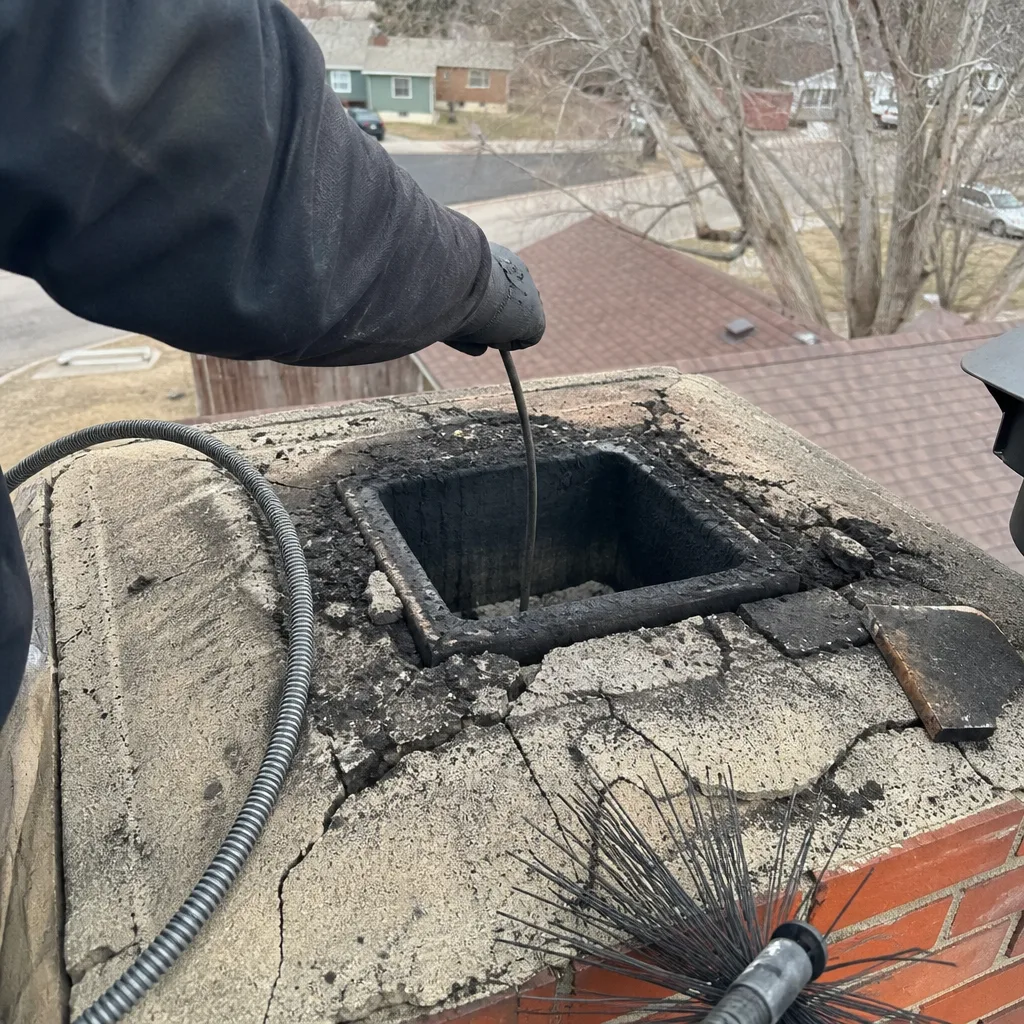 Before
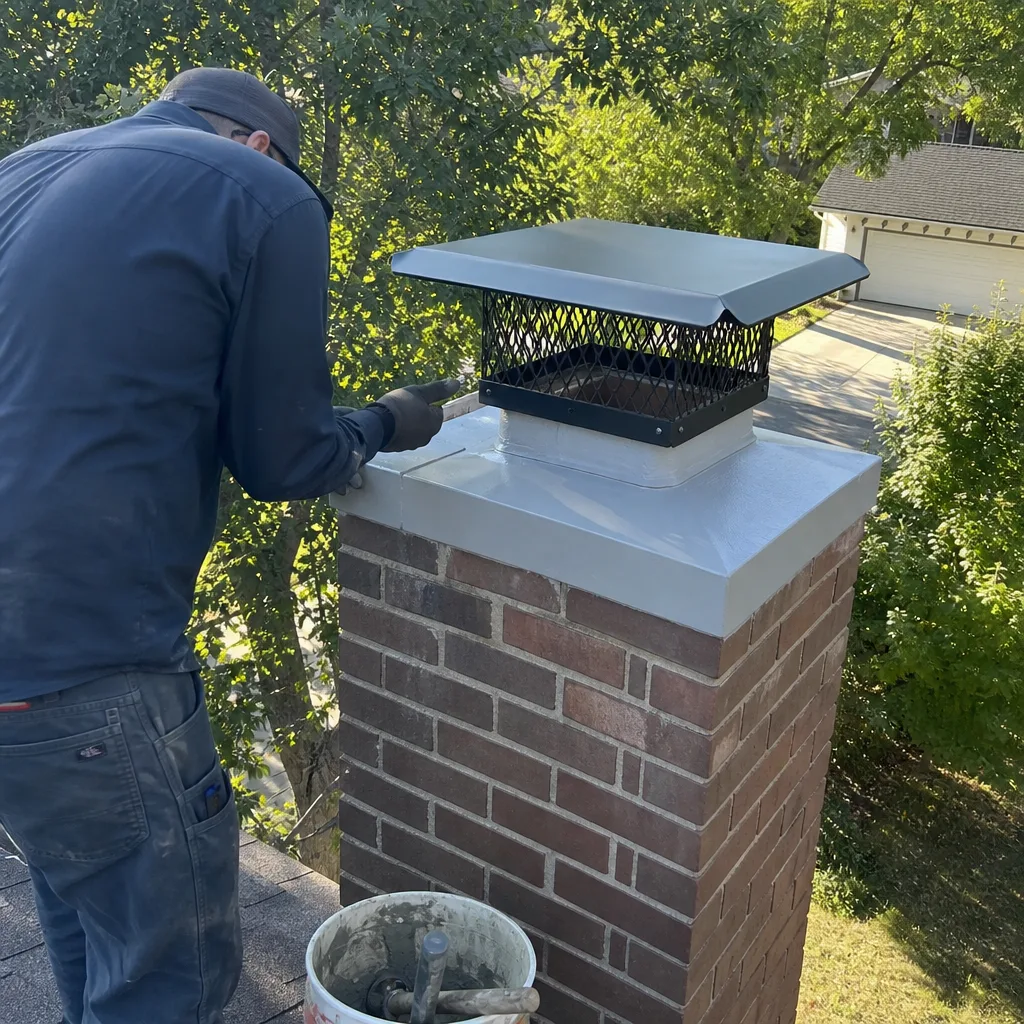 After
After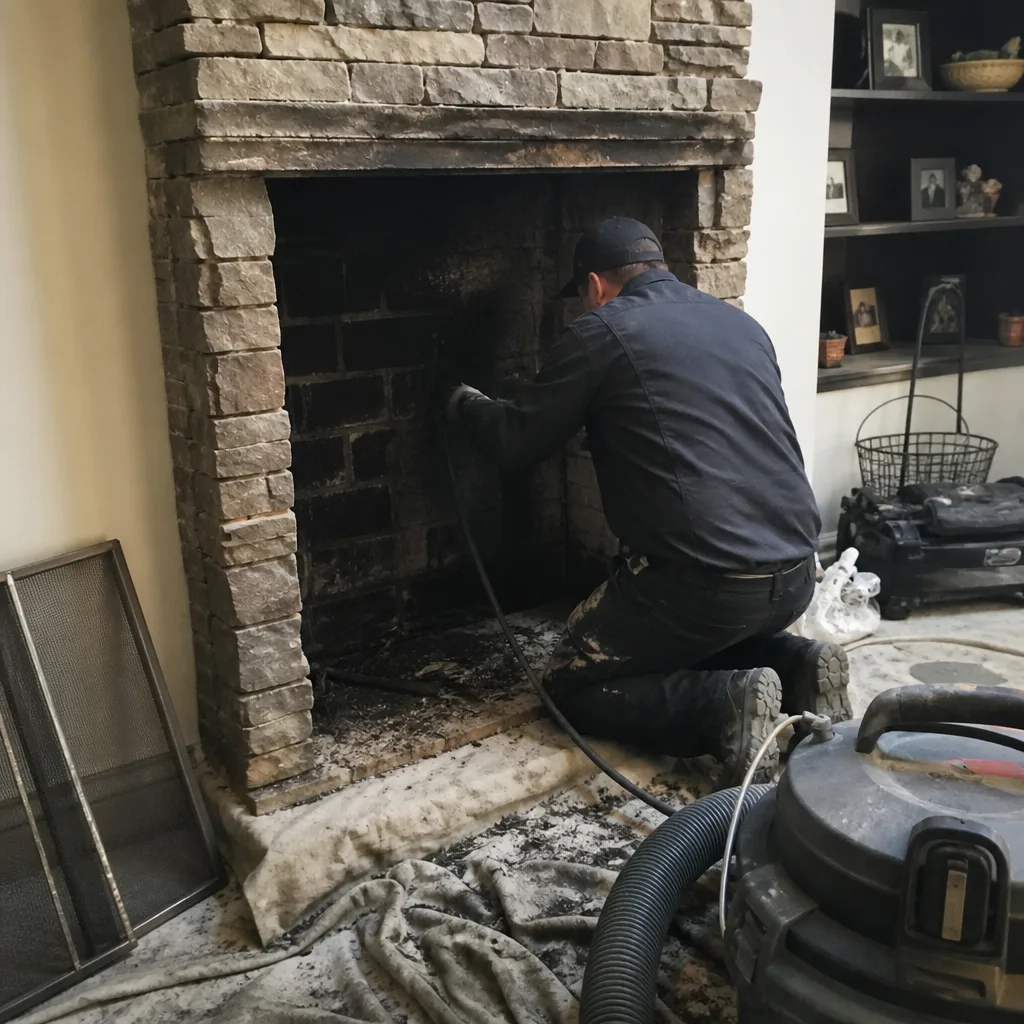 Before
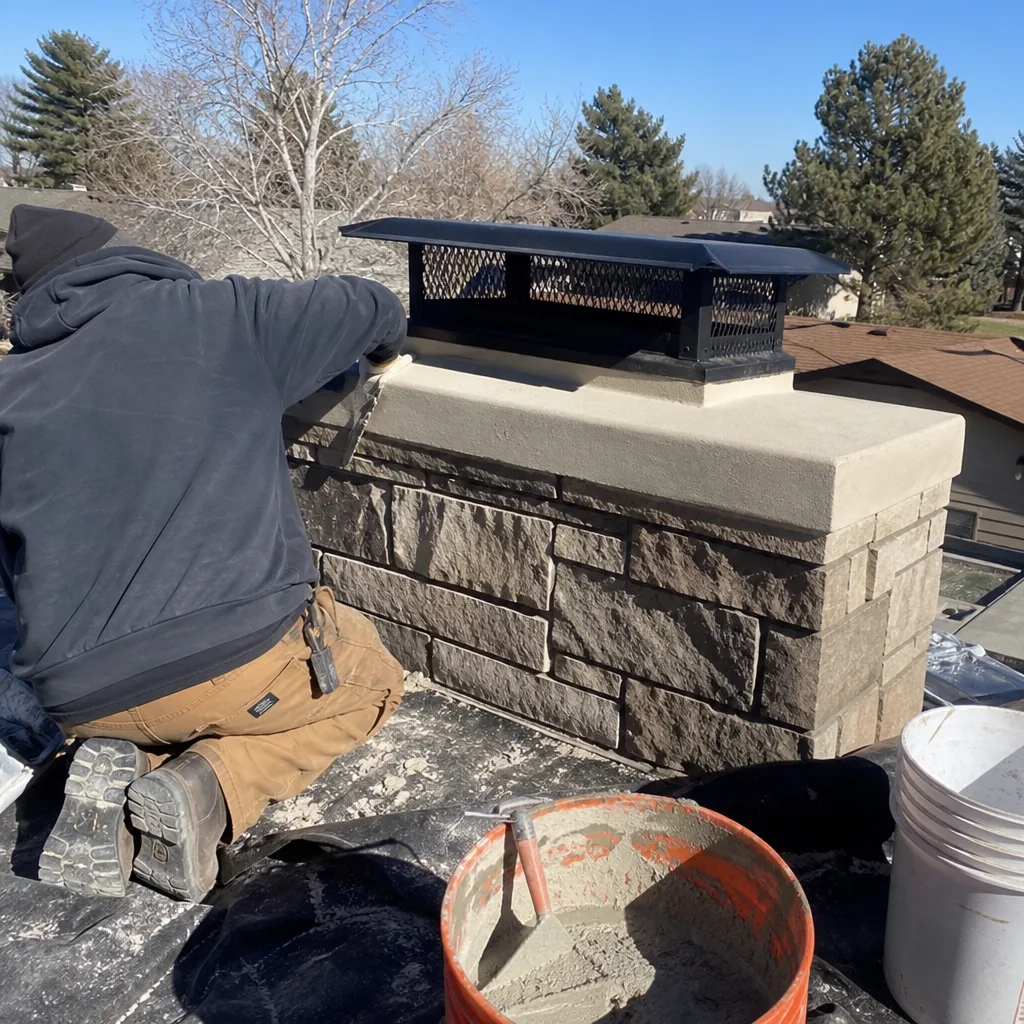 After
AfterChimney Cleaning & Sweep Maintenance Checklist for Littleton Homeowners
After a chimney fire, Colorado homeowners most often lose their insurance claim not because they skipped service, but because they have no written record proving they didn’t. In Littleton, where wood-burning season runs hard from October through March and sudden temperature swings stress masonry six months a year, a verbal “yeah, we checked it” from a technician means nothing to an adjuster. This guide - alongside our complete guide to chimney cleaning in Littleton - gives you a paper-trail version of chimney maintenance, item by item, with the exact documentation each step should produce. You’ll learn what to do yourself, what requires a documented professional visit, and how to build a file that holds up if anyone ever asks.
Quick Answer
A complete chimney maintenance checklist for Littleton homeowners includes: monthly visual checks during burning season (homeowner), a documented NFPA 211 Level 2 inspection with camera scan every 12 months (professional), chimney sweep when creosote reaches 1/8 inch or Class III glazing is found, and written records of every finding, price, and warranty stored year over year. The checklist only protects you if it produces evidence - photos, written scope, and written price - not verbal confirmations.
Table of Contents
- Why Documentation Matters More Than Frequency
- The Littleton Seasonal Checklist: October Through March
- The Offseason Checklist: April Through September
- What to Request After Every Professional Visit
- How to Log Creosote Findings Year Over Year
- Building Your Chimney File for Inspectors and Adjusters
- DIY vs. Professional: Where the Line Is
- Common Mistakes to Avoid
- When to Call a Professional
- Frequently Asked Questions
- The Bottom Line
 Before
 After
AfterWhy Documentation Matters More Than Frequency
Most Chimney Cleaning & Sweep advice stops at “get it swept once a year.” That’s incomplete, and in Littleton’s insurance and real estate market, it’s potentially expensive.
Colorado’s wildfire risk has pushed insurers toward stricter documentation requirements for wood-burning systems. We’ve reviewed claim denials where homeowners had paid for annual sweeps but received no written report, no photos, and no technician credentials. The adjuster’s position: without evidence, the service is unverifiable. Frequency doesn’t matter if you can’t prove it happened.
The NFPA 211 standard - the code reference Colorado home inspectors and insurers use - specifies Level 1, 2, or 3 inspections based on circumstances. A Level 1 is visual, from accessible areas only. A Chimney Cleaning & Sweep in Littleton that meets Level 2 standards requires a camera scan of the flue interior, examination of accessible attics and crawl spaces, and written documentation of findings. Level Two Chimney Co. made this the default practice in 2009, before regulators or insurers asked for it, and that practice became Clause 4 of the Haven Standard.
Here’s what documentation actually protects:
- Insurance claims: Proves due diligence if a chimney fire or CO incident occurs
- Home sales: Satisfies buyer inspection objections without re-negotiation
- Warranty disputes: Shows whether damage resulted from maintenance neglect or material defect
- Dispute resolution: Creates a baseline if a subsequent technician finds conflicting conditions
In our experience across 38,000+ inspections, the homeowners who fare best in disputes are those who treat chimney maintenance like vehicle maintenance: they keep a file with dates, findings, and receipts, not just a calendar reminder.
The Littleton Seasonal Checklist: October Through March
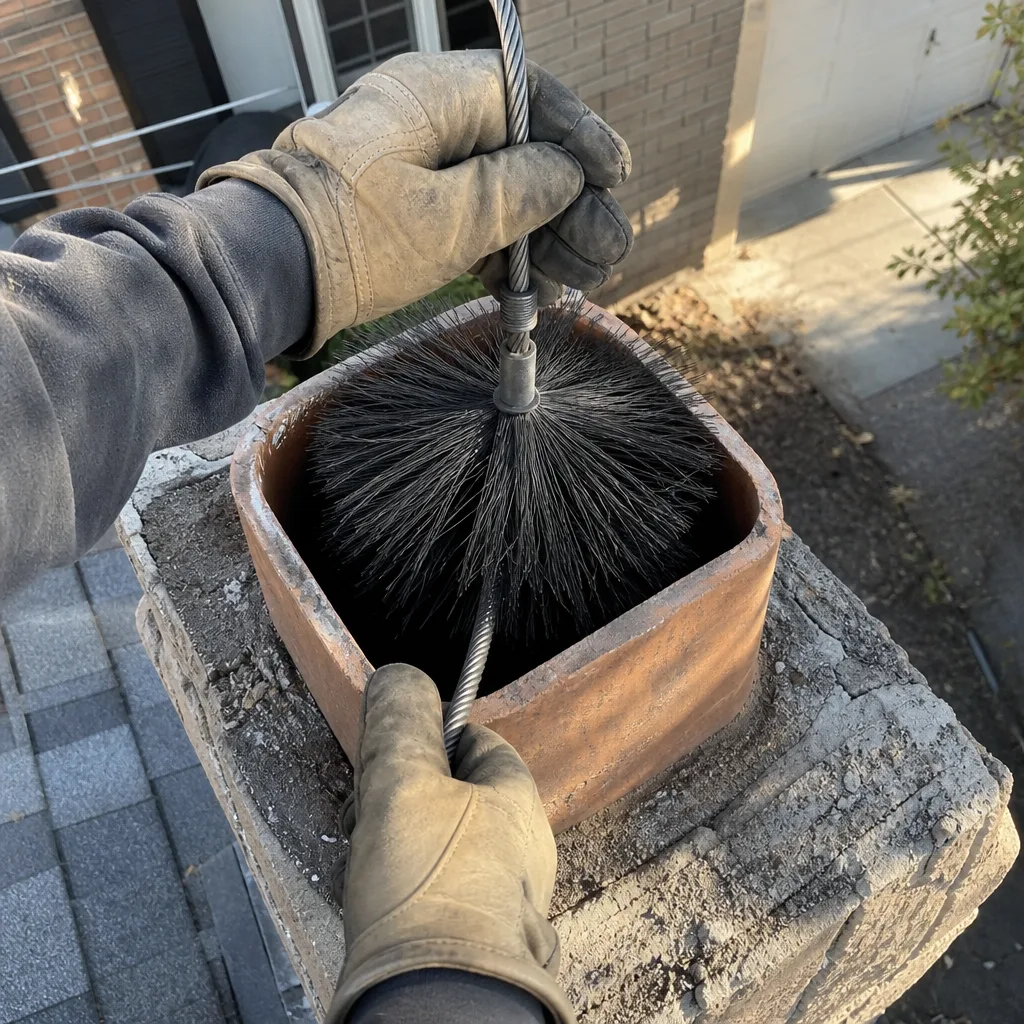
Littleton’s wood-burning season aligns with cold snaps that can drop from 60°F to 15°F in 48 hours. That thermal shock stresses chimney crowns and flue liners. Combined with the Front Range’s dry climate and occasional high-wind events, the season demands specific attention.
Monthly Homeowner Checks (5-10 minutes)
- Visual exterior scan from ground level. Look for cracked or missing crown mortar, displaced cap, or new gaps where the chimney meets the roofline. In Littleton’s Ken Caryl and Columbine neighborhoods, we’ve seen wind gusts above 70 mph shift caps that appeared secure in September.
- Firebox condition check. Inspect firebrick for fresh cracking or spalling (surface flaking). Spalling exposes the steel shell to direct heat and accelerates deterioration.
- Damper operation test. Open fully, close fully. It should seat without resistance. A sticky damper in January usually means creosote buildup on the throat - a precursor to more serious obstruction.
- Smoke chamber visibility. Shine a flashlight up from the firebox. The chamber walls should be smooth parged mortar, not rough brick with soot accumulation. Rough surfaces trap creosote and reduce draft efficiency.
- Area around the appliance. Clear combustibles within the manufacturer’s specified distance. Check for discolored wall surfaces or heat-stained mantel edges.
Pre-Season Professional Requirements (Once, Before First Fire)
- NFPA 211 Level 2 inspection with camera scan. This is non-negotiable if you’re burning wood. The camera reveals flue liner cracks, joint separation, and creosote glazing that no flashlight inspection can detect. In Littleton’s older homes near Downtown and along the South Platte, we’ve found terra cotta liners cracked from freeze-thaw cycles that homeowners had no indication of.
- Creosote measurement and classification. Request the technician specify: thickness in inches, and Class (I = soot, II = flaky, III = glazed/tar-like). Class III creosote requires mechanical removal - brushing alone won’t touch it. We document this on every Level Two Chimney Littleton home visit under Haven Standard Clause 4.
- Written price before work, written scope, written warranty. Clause 1 of the Haven Standard requires all three before any work starts. If a technician begins work and then presents a price, that’s a red flag.
Mid-Season Re-Check (January-February)
After 60+ fires, creosote accumulation accelerates. If you’re burning pine or unseasoned wood - common in Littleton when supply tightens - schedule a mid-season sweep if warning signs from the original inspection recommended it. The alternative is a chimney fire that sounds like a freight train and can crack your liner beyond repair.
The Offseason Checklist: April Through September
Littleton homeowners often ignore chimneys from April to September. This is a mistake. The offseason is when structural issues develop unseen, and it’s when professional availability is highest.
April: Post-Season Documentation Review
Gather all records from the burning season:
- Inspection report with camera images
- Sweep receipt with creosote classification
- Any repair quotes or completed work invoices
- Technician name and license information
File these with dates. If you had a chimney fire, no matter how small, note the date and any visible damage. This becomes your baseline for next season.
May-August: Structural Inspection Window
This is the optimal time for Chimney Repair in Littleton work. Masonry repairs need cure time; liner installations require dry conditions. Schedule your annual Level 2 inspection now if you missed the pre-season window. The technician can evaluate:
- Crown integrity after winter freeze-thaw
- Flashing condition following spring snowmelt
- Cap and screen for animal intrusion (swifts, raccoons, squirrels are active April-June)
- Exterior masonry for spalling or mortar deterioration
In Littleton’s Roxborough Park and Highlands Ranch-adjacent areas, we’ve noted accelerated mortar deterioration on south-facing chimney exposures - the freeze-thaw plus UV combination is harder on mortar than on the plains.
September: Pre-Season Verification
Before first fire:
- Verify last season’s repairs held (visual check)
- Confirm damper still operates freely after months of disuse
- Check that cap and screen are intact (summer storms and animals)
- Restock proper firewood: hardwood, seasoned 12+ months, moisture content below 20%
We see a spike in emergency calls the first cold weekend in October. Homeowners who completed offseason maintenance don’t make those calls.
What to Request After Every Professional Visit
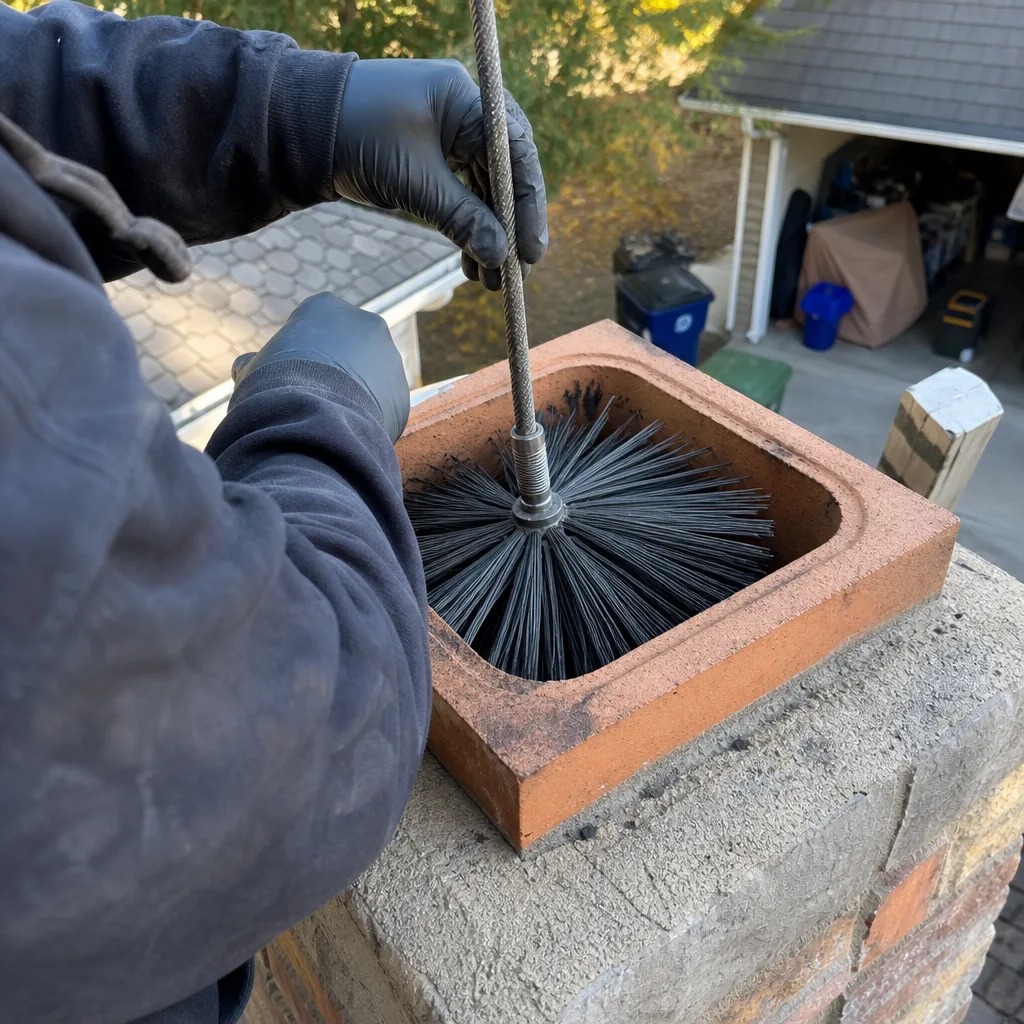
This section is the core of your paper-trail system. Every professional chimney service in Littleton should provide these documents without you asking. If you have to ask, consider a different company.
The Four Required Documents
| Document | What It Must Contain | Why It Matters |
|---|---|---|
| Written Price & Scope | Line-item costs, exact work description, materials specified by brand or type, total with tax | Haven Standard Clause 1: eliminates dispute over what was agreed to |
| Camera Images / Video | Time-stamped photos or video of flue interior, smoke chamber, damper, crown from above; each labeled with location and condition | Haven Standard Clause 4: proves condition at time of service; essential for insurance and resale |
| Written Warranty | What is covered, for how long, under what conditions, with company contact and license number | Creates recourse if repair fails; required by Colorado consumer protection for jobs over a threshold |
| Technician Credentials | Name, company license number, certification level (CSIA, NFI, or equivalent) | Verifies who performed work; some insurers require certified technician for claim validity |
At Level Two Chimney Co., these four documents are delivered before work starts and supplemented with a completion record including post-work photos. We’ve maintained this practice since 2009 across 38,000+ jobs. Materials for any repair are sourced through our buying network from DuraFlex, HeatShield, Gelco, Olympia Chimney, Famco, and Copperfield - specified by name on the written scope so you know what you’re paying for.
Red Flags: What to Reject
- Verbal quotes or “I’ll email it later”
- Inspection reports without images
- Warranties that say “satisfaction guaranteed” without specific terms
- Technicians who won’t provide a license number or full name
- Scope descriptions like “fix the crown” without specifying material (HeatShield vs. traditional mortar vs. replacement)
How to Log Creosote Findings Year Over Year
Creosote accumulation rate is the single best indicator of whether your burning habits are damaging your system. Most homeowners never track it. You should.
The Creosote Log Format
Create a simple spreadsheet or notebook entry with these fields:
- Date of sweep:
- Technician/Company:
- Thickness measured: (in inches, at worst point)
- Class: I (soot), II (flakes), or III (glazed/tar)
- Flue liner material: terra cotta, stainless steel, or other
- Wood type burned: pine, fir, oak, mixed, etc.
- Wood seasoning: months dried, or “purchased as seasoned”
- Burn frequency: fires per week, approximate
- Notes: any operational issues (smoke backup, poor draft, odor)
What the Pattern Tells You
Class I creosote accumulating faster than 1/8 inch per season indicates one of three problems: unseasoned wood, restricted air supply (damper partially closed for “longer burn”), or oversized fireplace for the flue. In Littleton, where many 1970s-1990s homes have builder-grade fireplaces with inadequate flue sizing, this is common in neighborhoods like Marston and South Littleton.
Class III creosote at any thickness is an emergency. It cannot be removed with standard brushes. It requires rotary mechanical removal, chemical treatment, or in severe cases, liner replacement. We’ve replaced liners in Littleton homes where Class III buildup went unaddressed for two seasons - the glazing insulates the flue, causing hotter gases that crack terra cotta and accelerate deterioration.
Year-over-year logging lets you prove improvement. If you switch to properly seasoned oak and your creosote class drops from III to I, that’s evidence of responsible operation. If it worsens despite your efforts, that’s evidence of a system design problem - potentially a warranty or disclosure issue.
Building Your Chimney File for Inspectors and Adjusters
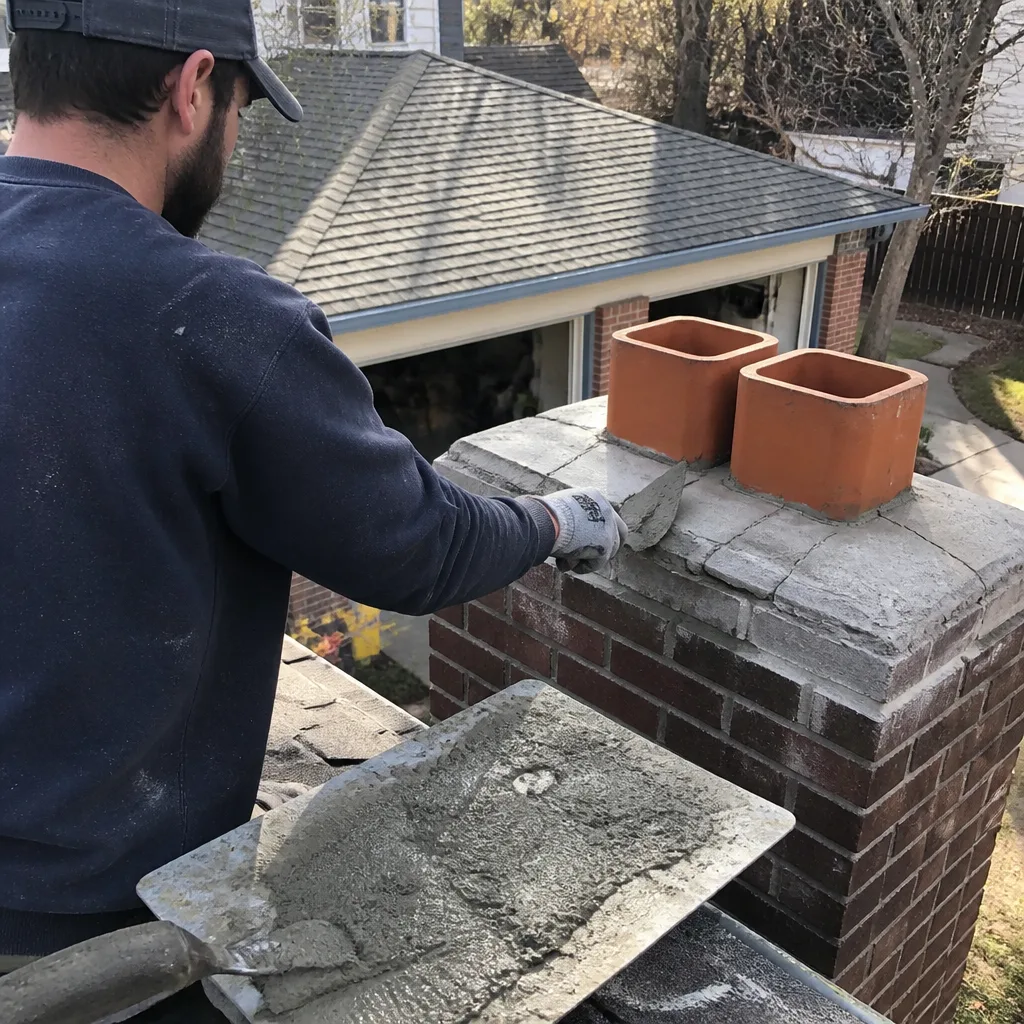
A well-organized chimney file turns a potential dispute into a five-minute conversation. Here’s what it should contain, and how to organize it.
Physical or Digital Folder Structure
- Annual Inspections - subfolder per year, containing report, images, technician credentials
- Sweeps & Cleanings - receipts with creosote classification noted
- Repairs & Modifications - written scope, before/after images, warranty, final invoice
- Correspondence - any disputes, second opinions, insurance communications
- Appliance Manuals - installation specs, clearance requirements, manufacturer maintenance schedule
What an Adjuster Wants to See
In the event of a chimney fire or CO incident, the adjuster’s first question is: “Did the homeowner maintain the system according to manufacturer and NFPA standards?” Your file should answer this before they ask.
Key evidence:
- Continuous annual inspection record with no gaps exceeding 15 months
- Camera images showing flue condition at each inspection
- Written documentation that recommended work was completed (or declined, with date)
- Technician credentials showing qualified personnel performed work
We’ve provided documentation for Littleton homeowners that prevented claim denials. In one case, a homeowner in the Willow Creek area had a small chimney fire after a sweep. The insurer initially denied, claiming the sweep was inadequate. We produced the pre-sweep camera images showing Class III creosote, the written scope recommending mechanical removal, the homeowner’s signed approval, and post-work images showing clean flue. The claim was paid. Without that file, the homeowner would have absorbed $14,000 in damage.
DIY vs. Professional: Where the Line Is
Some chimney maintenance is appropriate for homeowners. Some is not. The line is clear when you understand what’s actually at risk.
Appropriate DIY
- Visual ground-level inspection: Crown, cap, flashing from roof edge or yard
- Firebox cleaning: Remove ash to 1-inch depth, dispose in metal container
- Damper lubrication: High-temperature silicone spray, per manufacturer
- Firewood management: Seasoning, stacking, moisture testing
- Carbon monoxide detector testing: Monthly button test, replacement per manufacturer date
Requires Professional with Documentation
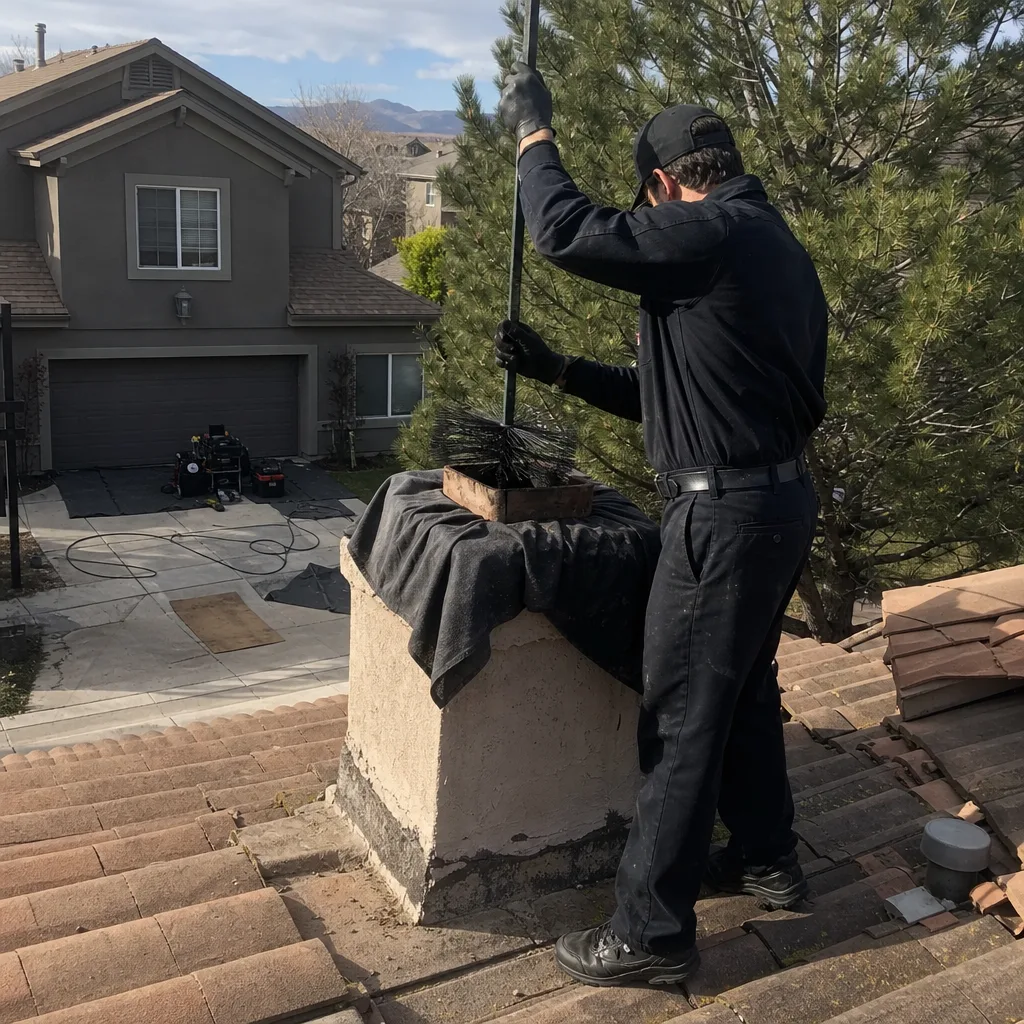
- Flue sweeping: Requires proper brushes, rods, and vacuum containment. More importantly, requires camera inspection to verify completeness. A swept flue with a hidden crack is a false security.
- Creosote removal (Class II or III): Class III requires rotary equipment and often chemical treatment. Attempting this without training risks flue damage and personal injury from falling debris.
- Liner inspection or replacement: Involves working at height, understanding draft calculations, and proper material specification. Stainless liners from DuraFlex or Olympia Chimney must be sized to the appliance - incorrect sizing creates CO hazard.
- Crown, flashing, or masonry repair: Requires knowledge of proper mortar mix, waterproofing, and expansion joint placement. Improper repair traps moisture and accelerates deterioration.
- Smoke chamber parging: Smooths the chamber for proper draft. Requires refractory materials and access equipment.
Safety note: Chimney work involves heights, confined spaces, and exposure to carcinogenic creosote. Falls from roofs and ladders cause serious injury annually. Carbon monoxide from improperly vented systems causes death. We recommend trained professionals for any work involving the flue, liner, or roofline access.
Common Mistakes to Avoid
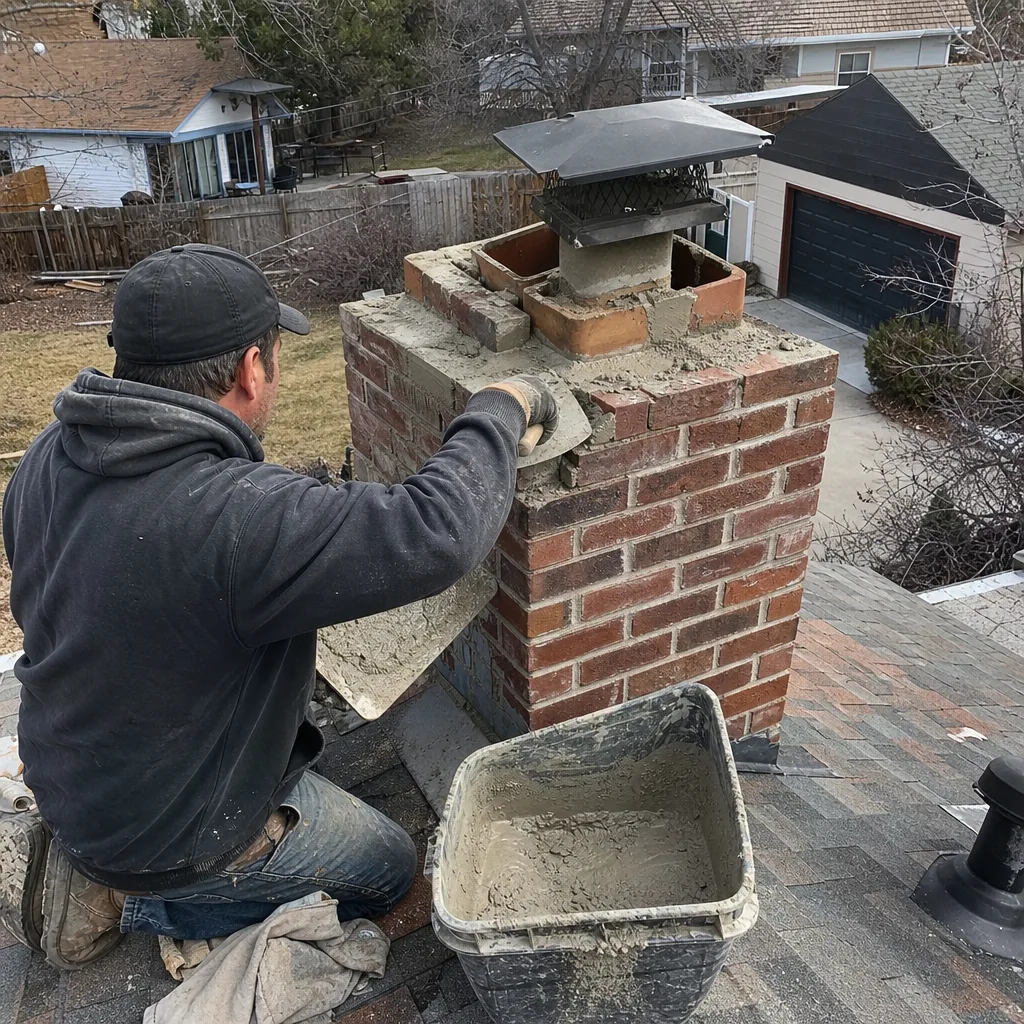
- Accepting a “Level 1” inspection as sufficient for an active wood-burning system. In Littleton’s competitive real estate market, buyers increasingly request Level 2 documentation. A Level 1 doesn’t include camera scan and won’t satisfy them - or an insurer after an incident.
- Burning pine as primary fuel because it’s cheap and available. Pine produces creosote at roughly twice the rate of properly seasoned hardwood. We’ve seen Littleton homeowners in Ken Caryl go from Class I to Class III in one season after switching to pine for cost reasons.
- Ignoring the smoke chamber. The smoke chamber - the area above the damper, below the flue - is where most chimney fires start. It’s invisible without a camera from below or access from above. A technician who doesn’t inspect it isn’t completing the job.
- Storing documentation verbally or informally. “The guy said it looked fine” has zero value in a dispute. Written scope, written price, written warranty, photo record - every time.
- Skipping offseason inspection because “we didn’t use it much.” Structural damage from freeze-thaw, animal intrusion, and moisture intrusion happen regardless of burn frequency. The offseason is when you catch these before they become expensive.
- Hiring based on lowest price without verifying what’s included. A $99 “sweep special” that doesn’t include camera inspection, written report, or technician credentials is not comparable to a documented Level 2 service. We’ve reviewed competitor quotes where the actual scope was a 15-minute brush job and a handshake.
- Assuming a new home or recent renovation means no inspection needed. New construction in Littleton’s expanding areas like Sterling Ranch often has builder-grade fireplaces installed by framers, not chimney professionals. We’ve found unlined flues, improper clearances, and missing dampers in homes less than five years old.
When to Call a Professional
Call a certified chimney professional immediately if you observe: smoke backing up into the room during normal operation; visible creosote flakes falling into the firebox; a strong, acrid odor when the damper is closed; white efflorescence or green staining on exterior masonry (indicates moisture intrusion and potential liner failure); or any cracking or spalling in the firebox brick. These are not maintenance items - they’re safety warnings.
Schedule a documented inspection before the burning season if you’ve purchased a home with an unknown chimney history, if your last professional visit was more than 15 months ago, or if you’ve changed your burning habits significantly (new wood source, increased frequency, new appliance installation).
Fireplace Services in Littleton from Level Two Chimney Co. include NFPA 211 Level 2 inspection with camera scan, documented photo record, and written price before any work begins - every time, no exceptions. We offer free estimates in Littleton. Call (720) 439-4666 to schedule or to request a free second opinion on any written estimate you’ve received.
Frequently Asked Questions
A documented chimney sweep with NFPA 211 Level 2 inspection in Littleton typically ranges from $250 to $450, depending on flue accessibility, creosote class, and whether mechanical removal is required. Class III creosote or multi-flue systems run higher. We provide a written price before any work starts - no exceptions. Call (720) 439-4666 for an exact quote; estimates are free.
The NFPA 211 standard recommends annual inspection for all chimneys, with sweeping as needed based on creosote accumulation. In Littleton’s climate, with a typical wood-burning season of 150+ days, most active fireplaces need sweeping annually. Occasional users may extend to every 18-24 months if inspection confirms minimal buildup. The key is documented measurement, not calendar assumption.
You need a new liner when camera inspection reveals cracks, gaps, or deterioration that compromises containment of combustion gases - or when your current liner is unlisted for your appliance type. You can wait only if a qualified technician confirms the existing liner is intact and properly sized, and documents that finding. We never recommend liner replacement without camera evidence you can see yourself. If a technician says you need a liner but won’t show you the damage, get a second opinion. Our free second opinion service includes review of any competitor’s written estimate.
Skipped maintenance leads to creosote accumulation, which reduces flue diameter and increases fire risk. A chimney fire can reach 2,000°F, cracking terra cotta liners and allowing flames to reach combustible framing. Even without fire, deteriorated liners leak carbon monoxide - odorless, invisible, and potentially fatal. In Littleton, where many homes have attached garages and tight construction, CO infiltration risk is elevated. The documented cost of annual maintenance is minor compared to the undocumented cost of a fire or health incident.
A sweep removes combustible deposits from the flue and firebox. An inspection evaluates the system’s condition, including structural integrity, clearances, and proper installation. In Colorado’s regulatory environment, you need both: the sweep addresses immediate hazard, the inspection identifies developing problems. A Level 2 inspection includes camera scan of the flue interior; a sweep without this inspection is incomplete for maintenance planning.
We don’t recommend it. If you have no documented inspection within 15 months, you have no verified knowledge of flue condition, creosote level, or structural integrity. The risk is real: we’ve found blocked flues from bird nests, cracked liners from freeze-thaw, and Class III creosote in systems the homeowner believed were “fine.” If you choose to use it without inspection, install working CO detectors on every sleeping level and keep fire extinguisher access clear. Then schedule inspection at first availability.
The Bottom Line
A chimney maintenance checklist only protects you if it produces evidence. For Littleton homeowners, that means: monthly visual checks you log yourself, annual professional inspection with camera scan and written documentation, creosote tracking year over year to catch burning-habit problems early, and a complete file organized for the day an inspector, buyer, or adjuster asks to see it. The Haven Standard was built on this principle - written price, written scope, written warranty, documented photo record - because we’ve seen what happens when homeowners have nothing but a technician’s word. Start your file now, before the season starts. The first item on any useful checklist is the system that keeps the checklist honest.
Written by Corrine Halstead, Owner at Level Two Chimney Littleton, serving Littleton since 2009.