
Last updated September 22, 2026
Level 1 sweep and inspection to the NFPA 211 annual standard - flue, crown, cap, and flashing checked and photographed
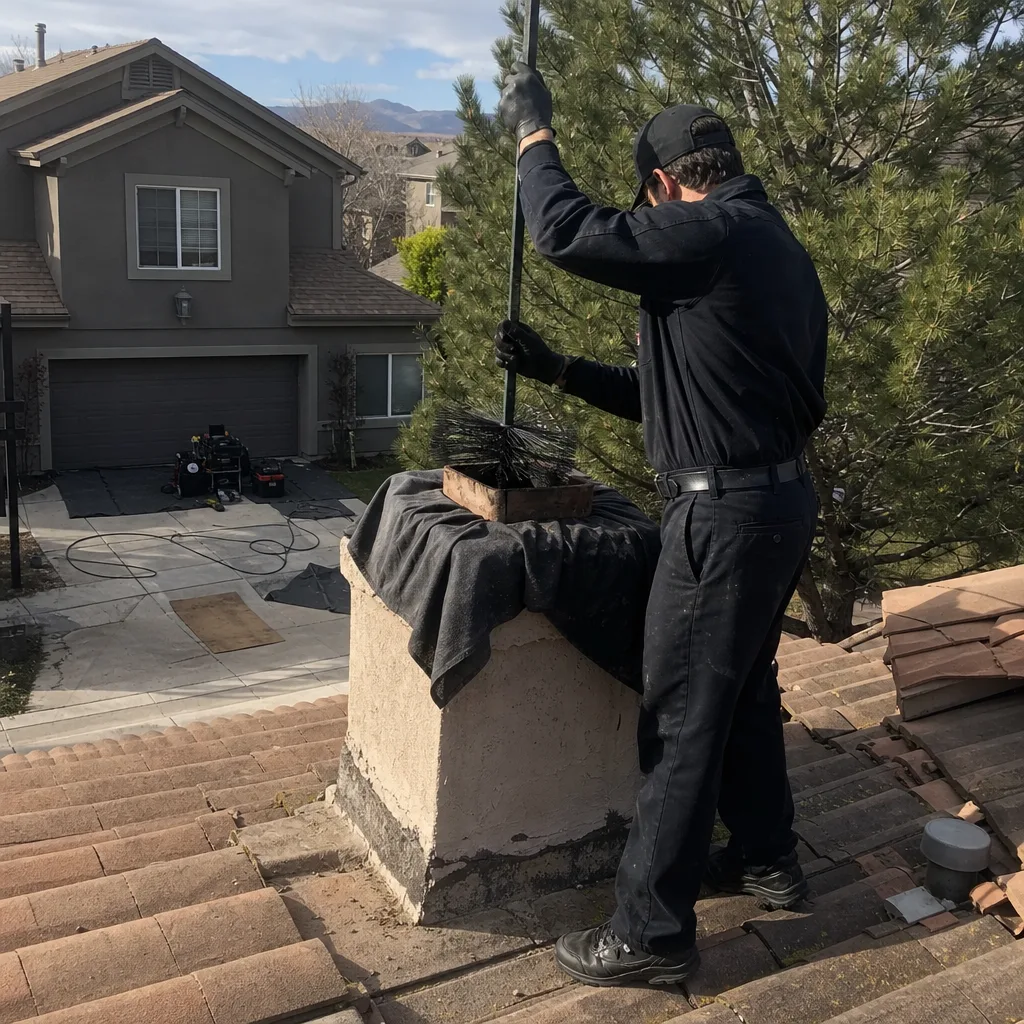
Chimney sweep logs do not sweep chimneys. They loosen some creosote - which then falls where a brush and vacuum still have to collect it.
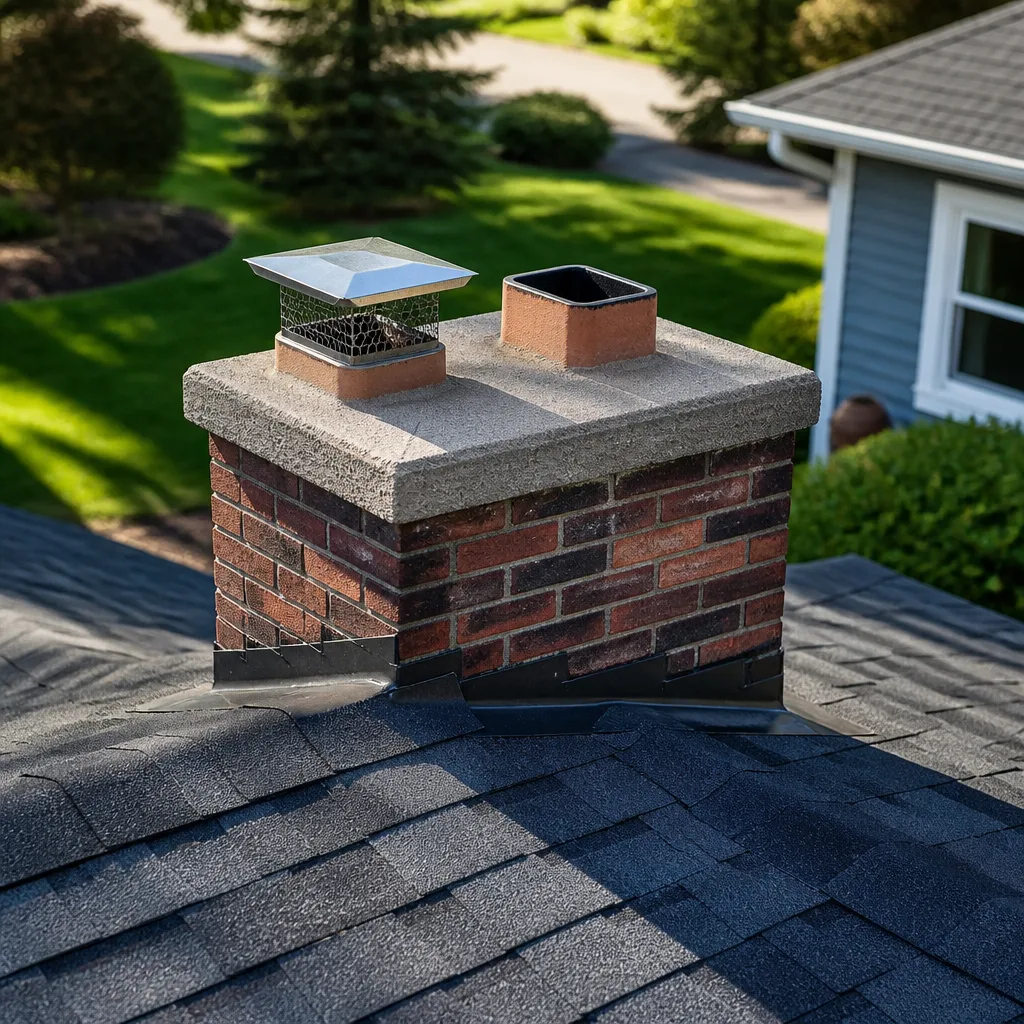
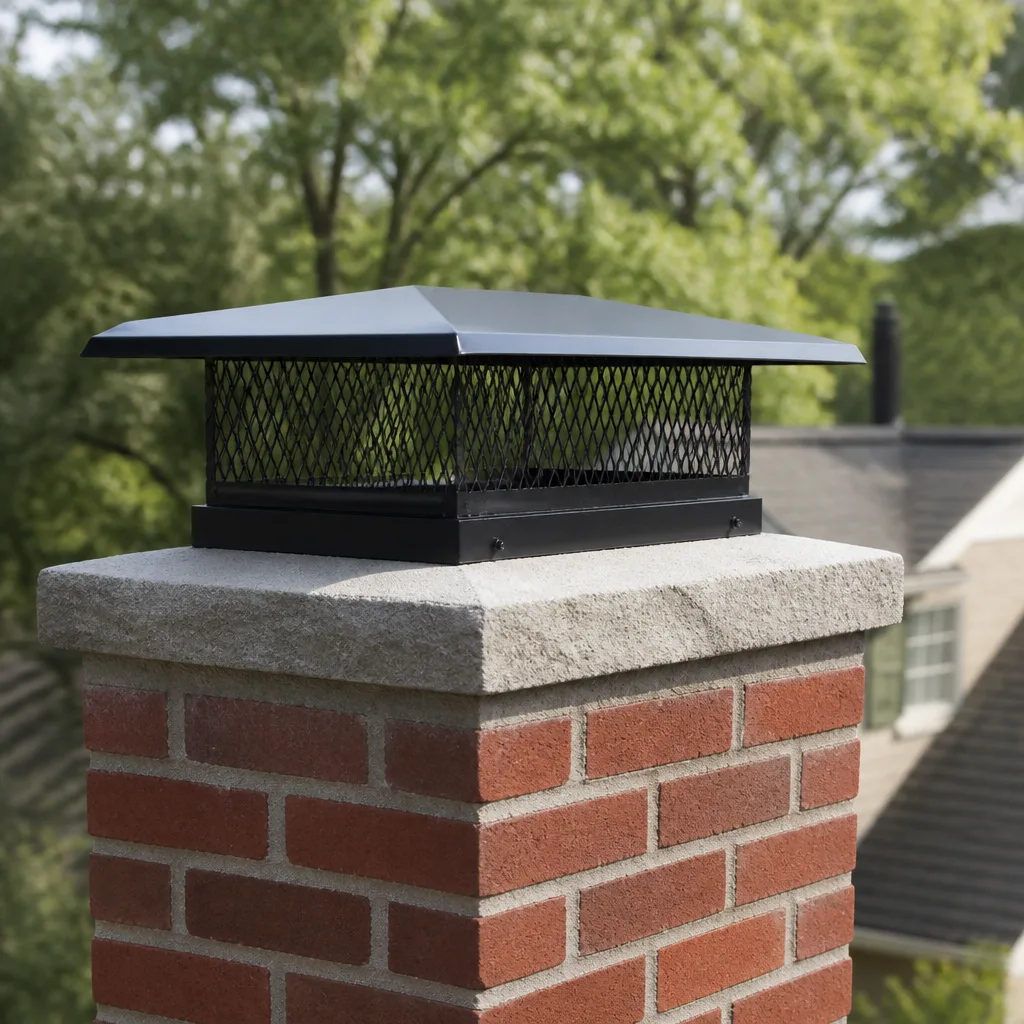
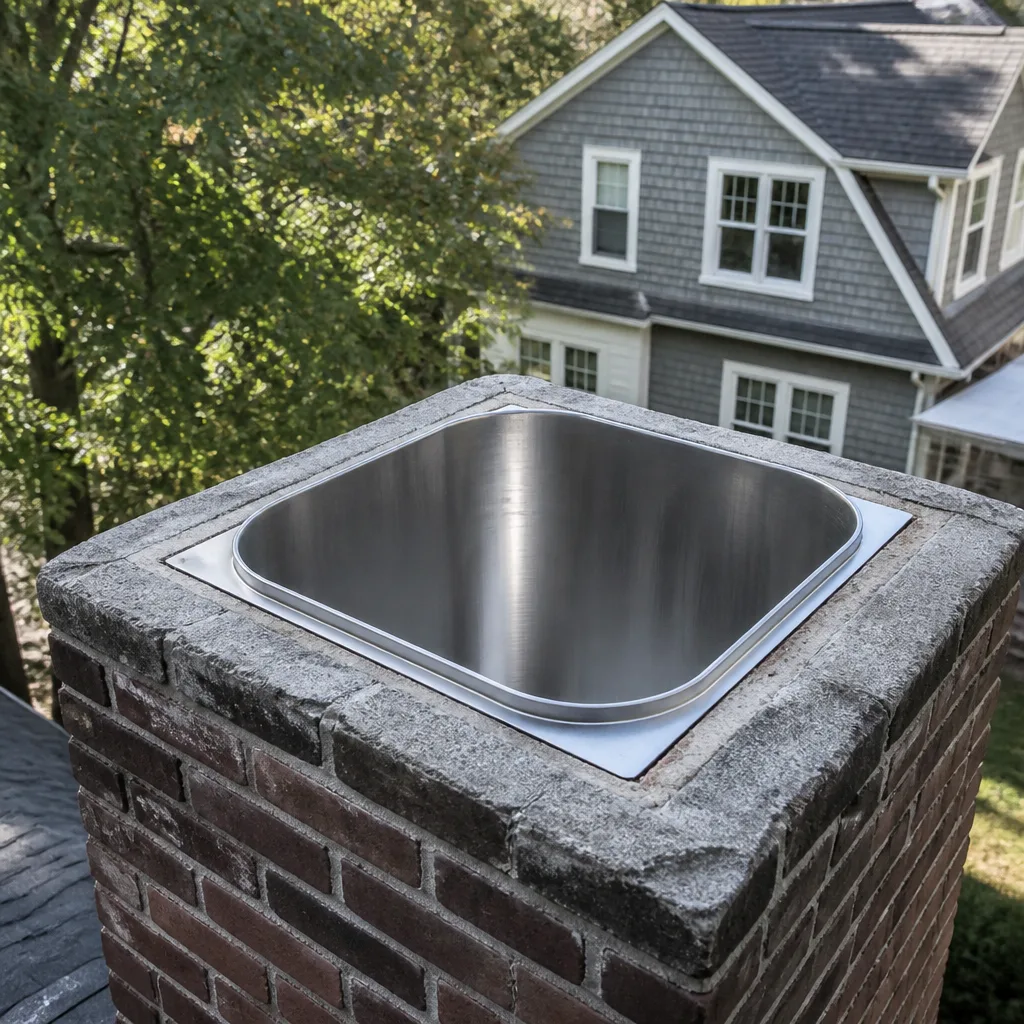
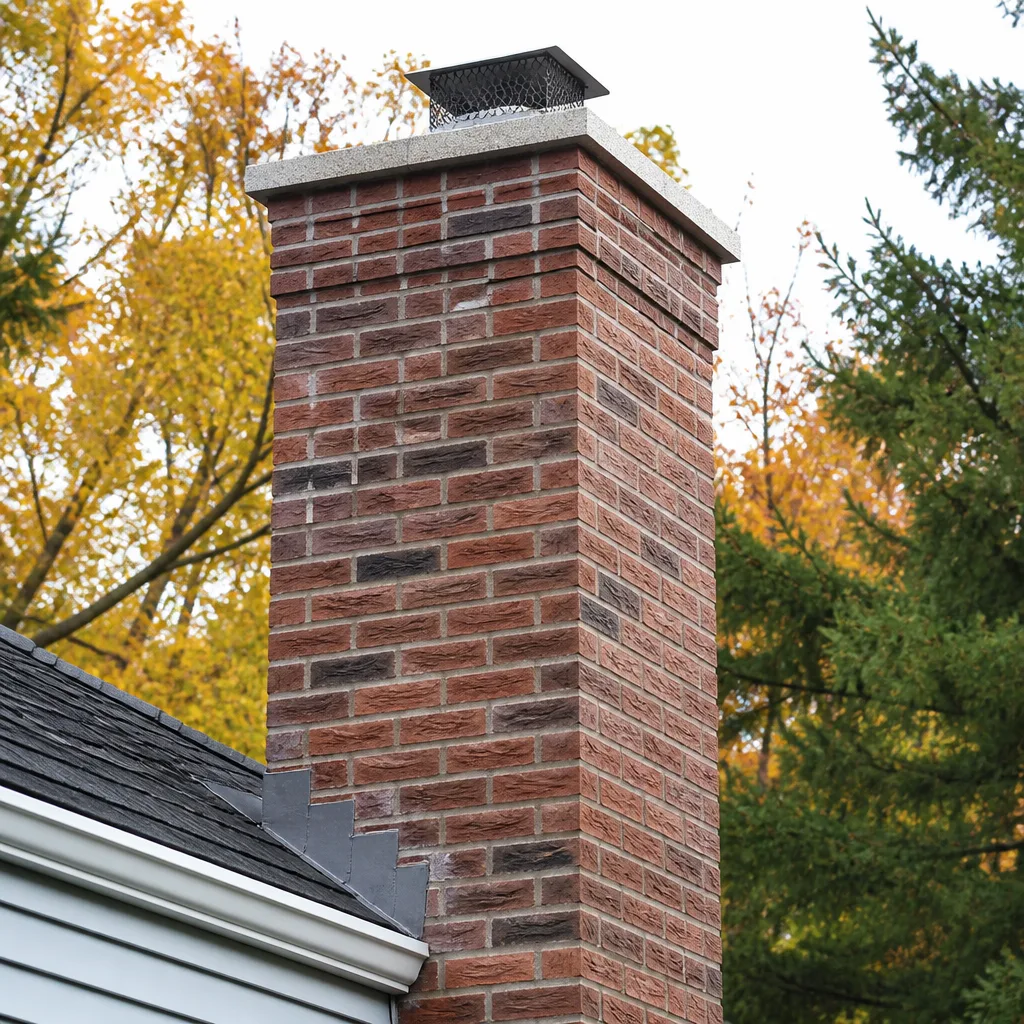
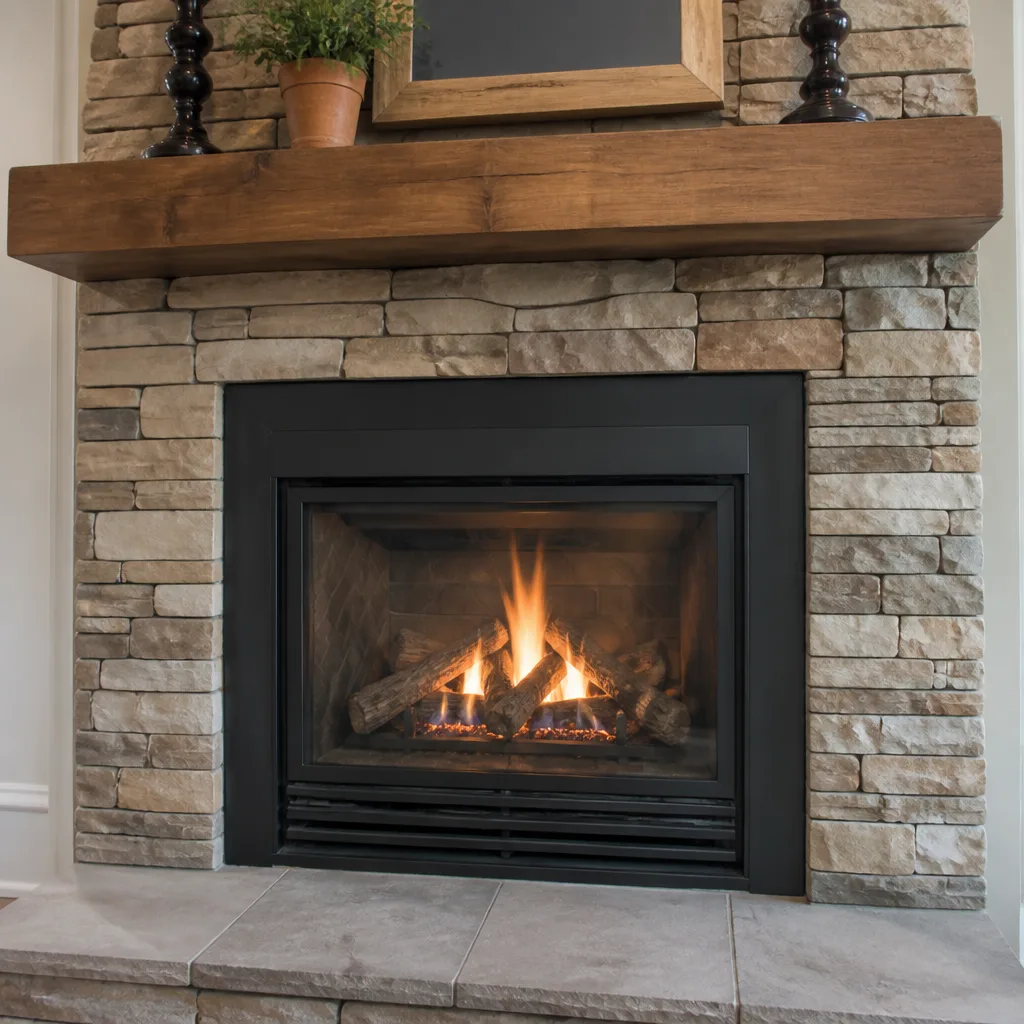
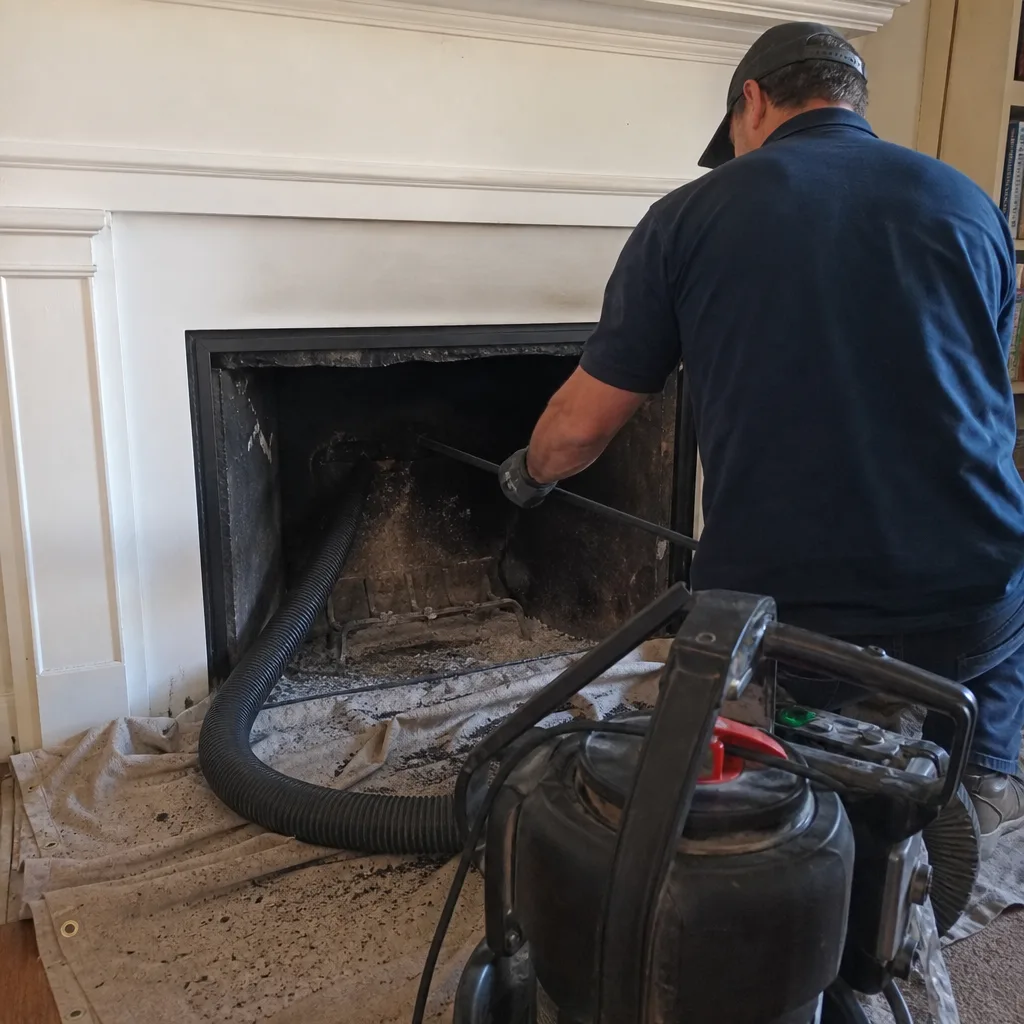 Before
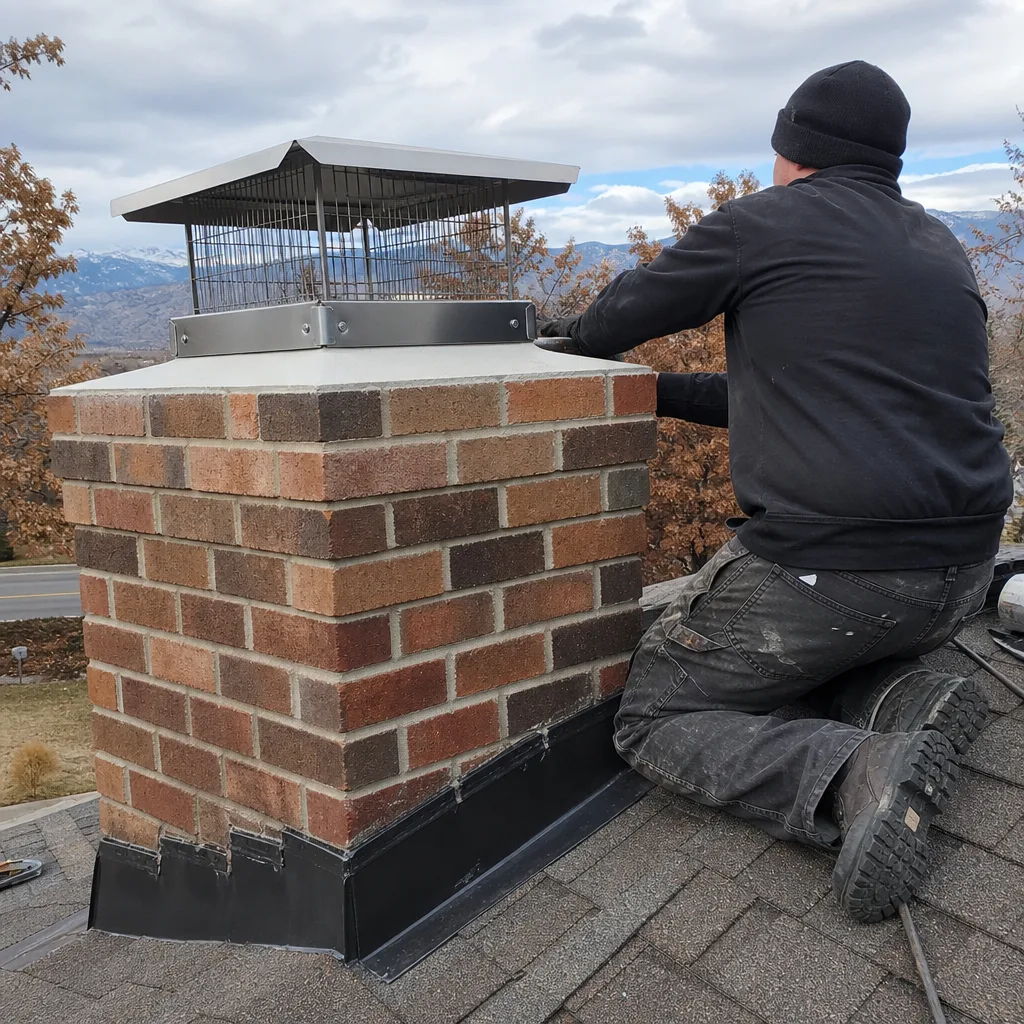 After
After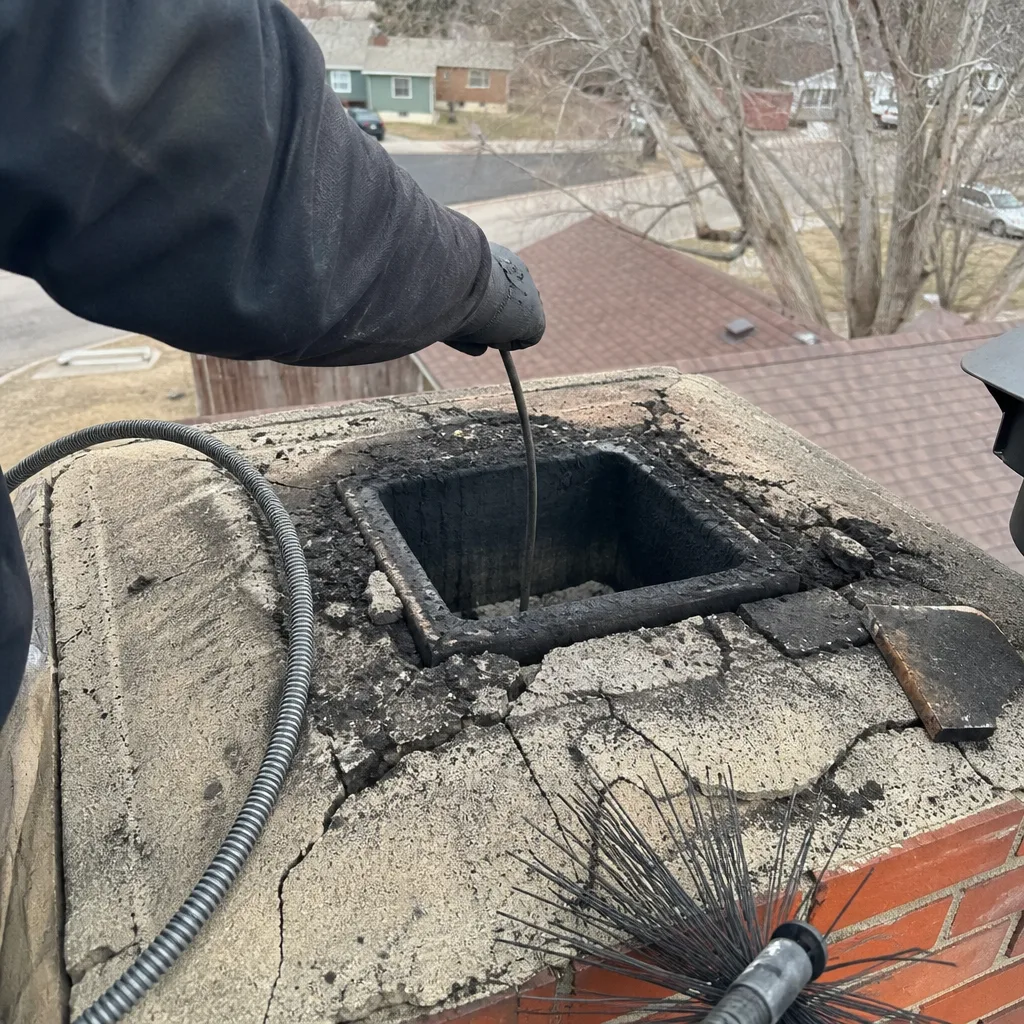 Before
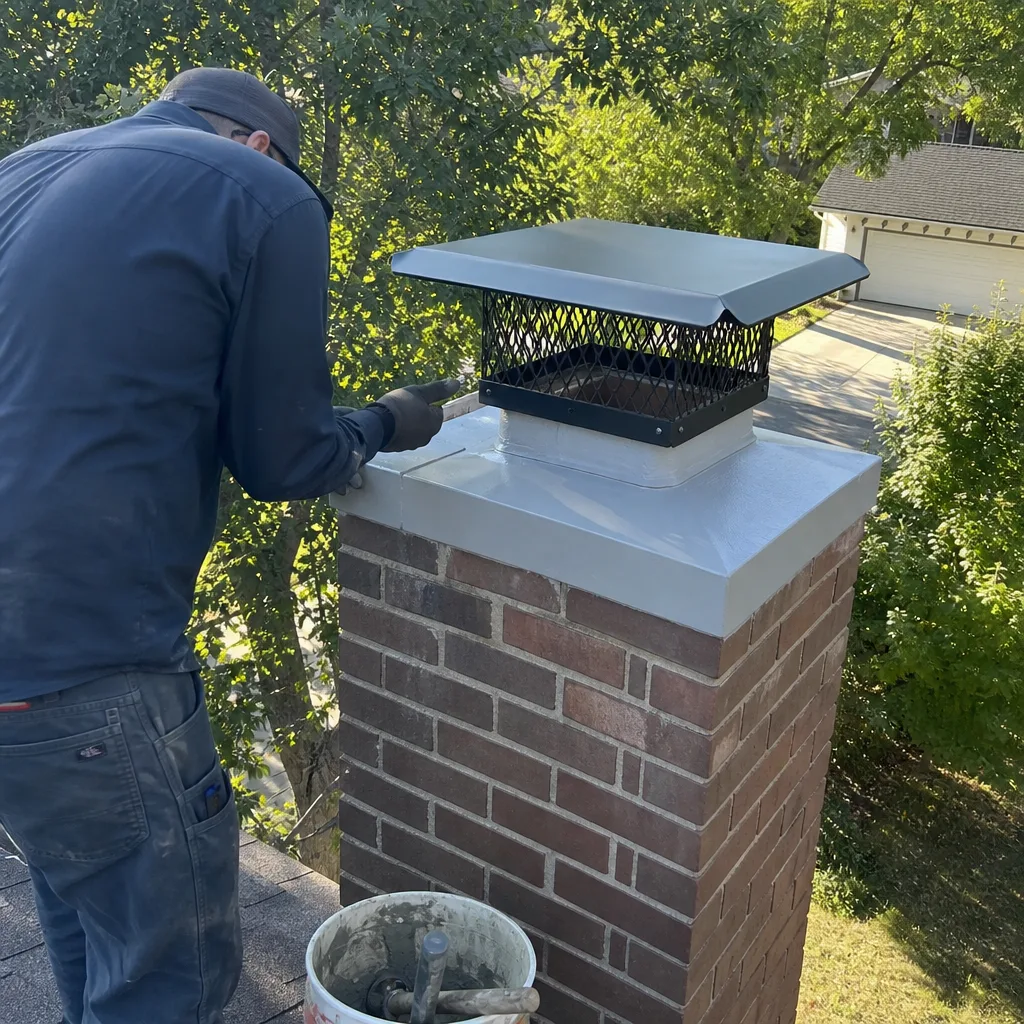 After
After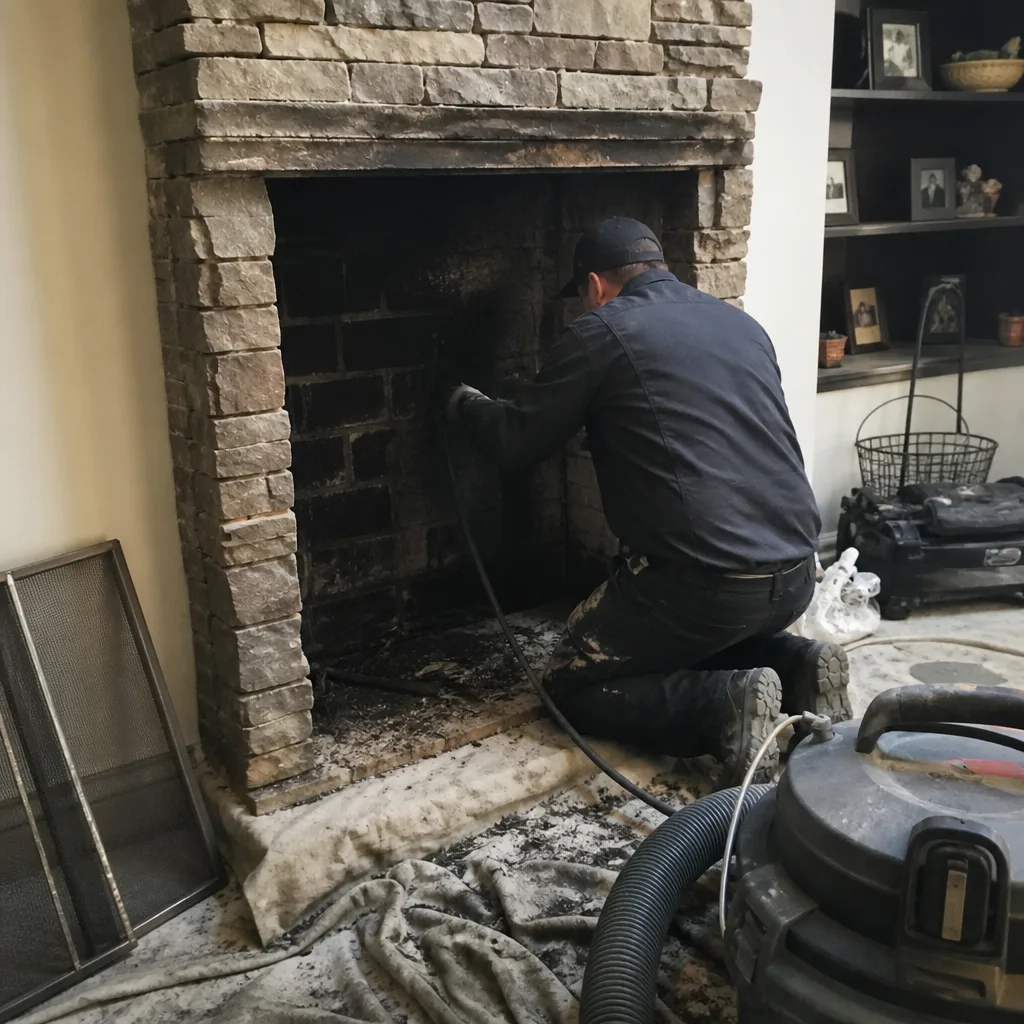 Before
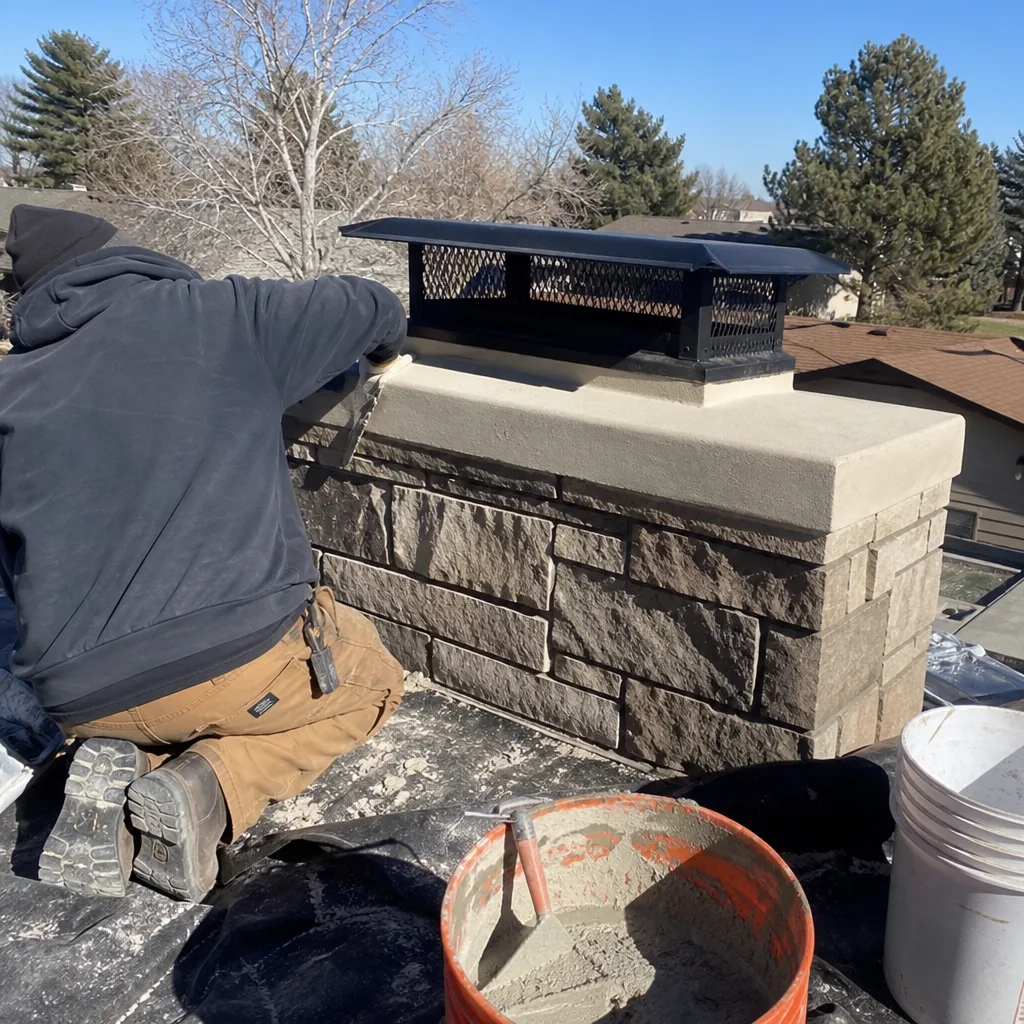 After
AfterSeasonal Chimney Cleaning Care for Littleton: Year-Round Homeowner’s Guide
The worst time to schedule a chimney sweep in Littleton is the week before the first hard freeze - which is when roughly 60% of annual appointments get booked. That crush guarantees the problems found can’t be fixed before the first fire, and homeowners end up burning through creosote buildup, cracked flue liners, or damaged crowns for another full season. In our experience inspecting more than 38,000 chimneys since 2009, the decisions that determine January safety get made in August, when most Littleton homeowners haven’t thought about their fireplace in months. This guide reframes the maintenance calendar around what actually prevents chimney failures, not what’s convenient, and points to more guides & resources for year-round chimney care.
Quick Answer
Littleton homeowners should schedule a chimney cleaning and inspection in August or September, before the Front Range burn season begins. Spring inspections in March or April catch winter damage early, while summer is the optimal window for repairs, liner replacements, and crown rebuilds when materials cure properly in warm, dry conditions. A second mid-season check is warranted for homes burning more than three cords of wood annually or operating multiple solid-fuel appliances.
Table of Contents
- Why August-September Is the Optimal Inspection Window in Littleton
- Month-by-Month Chimney Maintenance Calendar for the Front Range
- Spring Inspection: Catching Winter Damage Before It Gets Worse
- Summer Repairs: Why Warm Weather Matters for Masonry and Liners
- Burn Season Protocol: Safe Firing Practices for Littleton’s Cold Months
- Multi-Appliance Homes: Sequenced Maintenance for Fireplaces, Inserts, and Stoves
- Seasonal Indicators You Can Check Yourself
- What Chimney Maintenance Costs in Littleton and How to Schedule Smart
 Before
 After
AfterWhy August-September Is the Optimal Inspection Window in Littleton
Most Littleton homeowners call us in October. By then, our schedule is stacked three weeks deep, parts suppliers are backordered on common liner sizes, and every day of delay is another day the homeowner is tempted to “just light a small fire” before the sweep arrives.
August and September offer three practical advantages that disappear after the autumnal equinox:
- Availability of trained technicians. NFPA 211 Level 2 inspections require camera access to the full flue length, documented photo records, and enough time to assess smoke chamber, damper, and firebox conditions. In October, we’re doing four to five of these daily. In August, we might do two, which means more time on your system and less rush.
- Material curing conditions. If we find crown cracks, spalling brick, or a compromised flue liner, repairs using HeatShield refractory mortar or new stainless steel liners from DuraFlex need ambient temperatures above 50°F for proper cure and seal. Littleton’s average September high is 74°F; by late October, we’ve already seen overnight lows in the 20s.
- Supplier lead times. Custom chimney caps from Famco, replacement chase covers, or Olympia Chimney liner components often carry two- to three-week lead times in peak season. Ordering in August means installation before first freeze.
The Front Range’s specific weather pattern accelerates this timeline. Littleton sits at 5,351 feet with a semi-arid climate that produces rapid temperature swings - 40-degree drops in six hours aren’t unusual in October. Masonry that was sound in September can show new stress fractures after the first hard freeze-thaw cycle. An August inspection gives us baseline documentation; a September follow-up confirms nothing changed during that critical transition.
We’ve documented this pattern repeatedly in Littleton neighborhoods like Ken Caryl and Columbine Valley, where homes built in the 1980s and 1990s carry original clay flue tiles. Those tiles survive decades of thermal cycling until they don’t - and the failure typically manifests during the first sustained cold snap, when expansion differentials between the tile and surrounding masonry are most extreme.
Month-by-Month Chimney Maintenance Calendar for the Front Range
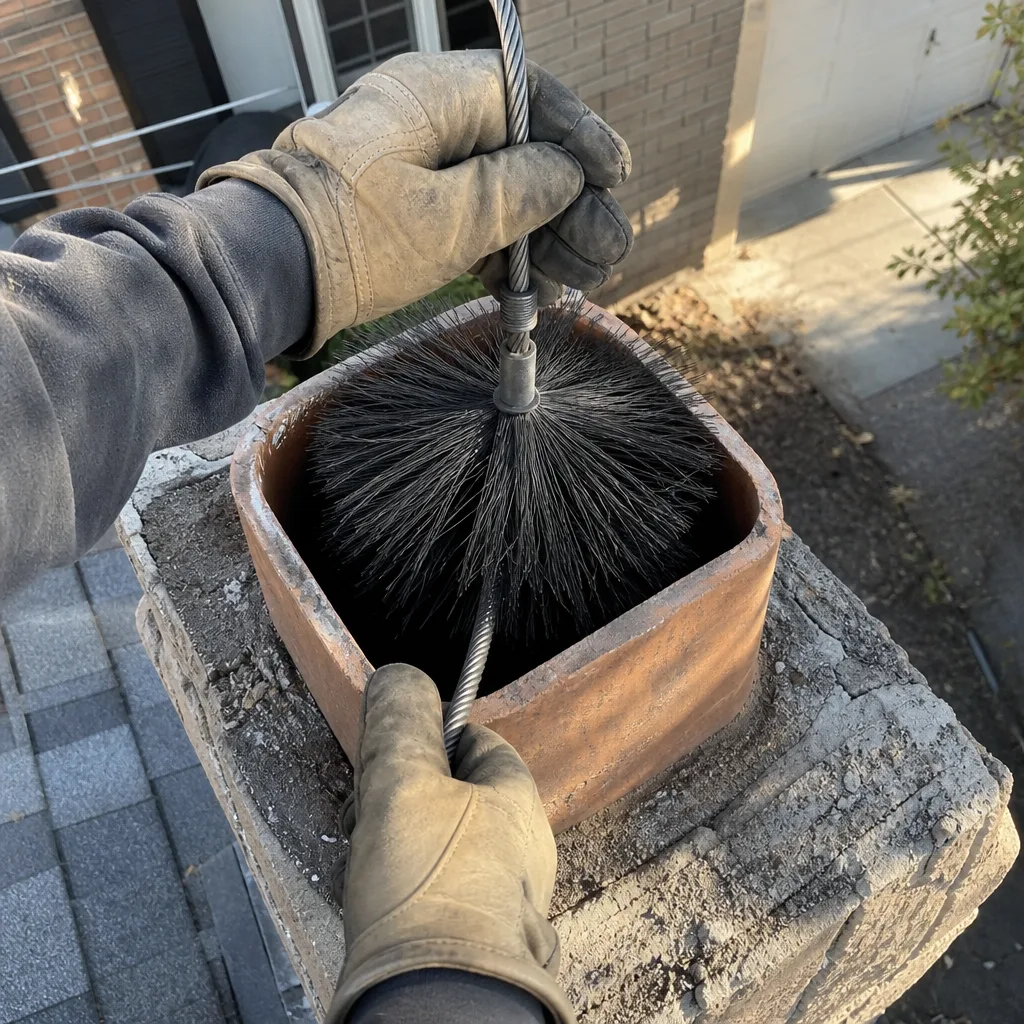
Here’s the calendar we recommend to Level Two Chimney Littleton customers, based on 16 years of Front Range service records:
January-February: Mid-Season Monitoring
You’re burning regularly. Watch for:
- Draft reversal on calm, cold mornings (indicates possible flue blockage or negative pressure issues from modern airtight construction)
- Smoke odor when the furnace cycles (sign of chimney depressurization)
- Visible creosote flakes in the firebox (Class II or III buildup accelerating)
Do not attempt to clean the flue yourself during active burn season. The risk of improper reassembly or undetected liner damage outweighs any savings. If you observe any of the above, schedule a mid-season inspection.
March-April: Post-Season Assessment
Once the last fire is out and daytime highs are consistently above 50°F, schedule your spring inspection. This is when we find:
- Thermal shock cracks in firebrick from the heaviest-use months
- Moisture intrusion at the crown that froze and expanded during winter
- Corrosion on gas log valves or connections from condensation cycling
- Animal nesting in the flue (squirrels and raccoons begin breeding activity in March)
May-June: Repair and Upgrade Window
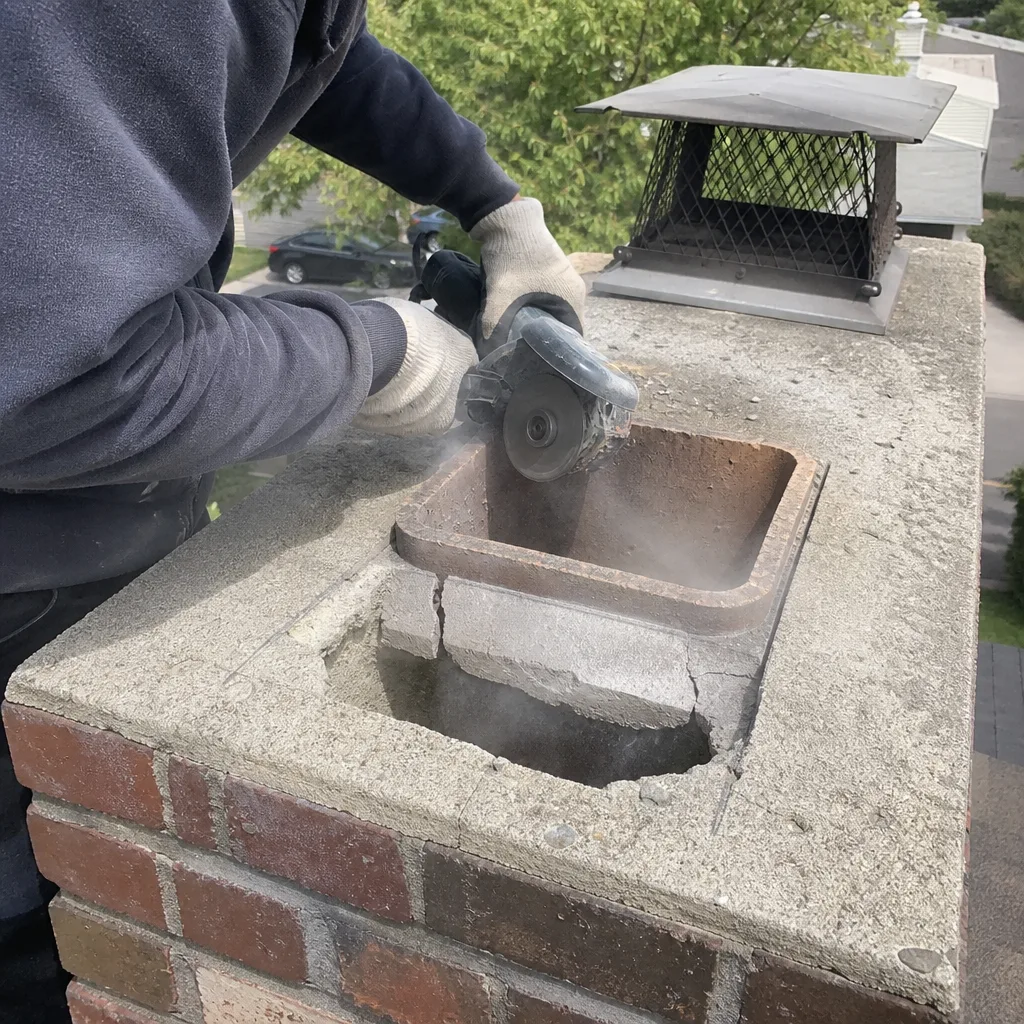
Optimal conditions for crown rebuilds, tuckpointing, and liner replacements. Warm days and low humidity allow proper cure of refractory materials. This is also when we install chimney caps and chase covers before summer storms arrive.
July-August: Pre-Season Preparation
Schedule your annual sweep and NFPA 211 Level 2 inspection. By mid-August, we’re booking into early September. If you burn wood as a primary heat source or operate a wood stove in addition to a fireplace, mention this when booking - we’ll allocate additional time and bring appropriate liner-sizing documentation. For a complete task list, see our Chimney Cleaning & Sweep Maintenance Checklist for Littleton Homeowners.
September-October: Final Verification
For homes where repairs were completed in summer, we perform a pre-burn verification scan at no charge under our 365-Day Done Right Promise. This confirms seals held, caps are secure, and no debris accumulated during the work interval.
November-December: Active Burning
First fire protocol: open the damper fully, crack a window to establish draft, and burn a small, hot fire for 20 minutes before loading the box. This drives accumulated moisture out of the flue liner and tests system response under controlled conditions.
Spring Inspection: Catching Winter Damage Before It Gets Worse
The inspection most homeowners skip is the one that prevents the costliest repairs.
Winter in Littleton subjects chimney systems to thermal stress that doesn’t show immediately. A flue liner that handled November fires fine may have developed hairline fractures during January’s sustained sub-zero nights. Those fractures don’t leak smoke into wall cavities right away - they widen slowly with each freeze-thaw cycle, each expansion and contraction of dissimilar materials.
By waiting until October to inspect, you’re burning through that damage for a second full season. We’ve removed flue tiles in Ken Caryl homes where the crack was visible in March, invisible by May as creosote filled it, and catastrophic by the following January when the tile finally split and shifted.
Spring inspection specifically targets:
- Spalling brick and deteriorated mortar. Water that penetrated in fall freezes, expands, and flakes off brick faces. Early catch means tuckpointing; late catch means partial rebuild.
- Crown integrity. The concrete crown sheds water from the flue opening. A crack that admits water in March admits exponentially more during July’s afternoon thunderstorms. We seal with HeatShield CrownCoat or rebuild with poured concrete depending on damage extent.
- Damper corrosion. Metal dampers in gas-assisted wood fireplaces corrode from acidic condensation. Spring replacement avoids the fall rush and lets us verify proper seal before burn season.
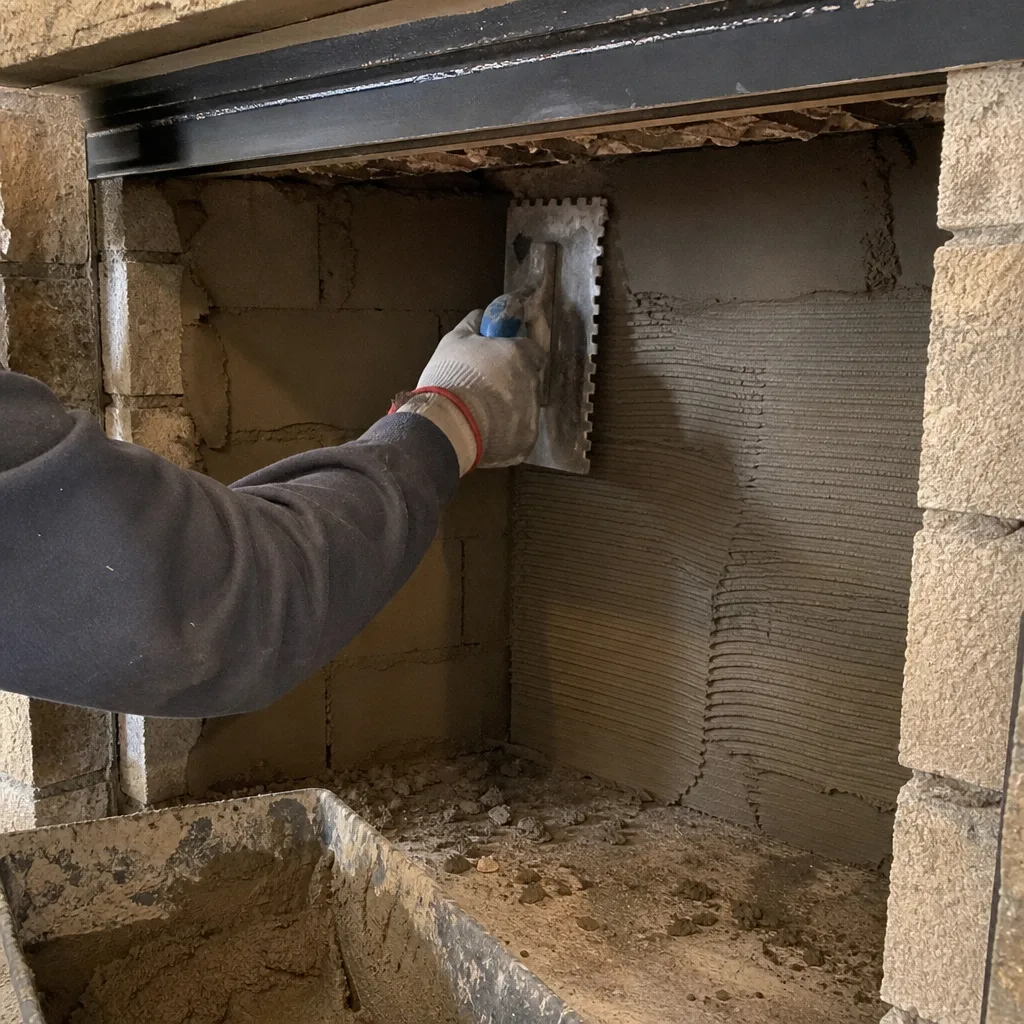
- Smoke chamber parging. The smoke chamber - the area above the damper that funnels smoke into the flue - often has corbelled brick or degraded parging. NFPA 211 requires smooth passage; spring is when we apply HeatShield Smoke Chamber Sealant if needed.
Our documented photo record from Clause 4 of the Haven Standard lets us compare year-over-year conditions precisely. A homeowner in Littleton’s Historic Downtown district can see that the crown crack measured 1/8 inch in March 2023 and 3/8 inch by March 2024 - objective evidence that maintenance is due, not speculative upselling.
Summer Repairs: Why Warm Weather Matters for Masonry and Liners
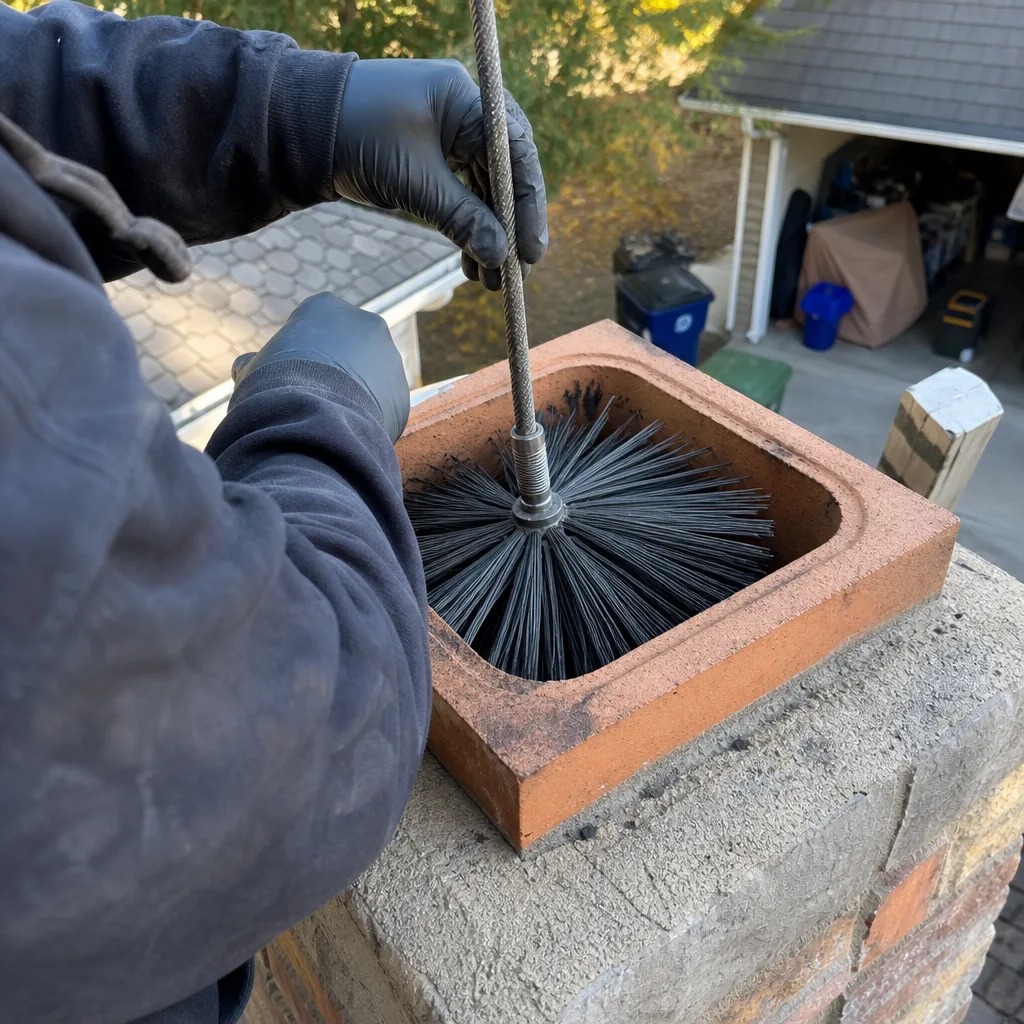
Not all chimney work can happen in any season. Some procedures have narrow temperature windows that Littleton’s summer reliably provides.
Masonry and Crown Work
Portland cement-based crown rebuilds need ambient temperatures between 50°F and 90°F for 48 hours minimum. HeatShield refractory products require 24 hours above 60°F for full cure. Littleton averages 14 days above 90°F in July - enough heat, but not so much that rapid evaporation causes surface cracking. We schedule crown pours for morning starts when possible, allowing full cure before afternoon peak.
Stainless Steel Liner Installation
Flexible liners from DuraFlex or rigid Olympia Chimney components expand during their first heating cycle. Installing in summer lets us complete the initial “burn-in” with controlled, moderate fires rather than the intense demand of January heating. This reduces thermal shock to the new liner and surrounding masonry.
Exterior Waterproofing
We apply silane/siloxane-based water repellents to exterior masonry only when 48 hours of dry weather is forecast. Littleton’s monsoon pattern - afternoon thunderstorms from mid-July through August - means we watch forecasts closely and typically book exterior treatments for June or early July.
Chimney Cap and Chase Cover Replacement
Custom-fabricated caps from Famco or standard Copperfield components install fastest in dry conditions. Summer also reveals whether existing caps actually prevented intrusion - if water staining appears in July despite a cap, we know to look at crown slope, flashing, or chase top design rather than just replacing like-for-like.
One pattern we see in Littleton’s newer construction, particularly in neighborhoods like Roxborough and Highlands Ranch bordering our service area: builders often installed decorative chase tops with inadequate slope or flat-center designs that pool water. Summer replacement with a proper cross-break or domed design eliminates the problem permanently.
Burn Season Protocol: Safe Firing Practices for Littleton’s Cold Months
Once the system is inspected, cleaned, and verified, how you burn determines whether you’ll need us again before spring.
Wood Selection and Storage
Littleton’s altitude and dry climate actually help here. Wood dried one full year at 5,351 feet reaches moisture content below 20% faster than at sea level. Store split wood off the ground, covered on top, open on sides, positioned for afternoon sun exposure. Hardwoods - oak, ash, maple - burn cleaner than pine or spruce, though properly seasoned conifers are acceptable for kindling and shoulder-season fires.
Fire-Building Technique
- Start with newspaper and dry kindling, damper fully open.
- Add small splits once kindling is established, building to a hot, fast fire rather than smoldering a large load.
- Only add full-size logs once the flue is thoroughly warm - typically 15-20 minutes.
- Maintain visible flame; a bed of glowing coals with no flame produces the most creosote.
- Never burn cardboard, painted wood, pressure-treated lumber, or household trash. These release corrosive compounds and toxic fumes.
Burn Season Frequency
For average use - weekend fires, occasional weeknight use - annual inspection and cleaning suffice. For primary heating, or homes burning more than three cords annually, we recommend mid-season inspection. Class III glazed creosote, the hard, tar-like deposit that requires mechanical removal, can form in as little as 50 burns with improper technique or unseasoned wood.
Littleton’s temperature inversions, particularly in December and January, compound the risk. When a high-pressure system traps cold air in the South Platte Valley, draft performance degrades. A flue with even moderate buildup may fail to establish proper draw, pushing smoke into the living space. The 2022-2023 winter saw three extended inversion periods; our emergency call volume spiked each time, almost entirely from systems that hadn’t been inspected that fall.
Multi-Appliance Homes: Sequenced Maintenance for Fireplaces, Inserts, and Stoves
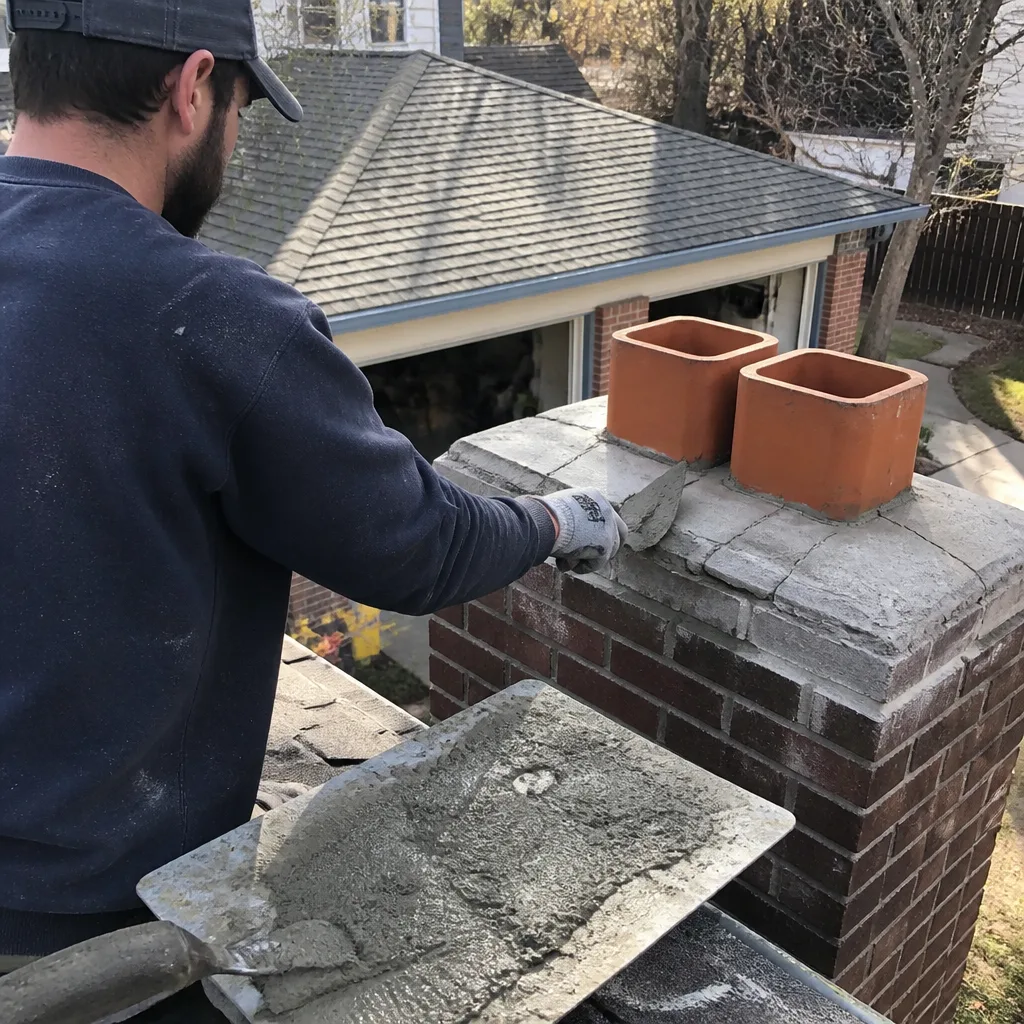
Homes with multiple solid-fuel or gas appliances need sequenced maintenance, not a single annual visit. Each appliance has distinct venting requirements, and their interaction affects system performance.
Common Configurations in Littleton
We regularly service homes with:
- Basement wood stove + main-floor fireplace sharing a chimney structure
- Gas insert in original fireplace with separate wood-burning stove addition
- Outdoor kitchen pizza oven or fire pit tied to interior chimney system
- Pellet stove with separate vent plus traditional fireplace
Sequenced Inspection Protocol
- Inspect the highest-venting appliance first. In a two-story home with basement stove and main-floor fireplace, we begin with the fireplace. Its flue serves as the primary chimney; the stove connector ties in below. Any blockage or damage at the top affects both.
- Document each flue separately. Under Haven Standard Clause 4, each flue gets its own photo record and condition assessment. We don’t combine them into a single “chimney OK” summary.
- Test draft with all appliances idle, then with each running. Depressurization from a kitchen range hood, dryer, or furnace can reverse draft in an adjacent flue. We test under realistic conditions.
- Schedule maintenance by appliance type, not by calendar convenience. Wood stoves need cleaning based on creosote accumulation (measured in inches, not months). Gas inserts need burner and valve inspection on a fixed schedule. Pellet stoves need auger and exhaust blower service distinct from chimney sweeping.
In Littleton’s older homes, particularly in the Kipling Parkway corridor and Belmar area, we encounter original masonry chimneys retrofitted with multiple appliances. These systems often lack proper sizing documentation. We measure flue dimensions, calculate appliance output, and verify compliance with Chimney Cleaning Permits, Codes & Inspections in CO: What You Need to Know - a process that takes 90-120 minutes versus 45 for a single-appliance inspection, but prevents the hazardous condition of an undersized flue serving an oversized stove.
Never assume that because one appliance was “checked,” the whole system is sound. We’ve documented cases where a gas insert was serviced annually while the shared masonry flue above it deteriorated unseen, or where a wood stove installation from the 1990s used a connector pipe that no longer meets code.
Seasonal Indicators You Can Check Yourself
Between professional visits, observation is your most useful tool. These indicators don’t replace inspection, but they tell you when to call.
Draft Behavior
- Hard start, then good draft: Normal cold flue behavior. Light newspaper under the open damper for 30 seconds to pre-warm.
- Smoke spillage that improves as fire builds: Indicates adequate flue size but poor initial draw. Check for blockages at the cap; verify damper opens fully.
- Smoke spillage that worsens as fire builds: Possible flue obstruction, undersized flue, or damaged liner. Stop burning and schedule inspection.
- Downdraft on windy days only: Often a cap design issue or inadequate chimney height relative to roof peak. Correctable with proper cap selection or height extension.
Odor Changes
- Sharp, acrid smell when furnace runs: May indicate chimney depressurization drawing exhaust through a compromised flue. Carbon monoxide risk - call immediately.
- Musty odor in summer: Moisture intrusion. Check crown and flashing; verify cap is secure.
- Tar-like smell during active burning: Creosote accumulation approaching hazardous levels. Schedule cleaning before next use.
Visible Exterior Changes
- White efflorescence on brick (salt deposits from moisture migration)
- Missing or shifted cap
- Rust staining on chimney face (failed chase cover or flashing)
- Vegetation growth in mortar joints (sustained moisture, freeze-thaw damage accelerating)
One Littleton-specific factor: our intense UV exposure at altitude degrades metal components faster than at sea level. A stainless steel cap rated for 20 years in Chicago may show surface rust in 12 here. We source caps with higher-grade alloys through our Haven buying network specifically for this environment.
What Chimney Maintenance Costs in Littleton and How to Schedule Smart
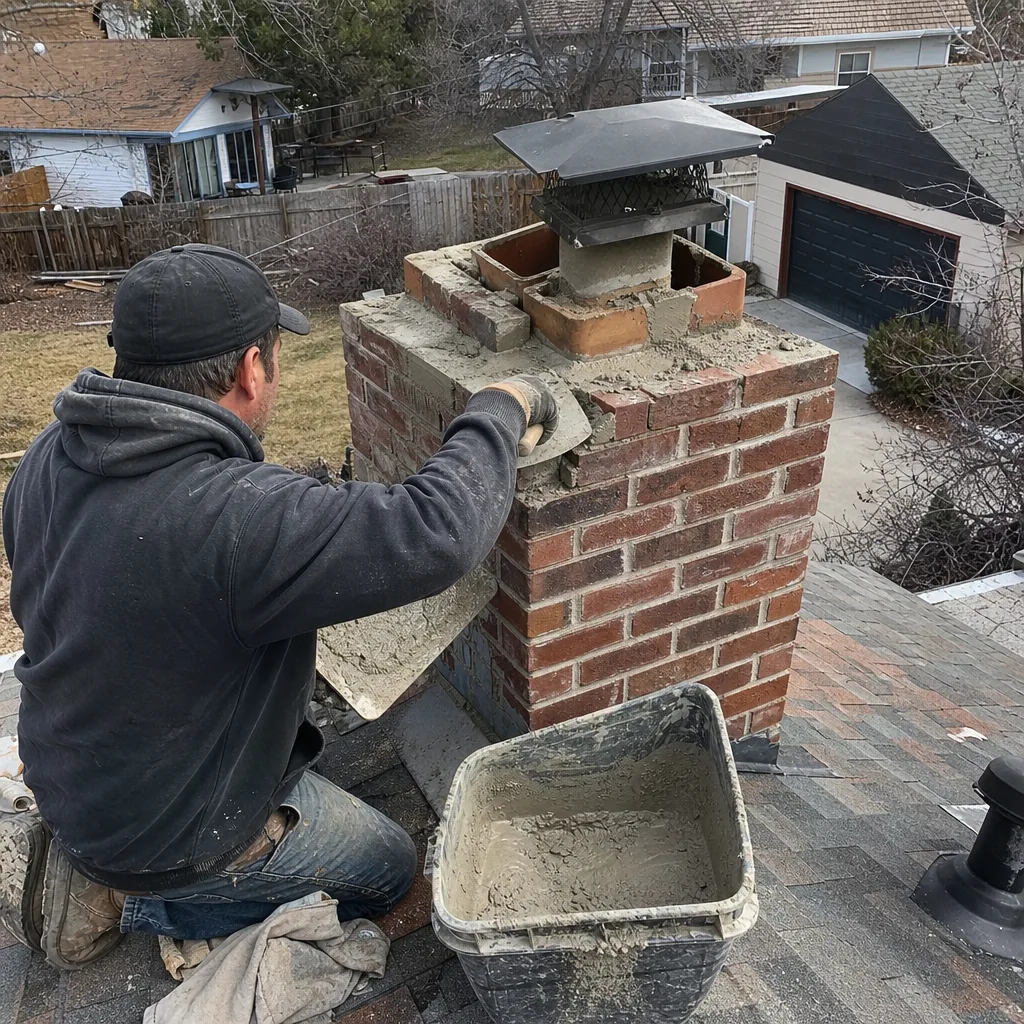
We publish pricing because “call for a quote” wastes your time and ours. For a detailed breakdown, see our Chimney Cleaning Cost Breakdown: The Littleton Homeowner’s Reference for 2026. Here’s what Level Two Chimney Littleton charges for standard services, with the variables that move price within or above these ranges:
| Service | Price Range | What Affects Cost |
|---|---|---|
| NFPA 211 Level 2 Inspection with camera scan and photo record | $249-$349 | Number of flues, roof access difficulty, appliance count |
| Chimney sweep (cleaning only, with inspection) | $189-$289 | Creosote class (I, II, or III), flue length, accessibility |
| Crown seal or minor repair | $350-$650 | Crown size, damage extent, material (CrownCoat vs. rebuild) |
| Stainless steel liner installation | $2,800-$4,500 | Flue length, diameter, appliance type, connection complexity |
| Chimney cap or chase cover replacement | $285-$750 | Size, material (galvanized vs. stainless vs. copper), custom fabrication |
Every job receives a written price before work starts, a written scope of work, and a written warranty - Haven Standard Clause 1, “Have it in writing.” No exceptions. If a competitor has provided a written estimate, we’ll review it at no charge under our Free Second Opinion policy.
Scheduling strategy for cost and availability:
- Best value window: July-August. Full technician availability, material suppliers unstressed, no weather delays.
- Avoid if possible: October 15-November 15. Premium rates don’t apply, but wait times extend and repair completion before first freeze isn’t guaranteed.
- Mid-season emergency: We answer live 24/7, but emergency rates reflect after-hours dispatch. Preventive scheduling eliminates this cost entirely.
Littleton’s specific market conditions affect timing too. The post-2020 housing turnover means many current owners inherited systems with unknown maintenance history. If you purchased your home between 2015 and 2025 and don’t have inspection records from the prior owner, assume baseline inspection is needed regardless of apparent condition.
Common Mistakes to Avoid
- Waiting for visible smoke problems before calling. By the time smoke enters your living space, the underlying condition has progressed past preventive maintenance into repair territory. In Littleton’s tight market, that repair often requires scheduling into the next available window - which may be weeks.
- Assuming gas fireplaces need no maintenance. Gas inserts and log sets produce acidic condensation that corrodes valves, degrades ceramic components, and can block venting. Annual inspection is required; “it’s gas, it’s clean” is a dangerous myth.
- Using the wrong firewood. Unseasoned wood, or wood stored against the house where it wicks ground moisture, produces Class III creosote in a single season. In Littleton’s dry climate, there’s no excuse - proper storage and one-year seasoning is achievable for any homeowner.
- Neglecting the chimney cap. The cap is not decorative. It prevents water intrusion, animal entry, and debris accumulation. A missing or damaged cap voids the protection your flue liner depends on.
- DIY flue cleaning with improper tools. Polypropylene brushes on metal flues, or metal brushes on clay tile, cause damage that isn’t visible until inspection. The $50 saved on a brush rental can cost thousands in liner replacement.
- Failing to document prior work. Without records, every inspector starts from zero. Our Clause 4 photo records travel with the property; request them from prior owners or your home inspector at purchase.
When to Call a Professional
Call Level Two Chimney Littleton at (720) 439-4666 when you observe any of the following: smoke spillage into the room during normal operation; visible cracks in firebrick or flue tile; rust or water staining on the chimney face; sudden draft change after weather events; animal sounds or odors from the flue; or if your last inspection was more than 12 months ago. For gas appliances, any odor of combustion products or malfunctioning pilot requires immediate professional evaluation - carbon monoxide risk is not visible and not optional.
We offer free estimates in Littleton and surrounding areas. Every estimate includes the written price, scope, and warranty before any commitment. If you have a competitor’s written quote, we’ll provide a Free Second Opinion comparison at no charge.
Frequently Asked Questions
A professional chimney sweep in Littleton typically costs $189-$289, including the NFPA 211 Level 2 inspection with camera scan and documented photo record. The price varies based on creosote accumulation level (Class I, II, or III), flue length, and roof access difficulty. Call (720) 439-4666 for an exact quote - estimates are free and include a written price before any work starts.
Annual sweeping is the minimum for any solid-fuel appliance. For homes burning more than three cords of wood per year or using a wood stove as primary heat, mid-season inspection is prudent. Gas fireplaces and inserts also require annual inspection despite cleaner combustion, due to valve corrosion and venting degradation. The NFPA 211 standard, which we follow on every job, establishes this frequency based on fire-risk data, not convenience.
You need a new flue liner only if inspection documents damage or code non-compliance that creates a safety hazard. We don’t recommend liner replacement without camera evidence you can see yourself - cracks, gaps, or deterioration visible in the photo record. In some cases, a damaged liner can be repaired with HeatShield resurfacing rather than full replacement. If a competitor has recommended replacement, bring us their written estimate for a Free Second Opinion with independent documentation.
Skipped maintenance leads to creosote accumulation, which is the fuel for chimney fires - over 25,000 occur annually in the U.S., many in systems that weren’t inspected. Beyond fire risk, degraded flue liners allow heat transfer to combustible framing, and blocked vents can force carbon monoxide into living spaces. In Littleton’s market, deferred maintenance also means deferred repair costs compound: a $350 crown seal in August becomes a $2,800 liner replacement after water intrusion destroys the flue.
You can observe exterior indicators and draft behavior as described in this guide, but you cannot perform an NFPA 211 Level 2 inspection without specialized equipment. The camera scan requires a high-resolution, articulating camera with sufficient light output to document the full flue circumference - equipment that costs more than most homeowners’ annual maintenance budget. More critically, interpretation requires training: distinguishing between surface staining and active cracking, or between acceptable mortar weathering and structural compromise, isn’t intuitive. We include this documentation as standard on every visit; there’s no separate charge for “the real inspection.”
Littleton’s 5,351-foot elevation means more intense UV degradation of exterior components, wider temperature swings that stress masonry, and lower atmospheric pressure that affects draft performance. Our semi-arid climate reduces overall moisture exposure but concentrates it in brief, intense events - summer thunderstorms and spring snowmelt - that test crown and flashing integrity abruptly. These factors don’t change the maintenance fundamentals, but they accelerate certain failure modes and make documentation-based comparison year-over-year more valuable than in stable climates.
The Bottom Line
Chimney safety in Littleton is determined by decisions made in August, not October. The Front Range’s compressed burn season, extreme temperature swings, and intense UV exposure reward homeowners who schedule ahead, document consistently, and address repairs in the weather window that allows proper completion. Annual NFPA 211 Level 2 inspection with camera documentation, spring assessment for winter damage, and summer repair scheduling form a maintenance rhythm that prevents emergency calls and protects your home’s value. The cost of prevention is always lower than the cost of failure - and in our experience, the homeowners who schedule in August sleep better in January.
Ready to schedule your inspection? Call Level Two Chimney Littleton at (720) 439-4666 for a free estimate. Written price, written scope, written warranty - always, before any work starts.
Written by Corrine Halstead, Owner at Level Two Chimney Littleton, serving Littleton since 2009.