
Level 1 sweep and inspection to the NFPA 211 annual standard - flue, crown, cap, and flashing checked and photographed
Chimney sweep logs do not sweep chimneys. They loosen some creosote - which then falls where a brush and vacuum still have to collect it.
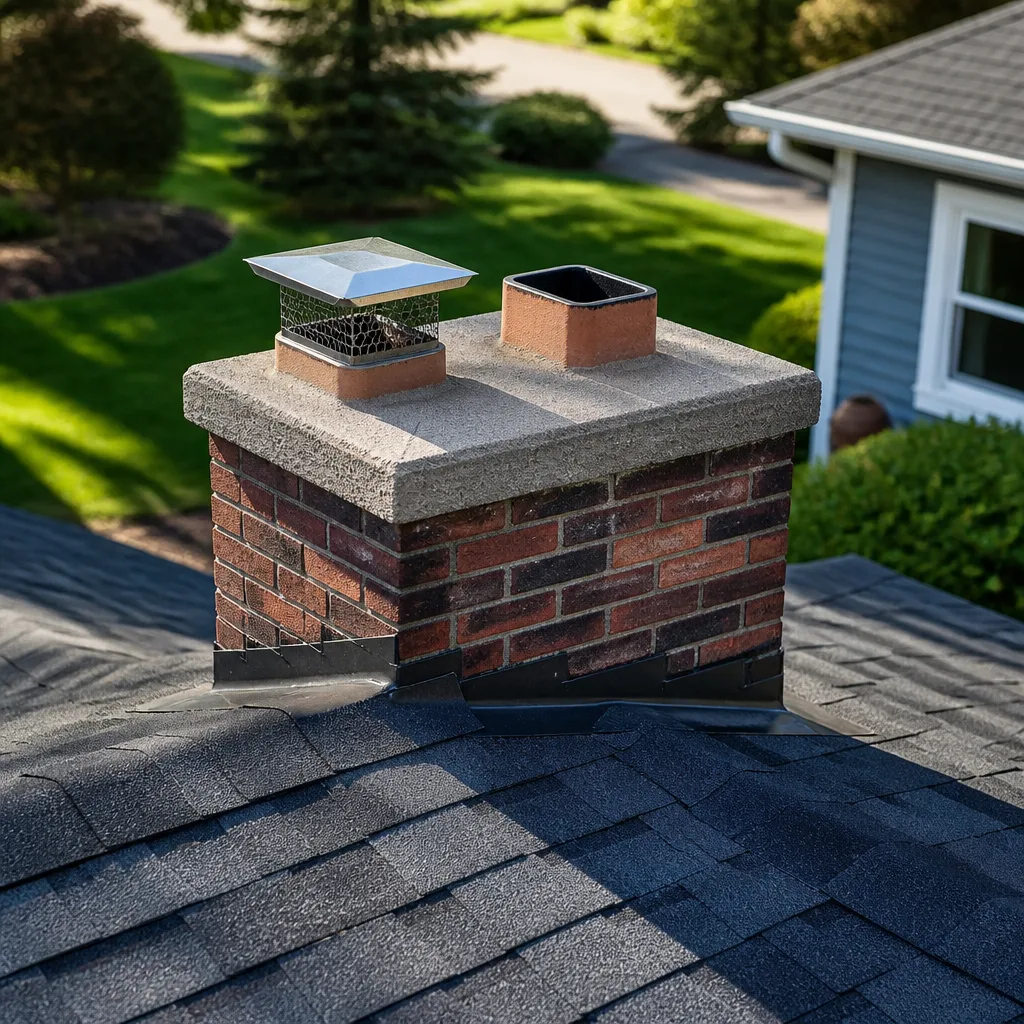
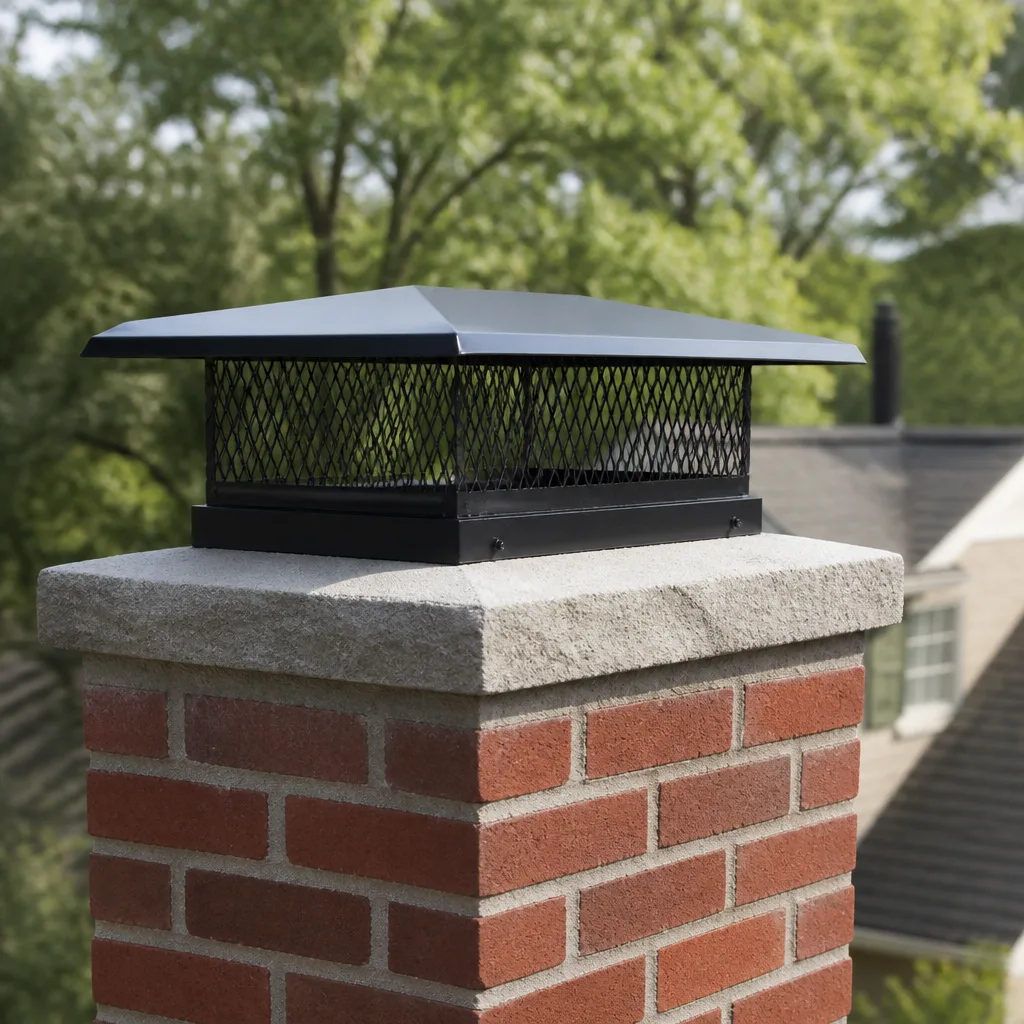
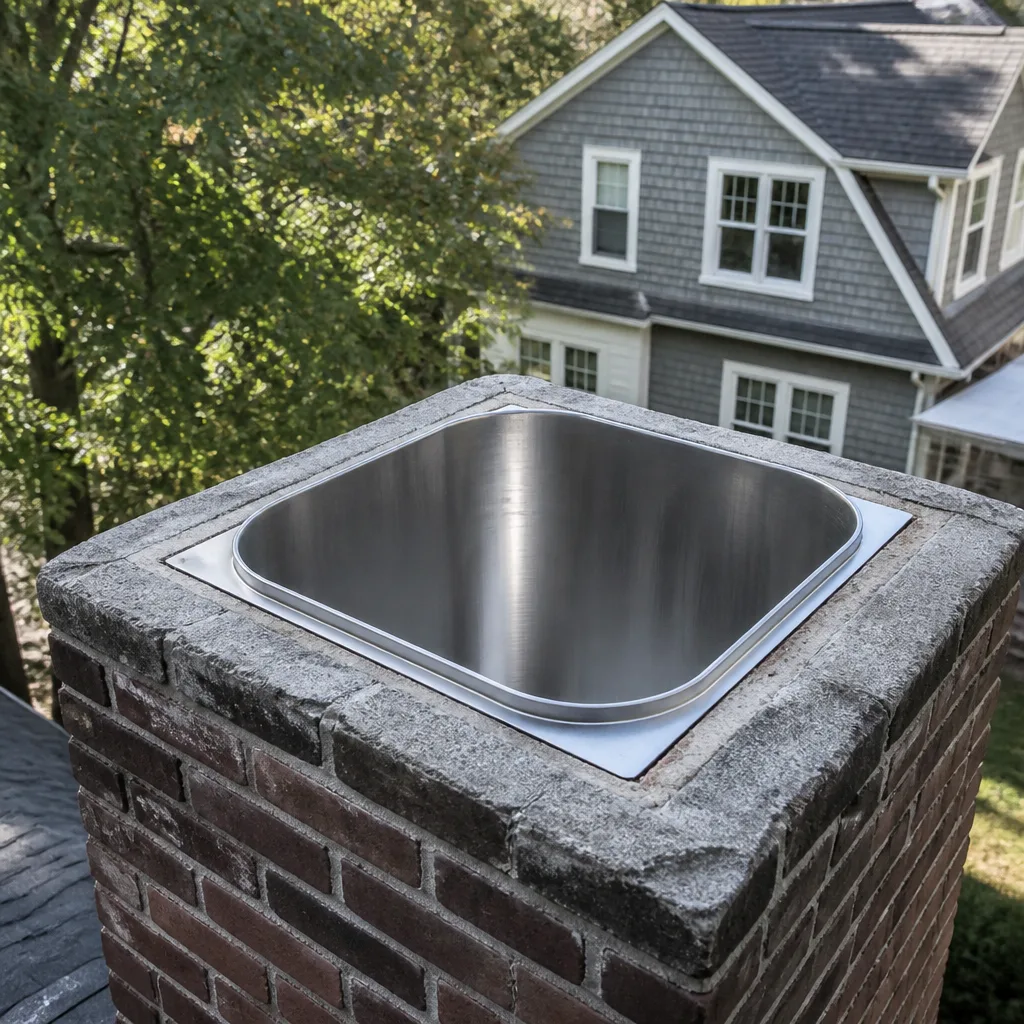
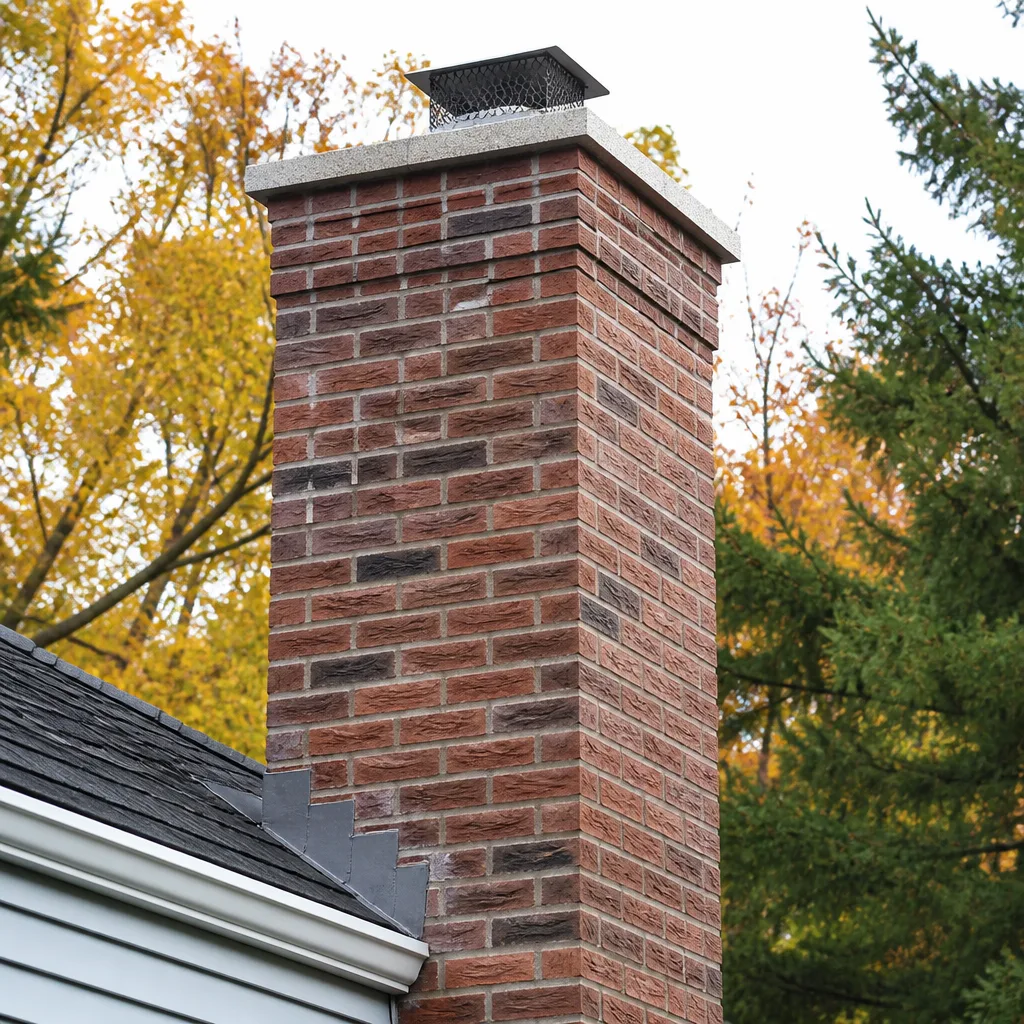
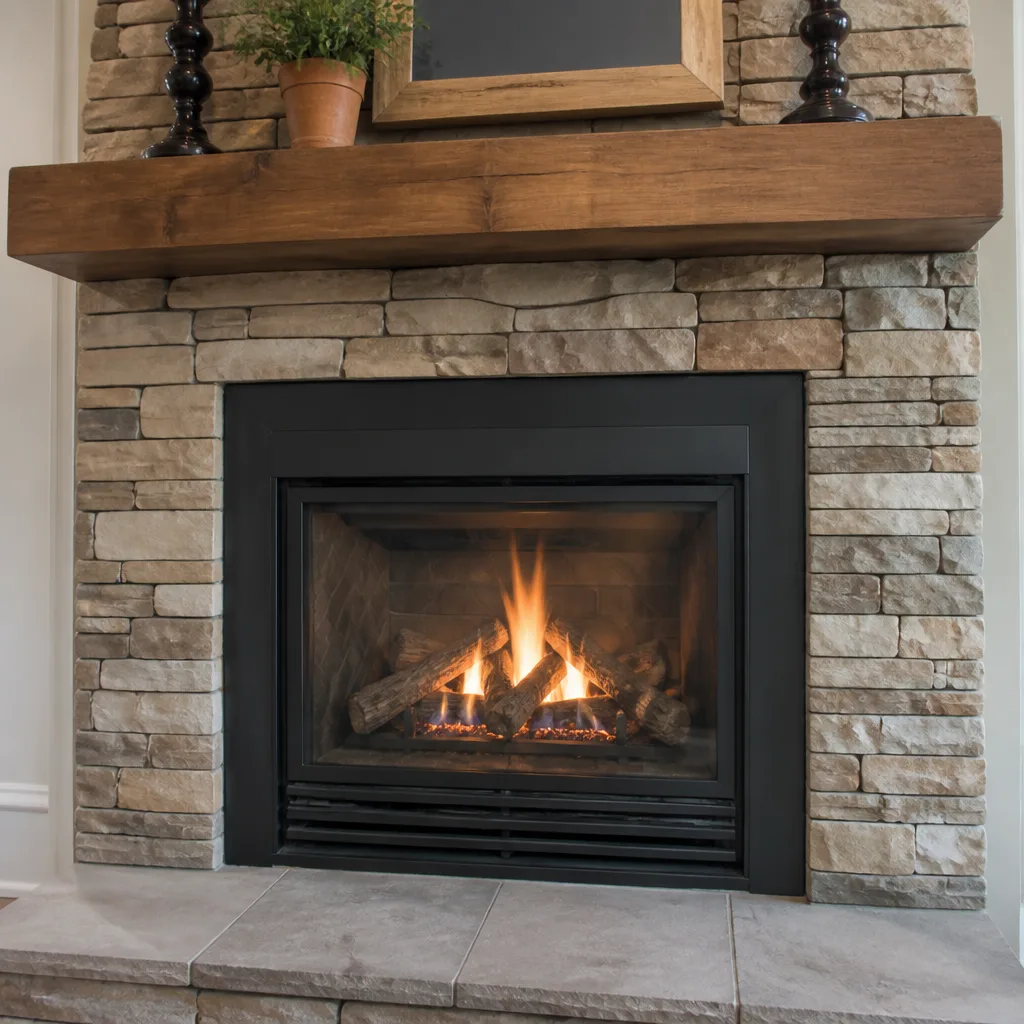
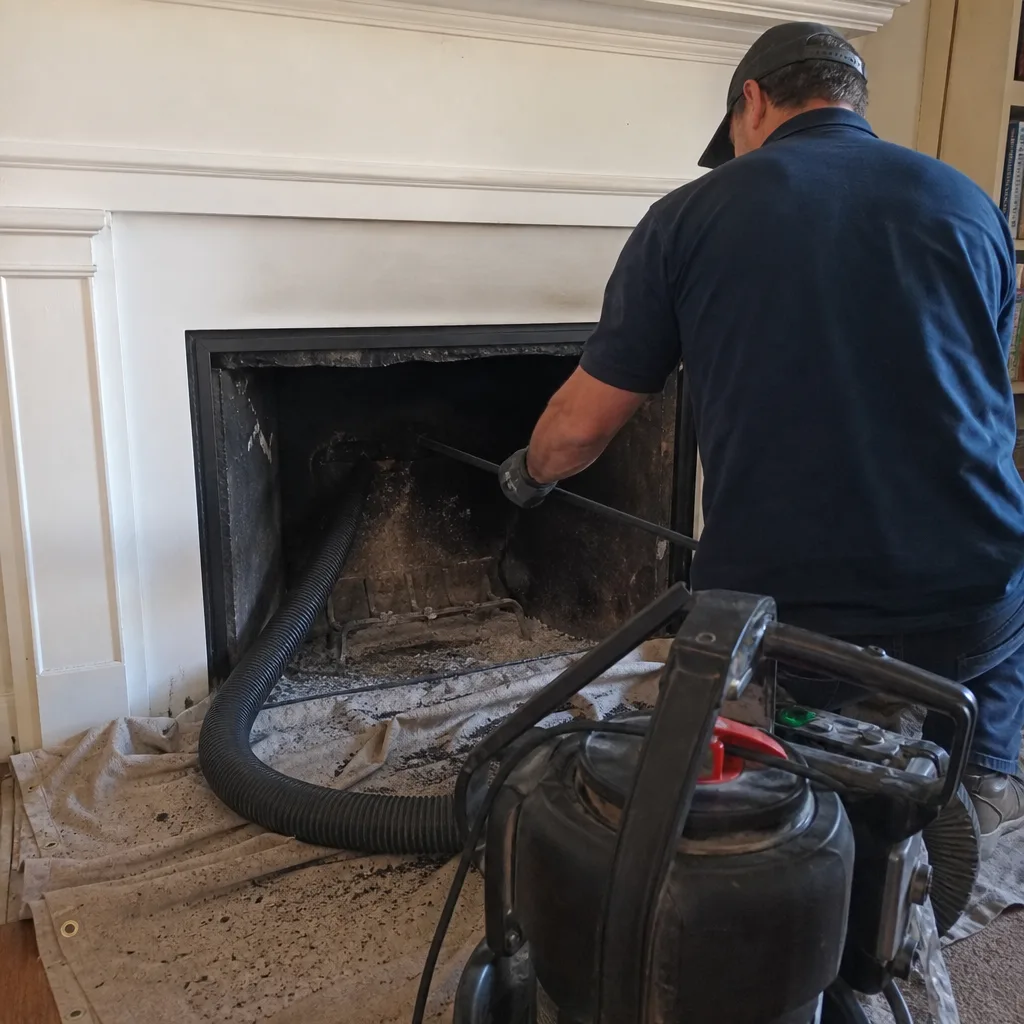 Before
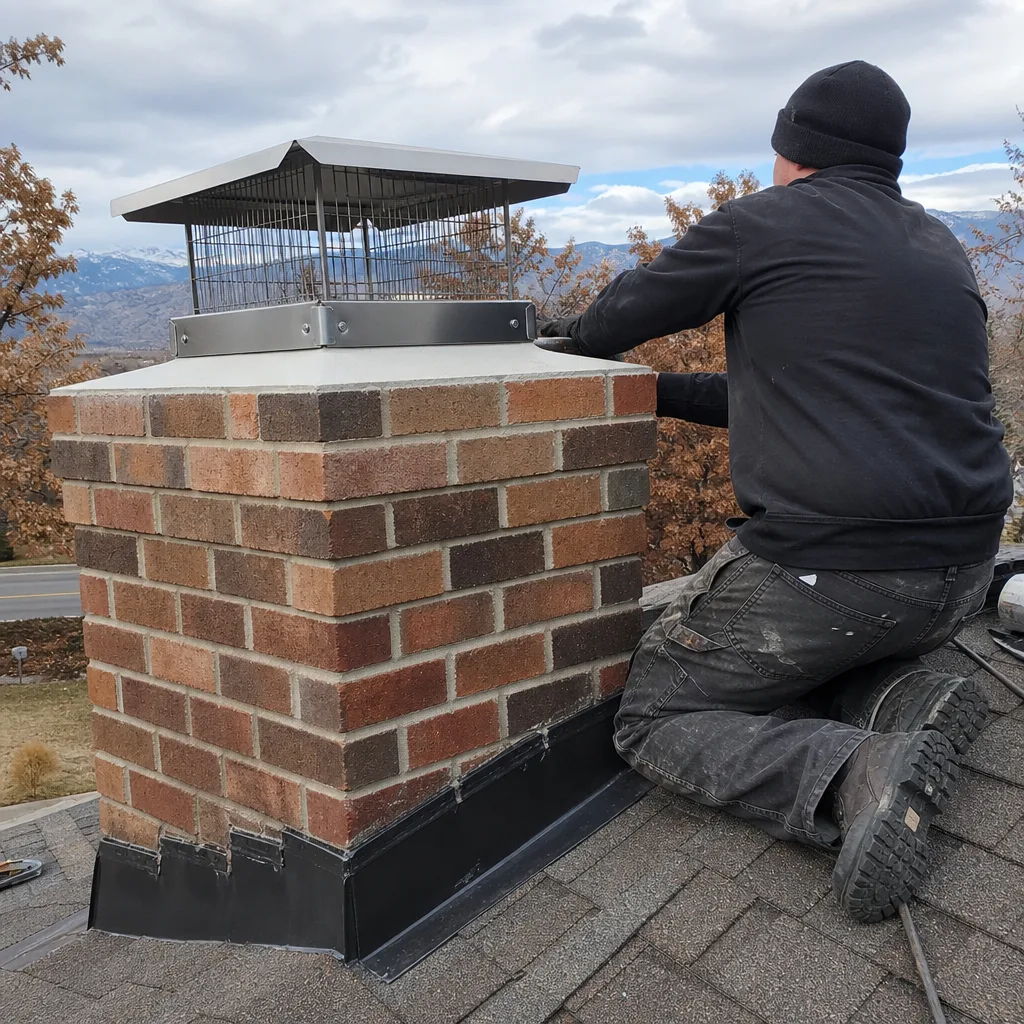 After
After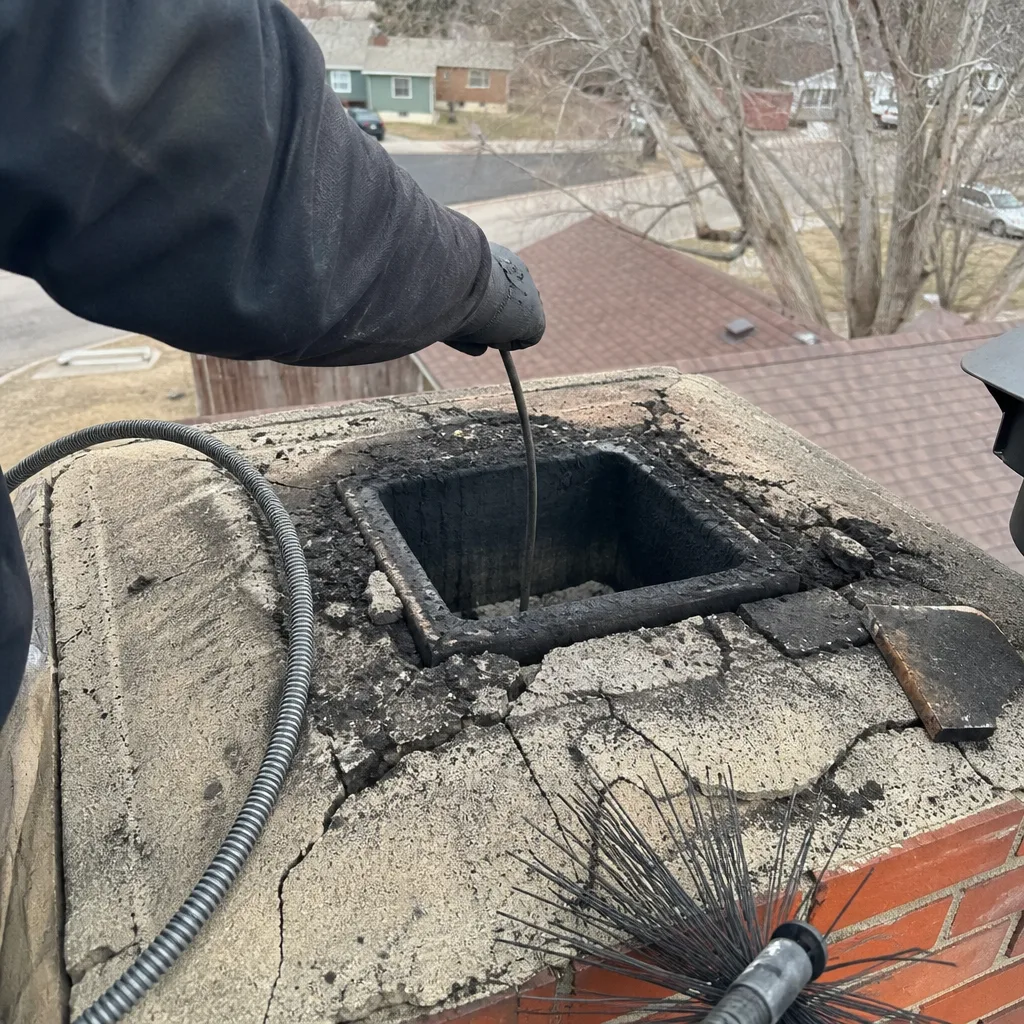 Before
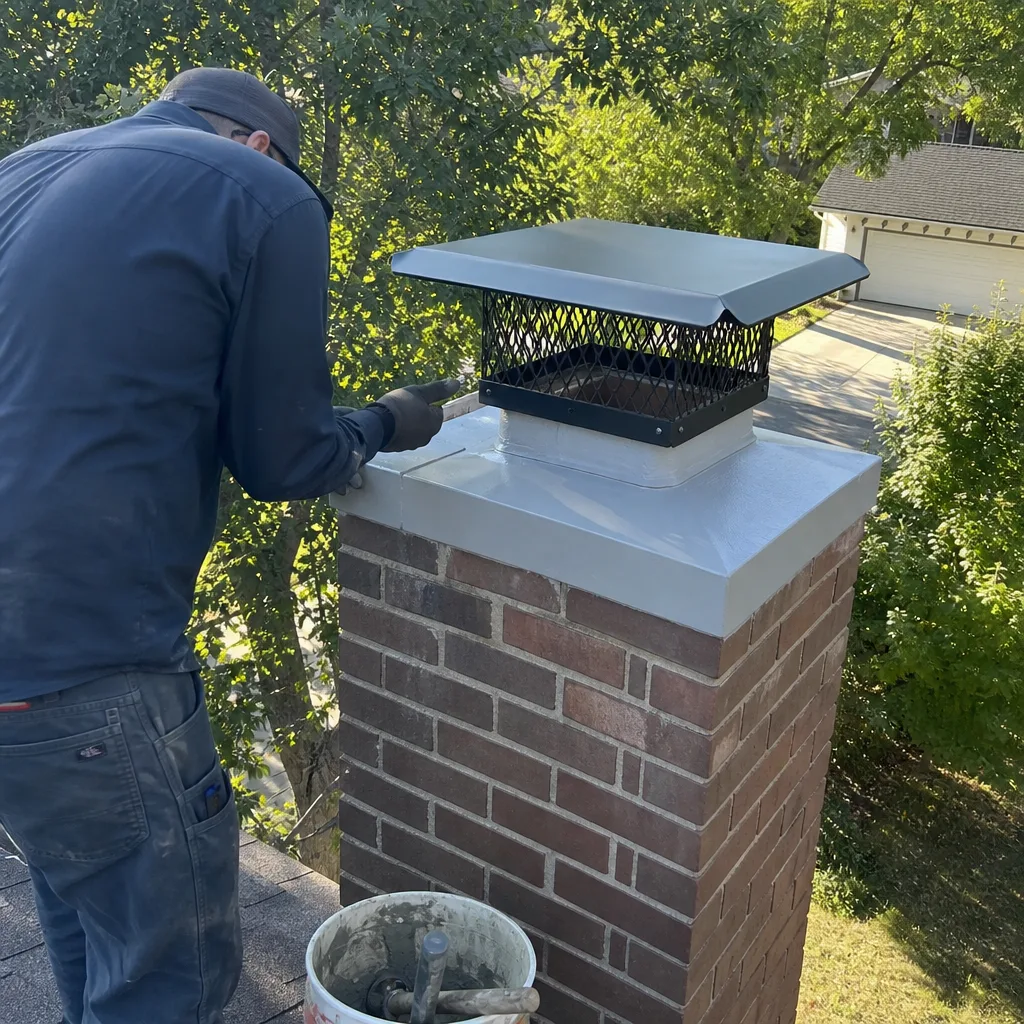 After
After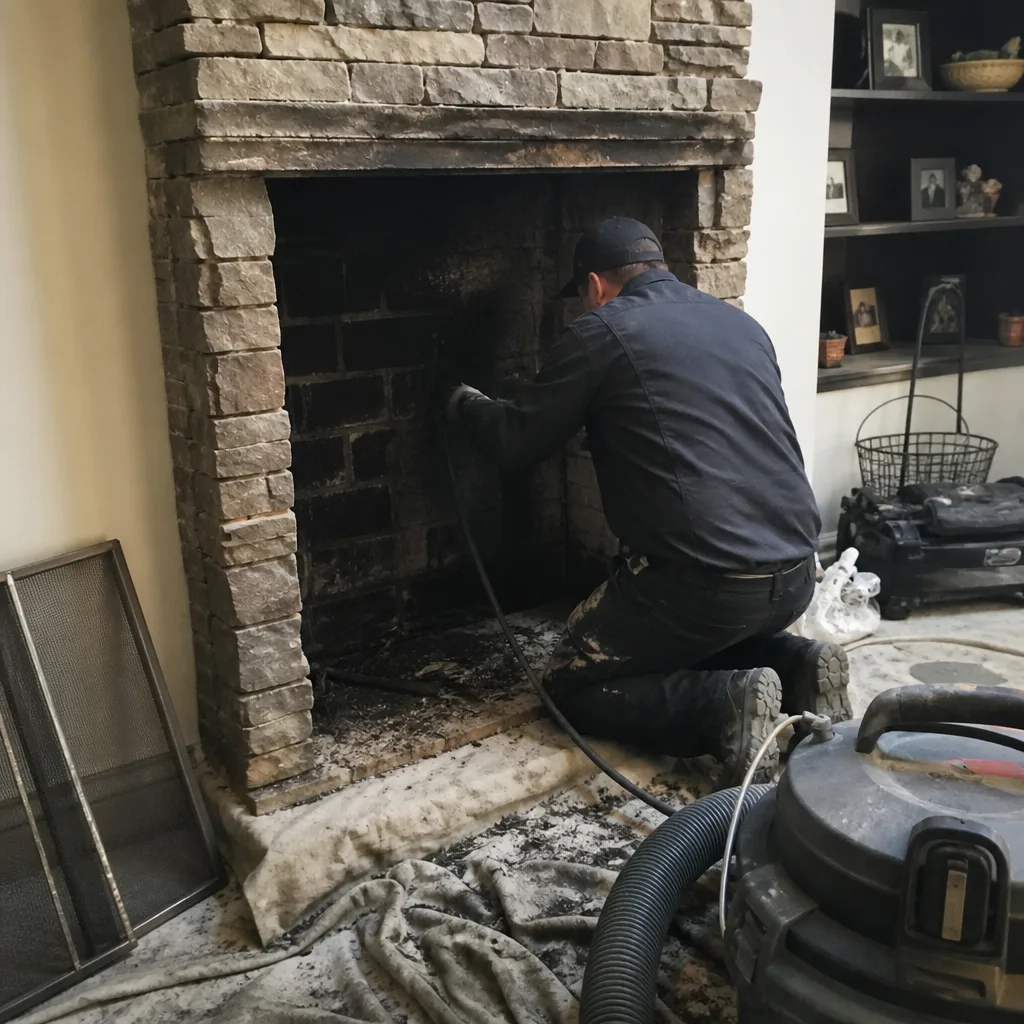 Before
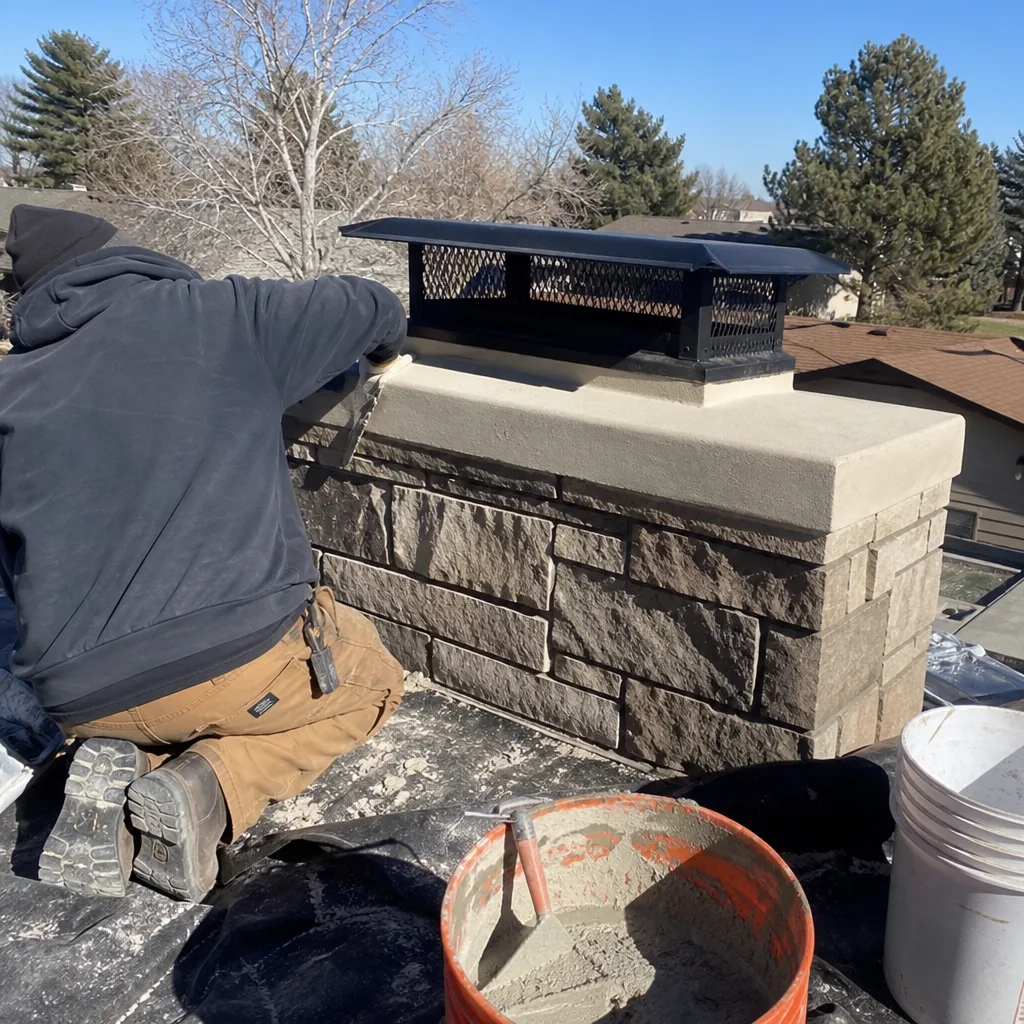 After
AfterSoot Removal in Littleton, CO
Soot removal in Littleton typically runs $149 to $349 depending on flue length, soot depth, and whether a Level 2 camera inspection is needed alongside the Chimney Cleaning & Sweep services. Most single-flue jobs are completed in two to three hours, same day, with a written price and a documented photo record before we leave. If you’d like a straight number before booking, call us at (720) 439-4666 – a live person answers every time, around the clock.
Soot is the soft, powdery black carbon that accumulates in your flue liner, smoke chamber, and firebox every time you burn wood, gas logs, or pellets. It’s different from creosote – soot doesn’t carry the same ignition risk as glazed Class III creosote, but it does restrict airflow, corrode the liner over time, and send fine particulates back into your living space if you let it build up. In Littleton’s climate, where homeowners run fireplaces hard through November and again from February into early April when the Front Range gets those late cold snaps, flues accumulate soot faster than many people expect.
Our Chimney Cleaning & Sweep in Littleton service covers the full system – firebox, smoke chamber, damper, and liner – and soot removal is a central part of that work. What makes Emberly Chimney Cleaners Littleton different is what you get before and after: a written price before anyone touches a tool, and a documented photo record from our camera scan when the job is done. Corrine Halstead built the company on that standard in 2009, and it hasn’t changed.
When You Need Soot Removal
- Black streaking or sooty film inside the firebox. If you can draw a line through a layer of soft black powder on the firebox walls, the soot load is past the point of wiping down with a damp cloth. This is the most common thing we see in Littleton homes that have had a busy burn season.
- Smoke smell in the room when the fireplace is closed. A soot-caked flue liner restricts the natural draft, which pushes combustion byproducts – smell included – back into the house instead of up and out. In homes with tighter insulation, this gets noticeable fast.
- Visible soot dust on the hearth, mantel, or nearby surfaces. Fine soot particles are small enough to drift through the damper even when it’s closed. If you’re wiping black film off the mantel or seeing a dusty ring on the hearth stone, there’s a meaningful accumulation above the smoke shelf.
- Reduced draft or sluggish fire starts. Soot narrows the effective diameter of the flue. In Littleton’s higher elevation – around 5,400 feet above sea level – the air is already thinner than at sea level, which makes draft more sensitive to any restriction. A soot-lined flue compounds that problem.
- Pre-sale or post-purchase inspection. If you’re buying or selling a home in neighborhoods like Heritage Hills, Columbine Valley, or Ken Caryl Ranch, a documented clean-flue record is increasingly something buyers ask for. We see this request regularly.
- It’s been more than twelve months since the last cleaning. NFPA 211 recommends annual inspection and cleaning for any chimney in regular use. If you can’t produce a written record from last season, that’s the threshold.
Our Soot Removal Process
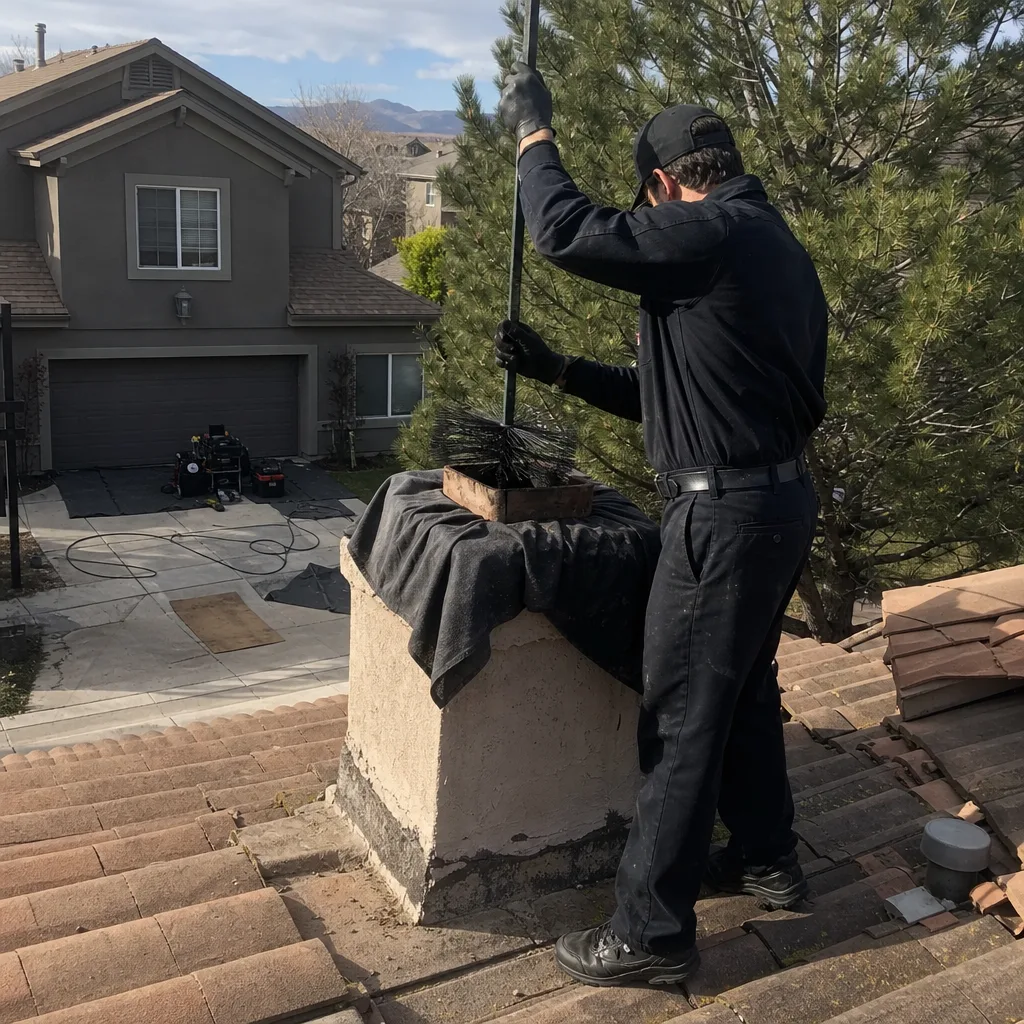
- Written price before work starts. A technician assesses the flue condition – liner type, accessible length, visible soot depth – and delivers a written price, written scope, and written warranty before any cleaning begins. This is Haven Standard Clause 1. No surprises after we’re already in the house.
- Camera scan and soot-depth assessment. We run a NFPA 211 Level 2 camera down the flue. This tells us whether we’re dealing with soft soot, hardened deposits, or early-stage creosote that needs different chemical treatment. It also catches liner cracks or spalling – damage that soot masks in a visual-only inspection. This camera scan is included, not an add-on.
- Drop cloths, HEPA vacuum setup, and firebox protection. The work area gets sealed before we open the damper. We run a HEPA-filtered vacuum in negative pressure against the firebox opening so particulates pull toward the vacuum, not into the room. Littleton homeowners with open floor plans especially notice the difference.
- Top-down chimney brush sweep. Using professional-grade brushes sized to your flue liner, we work from the crown down, breaking loose the soot column and pulling it down into the firebox where the vacuum captures it. For masonry flues, we typically use round wire brushes; for factory-built metal flues common in 1980s and 1990s construction in Littleton, poly brushes protect the liner surface.
- Smoke chamber and firebox detail clean. The smoke chamber – the funnel-shaped cavity above the damper – traps a disproportionate amount of soot relative to its size. We hand-clean this area and the smoke shelf, which is where a lot of particulate collects after rolling back from the firebox.
- Documented photo record delivered. Per Haven Standard Clause 4, every visit ends with a documented photo record – before and after shots from the camera scan and the firebox. You get a written copy. That record is yours for insurance purposes, for a future resale, or just to know the condition of the flue on a specific date.
 Before
 After
AfterSoot Removal Pricing in Littleton
Soot removal in Littleton runs $149 to $349 for a standard single-flue fireplace. Here’s what moves the number:
| Scenario | Typical Range |
|---|---|
| Single-flue fireplace, moderate soot, no liner damage | $149 – $229 |
| Single-flue with heavy soot accumulation or extended flue length | $229 – $299 |
| Dual-flue or insert system with soot removal | $279 – $349 |
| Soot removal + Level 2 camera inspection (recommended if no record in 12+ months) | $299 – $449 |
| Soot removal with discovery of Class II or III creosote requiring chemical treatment | Quoted separately in writing before treatment begins |
A few things that affect where your job lands in that range: flue height (taller chimneys in two-story Littleton homes add time), liner material (terra cotta liners in older construction near Old Town Littleton sometimes have irregular joints that slow the brush), and whether the smoke chamber needs significant hand-cleaning after a long gap between services.
The camera scan is included as standard – it’s not a line item we add to inflate the bill. We use it because finding a cracked liner or early glazing during the cleaning visit saves the customer a separate diagnostic trip and a separate charge.
Written price before work starts – always. Call (720) 439-4666 and we’ll tell you the number on the phone, then confirm it in writing when the tech arrives.
Why Soot Buildup Is Faster in Littleton Than You’d Expect
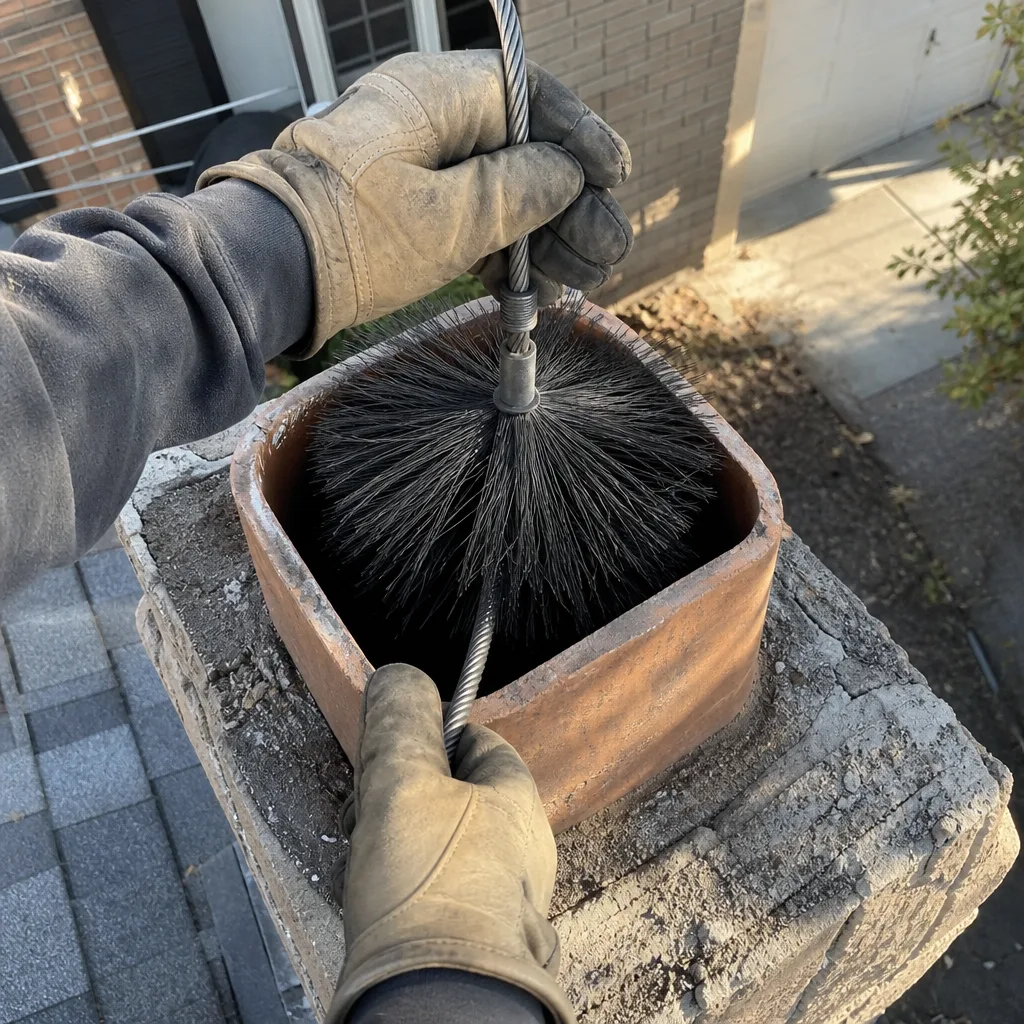
At roughly 5,400 feet elevation, Littleton sits just high enough that combustion runs slightly less efficiently than at lower elevations. Wood fires tend to produce more particulate at altitude when the burn temperature isn’t quite right – which happens often with unseasoned wood or when homeowners are keeping fires smaller to control heat output in mild fall weather. The result is a softer, wetter soot that sticks to liner walls more readily than the drier soot you’d see from a hot, sustained burn.
Littleton also gets a meaningful number of wind-driven cold events from the west, coming down off the Hogback ridge and through the Ken Caryl and Deer Creek Canyon corridors. Those wind events create negative pressure at the chimney cap that can push soot back down the flue rather than drawing it up and out. Over a season, that back-pressure effect deposits a soot ring just below the cap opening that standard brushing doesn’t always reach without a top-down sweep that starts from the crown.
We see this consistently in jobs across Littleton’s east side neighborhoods – Highlands Ranch border areas, Centennial-adjacent streets, and older blocks in the Bow Mar and Columbine area. It’s not a defect in the chimney; it’s a local condition that makes Annual Sweep services more necessary, not less.
Soot vs. Creosote: What the Camera Tells Us
Soot and creosote are related but not the same thing, and the camera scan is what distinguishes them. Soot is soft, powdery, and gray-to-black. Class I creosote looks similar but is drier and more flaky. Class II creosote is tar-like and sticks to the liner wall in a way you can’t brush off without chemical treatment. Class III creosote – sometimes called glazed creosote – is a hard, shiny coating that’s genuinely dangerous and requires professional chemical treatment before any brushing, because brushing glazed creosote creates the very conditions for a chimney fire.
A visual-only inspection – someone looking up from the firebox with a flashlight – can’t reliably distinguish between late-stage soot and early-stage creosote in the upper flue sections. The camera can. That’s why the Level 2 scan is the default here, not an upgrade. If the camera shows Class II or III creosote, we’ll tell you in plain terms what that means, quote the chemical treatment separately in writing, and let you decide.
We use materials from Gelco and Olympia Chimney for liner repair or cap work when the camera scan reveals damage alongside the soot buildup – both sourced through Haven’s buying network specifically to keep pricing honest rather than marked up at the point of sale.
What the Haven Standard Means for Soot Removal Jobs
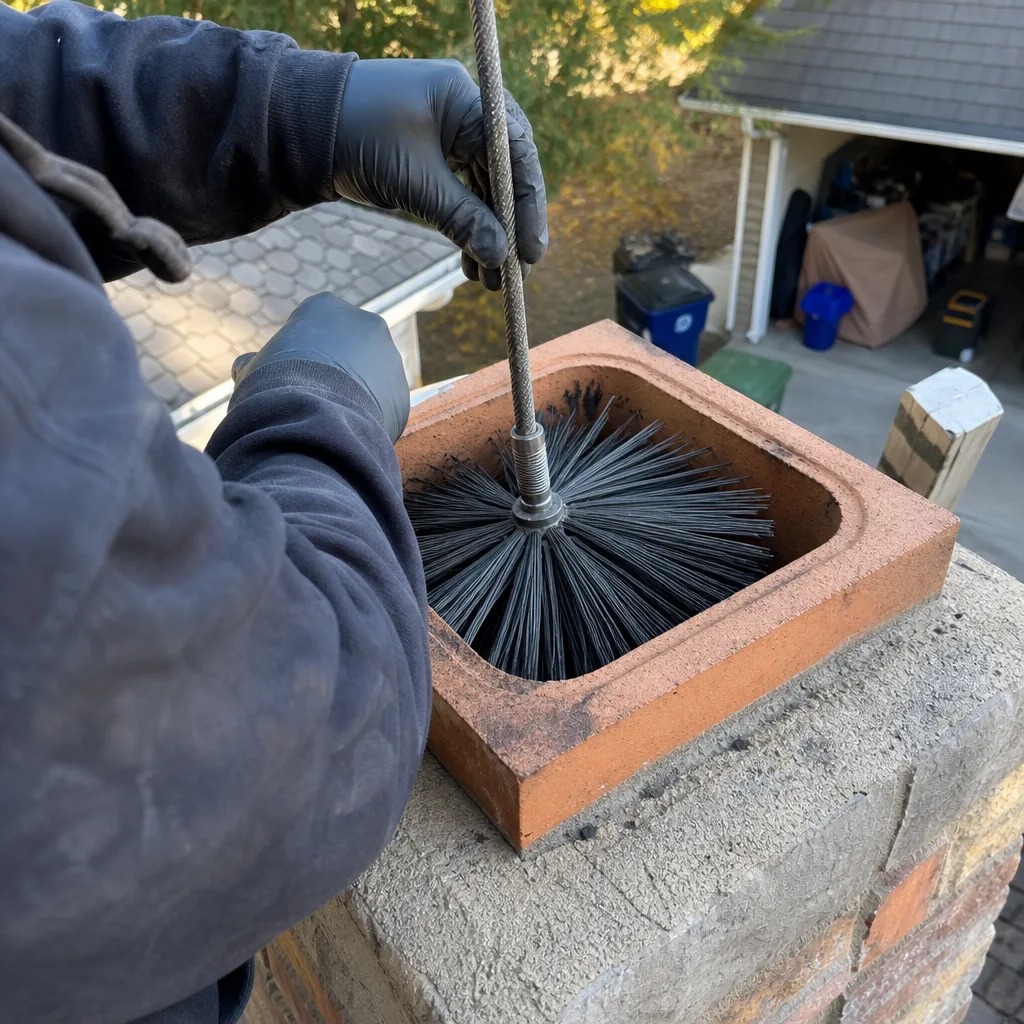
The Haven Standard is the operating framework that Emberly Chimney Cleaners has run under since 2009. For a soot removal job, the relevant clauses are straightforward:
- Clause 1 (H.A.V.E.N. – “Have it in writing”): Written price, written scope, written warranty before work starts. Not after the tech has already set up the vacuum.
- Clause 4 (Documented photo record): Camera footage and photos from every visit – delivered to you, archived by us. When you sell the house in a few years, you can pull the exact date and condition of the flue from that record.
- 365-Day Done Right Promise: If the soot removal wasn’t done right, we make it right. Stamped on every job.
Corrine Halstead has run every job under these standards since Emberly Chimney Cleaners Littleton opened. The written-price-before-work rule isn’t a marketing line; it’s how more than 38,000 chimney visits have been handled since 2009, every one of them.
Key Takeaways
- Soot removal in Littleton runs $149 to $349 for most single-flue fireplaces – written price confirmed before work starts.
- Littleton’s elevation and westerly wind patterns make soot accumulate faster than many homeowners expect, especially in homes near the Ken Caryl and Deer Creek Canyon corridors.
- The camera scan is included as standard – it distinguishes soot from creosote and finds liner damage that a flashlight inspection misses.
- You leave with a documented photo record, written scope, and written warranty – every time, on every job, under Haven Standard Clause 4.
- A Free Second Opinion is available on any written estimate from a competitor – bring us the paper and we’ll review it.
FAQs – Soot Removal in Littleton
How much does soot removal cost in Littleton, CO?
How Much Does Chimney Cleaning & Sweep Cost? (2026 Price Guide) - Littleton, CO: Soot removal in Littleton costs $149 to $349 for a single-flue fireplace, depending on soot depth, flue length, and liner condition. The written price is confirmed before any work begins – not estimated after the technician is already set up. Call (720) 439-4666 and we’ll give you a straight number on the phone.
Is soot removal different from a chimney sweep?
Soot removal is one part of a full chimney sweep. A complete Chimney Cleaning & Sweep in Littleton covers the firebox, smoke shelf, smoke chamber, damper, and flue liner – soot removal addresses the carbon buildup throughout that system. On most visits, they happen together; the sweep process is how the soot gets removed.
Can soot damage my flue liner?
Yes, over time. Soot is mildly acidic when it combines with moisture, which happens in any flue that sees temperature swings – common in Littleton through fall and spring. That acid contact slowly degrades terra cotta liner joints and accelerates spalling in older masonry flues. The camera scan we run on every visit catches early liner deterioration that soot buildup would otherwise hide.
How often should soot be removed from a Littleton chimney?
Once per year for any fireplace in regular use – this matches the NFPA 211 recommendation and reflects what we see in the field across Littleton. Homes in the Ken Caryl, Columbine, and Heritage Hills areas that burn frequently from October through March often benefit from a mid-season check, especially if the flue shows back-pressure soot rings from westerly wind events. If you can’t produce a written record from last season, that’s your cue to schedule.
Schedule Soot Removal in Littleton
If you’re seeing black film on the firebox walls, smelling smoke when the damper is closed, or simply don’t have a written record from last season, the next step is a camera scan and a straight number. Corrine Halstead and the Emberly Chimney Cleaners Littleton team handle Chimney Cleaning & Sweep Near Me in Littleton, CO with a written price before work starts, a documented photo record when it’s done, and the 365-Day Done Right Promise behind every job.
Call (720) 439-4666 – live answer, 24 hours a day, seven days a week – to schedule your visit or ask for a free estimate. If you have a written quote from another company, bring it. We offer a Free Second Opinion on any written estimate, no strings.
Written by Corrine Halstead, Owner at Emberly Chimney Cleaners Littleton, serving Littleton since 2009.