
Level 1 sweep and inspection to the NFPA 211 annual standard - flue, crown, cap, and flashing checked and photographed
Chimney sweep logs do not sweep chimneys. They loosen some creosote - which then falls where a brush and vacuum still have to collect it.
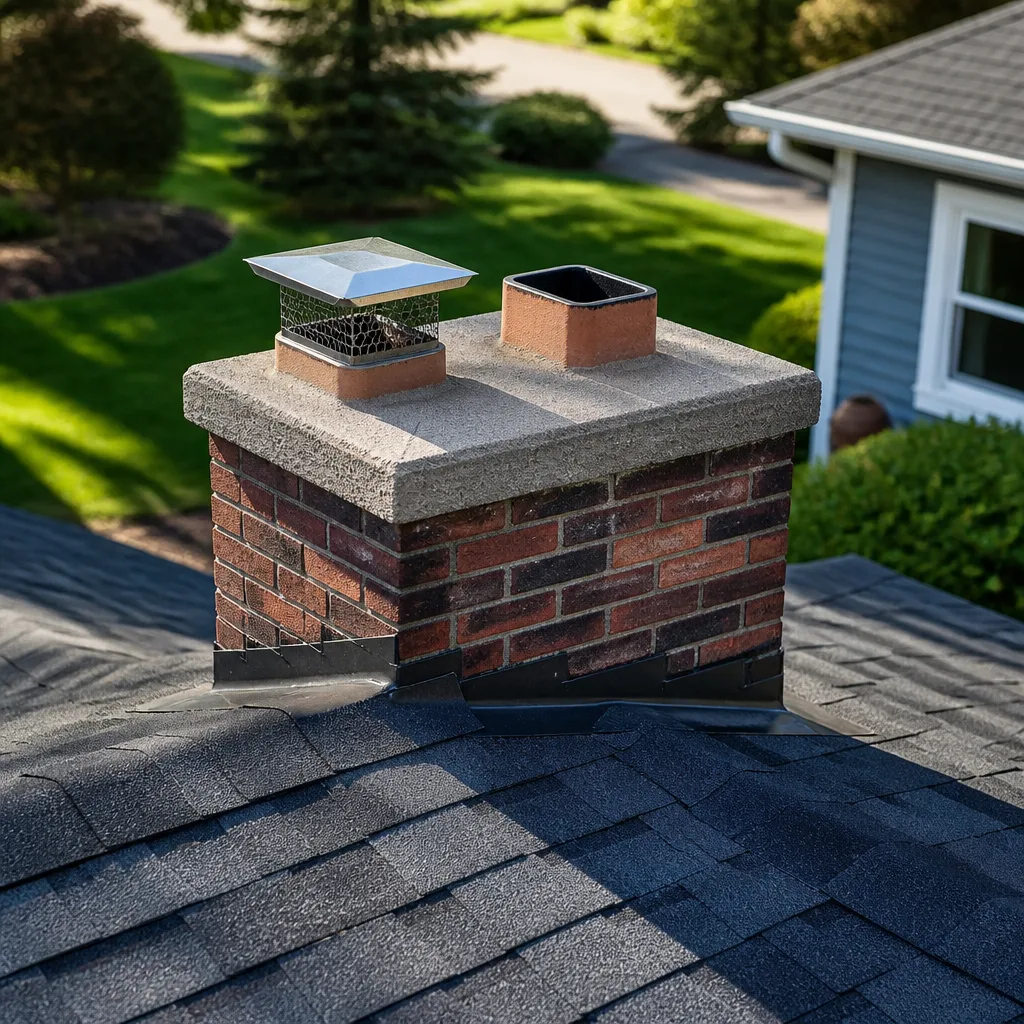
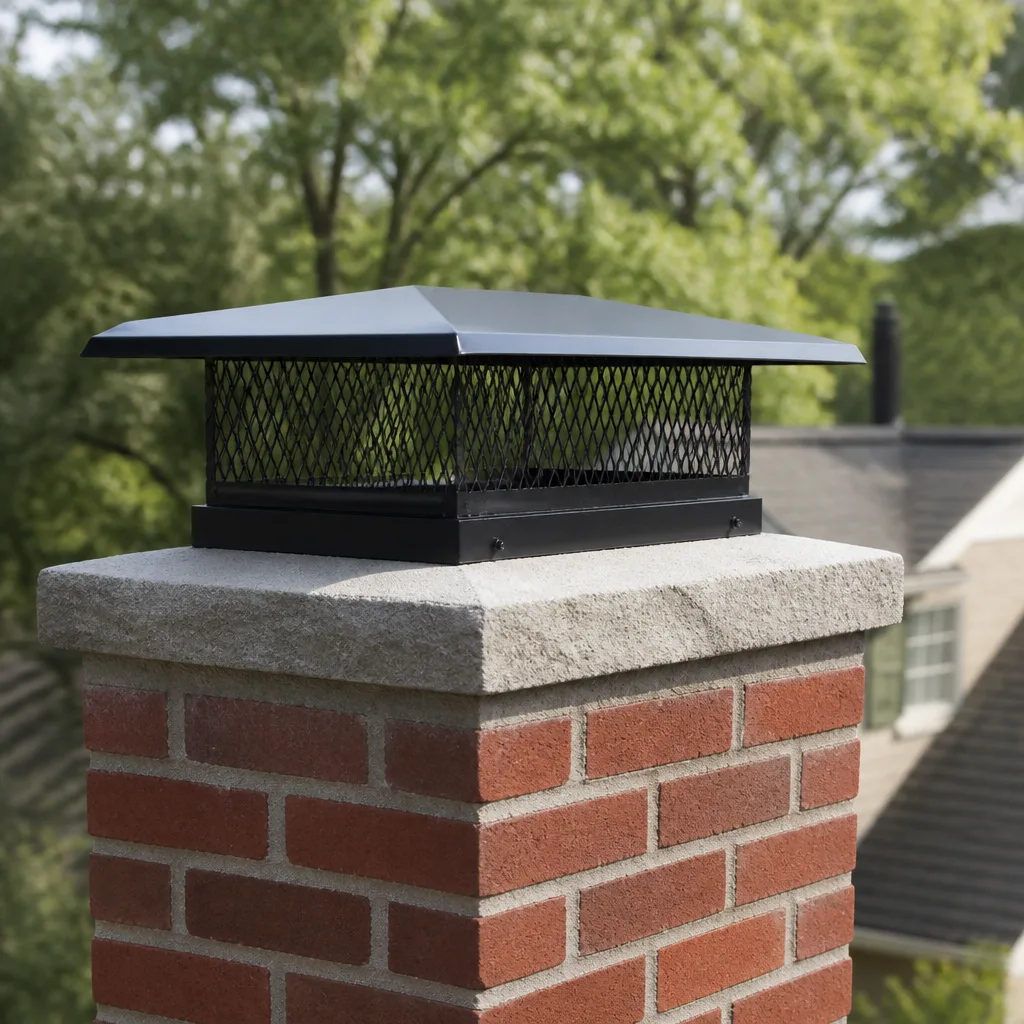
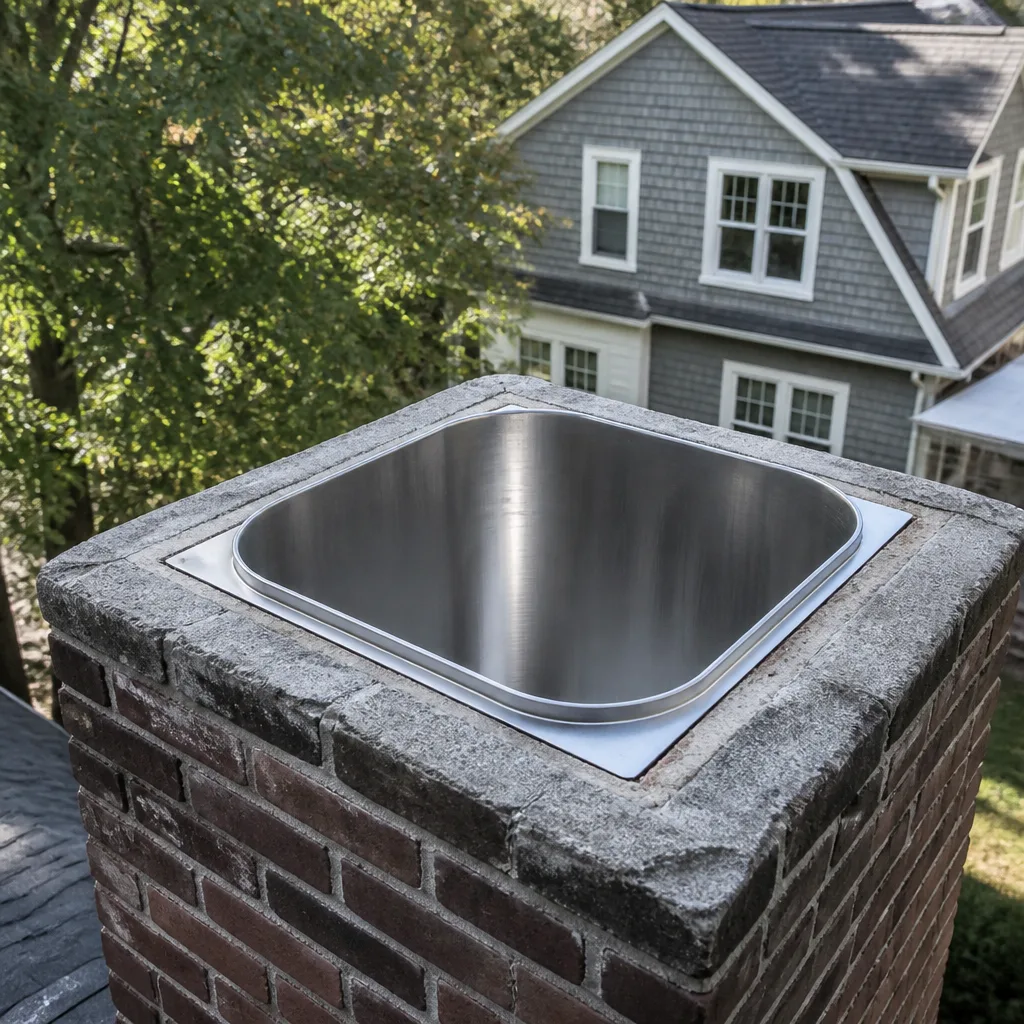
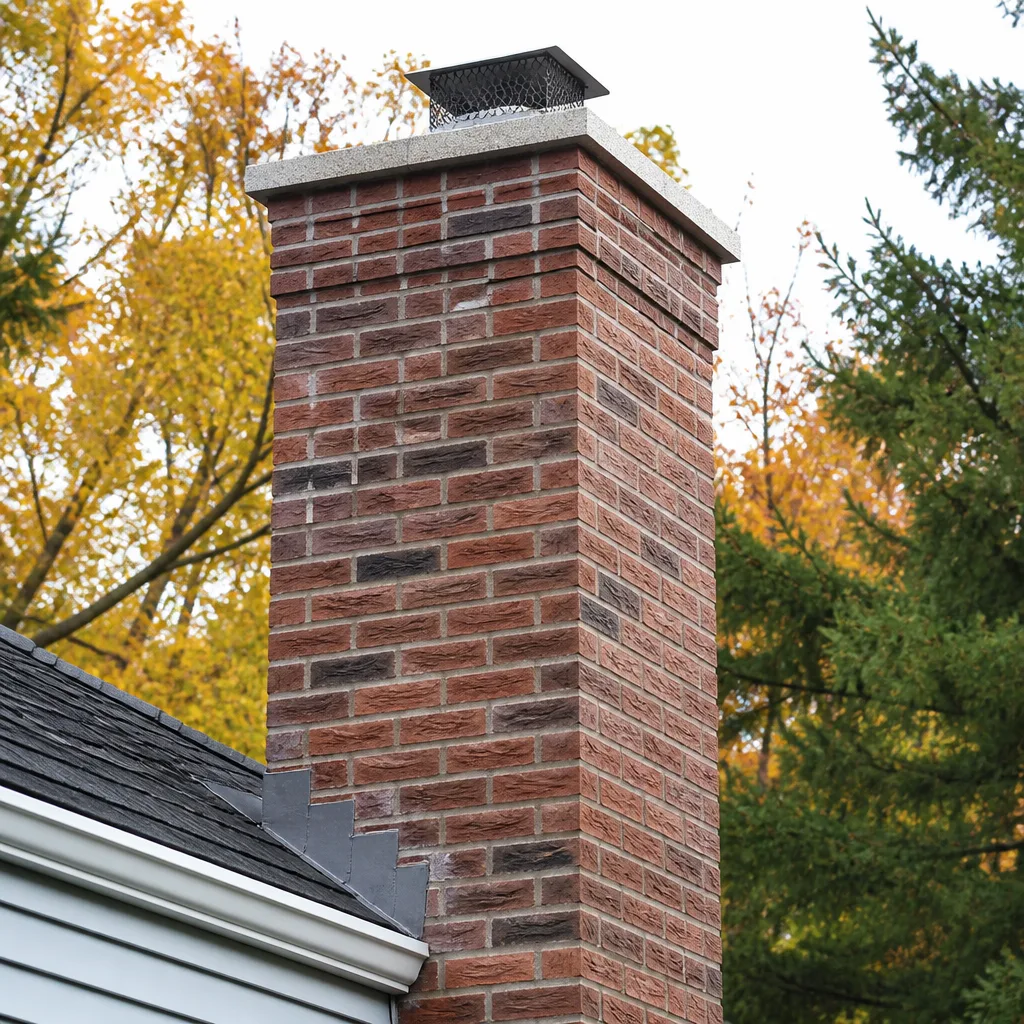
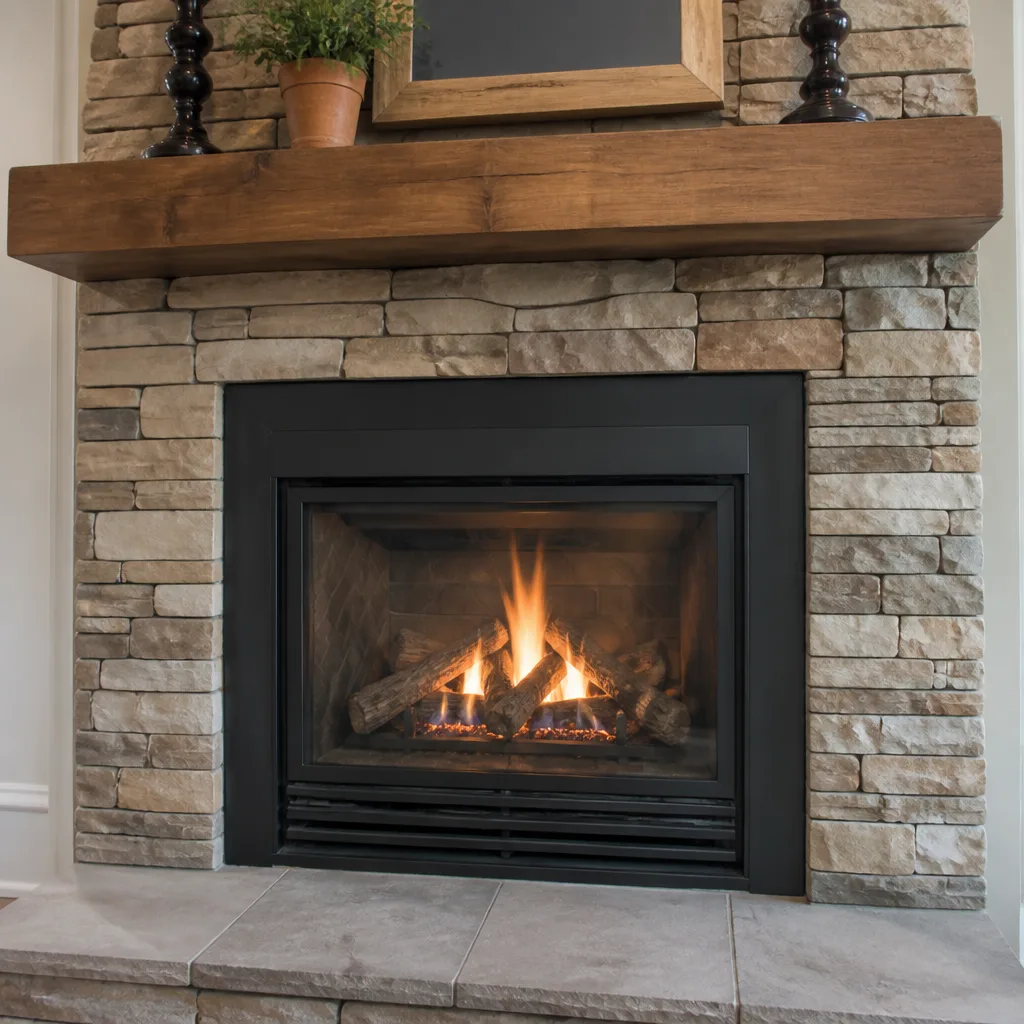
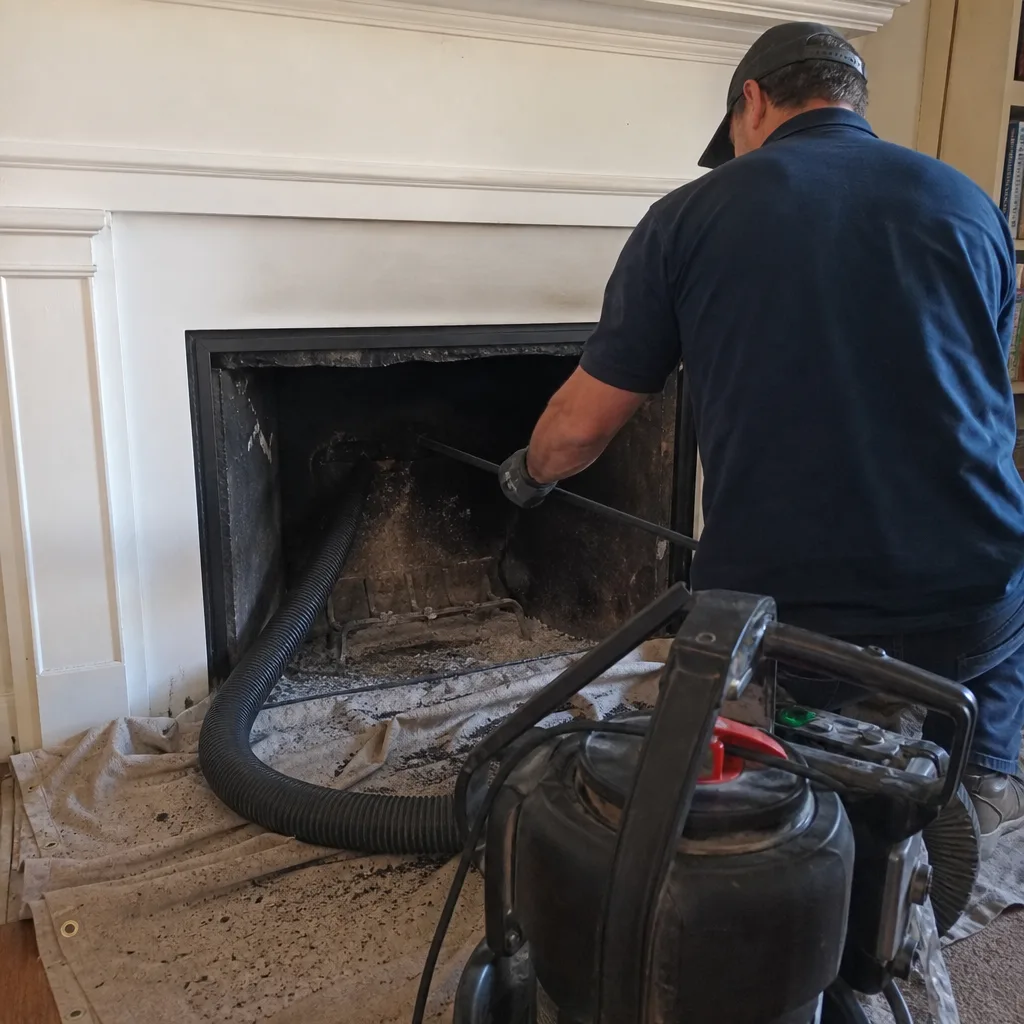 Before
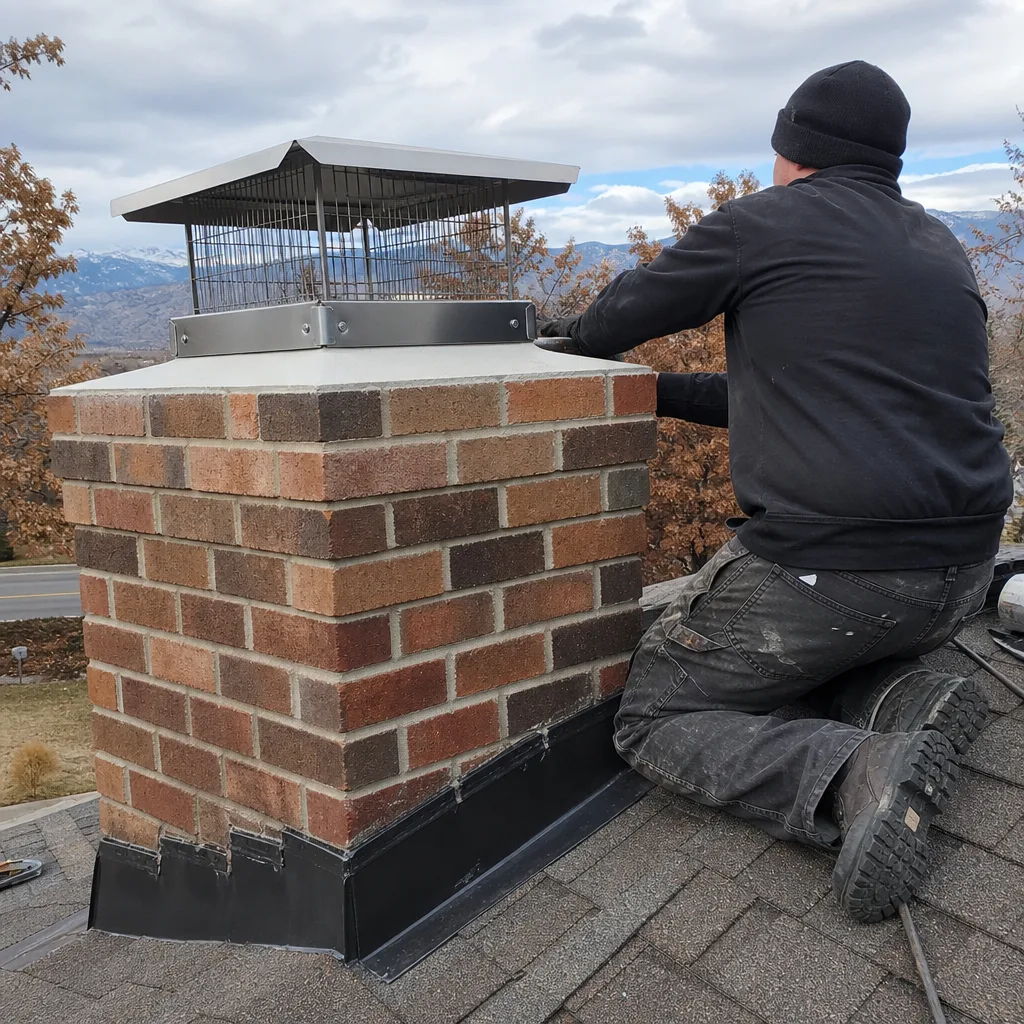 After
After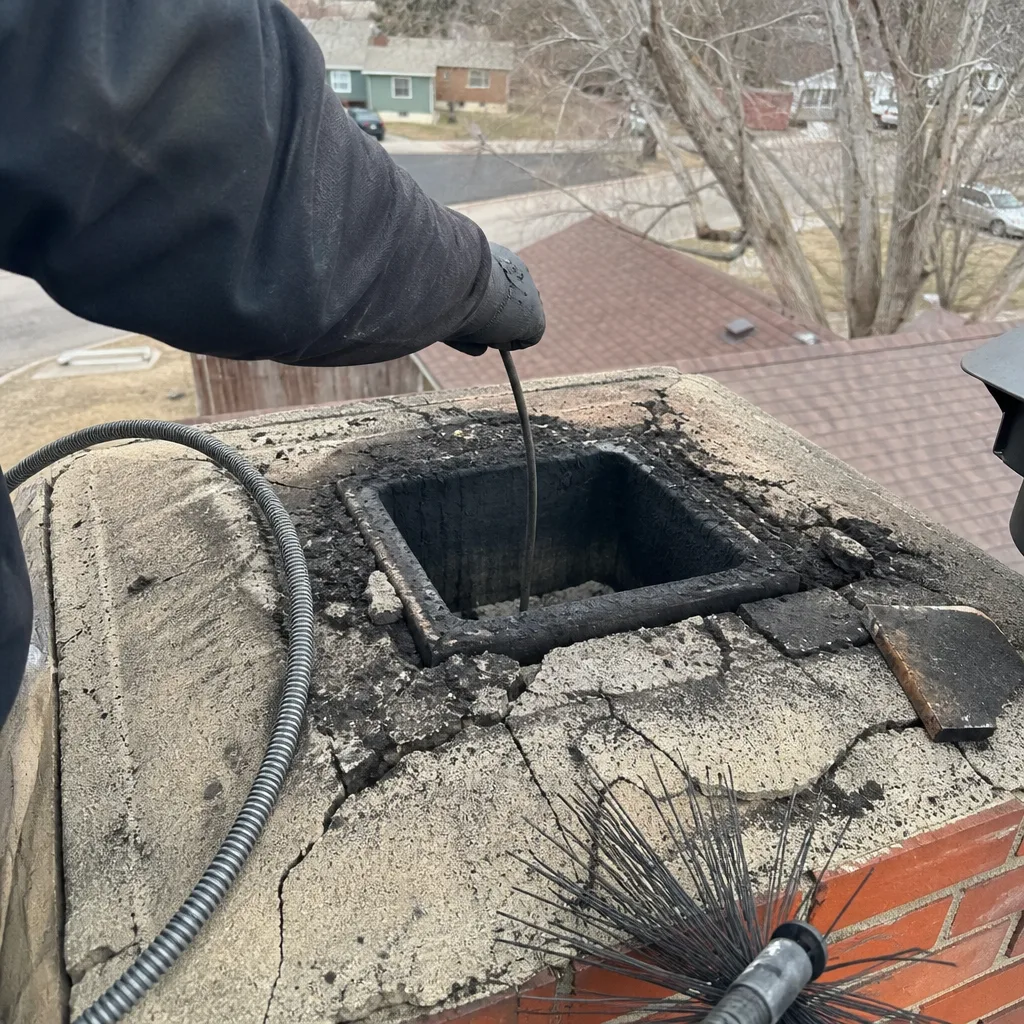 Before
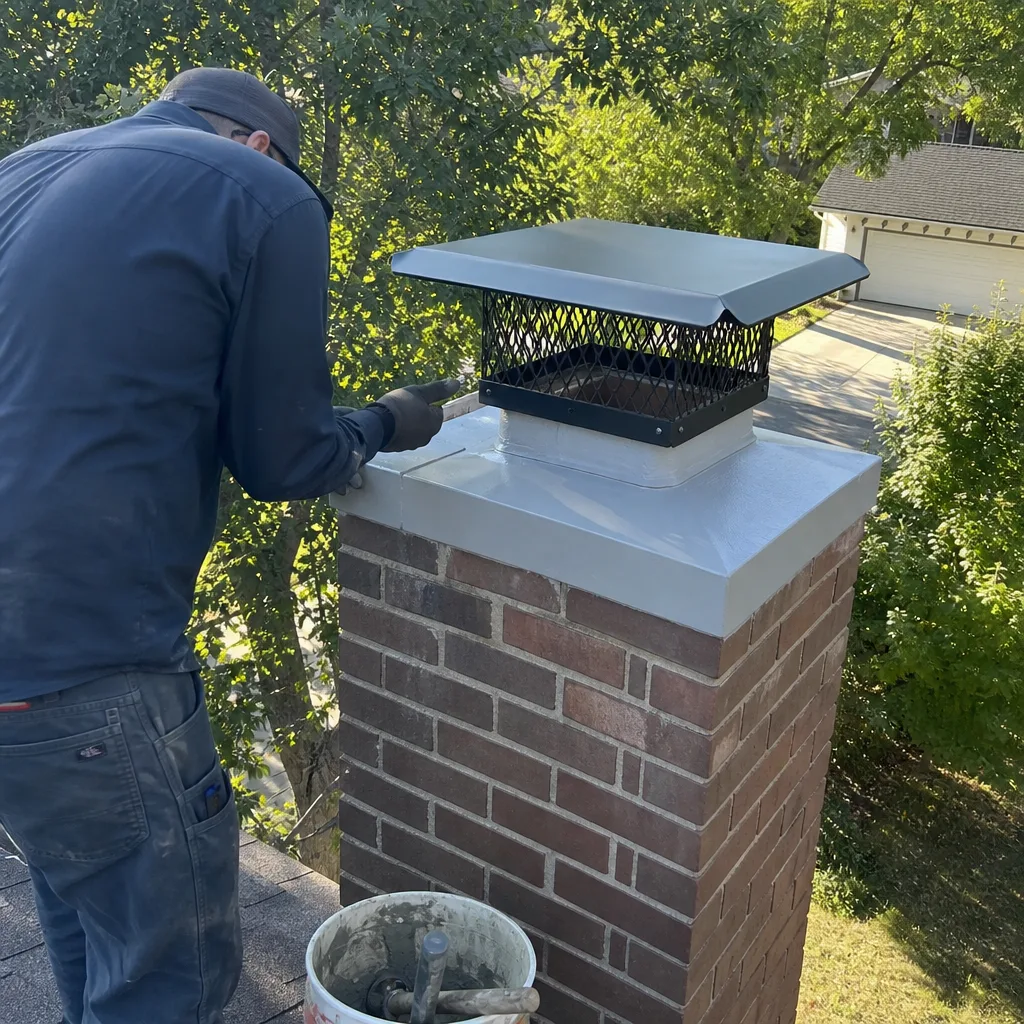 After
After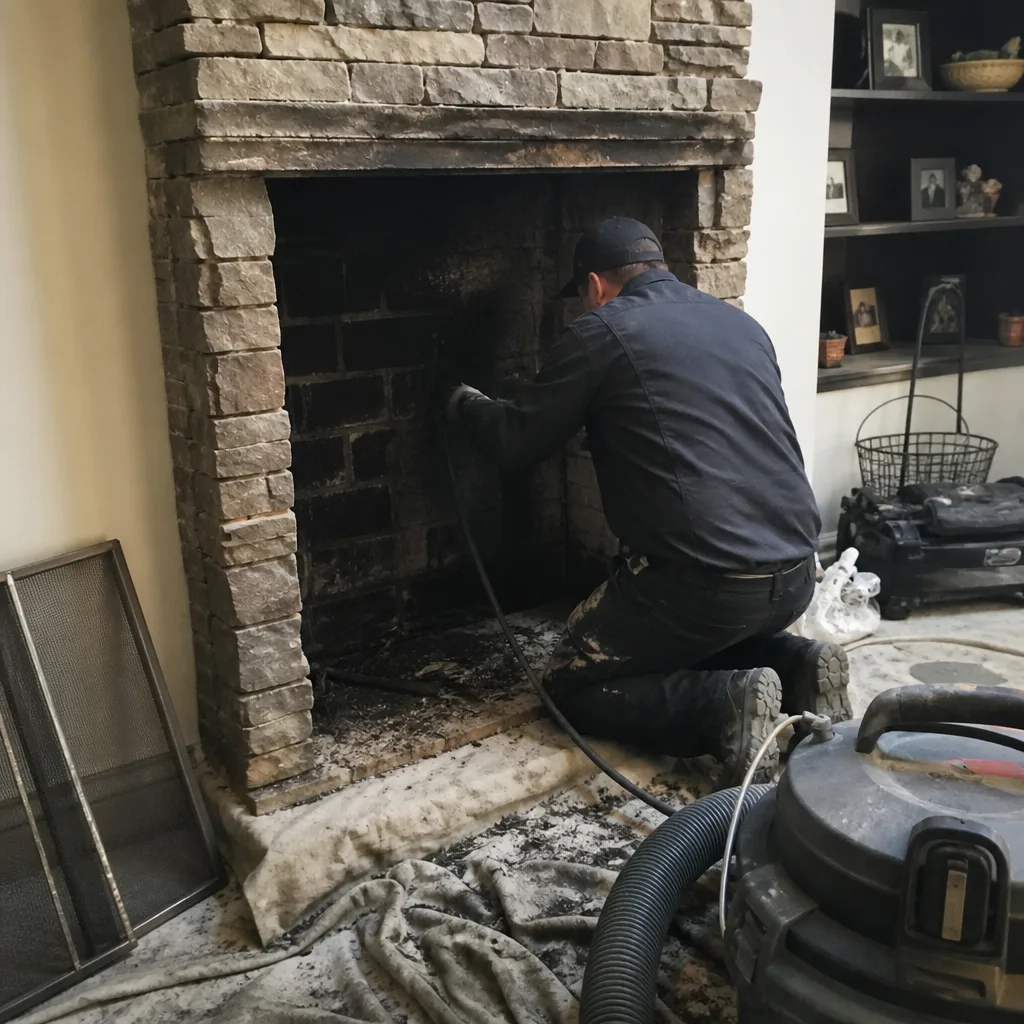 Before
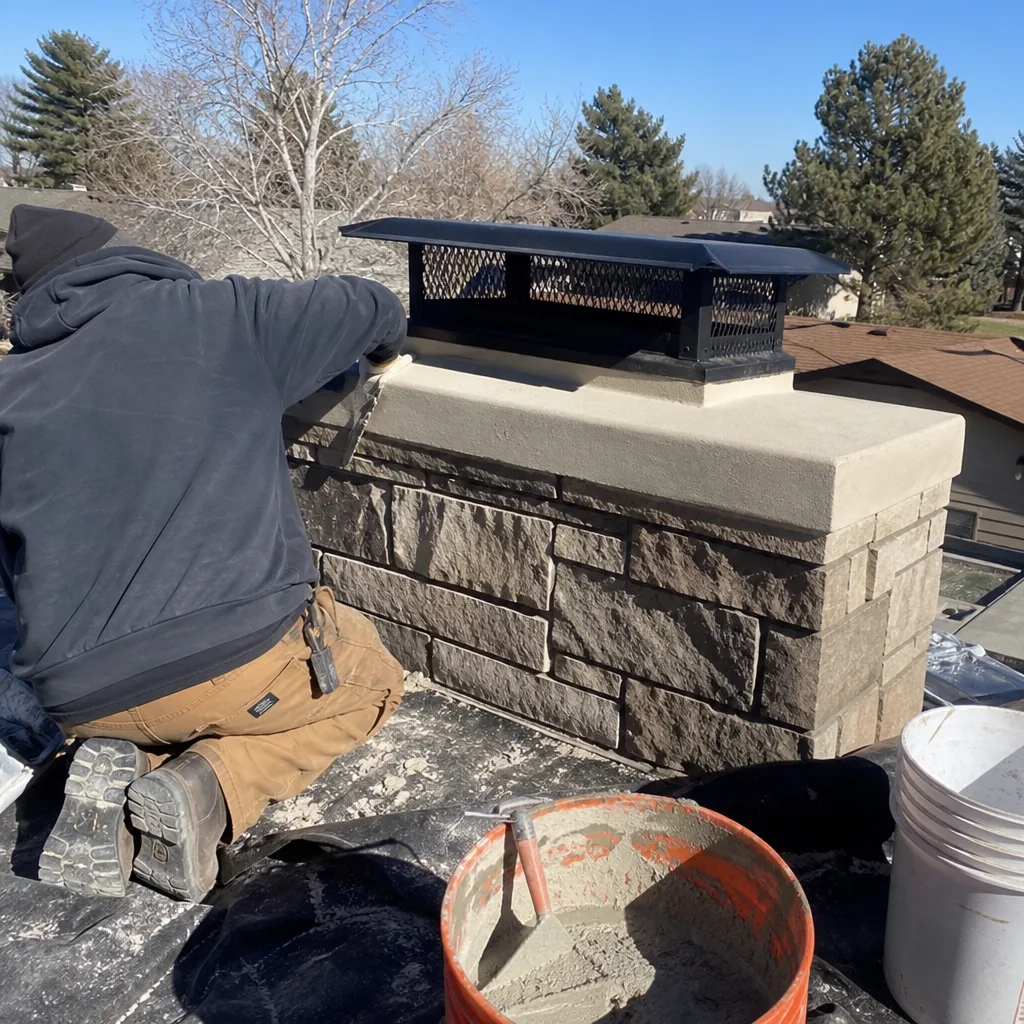 After
AfterFast, Reliable Dryer Vent Cleaning Across Denver
Dryer vent cleaning in Denver typically costs $149-$289 for a standard single-story home with rooftop termination, and most appointments are completed within 90 minutes with a written price agreed before we start. At 5,280 feet, Denver’s thinner air changes how appliances perform, and our crews have learned that a vent cleaning here isn’t complete until we’ve checked what’s happening in the adjacent chimney chase - because in this city’s older housing stock, the two systems often share walls they were never designed to share. Our Denver office coordinates scheduling and dispatch for the metro area, and we carry rotary brush systems, HEPA vacuums, and chimney cameras on every truck. Call (720) 439-4666 for a free estimate with a written scope.
Why Emberly Chimney Cleaners Littleton Is Denver’s Preferred Dryer Vent Cleaning Company
We’ve cleaned dryer vents in Denver homes since 2009, and we’ve documented every job with photos under Clause 4 of the Haven Standard. That archive now holds more than 38,000 chimney and vent inspections, including hundreds in Curtis Park, Capitol Hill, and Washington Park where the housing stock demands specific expertise.
Our Denver customers leave reviews that mention the same things: the tech showed them camera footage before recommending anything, the written price matched the final bill, and the text notification with the technician’s name and photo arrived exactly when promised. We don’t ask for trust - we assign a named, background-checked technician, send a text when they’re en route, and leave a documented photo record you can forward to your insurer or home inspector.
Response time to Denver neighborhoods runs same-week for standard bookings, with live phone support 24 hours a day. We don’t use voicemail or web forms for scheduling - a real person answers, confirms your address in Denver, and emails a written scope and price before the appointment is finalized.
Our Dryer Vent Cleaning team knows Denver’s specific failure patterns: the coal-era flues adapted for gas inserts, the Chinook wind cycles that stress shared chases, and the altitude-driven combustion issues that affect vent performance. That local knowledge means we find problems other cleaners miss.
Our Dryer Vent Cleaning Services in Denver
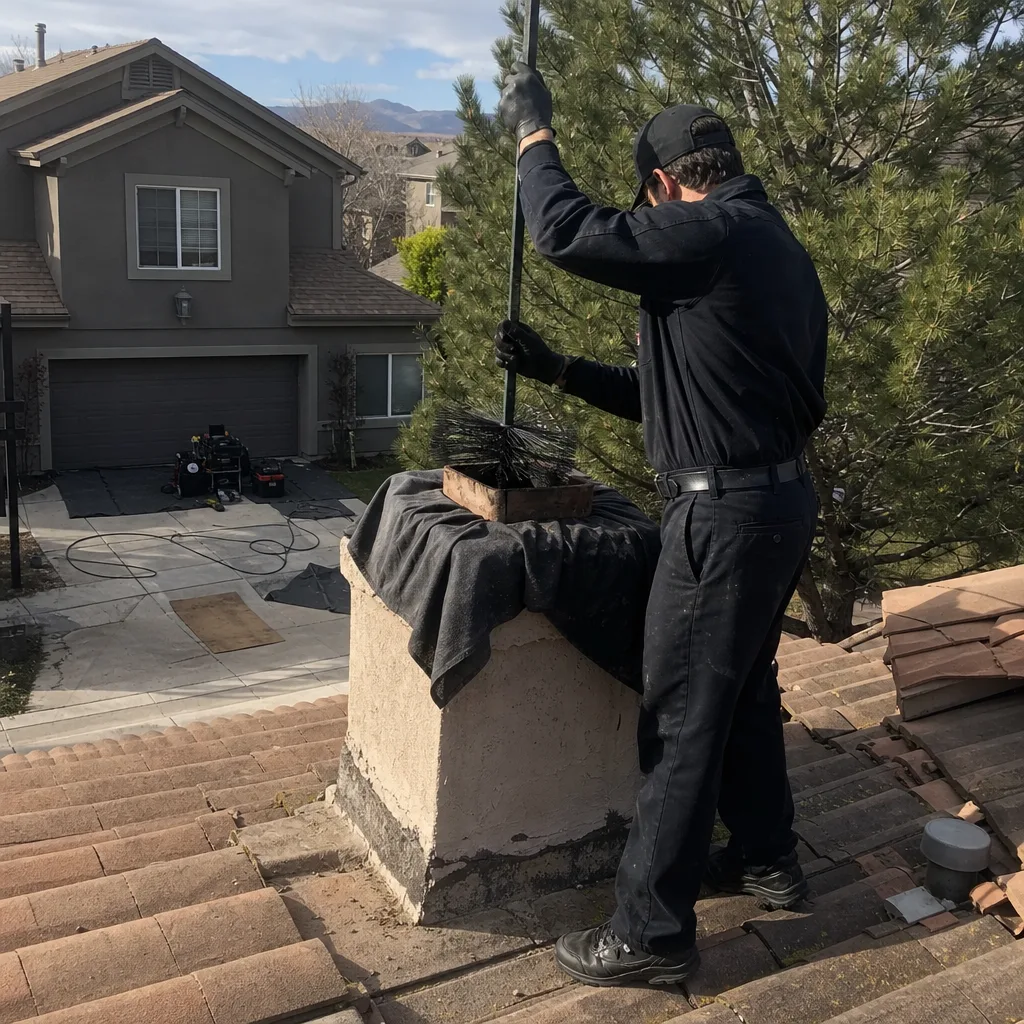
Dryer Vent Cleaning with Camera Inspection of Shared Flue/Chase
In Denver’s inner-ring neighborhoods - Highlands, Baker, Curtis Park - we regularly find dryer vents routed through chimney chases built in the 1890s to 1940s for coal boilers. These masonry walls were never designed to carry both combustion gases and dryer exhaust. Our process starts with a rotary brush and vacuum cleaning of the full vent run, then extends to a camera inspection of the adjacent flue liner. We documented this exact pattern last month on York Street in Curtis Park: a 1928 Craftsman bungalow where the homeowner’s dryer was taking two cycles to dry a load and the laundry room smelled faintly of creosote on cold mornings. Our tech ran a camera through the 4-inch vent and found it choked with lint felted into a mat against a crushed 90-degree elbow - and, because the vent shared a chase with the original coal-era flue, a cracked clay tile liner that was dumping acidic condensate into the wall cavity. We pulled the lint with a rotary brush and vacuum, documented the liner crack on camera for the owner to see, and recommended relining with a HeatShield system only after showing her the footage - no upsell, just evidence. Clause 4 of the Haven Standard requires that photo record on every job.
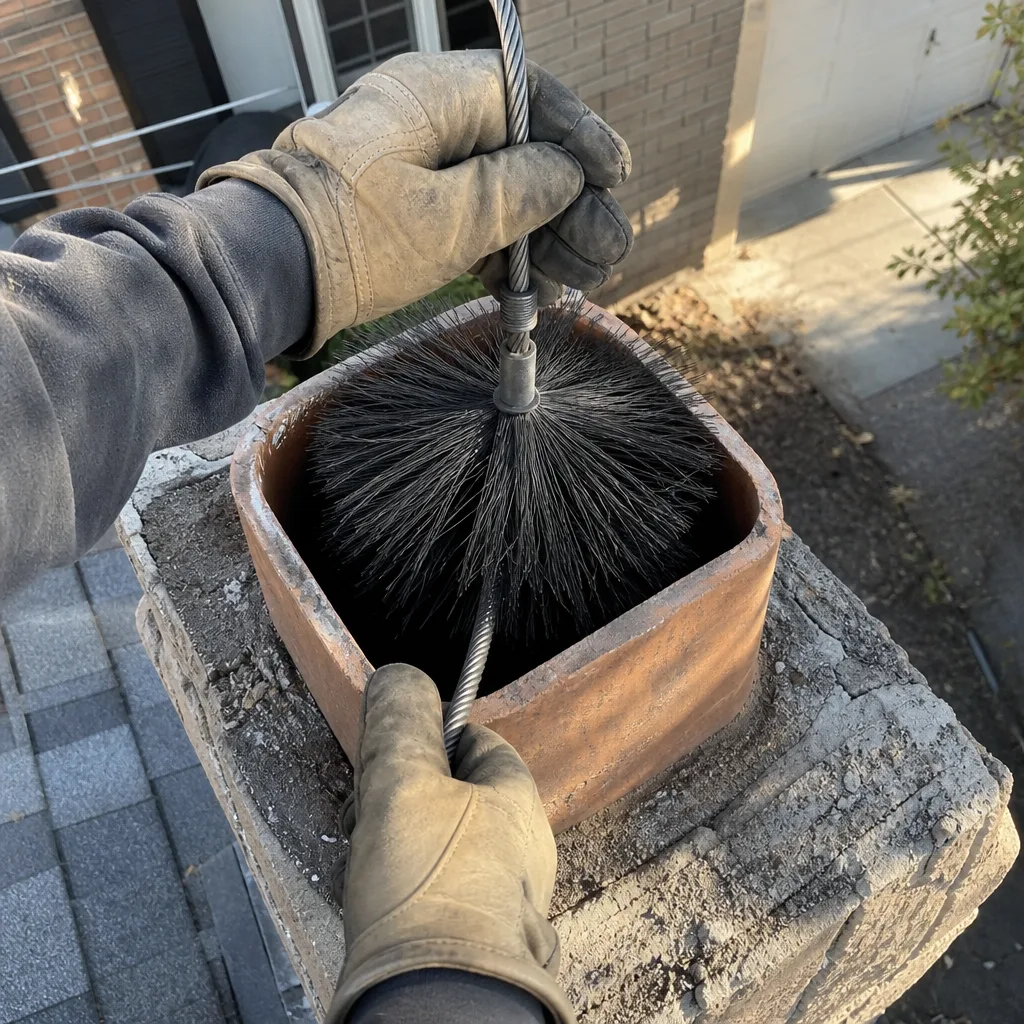
Draft Verification and Termination Cap Check
Denver’s altitude leaves roughly 17% less oxygen than sea level, which means wood fires burn less completely and appliances behave differently than their manufacturers’ sea-level specifications assume. In Capitol Hill and Curtis Park, oversized coal-era flues adapted for gas or inserts create chronic draft problems that can pull dryer exhaust backward into the home. We verify draft direction with a manometer at every Denver vent cleaning, and we inspect the termination cap for lint packing, bird guard blockage, and crown deterioration. The semi-arid climate here erodes mortar and spalls brick crowns faster than in humid markets, so a cap that looks fine from the ground can be leaking exhaust into a crumbling crown. We document what we find with photos, and we don’t recommend cap replacement without showing you the specific damage.
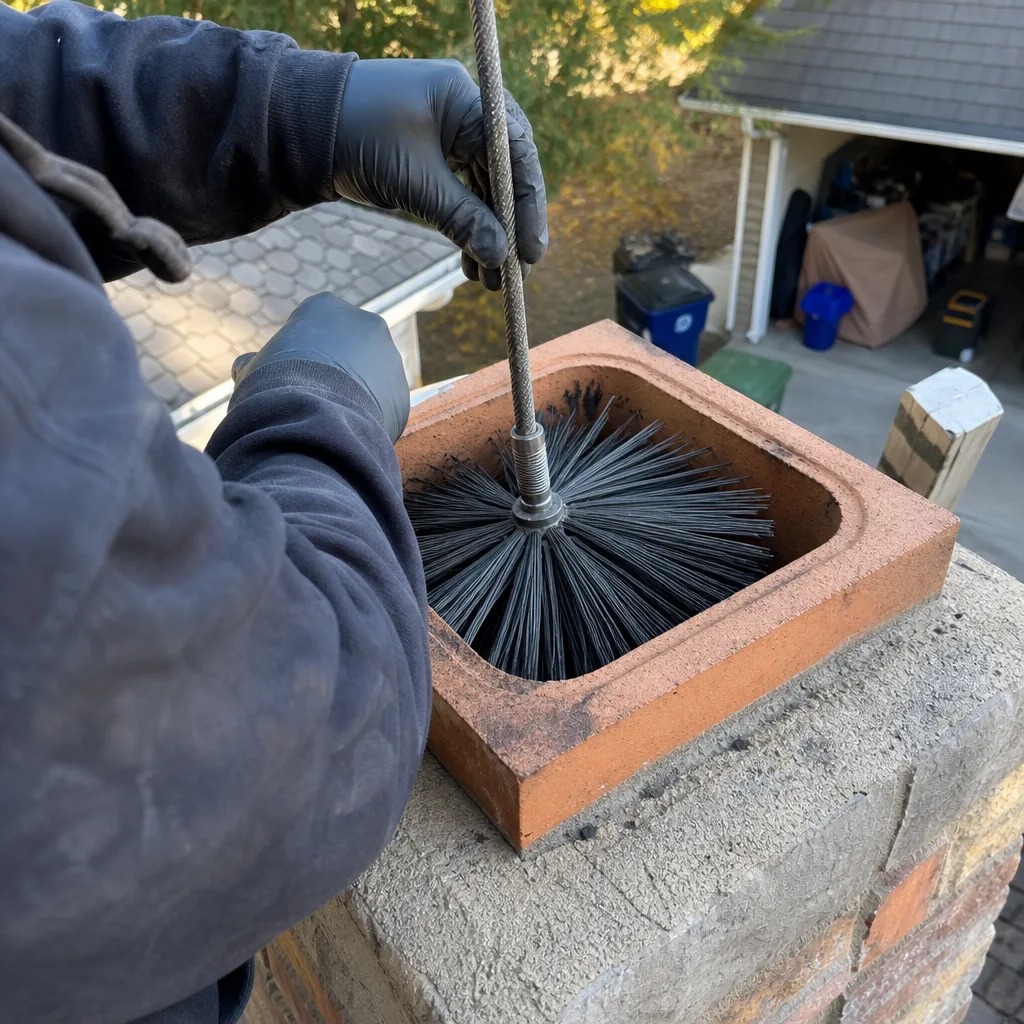
Lint Trap and Transition Duct Evaluation
The transition duct - the flexible or rigid pipe between your dryer and the wall connection - is where most homeowners can see a problem but can’t safely fix it. In Denver’s older housing, we’ve found transition ducts crushed behind dryers pushed too close to walls, ducts made of unsafe foil or plastic that predate current codes, and connections loose enough to leak lint into the crawl space or basement. Our techs evaluate the transition duct for material, length, and crush resistance, and we note any code violation in the written report. If replacement is needed, we stock rigid aluminum and semi-rigid transition ducts on our trucks, sourced through Haven’s buying network to keep prices honest.
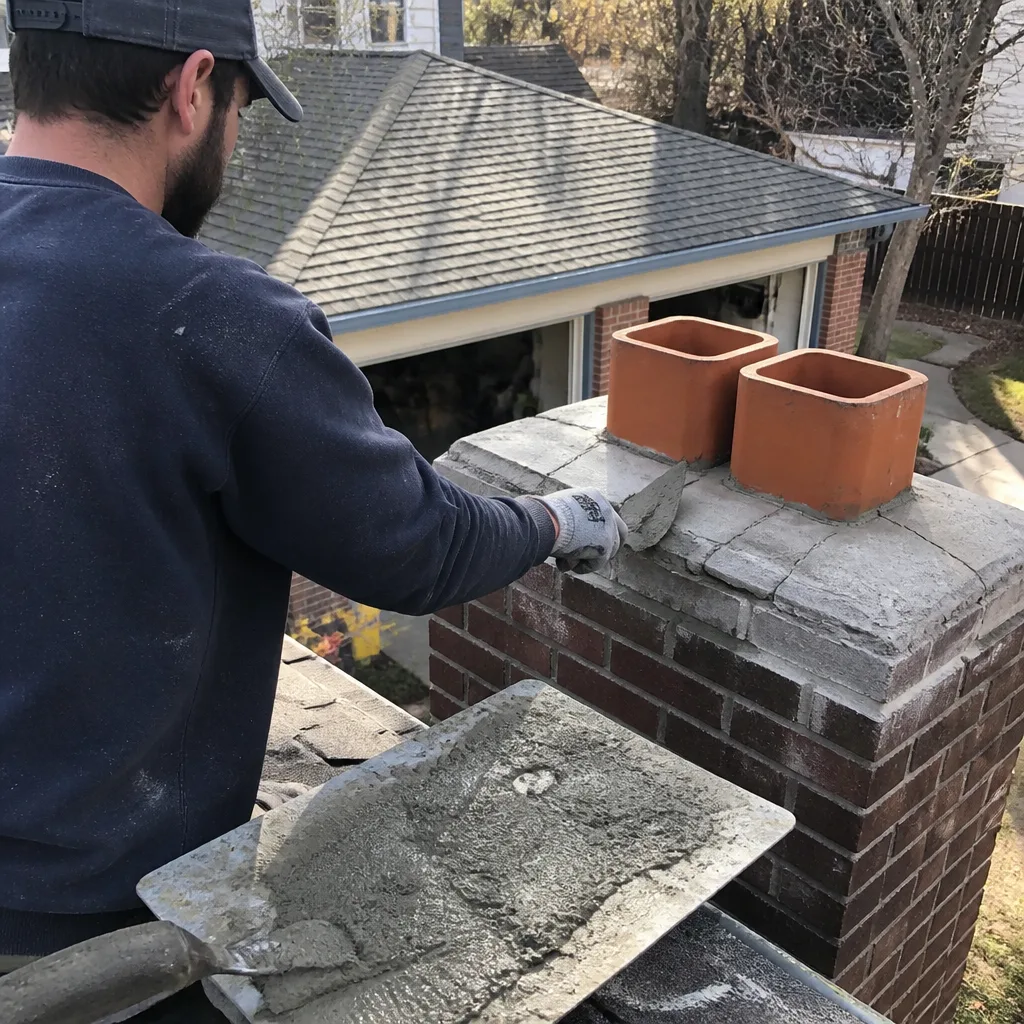
Full Vent Run Cleaning with Rotary Brush and HEPA Vacuum
A complete dryer vent cleaning in Denver requires more than blowing compressed air through the duct. We use a rotary brush system sized to your duct diameter - 4-inch rigid, 4-inch semi-rigid, or the oversized ducts sometimes found in pre-1950s Denver construction - paired with a HEPA vacuum that captures lint at the source rather than blowing it into your laundry room or attic. The full run includes the lint trap housing (where packed lint restricts airflow even when the visible screen looks clean), the transition duct, the in-wall or in-chase run, and the termination point. We measure airflow before and after cleaning with an anemometer, and we show you both readings in the written report.
What happens when you call
- 1
A real person answersNo phone trees - you reach a local pro.
- 2
You get an upfront price rangeHonest numbers before anyone is dispatched.
- 3
A background-checked tech heads outLicensed & insured, dispatched right away.
- 4
You approve before work beginsNothing starts until you say go.
BeforeAfterTrusted Brands We Service in Denver
We stock replacement parts and materials from HeatShield, Gelco, and Famco on our Denver trucks, which means most termination cap replacements, bird guard installations, and minor chase repairs are completed in a single visit without a return trip. For liner repairs in shared chases, we specify HeatShield cerfractory foam systems when the camera shows localized damage that doesn’t require full relining, and we source Gelco caps and Famco termination fittings through Haven’s buying network. If your vent system connects to an Olympia Chimney liner or needs integration with an existing Olympia component, we carry the adapter fittings and document the compatibility in your written record. Parts availability matters in Denver’s climate - a vent left open overnight while waiting for a cap can admit snow, ice, and the red dust that blows off the Front Range in spring storms.
Common Dryer Vent Cleaning Problems We See in Denver Homes
- Shared chases with cracked clay tile liners. Denver’s freeze-thaw cycling and Chinook-driven 40-50°F temperature swings crack the clay tile liners that dryer vents often share a chase with. Techs who clean only the duct and ignore the adjacent flue leave corrosive condensate dripping into the wall cavity, where it damages framing and can wick into drywall.
- Backward draft from oversized coal-era flues. In Capitol Hill and Curtis Park, chimneys originally built for coal-fired boilers were later adapted for gas appliances or wood-burning inserts without relining. Their oversized flues create chronic draft problems that pull dryer exhaust backward into the home. A vent cleaning that doesn’t check draft direction with a manometer will miss this entirely.
- Crown and termination deterioration from semi-arid erosion. The semi-arid climate erodes mortar and spalls brick crowns faster than in humid markets. A dryer vent termination that looks fine at the cap can be leaking exhaust into a crumbling crown, or blocked by a bird guard packed with lint and debris that the homeowner can’t see from ground level.
- Lint matting against crushed elbows in long vertical runs. Many Denver homes, especially the 1950s-1970s ranches in Park Hill and Harvey Park, have dryer vents that run vertically through walls or chases to roof terminations. These long runs accumulate lint in 90-degree elbows, particularly where the duct was crushed during installation or settled over decades. The altitude-thinned air reduces drying efficiency already, so a partially blocked vent pushes dryers into two-cycle territory quickly.
Pricing for Dryer Vent Cleaning in Denver, CO
A standard dryer vent cleaning in Denver runs $149-$289 for a single-story home with a straightforward wall or roof termination. Second-story and rooftop terminations add $40-$75 for ladder work and safety setup. Transition duct replacement, if needed, runs $35-$85 depending on length and material. Termination cap or bird guard replacement with a Gelco or Famco fitting is $89-$165 installed. If camera inspection reveals a shared chase liner issue, relining with HeatShield cerfractory foam is quoted separately after you see the footage - we don’t bundle mystery charges.
What affects your specific price: duct length and routing, number of elbows, termination height and access, condition of the transition duct, and whether the vent shares a chase with a chimney that needs concurrent inspection. Every price is written, itemized, and agreed before work starts - Haven Standard Clause 1, “Have it in writing.” Estimates are free, and we offer a Free Second Opinion on any competitor’s written quote. Call (720) 439-4666 for your exact price.
We Also Serve Cities Near Denver
Our Denver office dispatches crews throughout the metro area, including Aurora, Englewood, Littleton, and Westminster. Each service area receives the same documented inspection standard: camera evidence, written price before work, and the 365-Day Done Right Promise.
Serving Denver, CO - Our Local Coverage Area
We’re based in the Denver area and know this community well. Use the map below to see our service coverage - if you’re nearby, we can almost certainly help.
FAQs - Dryer Vent Cleaning in Denver
Yes, and we include the adjacent flue camera inspection as standard on every Denver vent cleaning where a shared chase exists. The coal-era chimneys in Curtis Park, Capitol Hill, and Baker were built for boilers, not modern appliances, and their clay tile liners crack under Front Range freeze-thaw cycling in ways that affect your indoor air quality. We document what we find, show you the footage, and quote any chimney work separately - nothing is recommended without evidence you can see. Call (720) 439-4666 for a free estimate.
Denver’s 17% oxygen deficit reduces combustion efficiency in gas dryers and extends drying times before any vent blockage is considered. Thin air holds less moisture, but the reduced heat transfer means dryers work harder to achieve the same result. When you combine altitude strain with a lint-restricted vent, two-cycle drying is the predictable outcome. A rotary brush cleaning and airflow measurement will tell us whether the problem is ventilation or appliance performance. Call (720) 439-4666 for an exact quote - estimates are free.
Not directly, but the same heating patterns that create no-burn days affect homes with shared chimney chases. Denver homeowners who skip weeks of burning and then fire heavily on permitted days glaze soft creosote into hard, Stage 3 tar - and that creosote off-gassing can migrate through cracked liners into the shared chase where your dryer vent runs. We check for this migration with a camera and odor assessment during every vent cleaning in no-burn-affected neighborhoods. Call (720) 439-4666 to schedule.
Third-degree (Stage 3) creosote is the hard, glazed tar that forms when fires burn inefficiently at altitude and then sit cold between burns - exactly the pattern Denver’s no-burn days create. When this forms in a chimney that shares a chase with your dryer vent, the acidic condensate and off-gassing can degrade the vent duct, corrode connections, and create the faint creosote odor some Denver homeowners notice in their laundry rooms. Our camera inspection catches this interaction before it damages your vent system or indoor air quality. Call (720) 439-4666 for a free estimate.
Annually for most Denver homes, and every six months if you vent through a shared chimney chase in a pre-1950s building. The combination of altitude-reduced drying efficiency, freeze-thaw liner cracking, and semi-arid dust loading means Denver vents accumulate lint faster and operate under more stress than identical systems at sea level. The NFPA recommends annual inspection of all dryer vent systems; in Denver’s specific conditions, that minimum is clinically warranted rather than conservative. Call (720) 439-4666 to book your appointment.
Ready to see what’s actually in your vent and your shared chase? Call (720) 439-4666 for a free estimate. We’ll send a written scope and price before anyone arrives, and every job includes a documented photo record under Clause 4 of the Haven Standard. If it’s not done right, we make it right - that’s the 365-Day Done Right Promise.
Written by Corrine Halstead, Owner at Emberly Chimney Cleaners Littleton, serving Denver and the metro area under the Haven Standard since 2009.