
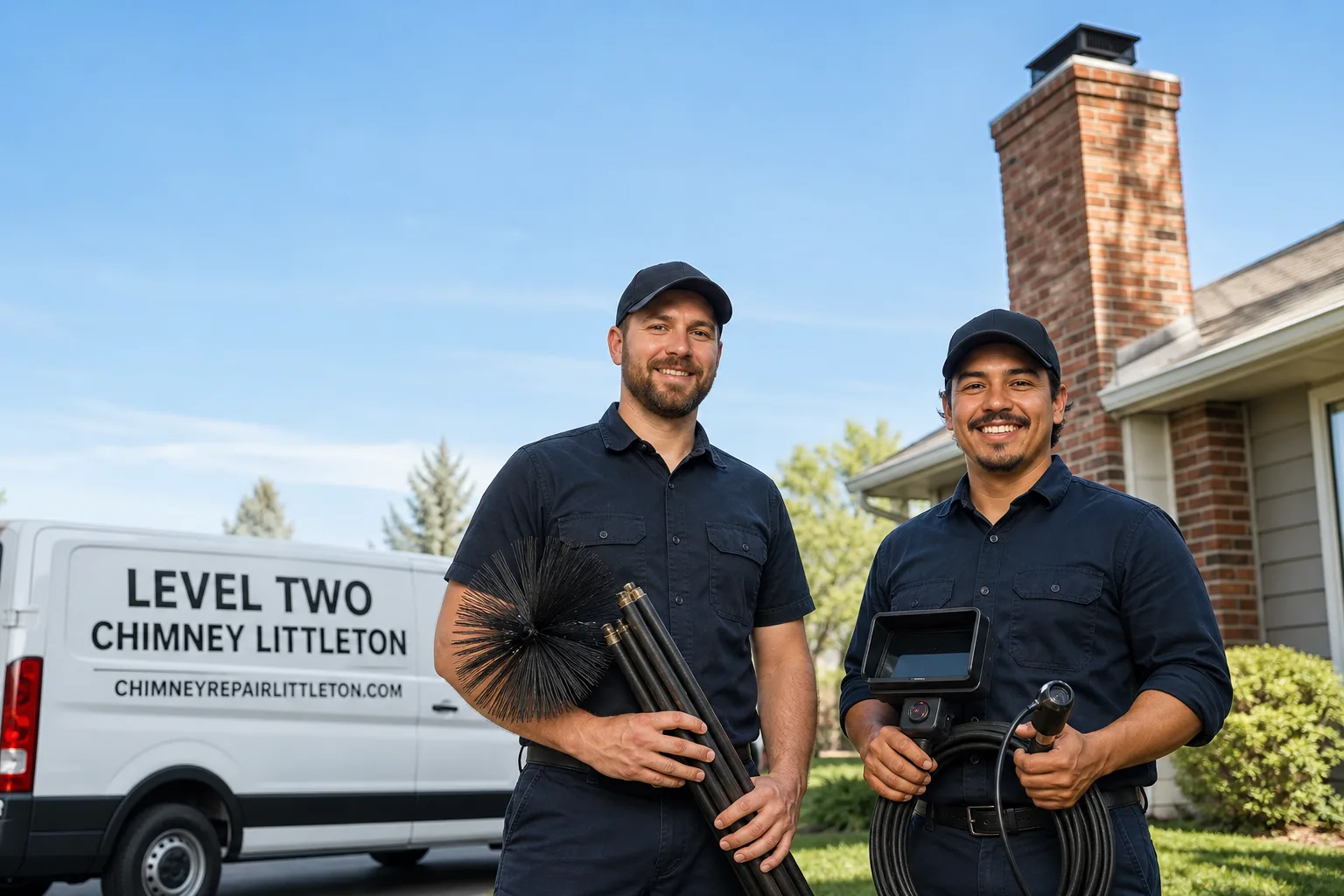
Level 1 sweep and inspection to the NFPA 211 annual standard - flue, crown, cap, and flashing checked and photographed
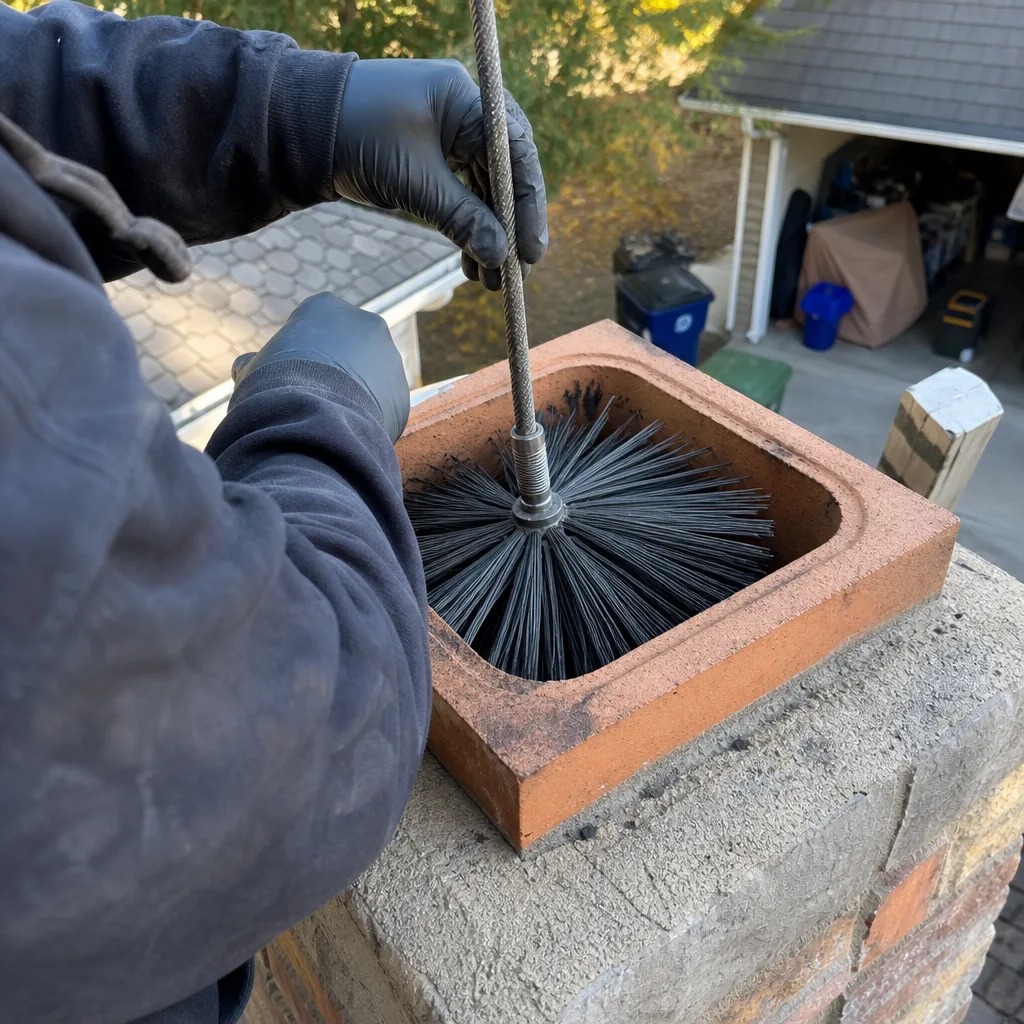
Chimney sweep logs do not sweep chimneys. They loosen some creosote - which then falls where a brush and vacuum still have to collect it.
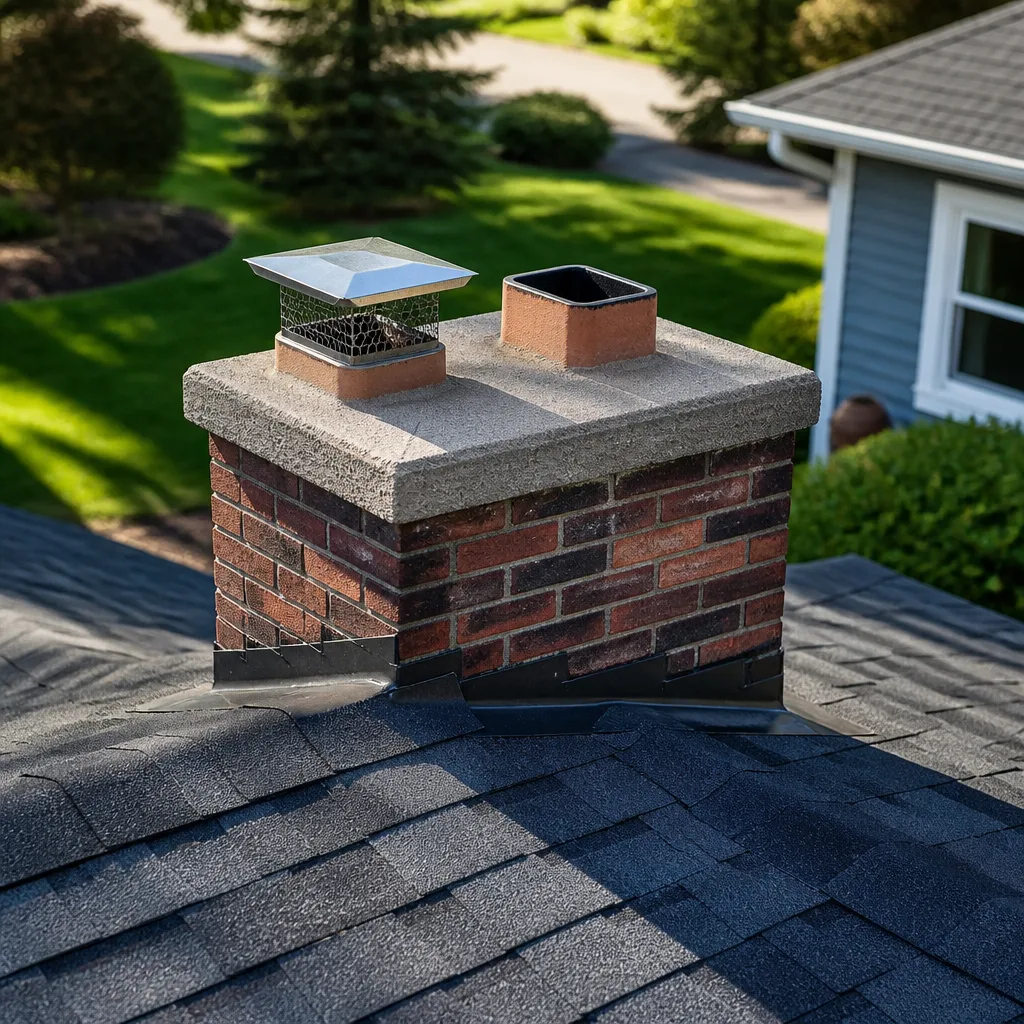
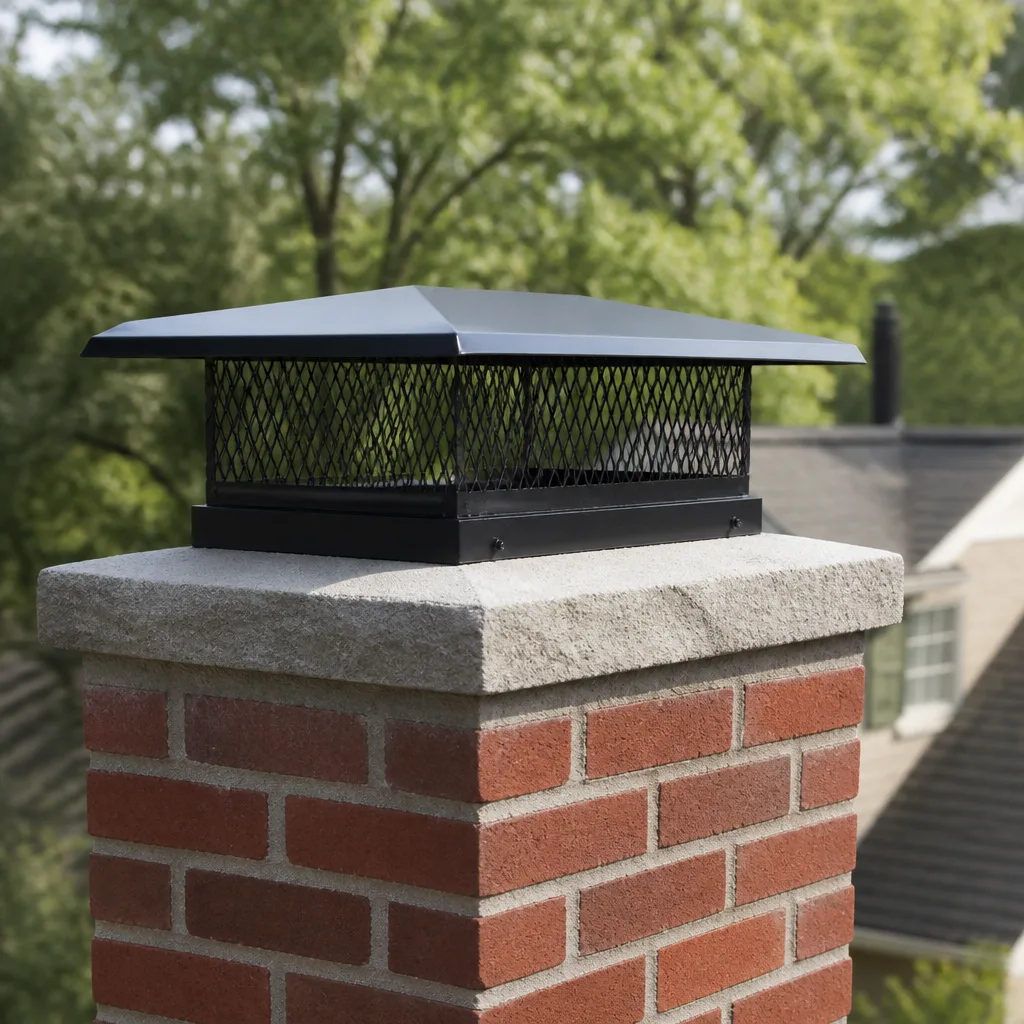
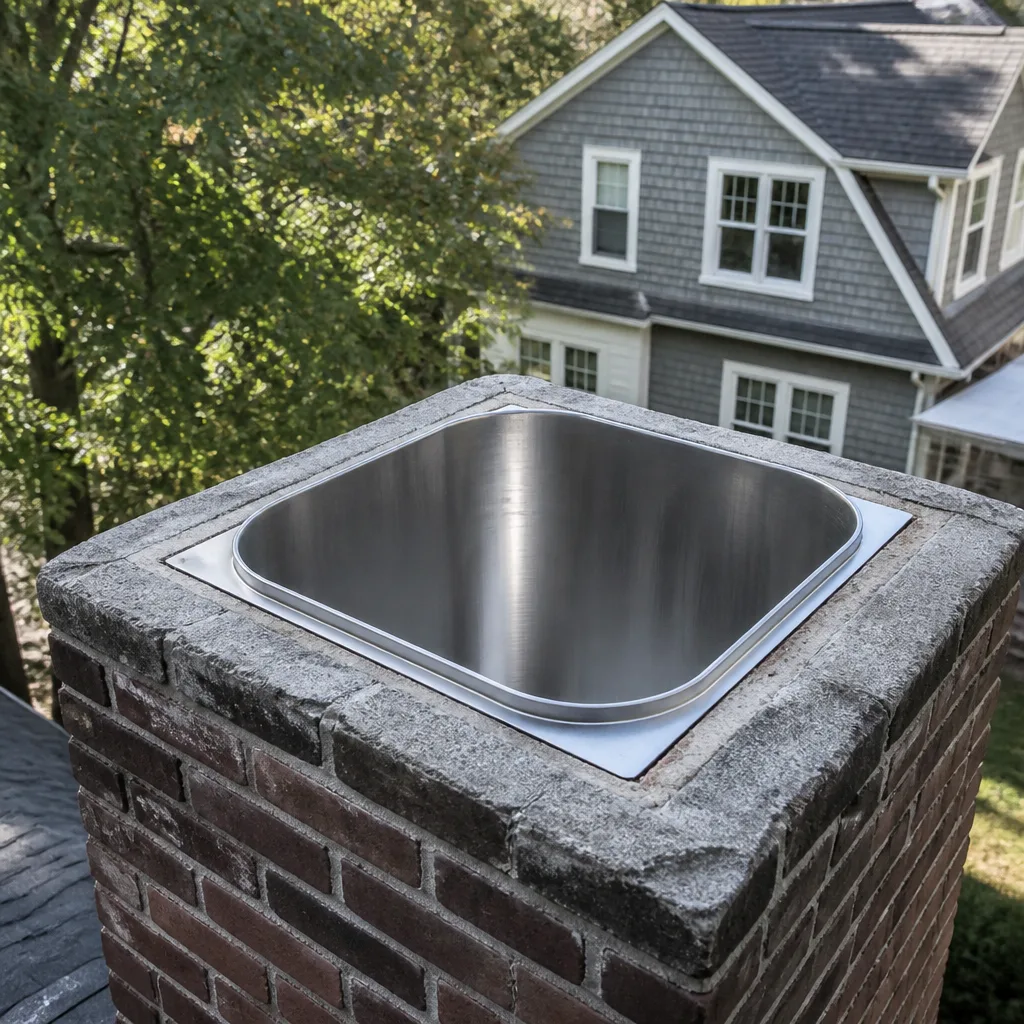
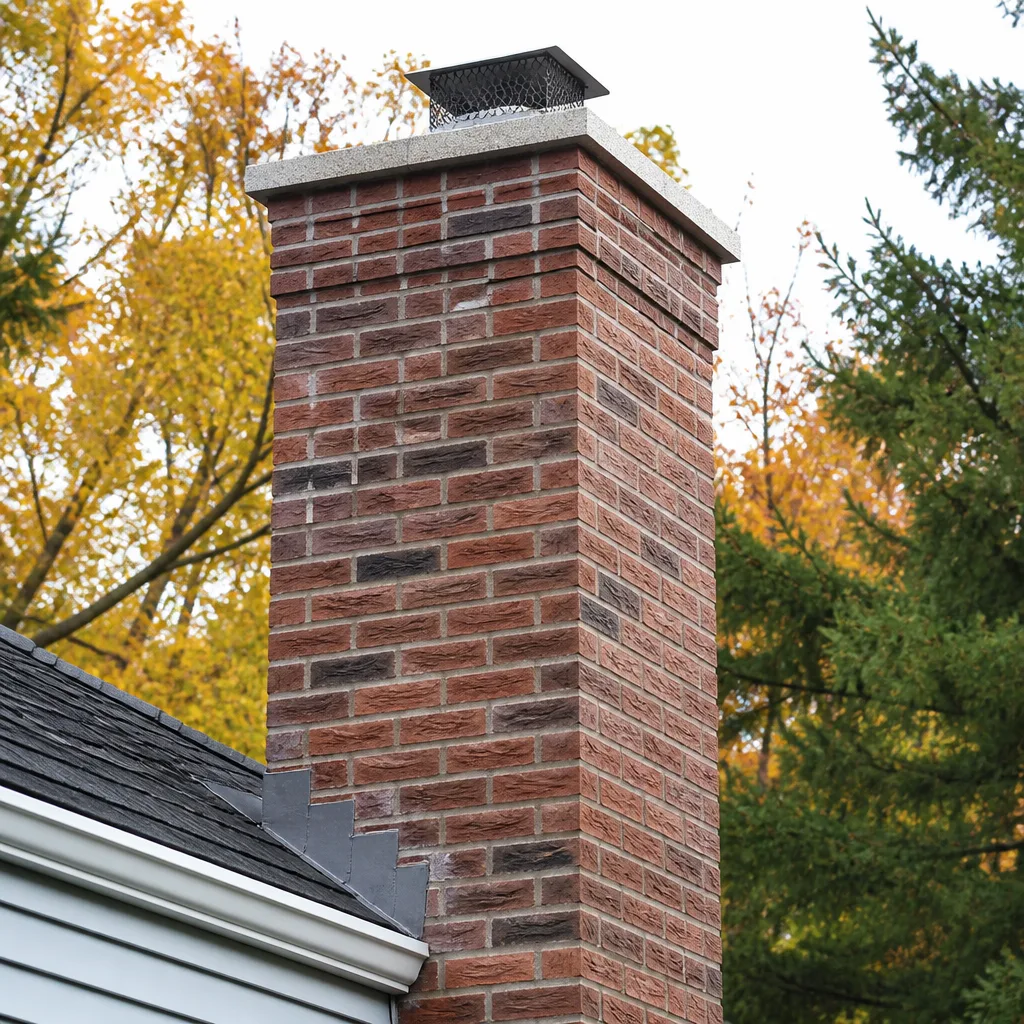
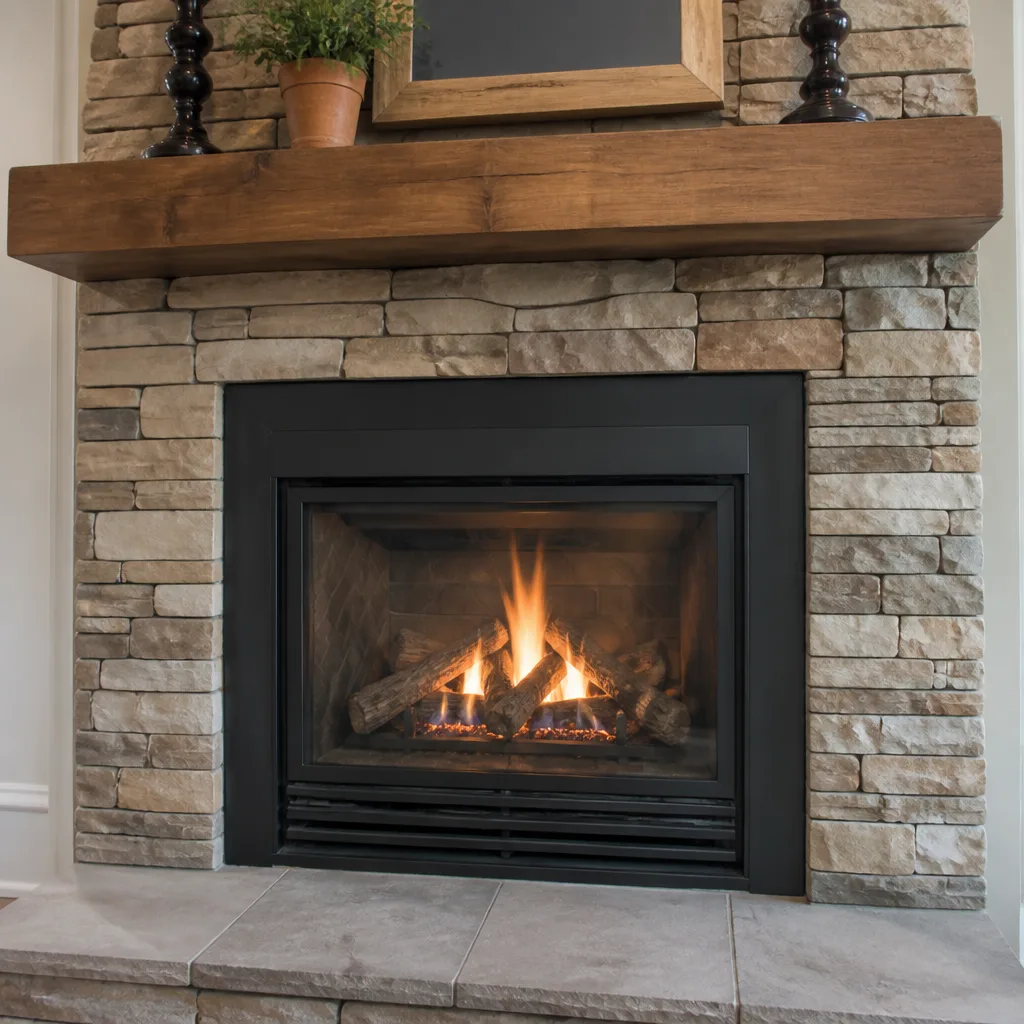
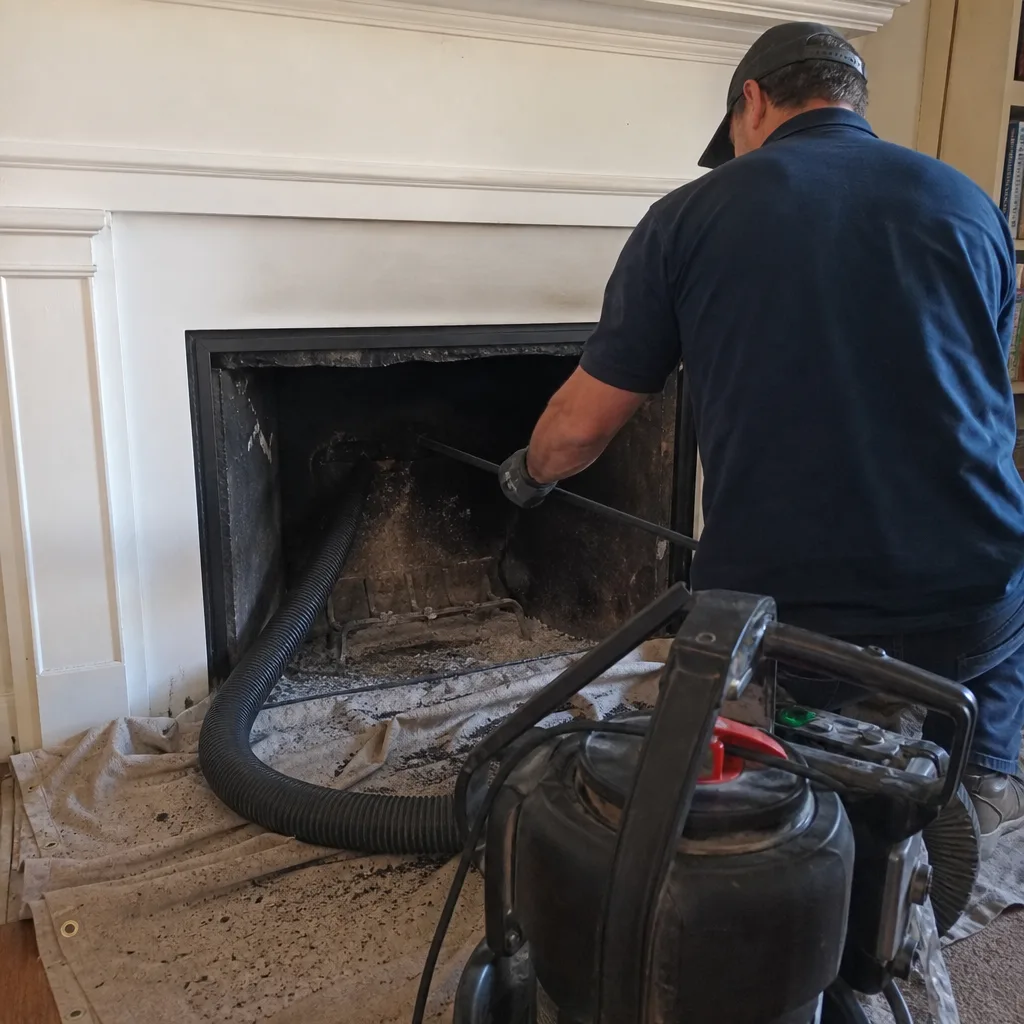 Before
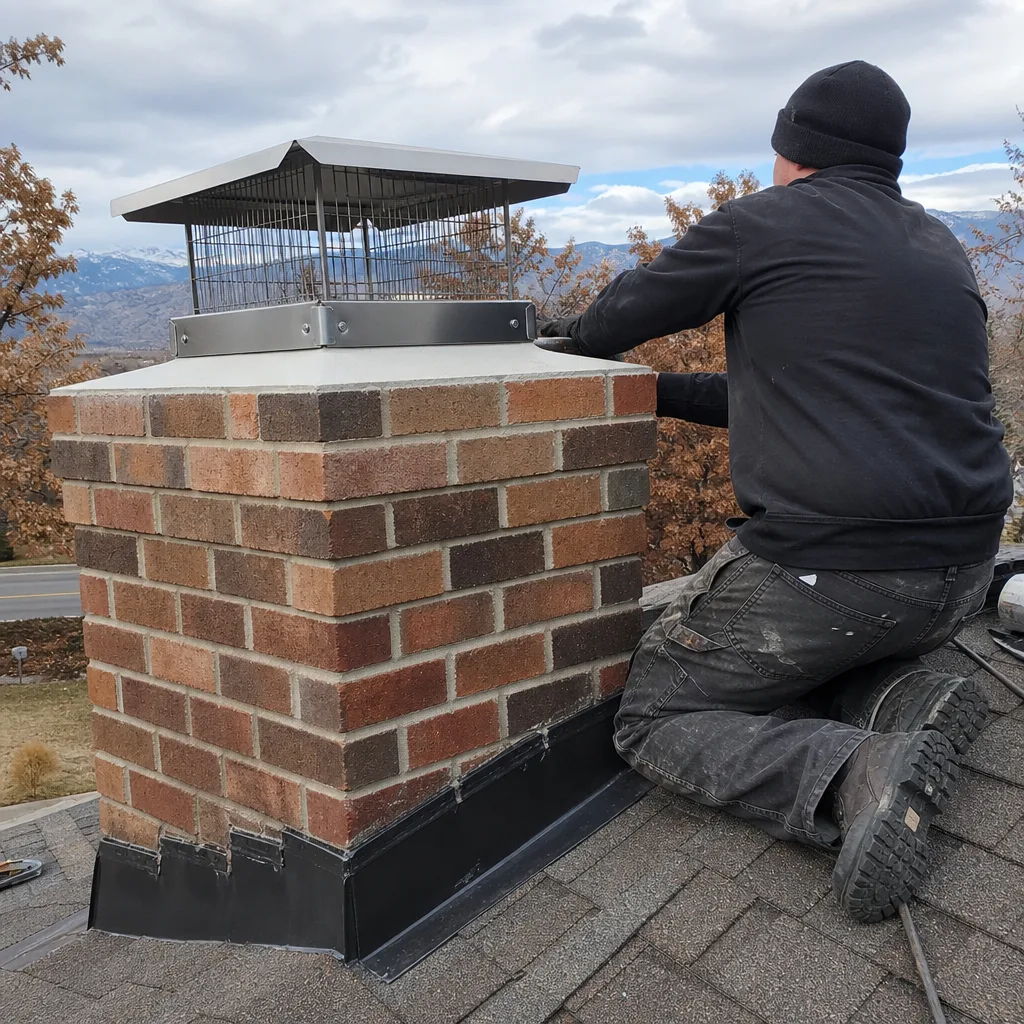 After
After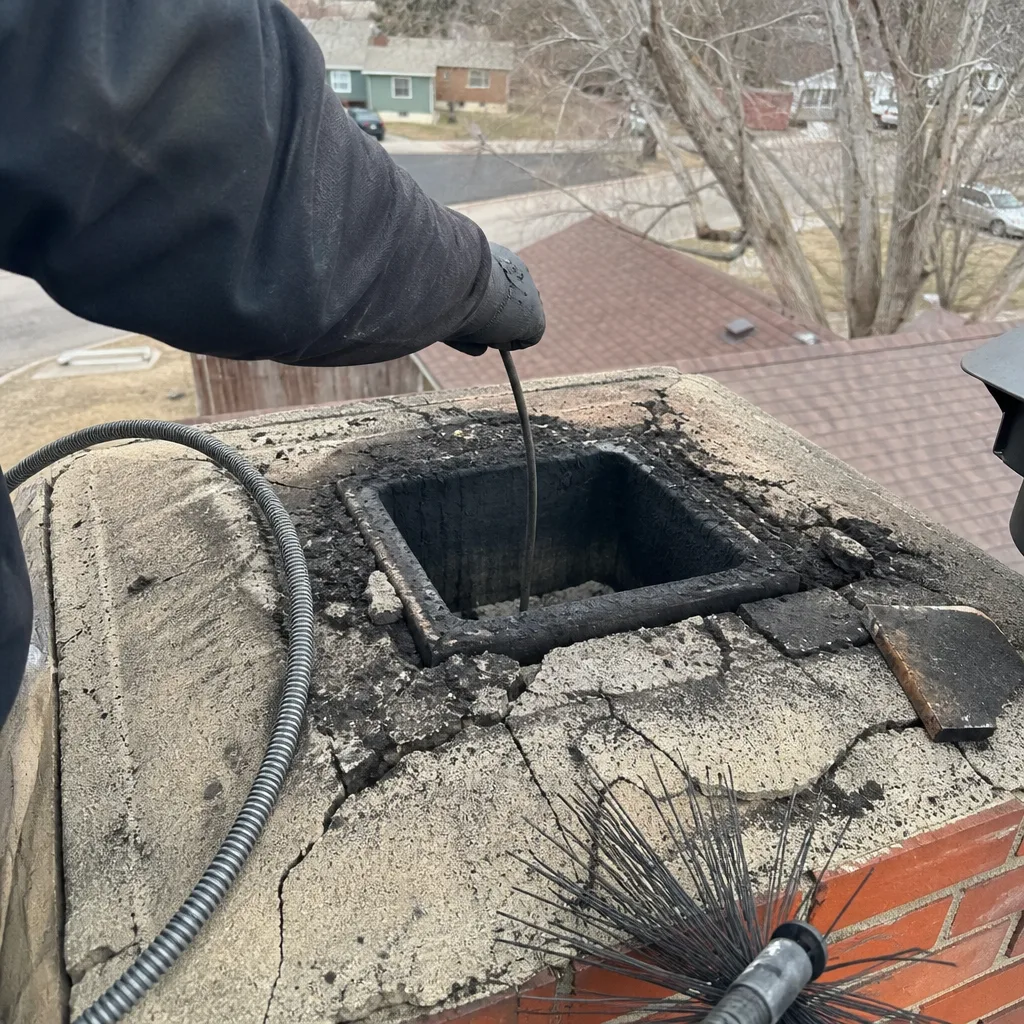 Before
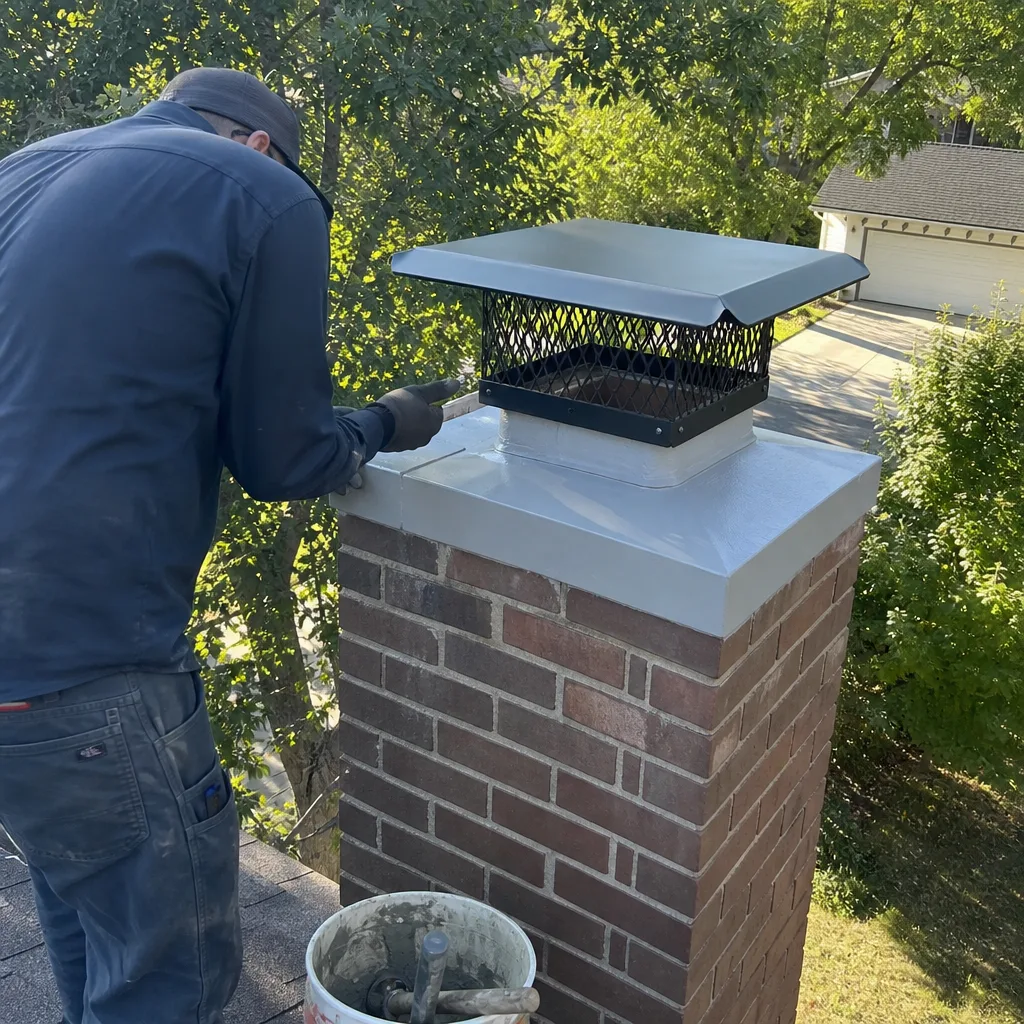 After
After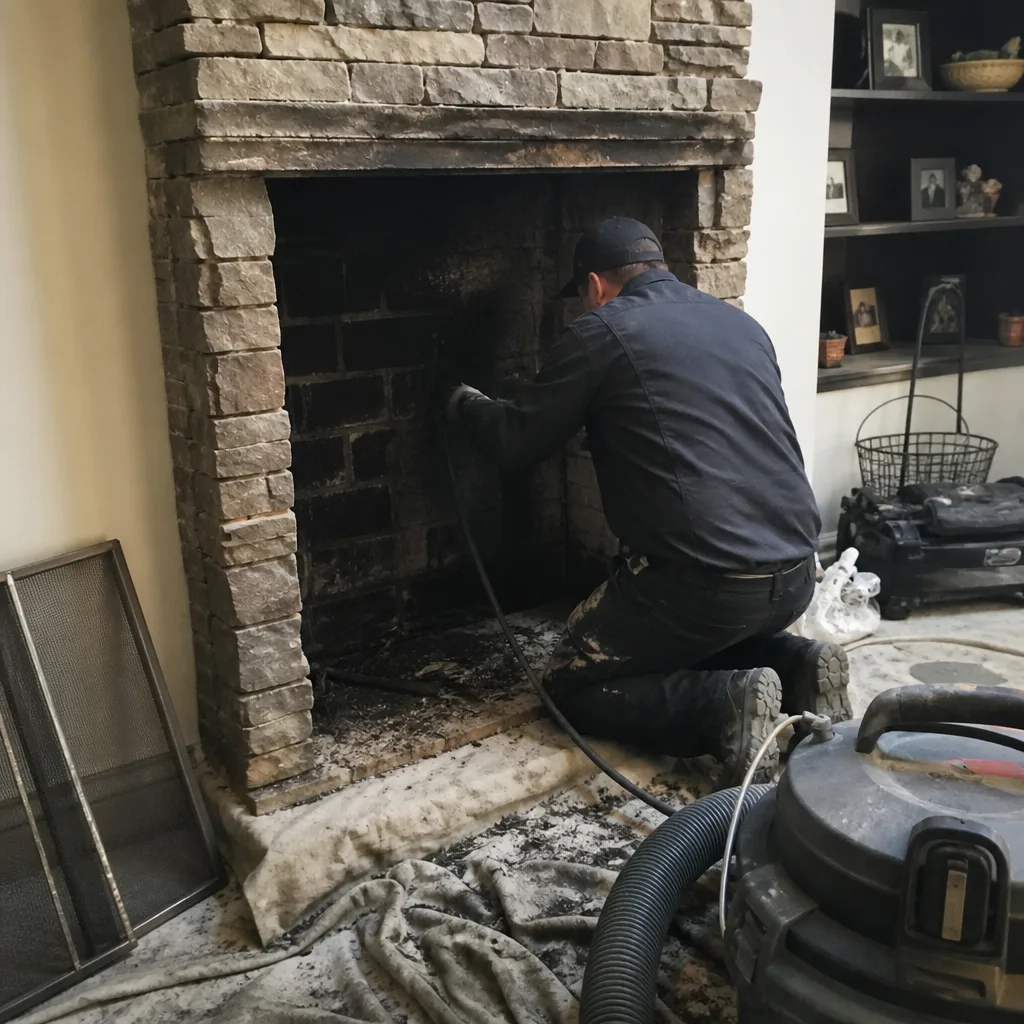 Before
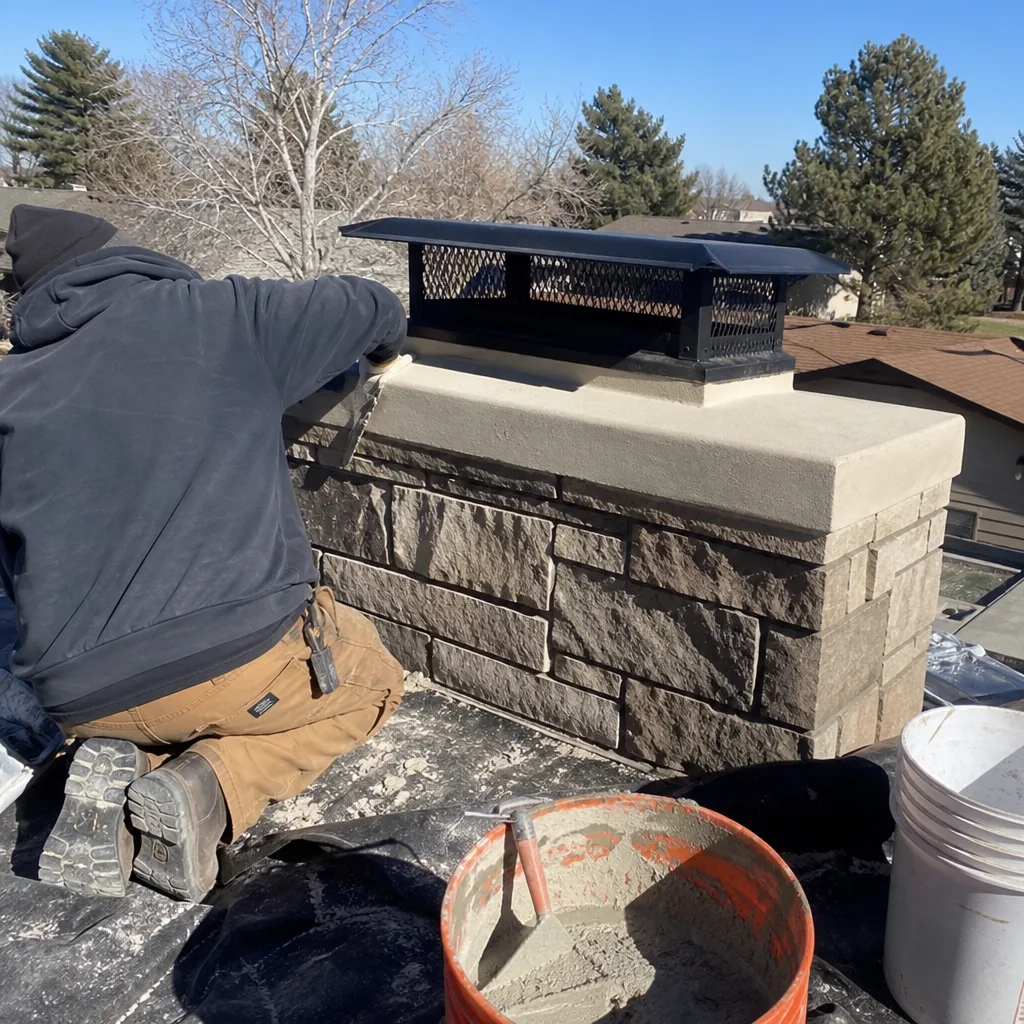 After
AfterFast, Reliable Chimney Repair Across Denver
Chimney repair in Denver typically costs $180 for minor mortar repointing up to $8,500 for full chimney rebuilding, with most homeowners spending between $1,200 and $3,800 for mid-range repairs. Our Chimney Repair team dispatches from our Denver office and covers the metro area with same-week scheduling for non-emergency work. Call (720) 439-4666 for a written estimate before any work begins.
We know Denver’s chimneys. The brick Victorians in Baker and Curtis Park, the postwar ranches in Harvey Park and Montbello, the converted coal-era flues in Capitol Hill - each carries a different failure pattern, and each needs a technician who recognizes what altitude, freeze-thaw cycling, and 130 years of fuel-switching have done to the masonry. Our crews are assigned by neighborhood familiarity, not just zip code proximity.
Why Level Two Chimney Littleton Is Denver’s Preferred Chimney Repair Company
We’ve completed more than 38,000 chimney inspections and cleanings since 2009, every one with a written price before work started and a documented photo record when finished. That archive practice became Clause 4 of the Haven Standard - and it’s the reason Denver homeowners can see what we found, not just hear about it.
Our reviews from Denver customers consistently mention two things: the camera footage they were shown, and the written scope they received before anyone picked up a trowel. No verbal estimates. No “we’ll see what we find.” Clause 1 of the Haven Standard requires a written price, written scope, and written warranty delivered before work starts - always, on every job, no exceptions.
Response time to Denver neighborhoods runs same-week for standard repairs, with live phone support 24 hours a day, 7 days a week. A named technician is assigned to your job, and you get a text when they’re on the way. Background-checked, uniformed crews. License number on every page.
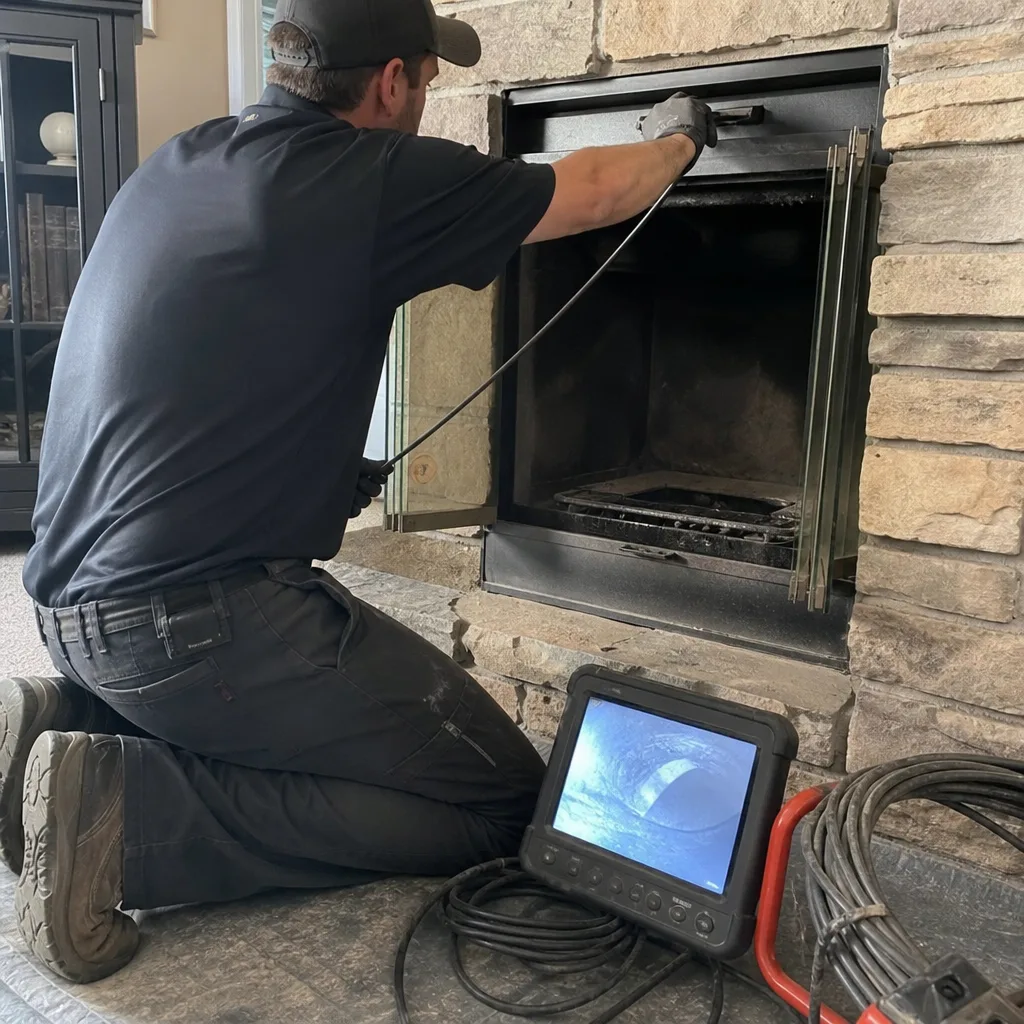
The local knowledge matters. A technician trained in sea-level markets won’t expect Denver’s altitude-driven creosote loading or recognize the draft problems created by coal-era oversized flues. We do. That’s why we built this practice around NFPA 211 Level 2 inspection standards - camera down the flue, documented evidence, readings you can see.
Our Chimney Repair Services in Denver
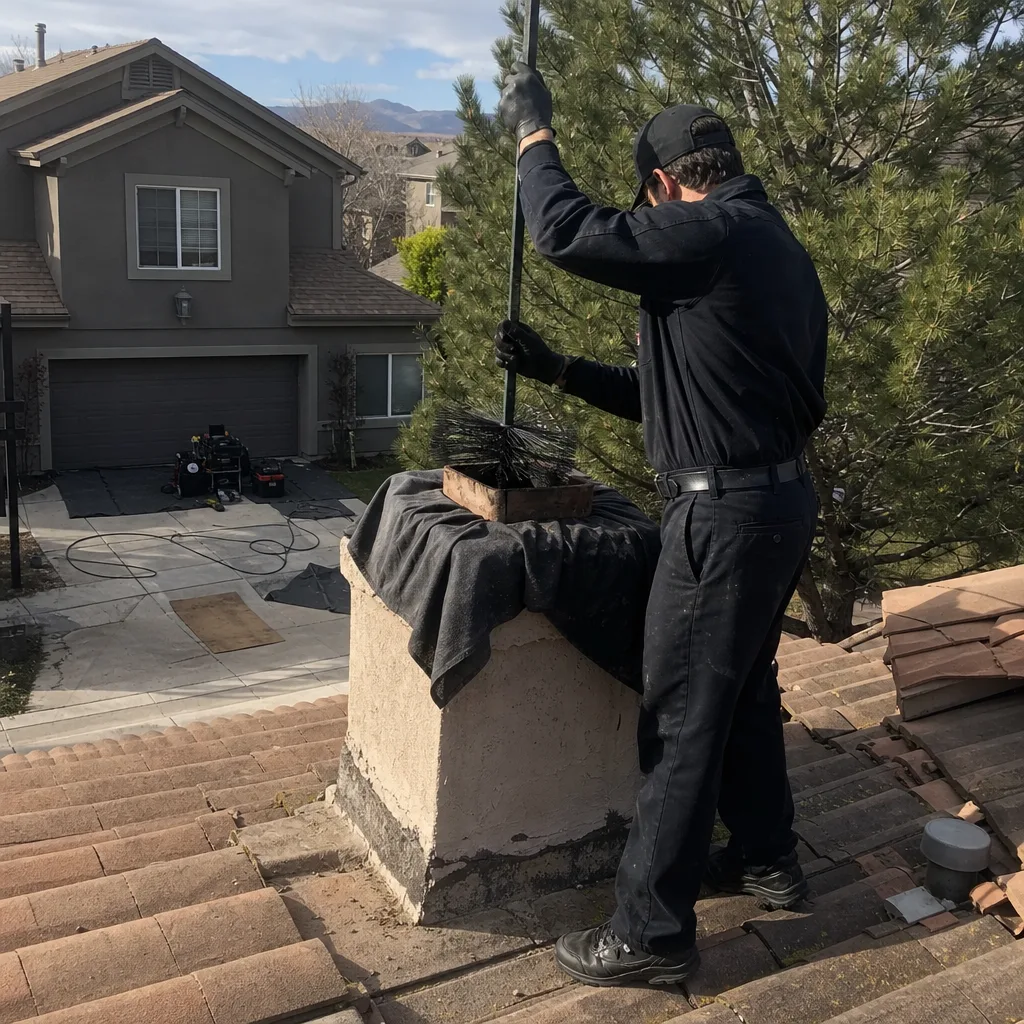
Chimney Rebuilding
Full chimney rebuilding in Denver runs $4,500-$8,500 depending on height, accessibility, and whether the foundation needs reinforcement. We see this most often in Baker and Curtis Park, where 1890s-1920s brick stacks have suffered decades of Chinook-driven freeze-thaw damage and semi-arid mortar erosion. We rebuild with matching brick sourced through Haven’s buying network and document every course with photos under Clause 4. A 365-Day Done Right Promise backs the work.
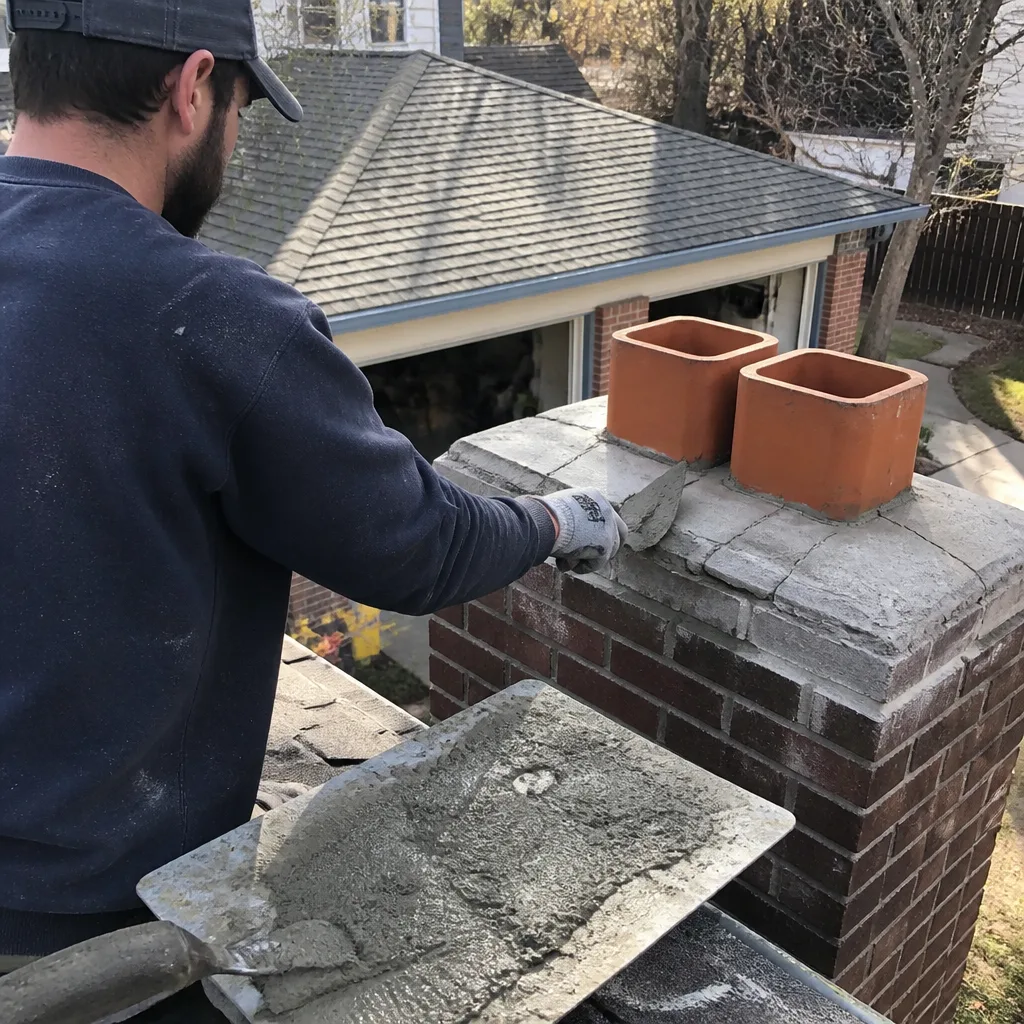
Mortar Repointing
Repointing deteriorated mortar joints costs $1,200-$2,800 for a typical Denver single-flue chimney. The Front Range’s dramatic temperature swings - 40-50°F shifts during Chinook events - expand and contract mortar faster than in steadier climates. We grind out failed joints to proper depth, match original mortar composition for breathability, and seal with a compatible bonding agent. Most Denver homeowners need repointing every 15-20 years, sooner if the crown has been leaking.
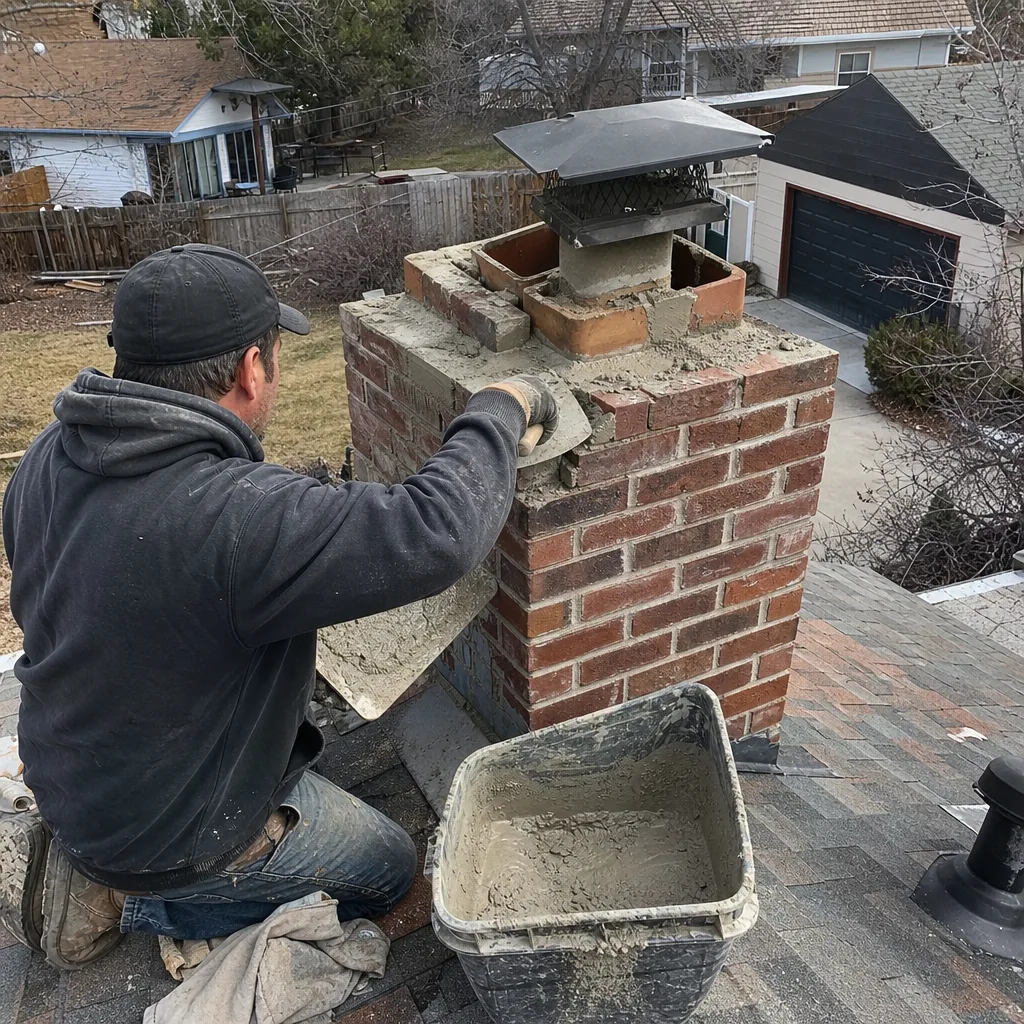
Chimney Waterproofing
Professional waterproofing with vapor-permeable sealant runs $800-$1,500 for an average Denver chimney. This isn’t cosmetic. Denver’s semi-arid conditions actually accelerate mortar dehydration and surface erosion, and sudden spring snowmelt followed by hard freeze creates absorption damage in unsealed brick. We apply breathable treatments that block liquid water while letting vapor escape - critical for masonry that sees both desert-dry winters and sudden moisture events.
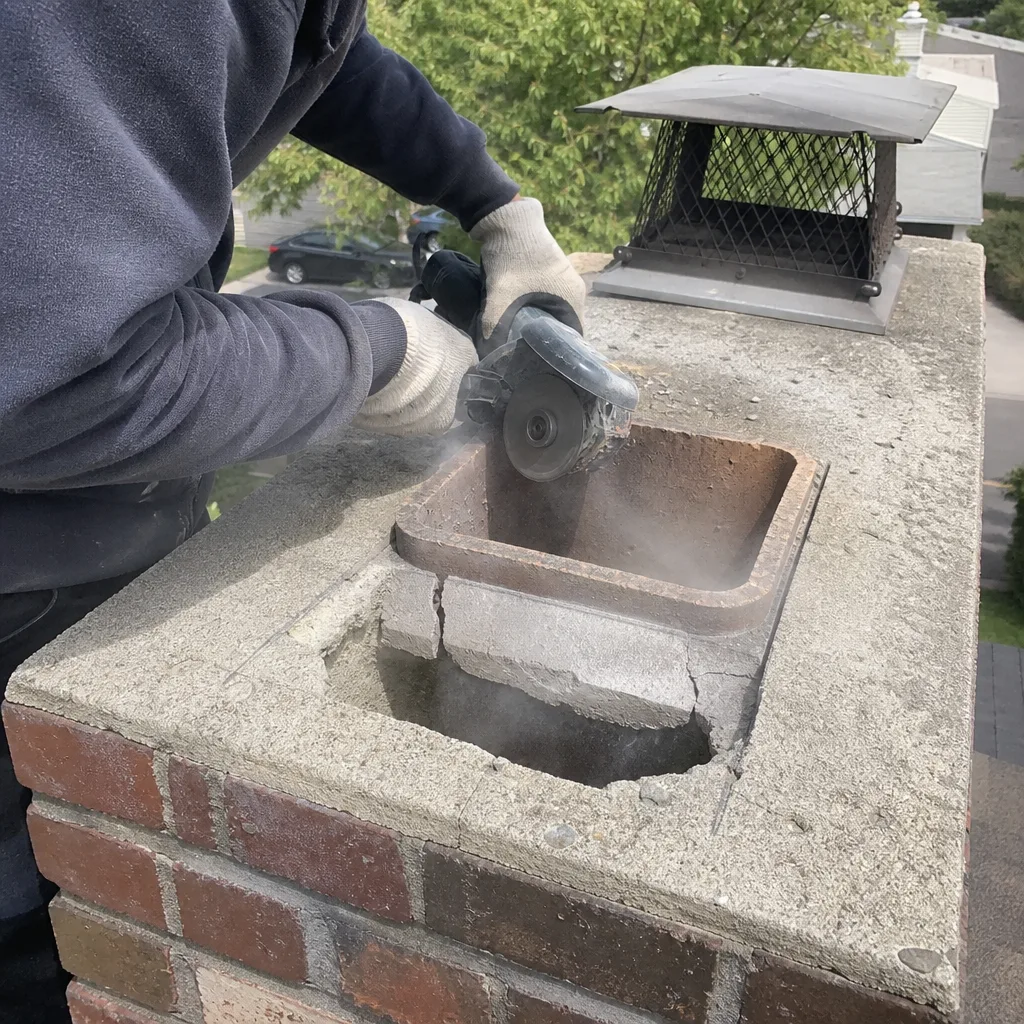
Flashing Repair
Flashing repair or replacement costs $450-$1,100 in the Denver market. The combination of intense UV exposure at 5,280 feet and rapid thermal cycling separates poorly installed flashing faster than at lower elevations. We fabricate custom flashing where needed, integrate with existing roofing under Haven Standard documentation protocols, and photograph the finished joint from multiple angles for your record.
Spalling Brick Repair
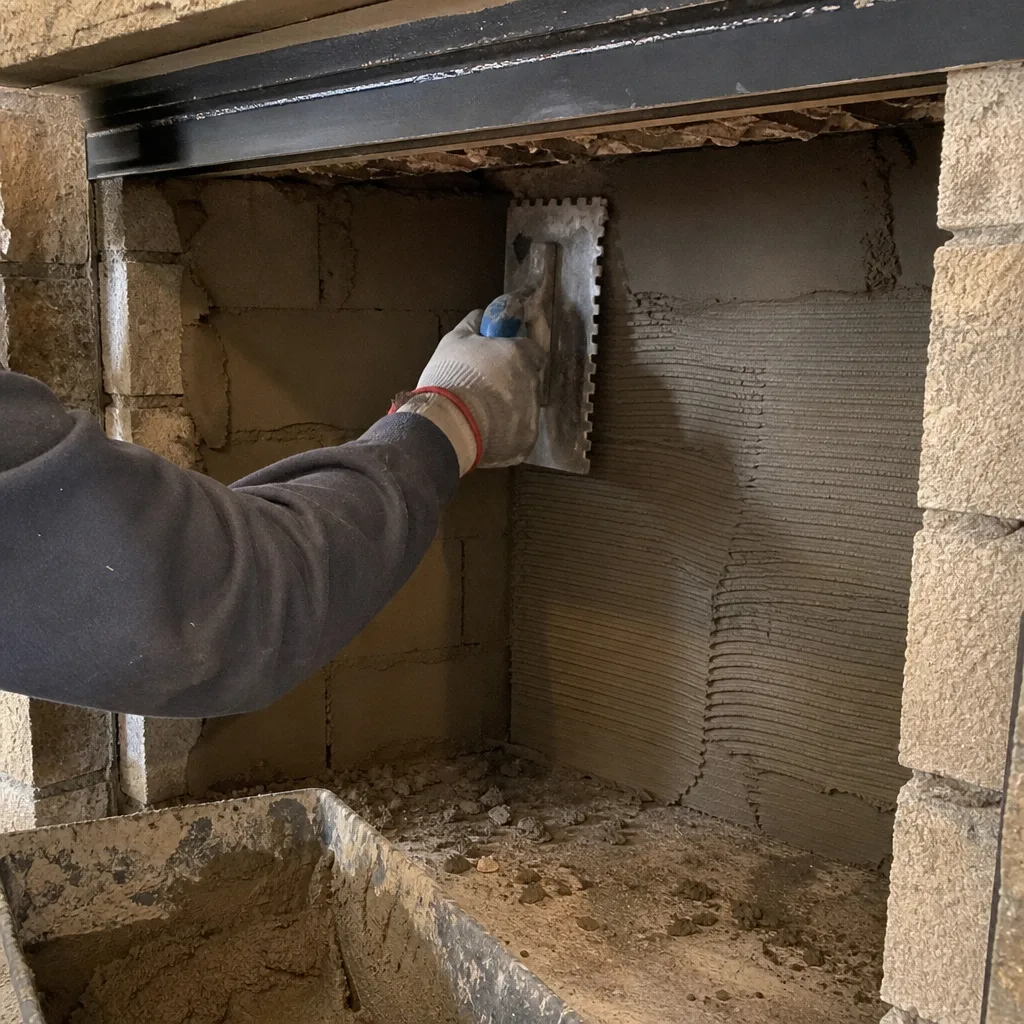
Individual spalling brick replacement runs $180-$340 per brick area, with full-face resurfacing at $2,200-$4,000. Spalling - the flaking and crumbling of brick faces - accelerates in Denver when moisture penetrates during sudden spring storms, then freezes overnight as temperatures drop back below 32°F. We see this pattern repeatedly in Washington Park and Highlands homes where original hard-fired brick has been compromised by decades of crown leakage.
Tuckpointing
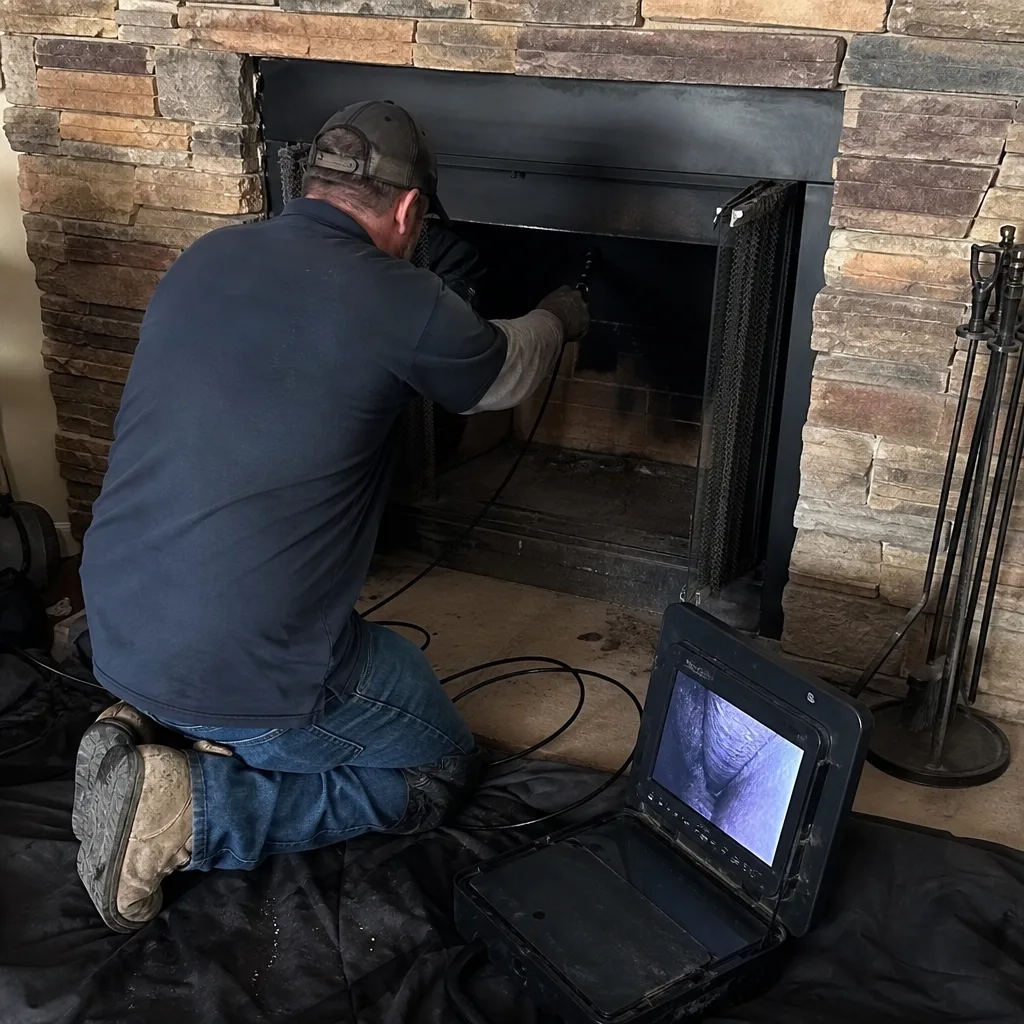
Decorative tuckpointing on Denver’s historic Victorians runs $2,500-$5,500 depending on facade area and color-match complexity. The fine-line aesthetic of original tuckpointing requires hand-tooling and pigment matching that most masonry crews won’t attempt. We document the existing pattern photographically before touching a joint, then replicate it course by course.
What happens when you call
- 1
A real person answersNo phone trees - you reach a local pro.
- 2
You get an upfront price rangeHonest numbers before anyone is dispatched.
- 3
A background-checked tech heads outLicensed & insured, dispatched right away.
- 4
You approve before work beginsNothing starts until you say go.
 Before
 After
AfterTrusted Brands We Service in Denver
We stock repair materials from HeatShield, Gelco, and Olympia Chimney through Haven’s buying network, procured specifically to keep Denver customer prices honest. HeatShield cerfractory flue resurfacing is our standard for cracked clay liners in coal-era chimneys - it restores a smooth, insulated flue surface without the cost of full stainless relining. Gelco caps and Olympia Chimney liner components ship to our Denver warehouse on predictable timelines, so we’re not passing rush-shipping costs to you. Famco termination fittings complete the system when draft correction is needed on converted boiler flues. Every material spec is listed on your written scope before work begins.
Common Chimney Repair Problems We See in Denver Homes
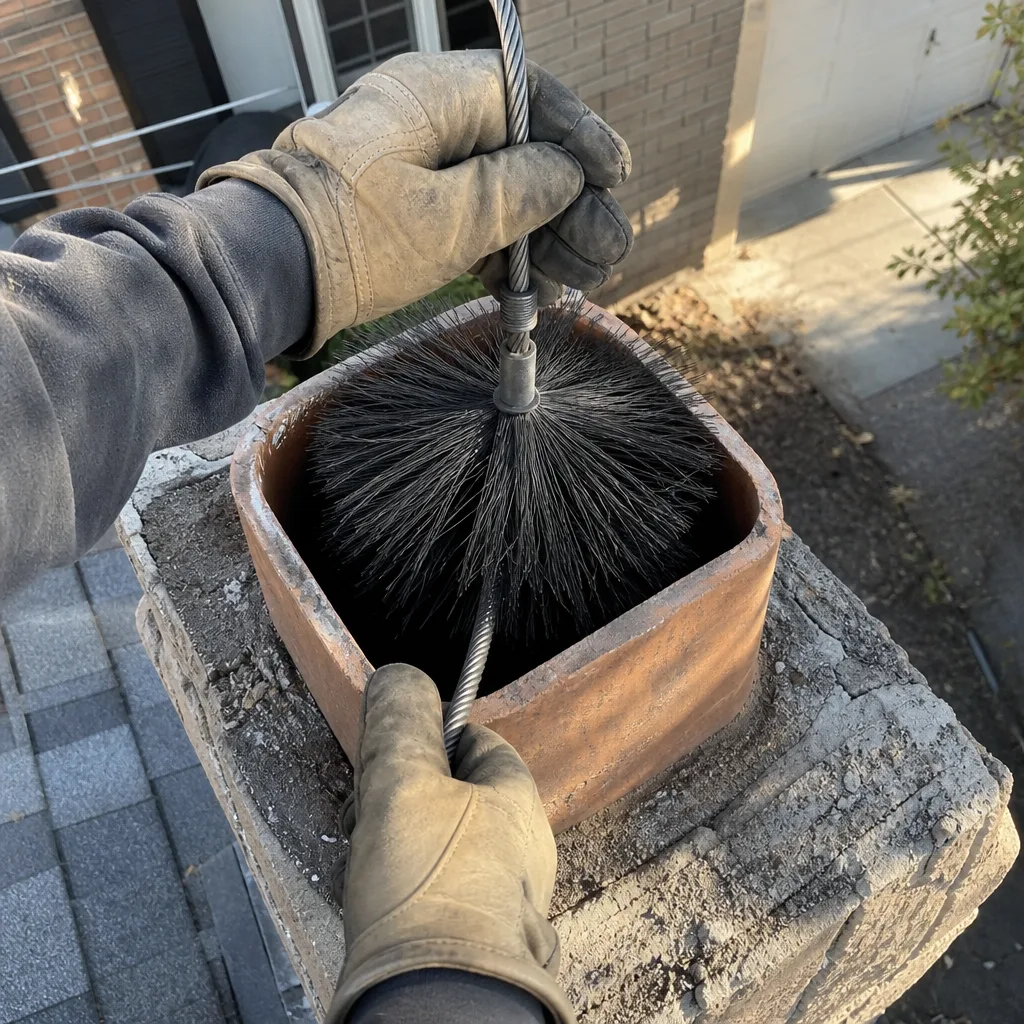
- Altitude-driven creosote acceleration. At 5,280 feet, wood stoves burn with roughly 17% less oxygen than at sea level. Incomplete combustion deposits creosote faster and heavier. Homeowners following sea-level sweeping schedules end up with dangerous buildup that a Level 2 camera inspection reveals too late.
- Chinook freeze-thaw mortar destruction. Those 40-50°F temperature swings within hours cause rapid expansion and contraction in mortar joints and brick crowns. Spalling and liner cracking progress far faster than in cities with steadier winter climates. Semi-arid conditions erode the damaged mortar before most owners schedule an inspection.
- Coal-era flue mismatch in Capitol Hill and Curtis Park. Chimneys originally sized for coal boilers were later adapted for gas or wood inserts without relining. Oversized flues create chronic draft problems and allow corrosive condensate to saturate original soft-brick liners. Local technicians learn to flag this pattern on first inspection in those zip codes.
- Zero-clearance fireplace expiration in postwar ranches. Homes in Park Hill, Harvey Park, and Montbello commonly contain 1950s-1970s prefabricated metal fireplaces at or past their 20-to-25-year safe service life. Heat-warped fireboxes and failing flue liners are standard findings. We got a call from a homeowner in Harvey Park whose aging unit had exactly this profile - our tech pulled it, found Stage 3 glazed creosote choking the smoke chamber, and installed a HeatShield liner that restored safe draft. Because they burn wood as a primary heat source on rural-feeling lots, we set them on a shorter sweeping interval and gave them a burning-practice walkthrough to cut creosote loading.
Pricing for Chimney Repair in Denver, CO
| Repair Type | Typical Denver Range |
|---|---|
| Minor mortar repointing (spot) | $180-$450 |
| Full mortar repointing | $1,200-$2,800 |
| Spalling brick repair (per area) | $180-$340 |
| Chimney waterproofing | $800-$1,500 |
| Flashing repair/replacement | $450-$1,100 |
| Chimney crown rebuild | $1,800-$3,200 |
| Partial chimney rebuild | $2,800-$5,500 |
| Full chimney rebuilding | $4,500-$8,500 |
What moves you within these ranges: height and accessibility (steep roofs cost more to scaffold), extent of hidden damage revealed during tear-down, and whether the flue requires relining or resurfacing. We never recommend work without camera evidence you can see yourself, and we’ll tell you plainly when a repair can safely wait another season. Written price before work starts - Clause 1 of the Haven Standard. Free Second Opinion on any competitor’s written quote. Call (720) 439-4666 for an exact estimate; estimates are free.
We Also Serve Cities Near Denver
Our Chimney Repair in Denver coverage extends throughout the metro, including Aurora, Englewood, Littleton, and Westminster. Scheduling and dispatch are coordinated from our Denver office, with crews routed by neighborhood familiarity to keep response times tight. Same standards, same documentation, same written-price-first protocol in every zip code we serve.
Serving Denver, CO - Our Local Coverage Area
We’re based in the Denver area and know this community well. Use the map below to see our service coverage - if you’re nearby, we can almost certainly help.
FAQs - Chimney Repair in Denver
More often. At 5,280 feet, thinner air means incomplete combustion and faster creosote buildup. If you’re burning wood as a primary heat source - common on Denver’s rural-feeling lots - we recommend inspection and sweeping every 30-40 fires rather than the generic annual schedule. Mandatory no-burn days compound the problem: skipping weeks then firing heavily on permitted days converts soft creosote into hard, glazed Stage 3 creosote faster than in lower-altitude markets. Call (720) 439-4666 to schedule a Level 2 inspection and we’ll set the right interval for your burn pattern.
No. Coal-era chimneys in Capitol Hill and Curtis Park were built with oversized flues and soft-brick liners never intended for modern wood-burning temperatures. The mismatch creates chronic draft problems and allows corrosive condensate to saturate the liner. We’ve documented this failure pattern repeatedly in those zip codes. A proper stainless steel or HeatShield liner sized to your insert is required for safe operation. We’ll show you the camera footage and quote the relining in writing before any work begins. Call (720) 439-4666 for a free estimate.
Altitude-driven incomplete combustion plus no-burn-day burn patterns. The 17% oxygen deficit at 5,280 feet means wood stoves burn cooler and dirtier. When Denver’s Air Pollution Control Division calls no-burn days, homeowners skip weeks of use, then overload the firebox on permitted days. That intermittent heavy firing bakes soft Stage 1 creosote into hard, glazed Stage 3 - the most dangerous and difficult-to-remove form. It’s a Denver-specific problem that surprises technicians trained in sea-level markets. We identify it with camera inspection and remove it with mechanical rotary systems, not chemical shortcuts. Call (720) 439-4666 if you suspect heavy buildup.
Chinook winds and semi-arid climate. The Front Range sees temperature swings of 40-50°F within hours, causing rapid expansion and contraction that cracks mortar joints and chimney crowns far faster than in steadier climates. Semi-arid conditions then dry out and erode the damaged mortar before visible leaks alert homeowners. The industry generic recommendation of “every few years” is insufficient here. Annual Level 2 inspection with camera documentation catches crown and joint deterioration before water penetrates the stack. Call (720) 439-4666 to schedule; estimates are free.
We install and repair using HeatShield cerfractory resurfacing systems, Gelco chimney caps and accessories, and Olympia Chimney stainless steel liner components, all sourced through Haven’s buying network. HeatShield is our standard for cracked clay liners in Denver’s coal-era chimneys. Gelco caps handle the Front Range’s UV exposure and wind loading. Famco termination fittings complete draft-correction work on converted flues. Every brand and material spec is listed on your written scope before work starts. Call (720) 439-4666 for brand-specific questions or to schedule.
Ready to see what your chimney actually needs? Call (720) 439-4666 for a free written estimate. We’ll send a named technician with a camera, document what we find under Clause 4 of the Haven Standard, and deliver a written price before any work begins. The 365-Day Done Right Promise covers every repair we make.
Written by Corrine Halstead, Owner at Level Two Chimney Co., serving Denver since 2009.