
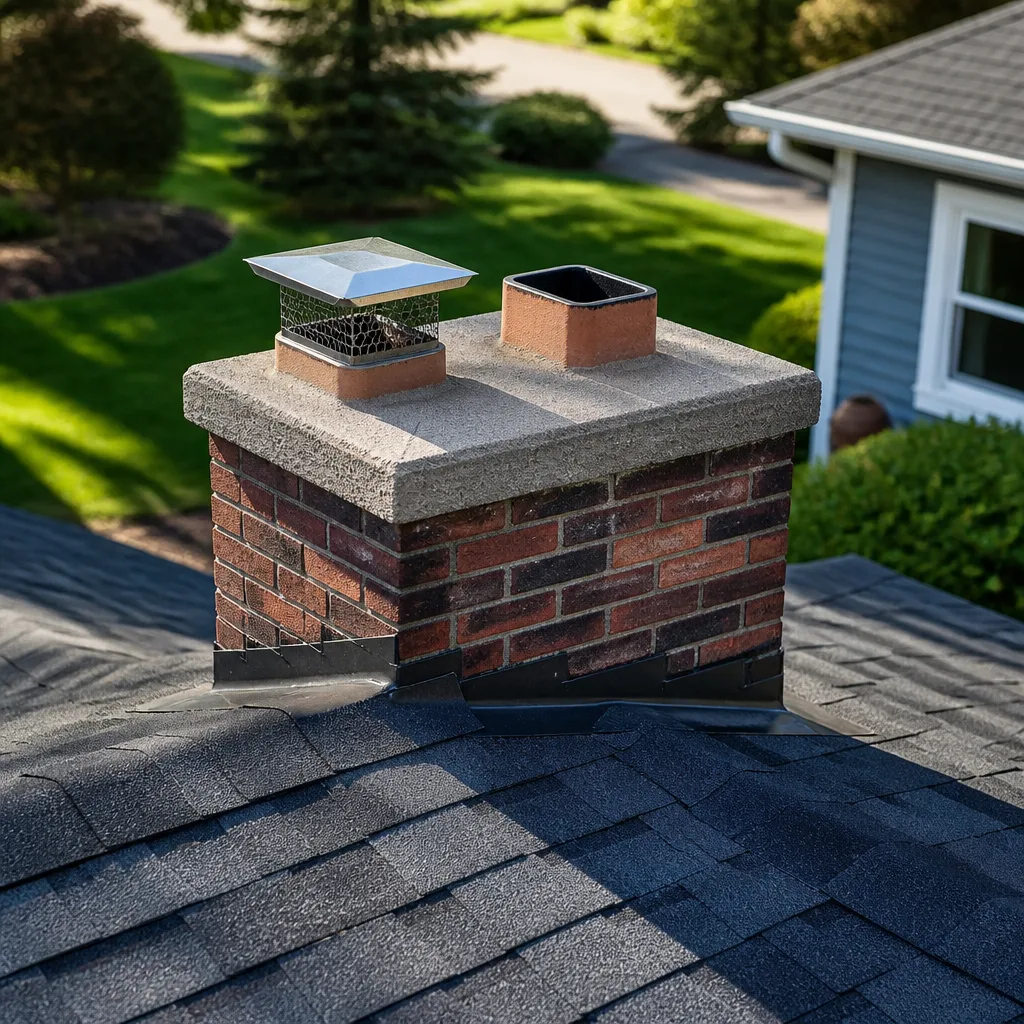
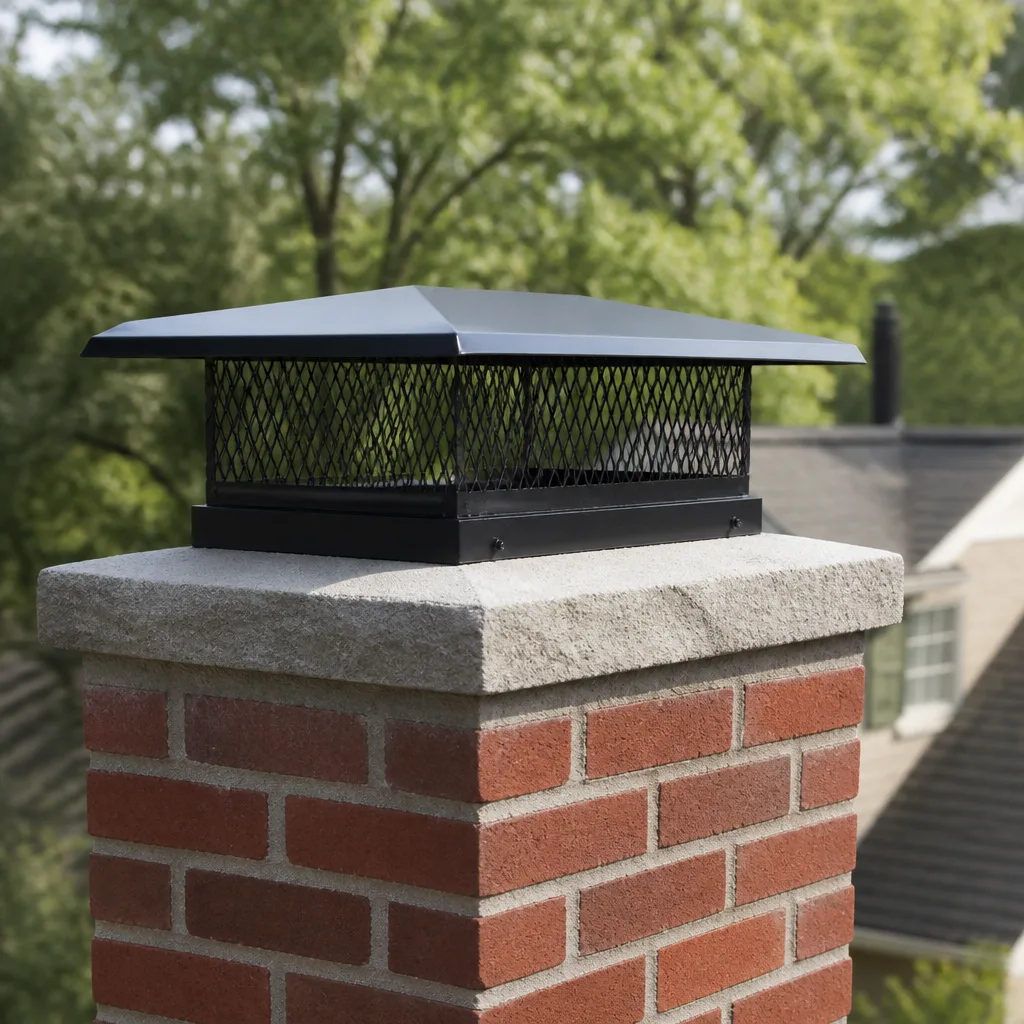
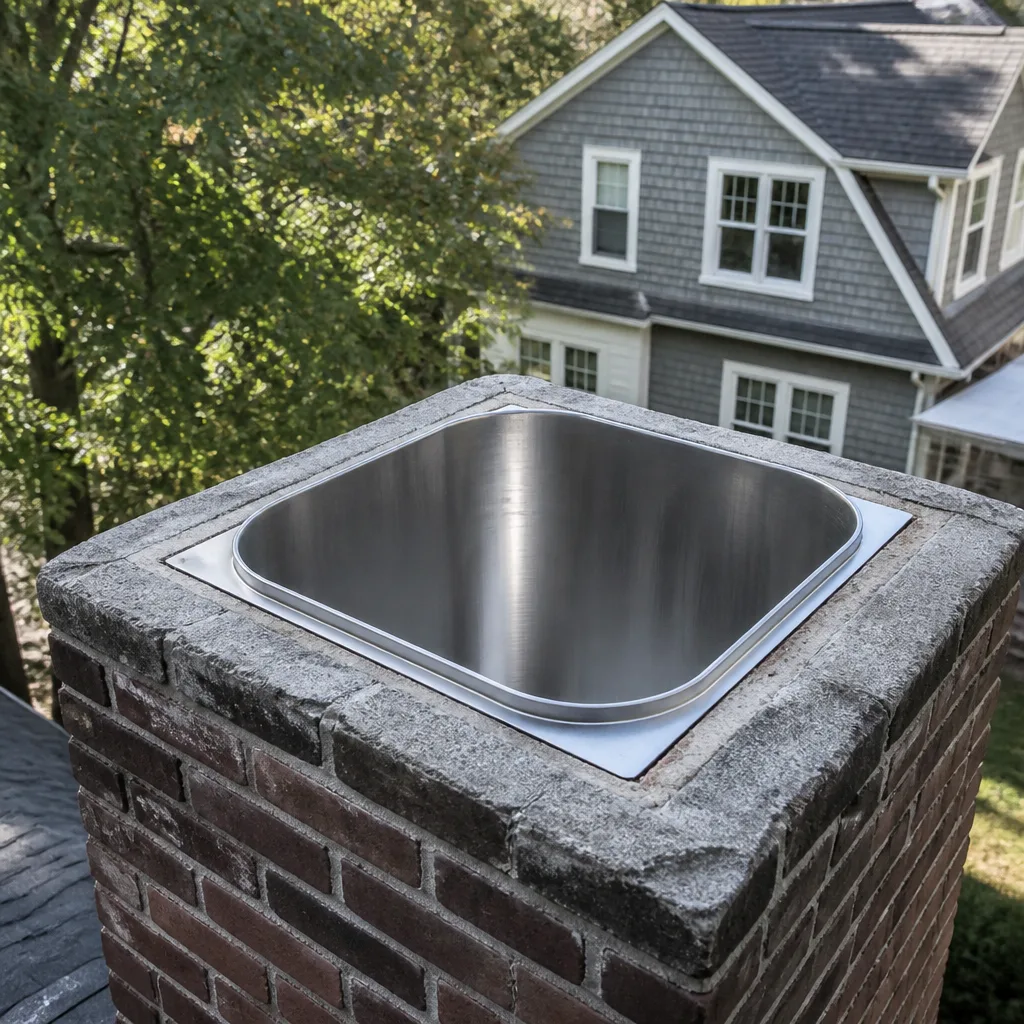
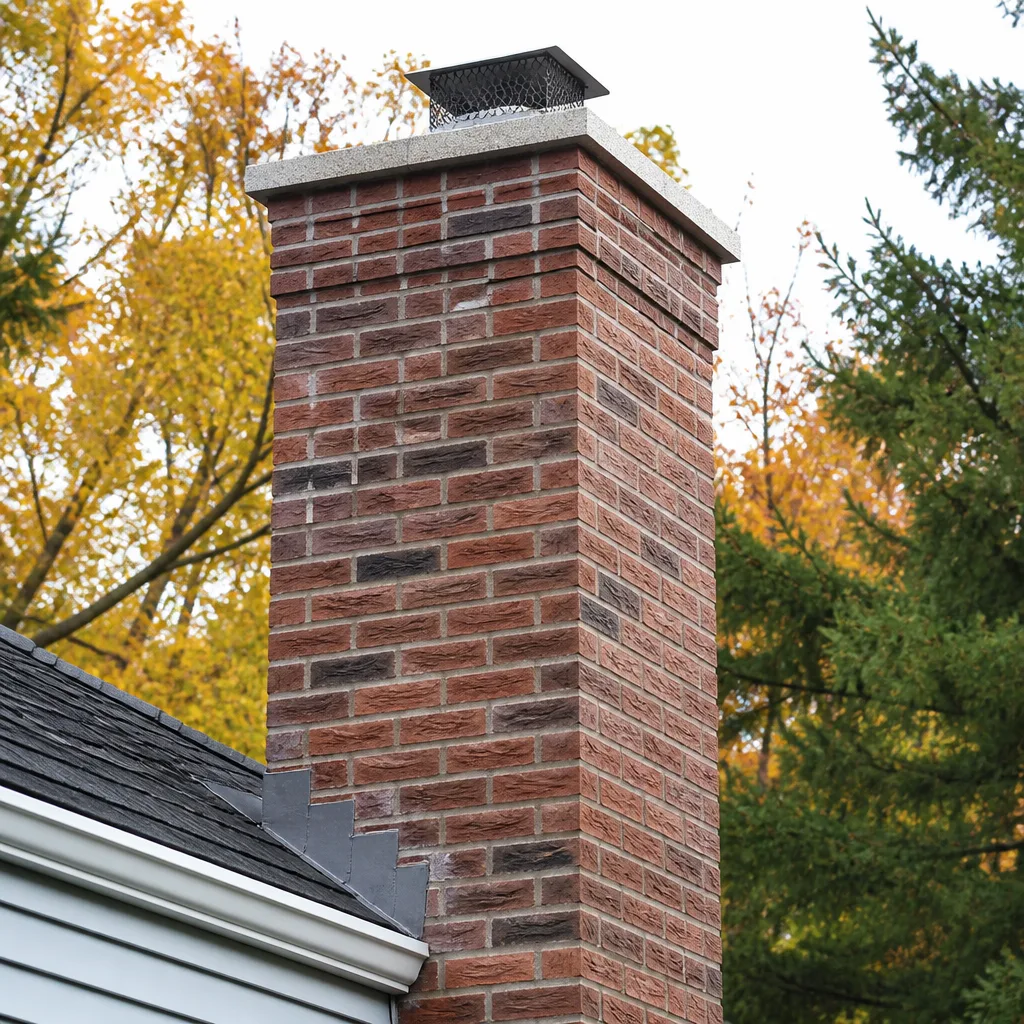
Level 1 sweep and inspection to the NFPA 211 annual standard - flue, crown, cap, and flashing checked and photographed
Chimney sweep logs do not sweep chimneys. They loosen some creosote - which then falls where a brush and vacuum still have to collect it.
 Before
 After
After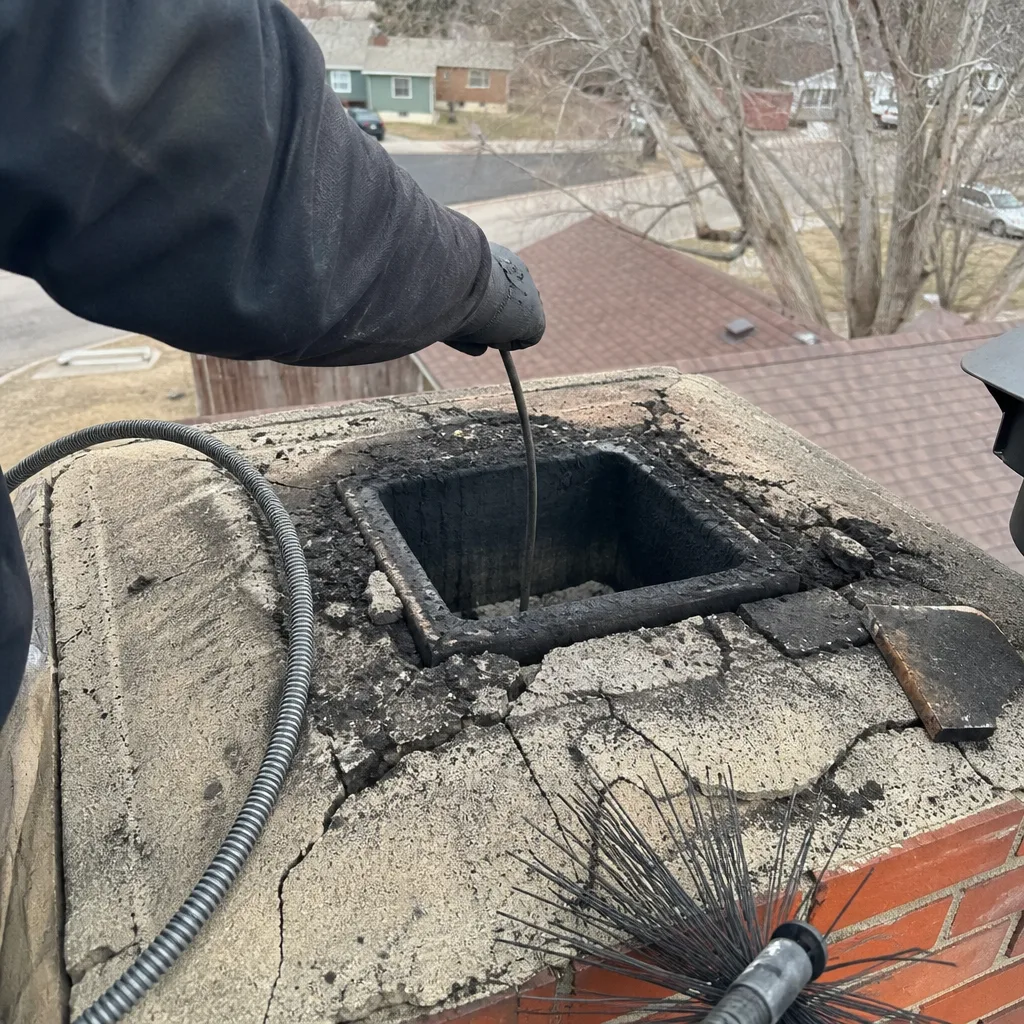 Before
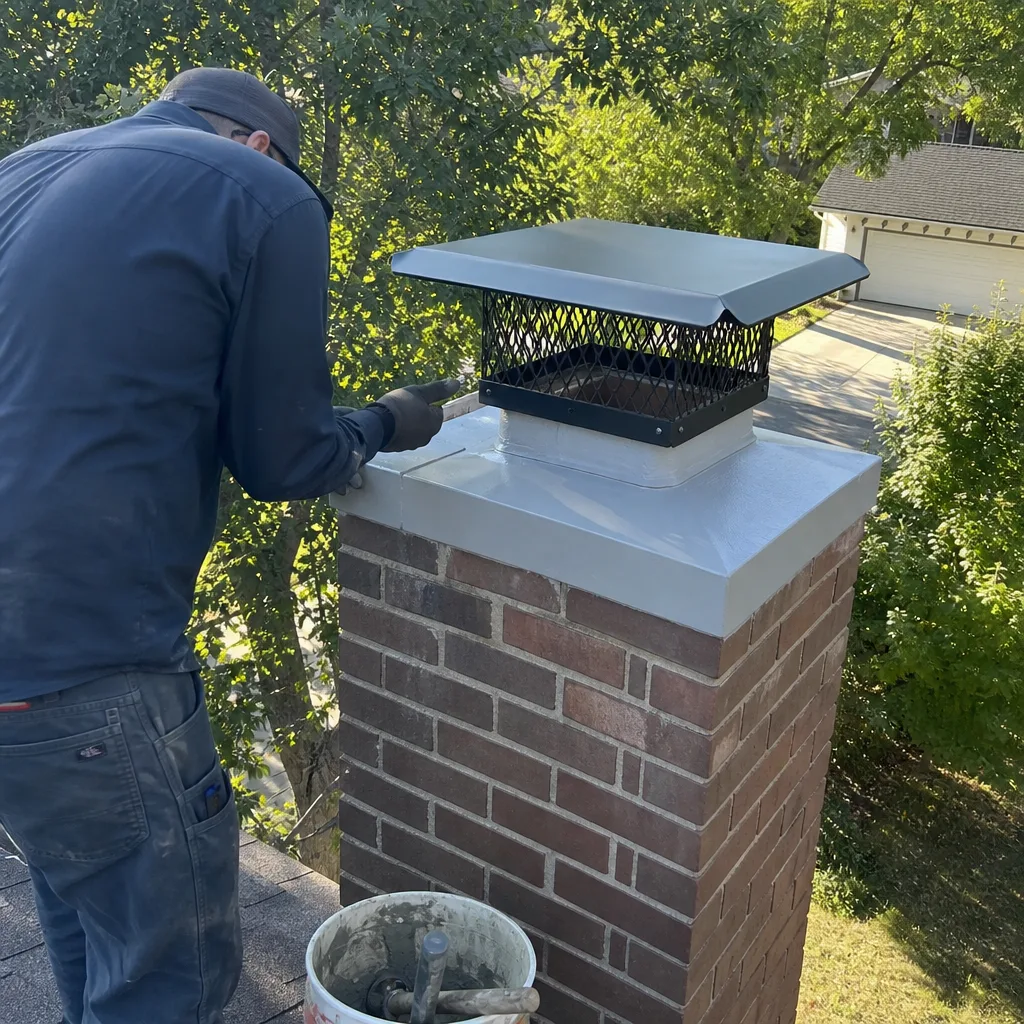 After
After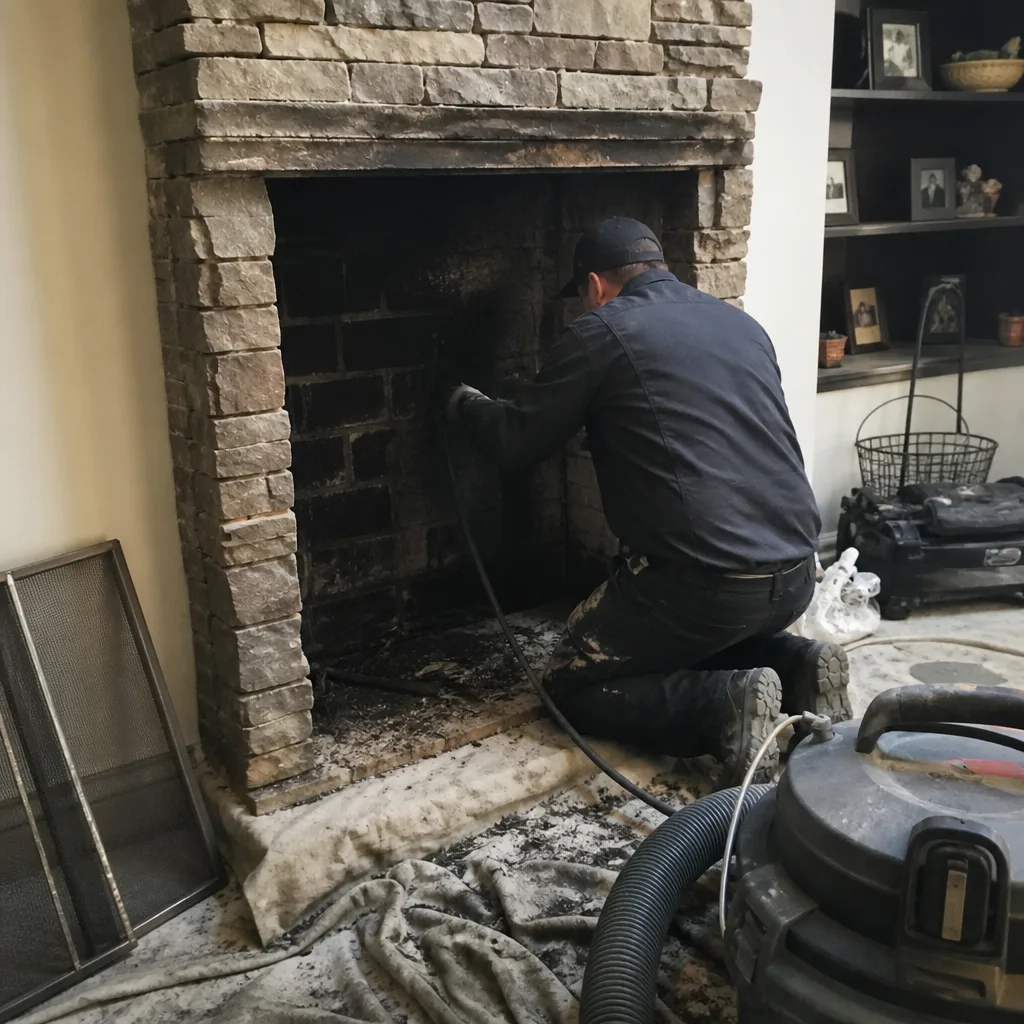 Before
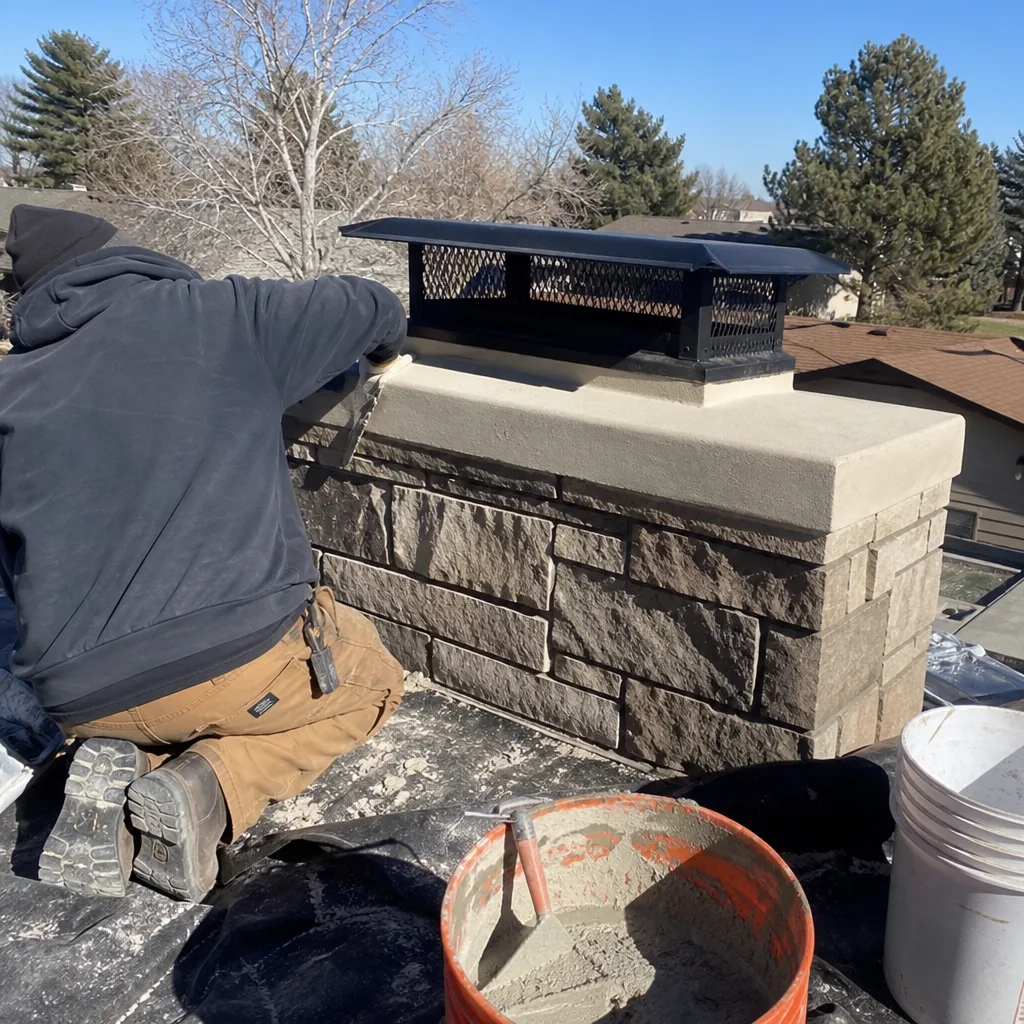 After
AfterCreosote Removal in Littleton, CO
Creosote removal in Littleton typically runs $199 to $599, depending on how thick the buildup is and which class of creosote we find in your flue. Most standard sweeps with moderate Class I or Class II buildup fall in the lower half of that range and are completed in a single visit. Class III glazed creosote – the dense, tar-like coating that resists a standard brush – requires chemical treatment and additional labor, which is where costs climb toward the upper end.
If you’ve noticed a sharp, smoky smell when your fireplace isn’t running, seen dark flaking inside the firebox, or haven’t had your chimney cleaned in more than a year of regular use, there’s a real chance creosote is the reason. At Level Two Chimney Littleton, we run a camera down the flue on every visit – that’s been our standard since 2009, not an add-on – so we can tell you exactly what class of buildup you’re dealing with before we quote anything. No guessing, no surprises on the invoice. Our Chimney Cleaning & Sweep in Littleton service covers the full sweep; this page focuses specifically on what happens when creosote is the primary issue. Call us at (720) 439-4666 and a live person will pick up, any time of day.
What Creosote Actually Is – and Why Littleton Homes See a Lot of It
Creosote forms whenever wood smoke cools before it fully exits the flue. The combustion gases condense on the liner walls and leave behind a carbon-rich residue. In the right conditions – wet wood, a slow-burning fire, a cold flue that hasn’t fully warmed – that residue accumulates fast.
Littleton’s climate makes this more common than many homeowners realize. Winters here regularly dip below 15°F, and short shoulder-season burns in October and March are particularly bad for creosote buildup: the flue doesn’t get hot enough to draft properly, so gases linger. The older neighborhoods west of Broadway and along the South Platte River corridor tend to have masonry fireplaces that were built before modern draft standards, and those fireboxes are especially prone to slow draft on cold startup. We see it repeatedly in homes in Governors Ranch, Columbine Valley, and the established subdivisions off Ken Caryl Avenue.
Creosote is classified in three stages:
- Class I (dusty/flaky) – Light gray or black powder. Removes easily with a rotary brush in a single pass. Standard annual sweep territory.
- Class II (tar-like or crunchy) – Thicker, harder coating. Requires more aggressive brushing and sometimes multiple passes. Adds time and cost.
- Class III (glazed) – Dense, shiny, almost lacquered. A standard brush won’t touch it. Requires a chemical treatment – we use Gelco creosote remover products – to convert the surface before mechanical removal can work. This is the class associated with chimney fires.
The NFPA 211 standard – the one our Level 2 Inspection is named for – requires a thorough cleaning before any structural evaluation can be meaningful. You can’t assess liner integrity through an inch of glazed creosote.
When You Need Creosote Removal
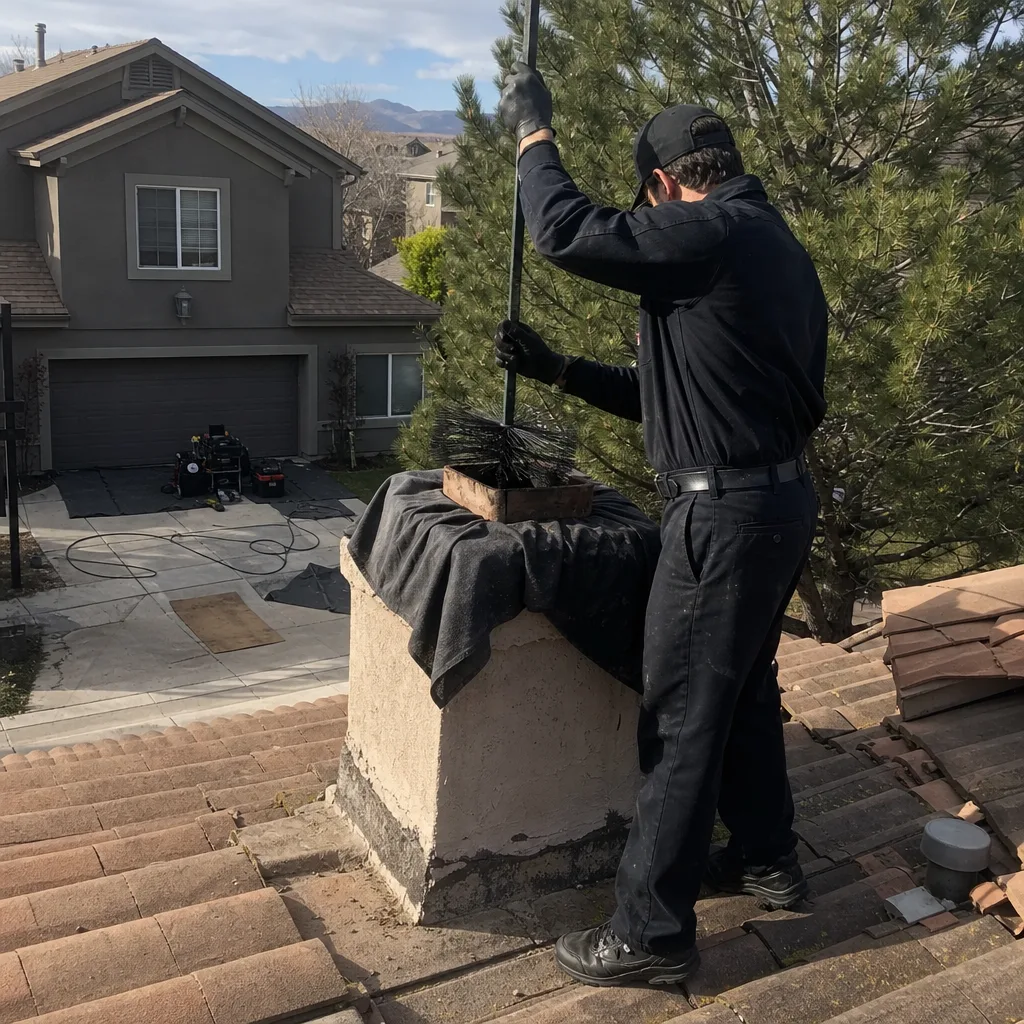
- Persistent smoke smell when the fireplace isn’t in use. A residual odor that intensifies on humid days or when the A/C runs is a reliable signal of heavy creosote deposits in the flue. Littleton summers aren’t especially humid, but the July and August monsoon swings do push moisture up into older masonry chimneys, and that’s when the smell announces itself.
- Visible dark flaking or tar streaking inside the firebox. If you’re seeing chunks or shiny streaks falling into the firebox or sitting on the smoke shelf, that’s dislodged creosote – and what you can see is never the full picture. The camera usually finds more above the smoke chamber.
- Reduced draft or a fire that won’t draw properly. A flue coated with Class II or Class III creosote has a reduced interior diameter. That restriction slows the draft, makes fires harder to start, and pushes smoke back into the room. If you’re fighting your fireplace every time, the flue is worth checking.
- A popping or crackling sound from the chimney during a fire. This can indicate a chimney fire in progress – small ones often go unnoticed until the liner is already cracked. If you’ve ever heard a deep rumble or roar from the flue, call us before you use the fireplace again. This is a situation where professional assessment is not optional.
- More than one full cord of wood burned this season without a sweep. The one-cord-per-sweep guideline is conservative on purpose. A cord of dense hardwood like Gambel oak – common in the foothills west of Littleton – burns hotter and cleaner than wet pine, but volume still matters. Two cords without a sweep is too long.
- A home inspection flagged creosote buildup. Real estate transactions in the Littleton market, particularly in older neighborhoods like Columbine and downtown Littleton’s historic district, frequently surface chimney issues. If your inspector flagged it, bring us a written copy of their report – we’ll give you a written price and a camera record to bring back to the negotiating table.
 Before
 After
AfterOur Creosote Removal Process
- Camera inspection from the top down. Before we touch anything, a technician runs our inspection camera from the cap to the smoke chamber. We’re classifying the creosote, noting its location and depth, and looking for liner cracks or separation that heavy buildup can hide. You see the footage. This is the NFPA 211 Level 2 standard that’s been built into every Level Two Chimney visit since 2009 – Clause 4 of the Haven Standard requires a photo record on every job, and camera inspection is how we fulfill it.
- Written price before any work starts. Once we know what class of creosote we’re dealing with, we deliver a written scope and written price – not a verbal estimate that changes when we’re already on your roof. Haven Standard Clause 1 is explicit: written price, written scope, written warranty before the first brush stroke. If you’ve received a written estimate from another company, we’ll give you a free second opinion on it.
- Chemical pre-treatment for Class III creosote (when needed). Glazed creosote won’t yield to mechanical brushing alone. We apply a Gelco chemical treatment to the interior flue surfaces, which converts the hard glaze into a brittle, brushable material. This step typically requires a return visit after the treatment has set – we’ll tell you exactly what the timeline looks like before we schedule it.
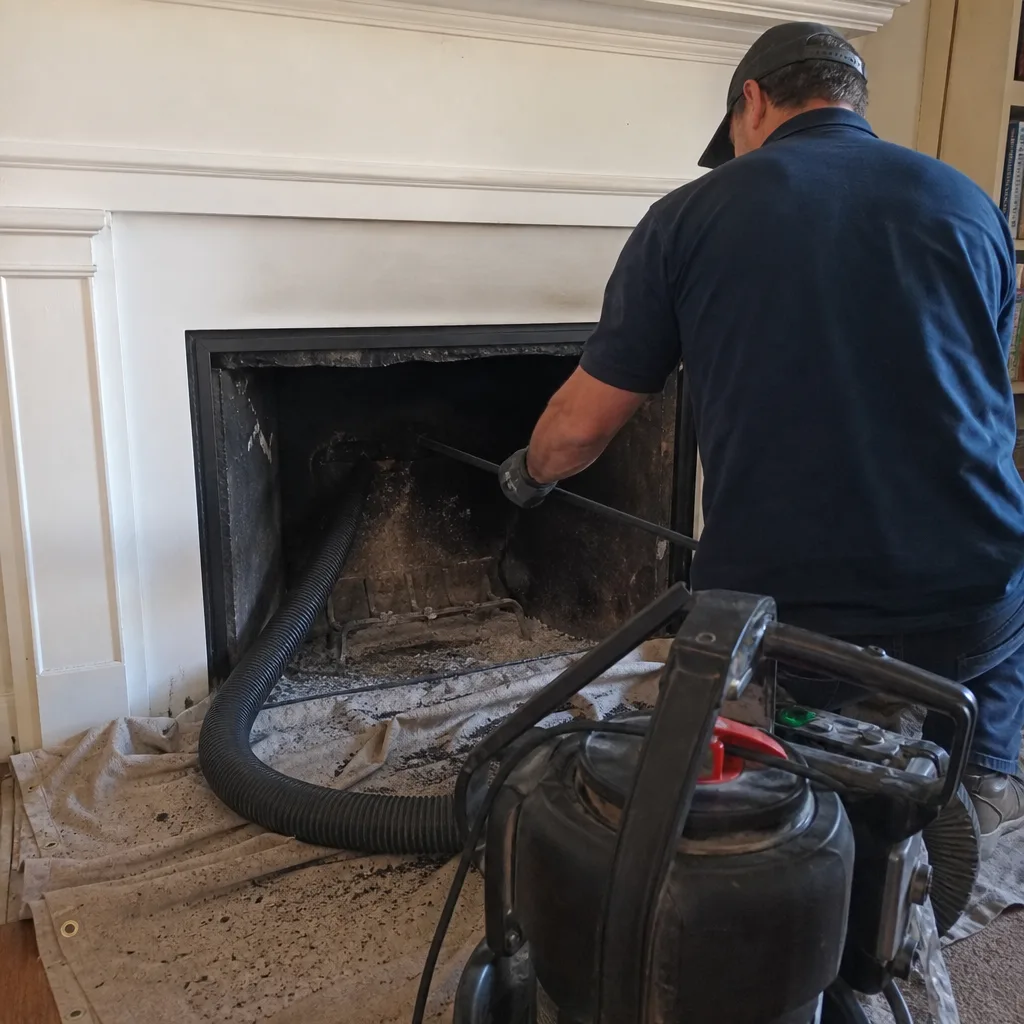
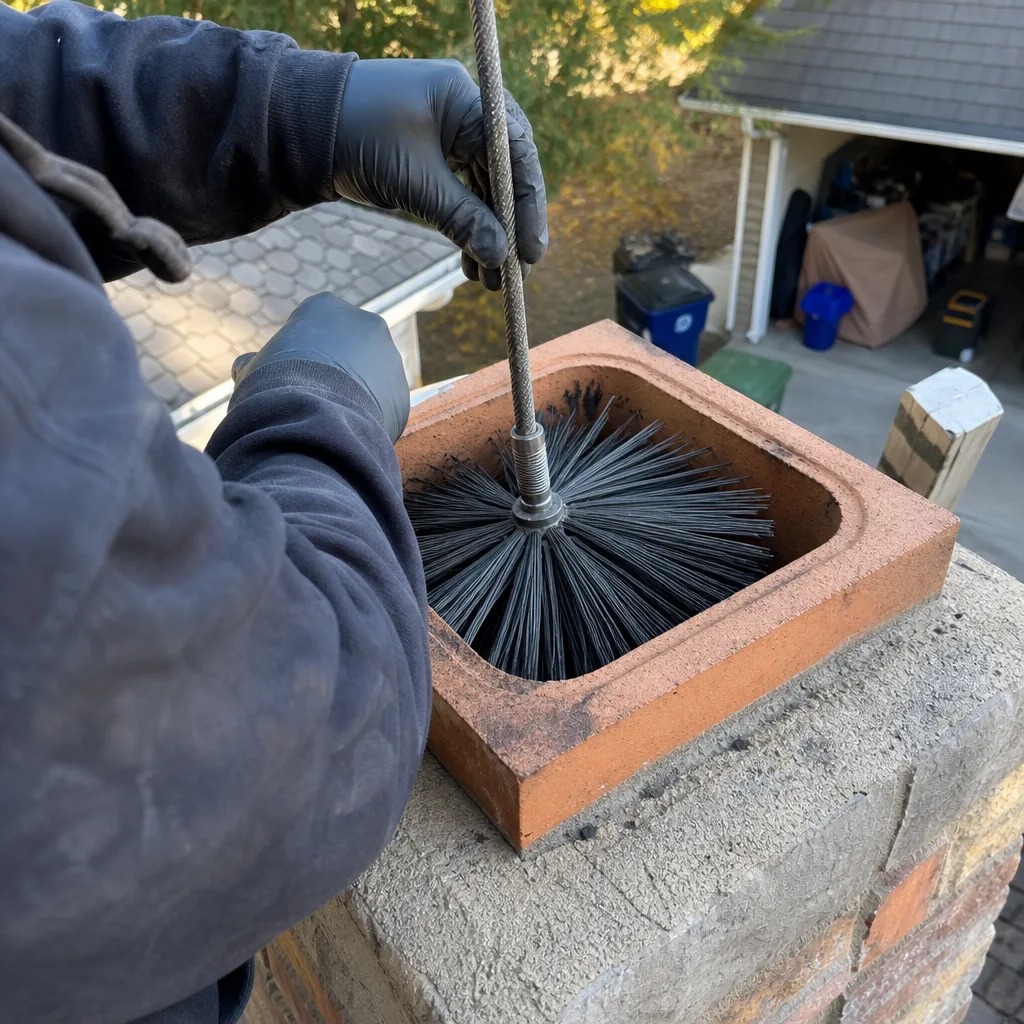
- Mechanical sweep with rotary equipment. A power rotary system is run through the flue from the firebox, working upward in sections. Poly rods and wire brushes are sized to the liner diameter. Drop cloths cover the firebox opening and hearth; a HEPA-rated vacuum runs throughout to keep the room clean. For standard Class I and II removal, this is where most of the job takes place.
- Smoke chamber and firebox cleaning. Creosote doesn’t stop at the flue liner – it collects on the smoke shelf, smoke chamber corbeling, and firebox walls. We clean all of it. A smoke chamber coated in Class II creosote is just as much a fire hazard as a dirty liner, and it’s an area some companies skip.
- Post-clean camera verification and documented photo record. The camera goes back down after the sweep. We confirm the flue is clear, the liner is visible and assessable, and the job is done to the standard we quoted. You receive a documented photo record – before and after – and a written record of the service date, the creosote class found, the method used, and any conditions that need monitoring. That record is yours to keep and useful at resale or for insurance documentation.
Creosote Removal Pricing in Littleton
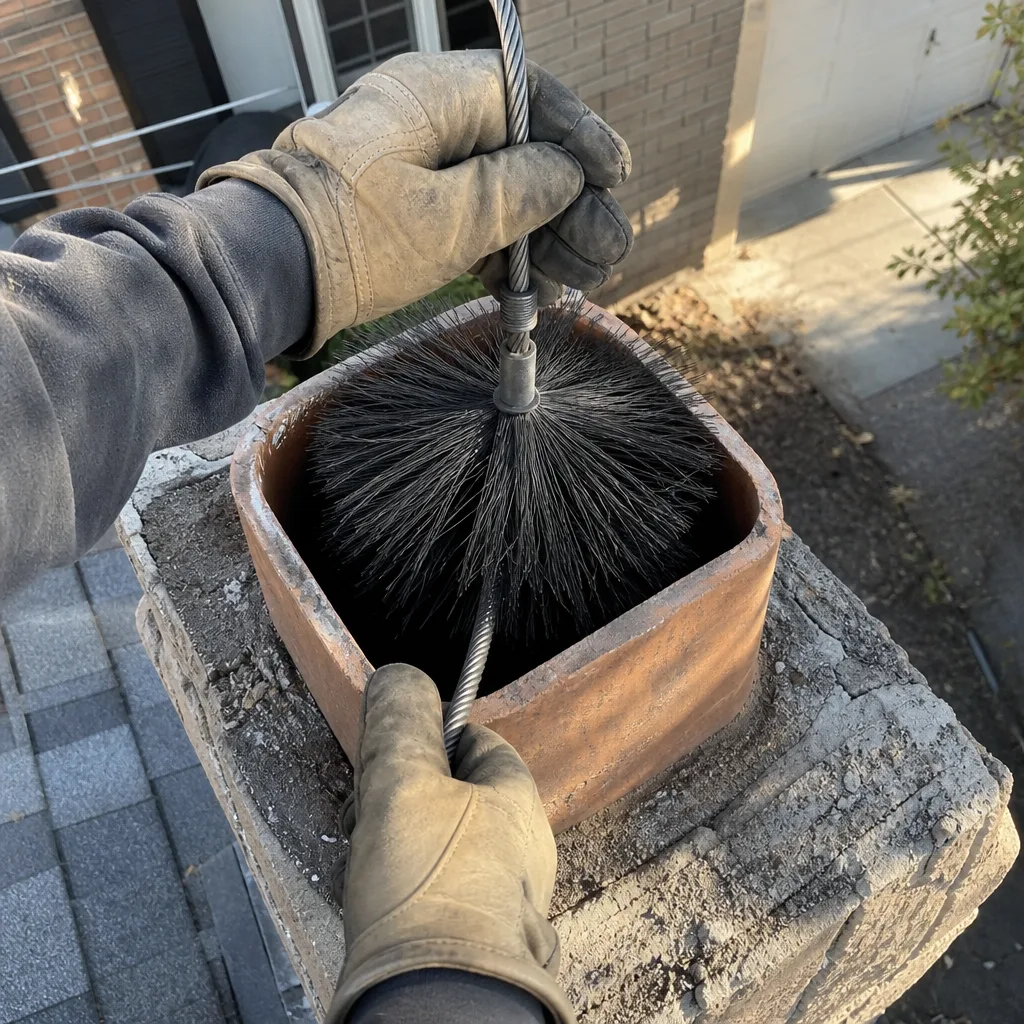
Creosote removal cost in Littleton depends on three things: the class of buildup, the liner type, and whether chemical treatment is required. Here’s how the pricing breaks down for the Littleton market as of 2025:
| Creosote Class / Condition | Typical Price Range | Notes |
|---|---|---|
| Class I (light, powdery) – standard sweep | $199 – $299 | Single visit; most common result in homes swept annually |
| Class II (moderate, tar-like or crunchy) | $299 – $449 | Additional passes required; add-on for heavy buildup |
| Class III (glazed) – chemical treatment | $449 – $599+ | Two-visit process: chemical application, then mechanical removal |
| Liner repair or resurfacing (if damage found) | Quoted separately in writing | HeatShield products used where applicable; scope defined before work starts |
What typically pushes a job toward the higher end: a flue that hasn’t been cleaned in three or more years, burning unseasoned wood (common with the pinon and pine sold roadside in the foothills west of Littleton), a non-standard liner diameter, or a home with an unusually long flue run. Two-story homes and those with offset flues – which we see frequently in the older craftsman and ranch-style homes in downtown Littleton and the Arapahoe Acres neighborhood – sometimes require extra setup time.
What keeps costs down: annual Chimney Cleaning & Sweep services. A fireplace swept every season before Class I buildup becomes Class II is significantly cheaper to maintain over five years than one swept every three years when Class III has taken hold. We’re not saying that to sell more sweeps – the math just works out that way.
Every price we quote is written before work starts. That’s not a selling point; it’s how we operate, and it’s the reason we’ve quoted in writing on all 38,000+ jobs since 2009. Call (720) 439-4666 to schedule a camera inspection and receive a written price – there’s no obligation to proceed.
FAQs – Creosote Removal in Littleton
How much does creosote removal cost in Littleton, CO?
Creosote removal in Littleton runs $199 to $599 for most residential jobs, with Class I sweeps at the low end and Class III glazed-creosote treatment at the high end. The exact price depends on what the camera inspection finds – flue condition, buildup class, and liner type all affect the quote. We put the price in writing before any work starts, so there’s nothing to figure out after the fact. Call (720) 439-4666 for a free inspection and written estimate.
Is Class III creosote dangerous, and can it be removed?
Class III creosote – the dense, glazed coating that looks almost shiny inside the flue – is the class most directly associated with chimney fires, because it ignites at relatively low temperatures and burns intensely. It can be removed, but not with a standard brush sweep alone. We apply a chemical treatment (Gelco products are what we use) to convert the glaze before mechanical removal. The process takes two visits and is more expensive than a standard sweep, but the alternative – leaving it in place – is a documented fire risk. If your flue has glazed creosote, do not use the fireplace until it’s been cleared.
How often should I have creosote removed from my Littleton chimney?
For a fireplace cleaned regularly through the Littleton heating season – roughly October through March – an annual inspection and sweep is the right interval. The NFPA 211 standard calls for inspection at least once per year for any solid-fuel appliance. If you burn more than one cord of wood per season, or if you’ve been burning wet or unseasoned wood, the interval should be shorter. The camera tells us what’s actually there, which is more reliable than any schedule-based rule.
Can I remove creosote myself?
Chimney brushing kits are sold at hardware stores, and they’ll move Class I powder reasonably well on a short, straight flue. But for anything beyond light surface dust – and especially for Class III glazed creosote – DIY removal isn’t effective and can be genuinely dangerous. Dislodging heavy creosote without controlling where it falls can push debris into the firebox and living space. Chemical treatments applied without the right protective equipment create fume and contact hazards. And without a camera, you won’t know whether the liner underneath the creosote has cracks that need attention. We see homes in Littleton every season where a homeowner’s attempt at self-cleaning made the job harder and more expensive. It’s worth calling a trained technician for anything beyond the lightest annual maintenance.
Does Level Two Chimney offer a warranty on creosote removal?
Every job we do is backed by the 365-Day Done Right Promise: if it’s not done right, we make it right within a year of the service date. The written scope and written warranty are delivered before work starts – that’s Haven Standard Clause 1. The documented photo record we provide after the job gives you a baseline for any future questions about condition. If something is missed or not completed to the written standard, call us and we’ll come back.
Why Littleton Homeowners Choose Level Two Chimney
Corrine Halstead built Level Two Chimney around one premise: a customer shouldn’t have to guess what the job will cost or whether it was done correctly. That’s why every visit since 2009 has included a camera inspection, a written price before work starts, and a documented photo record at completion. Those aren’t extras – they’re the baseline.
For creosote removal specifically, the camera matters more than it does on a Level 1 Inspection. You can’t classify creosote accurately from the firebox opening with a flashlight. You can’t tell whether the liner has stress fractures underneath a heavy Class II coating without a camera. And you can’t give an honest price without knowing what class of buildup you’re dealing with. We’ve completed more than 38,000 chimney inspections and cleanings in the Denver metro – every one with a written price before work started and a photo record when it was done. That’s the job, not a bonus feature.
If you’ve received a written estimate from another company, bring it to us. We’ll give you a free second opinion – not to undercut anyone, but because a second set of eyes with a camera down the flue is how you know whether the first quote was accurate.
Our technicians are background-checked, arrive in uniform, and send a text when they’re on the way. Materials we use for any associated liner work – including HeatShield products for smoke chamber resurfacing or liner repair – are sourced through Haven’s buying network to keep costs reasonable for Littleton homeowners.
The full scope of what we do beyond creosote removal is covered on our home page, including chimney repair, liner installation, cap and crown work, and full rebuilds.
Schedule Your Creosote Inspection in Littleton
If you’re not sure what class of creosote is in your flue – or if you already know it needs attention – the right next step is a camera inspection and a written price. Call (720) 439-4666. A live person answers every call, any time. We’ll schedule a visit, run the camera, show you what we found, and hand you a written price before we touch anything. No pressure, no verbal estimates that change later, no surprises on the invoice.
Written by Corrine Halstead, Owner at Level Two Chimney Littleton, serving Littleton.