
Level 1 sweep and inspection to the NFPA 211 annual standard - flue, crown, cap, and flashing checked and photographed
Chimney sweep logs do not sweep chimneys. They loosen some creosote - which then falls where a brush and vacuum still have to collect it.
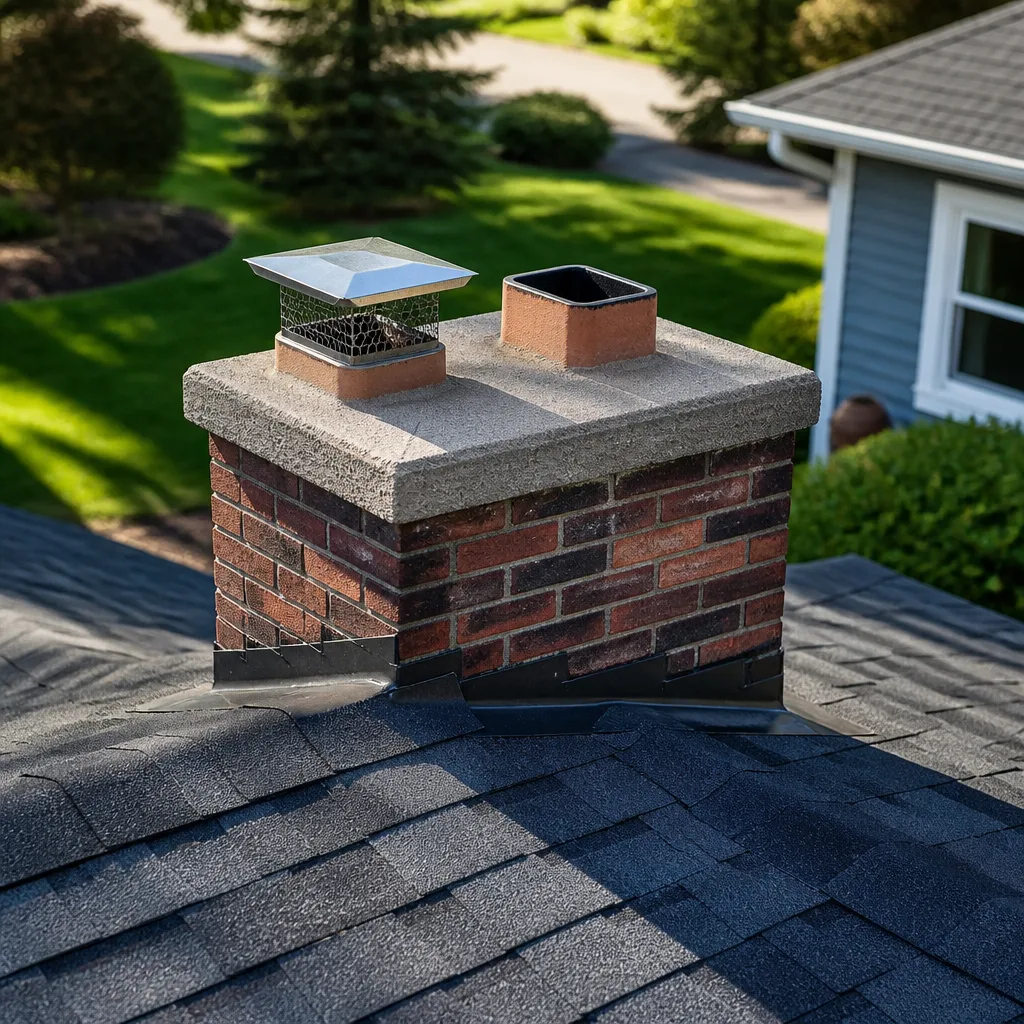
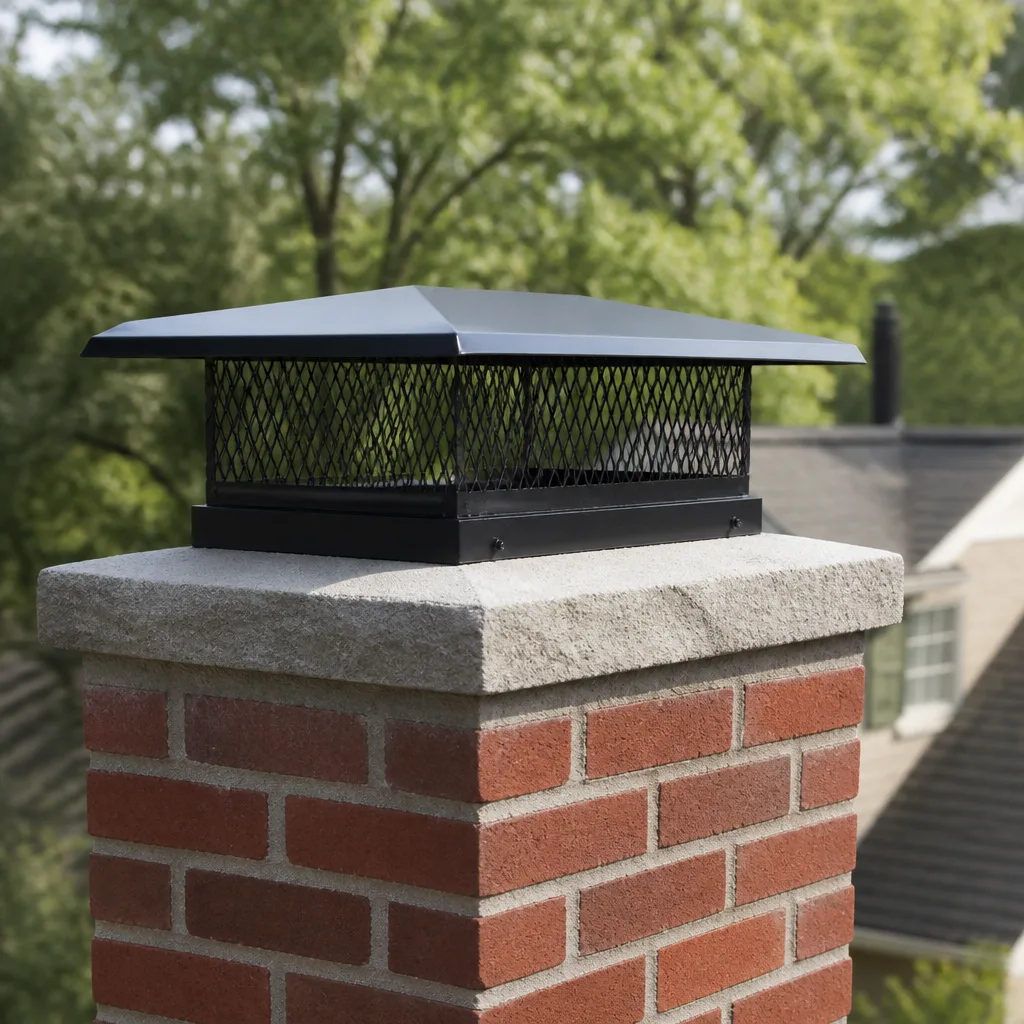
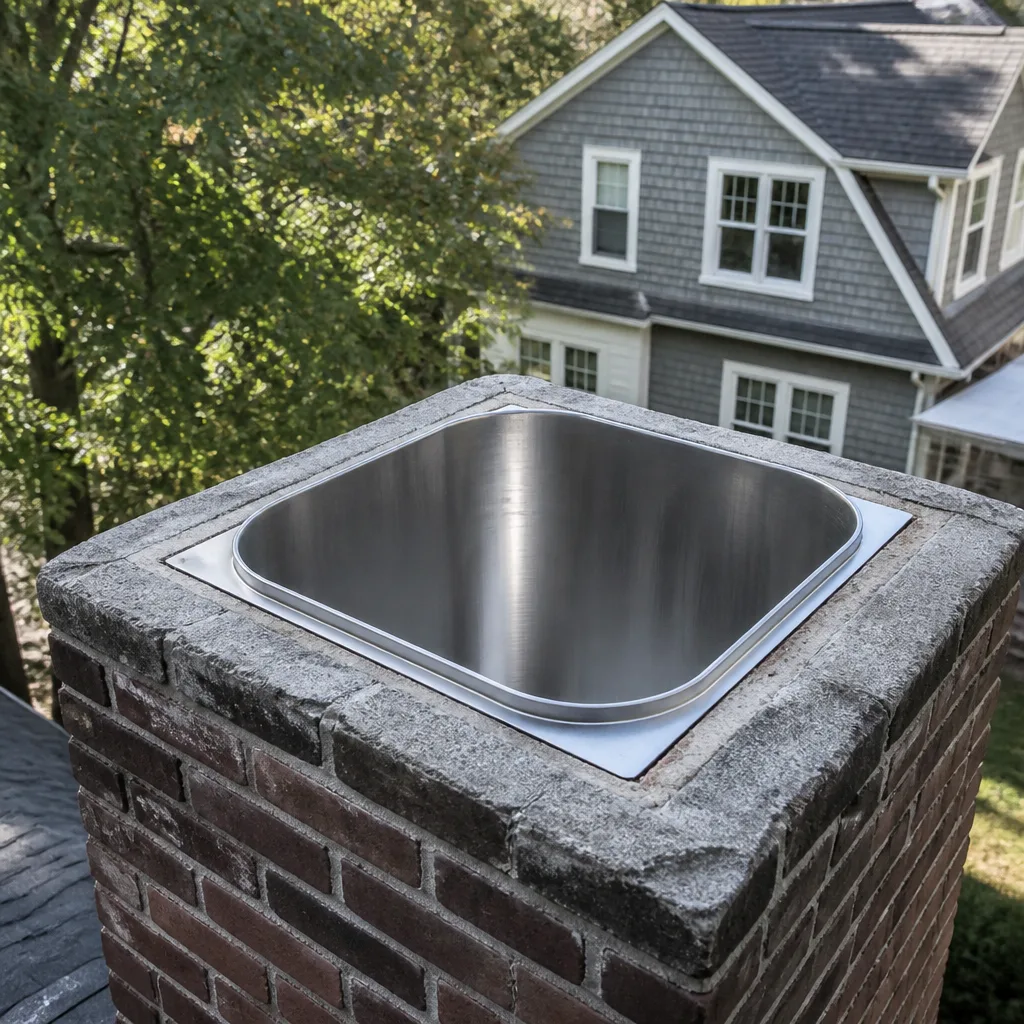
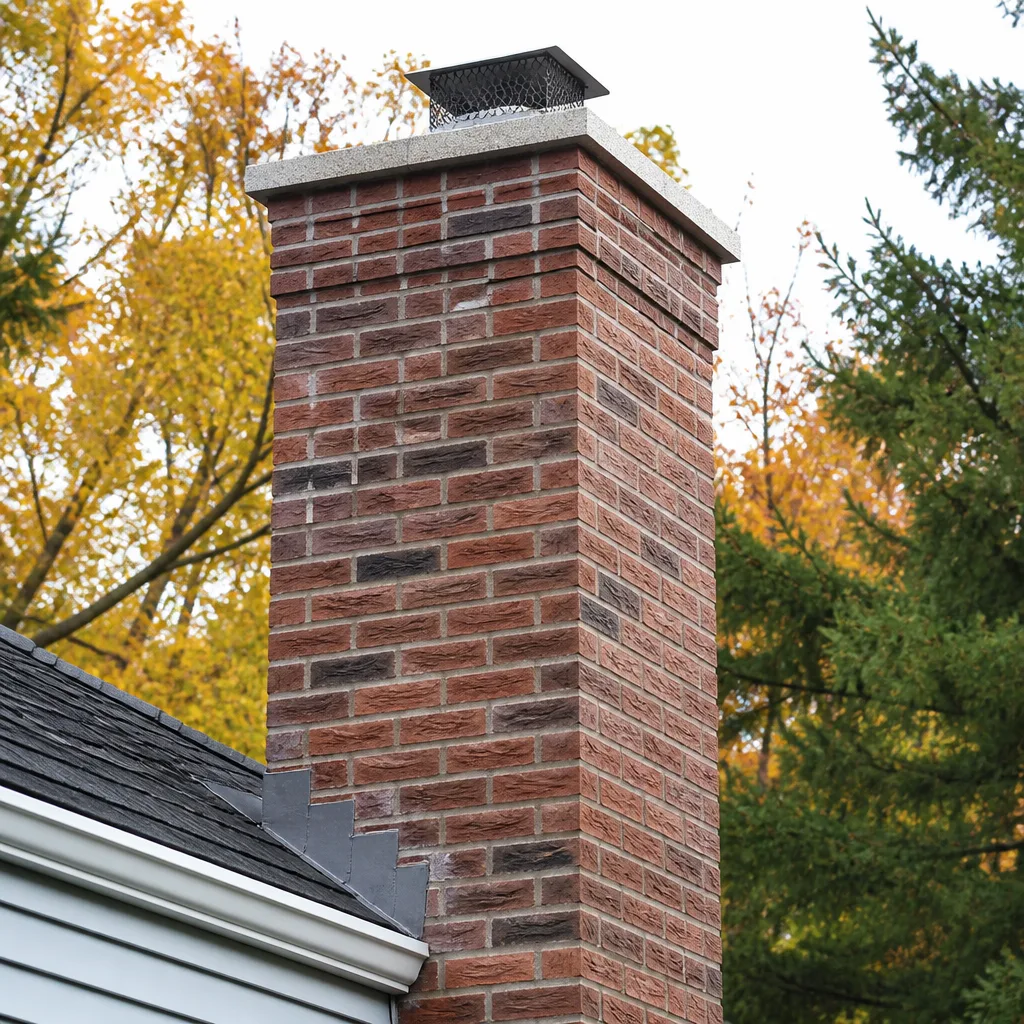
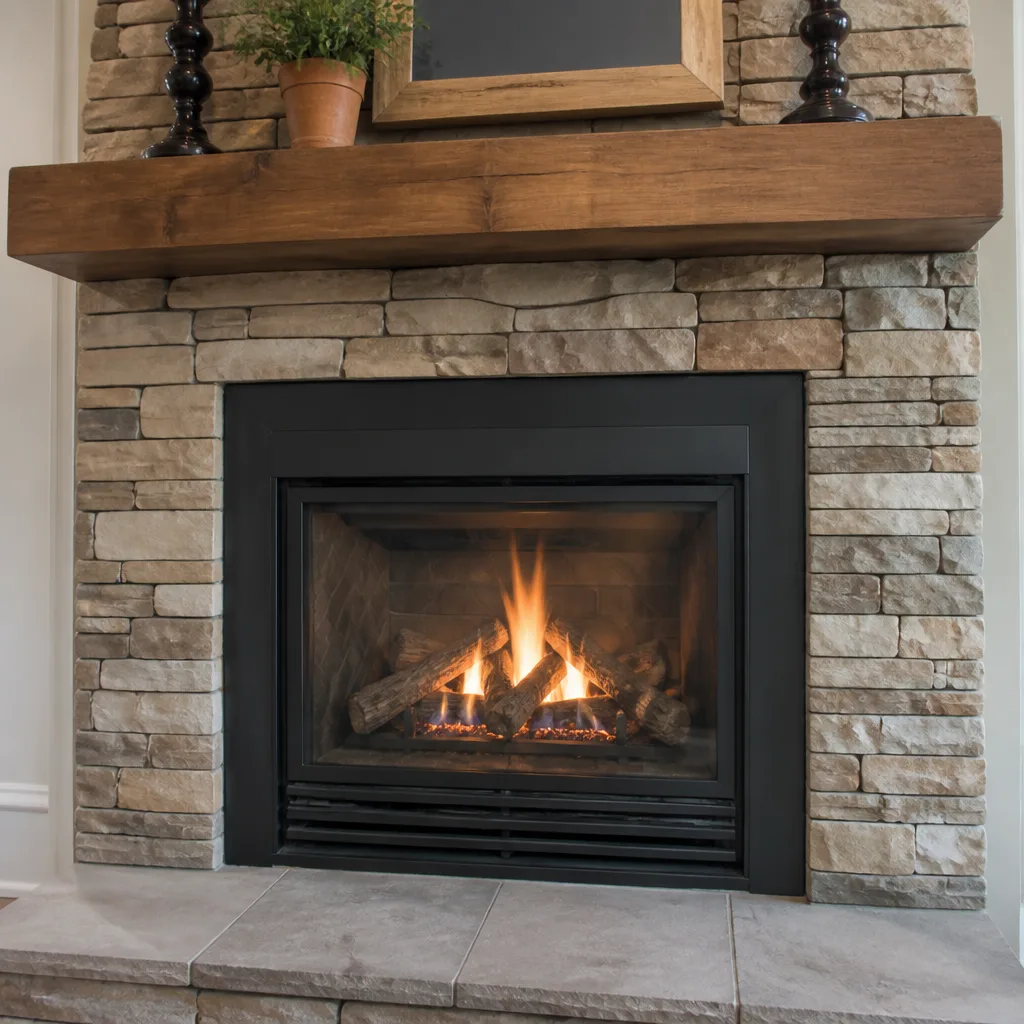
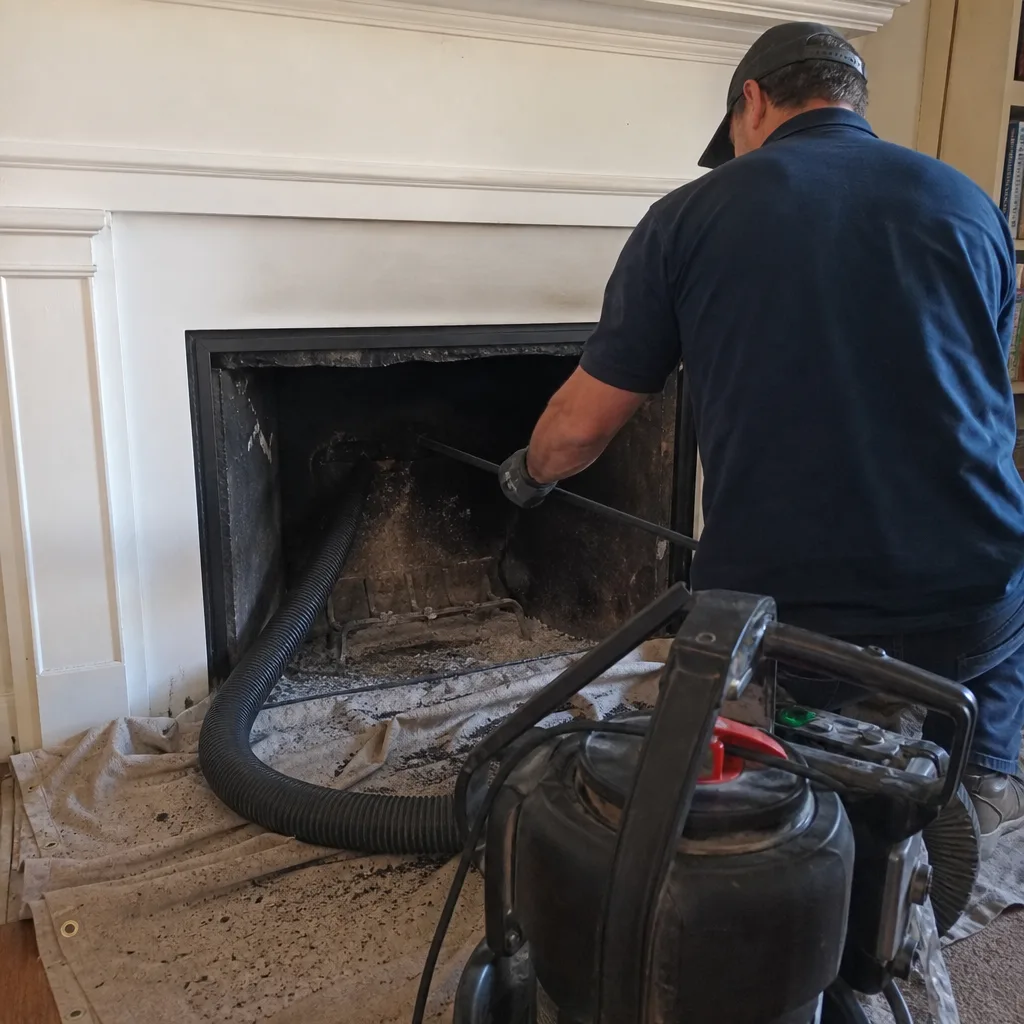 Before
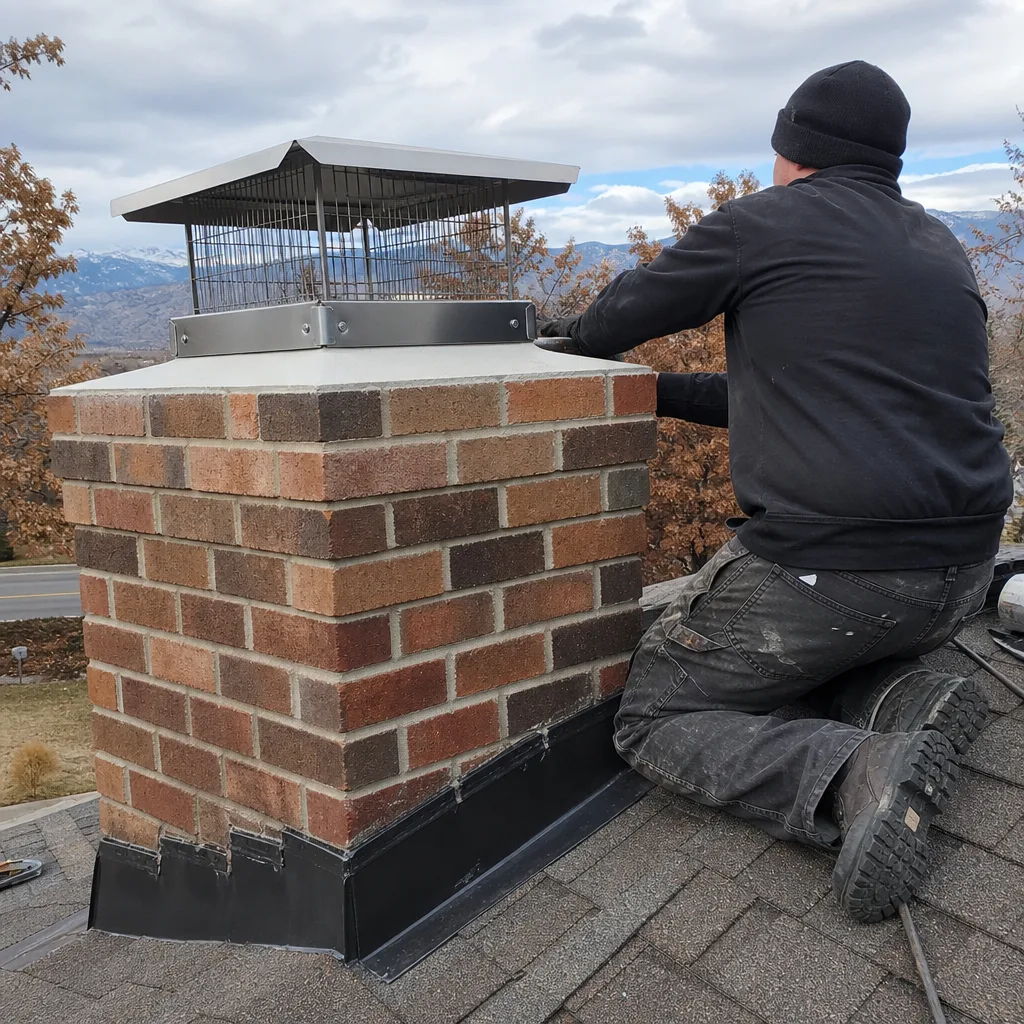 After
After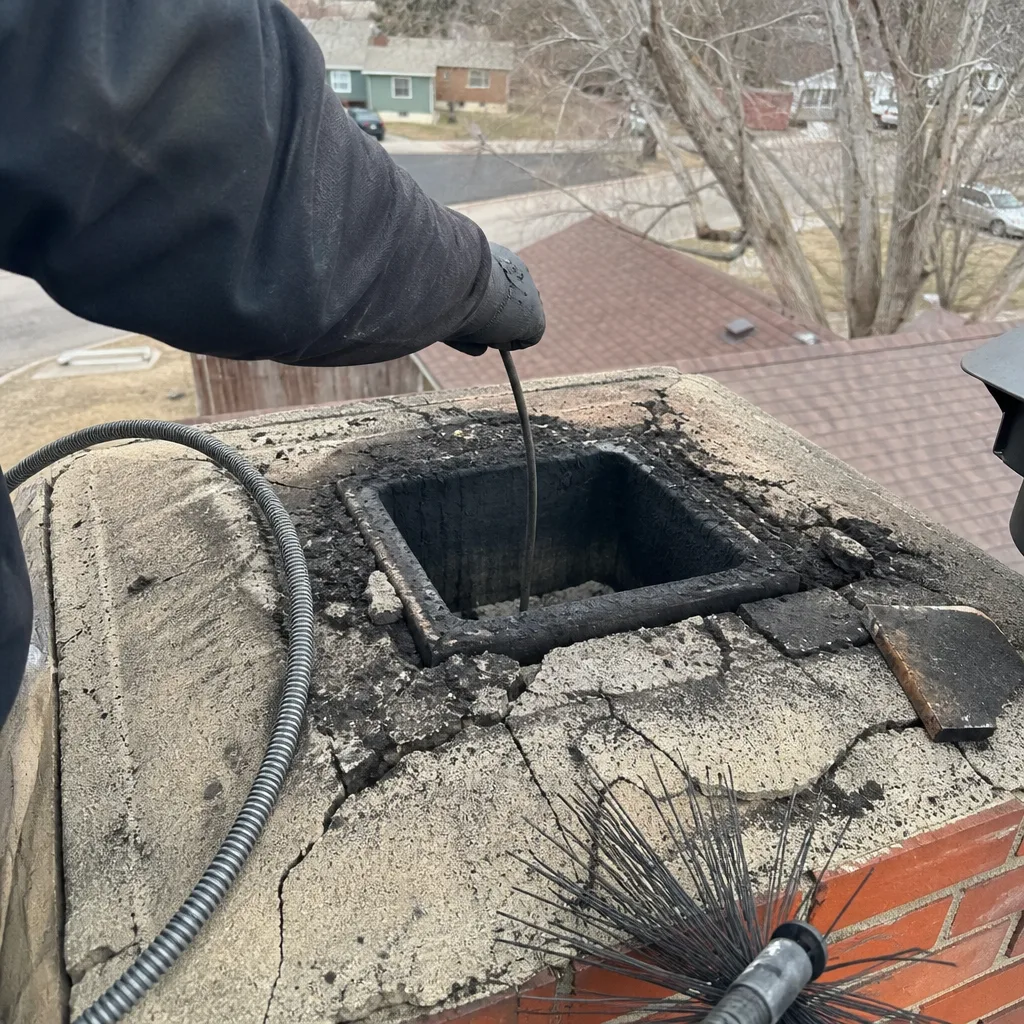 Before
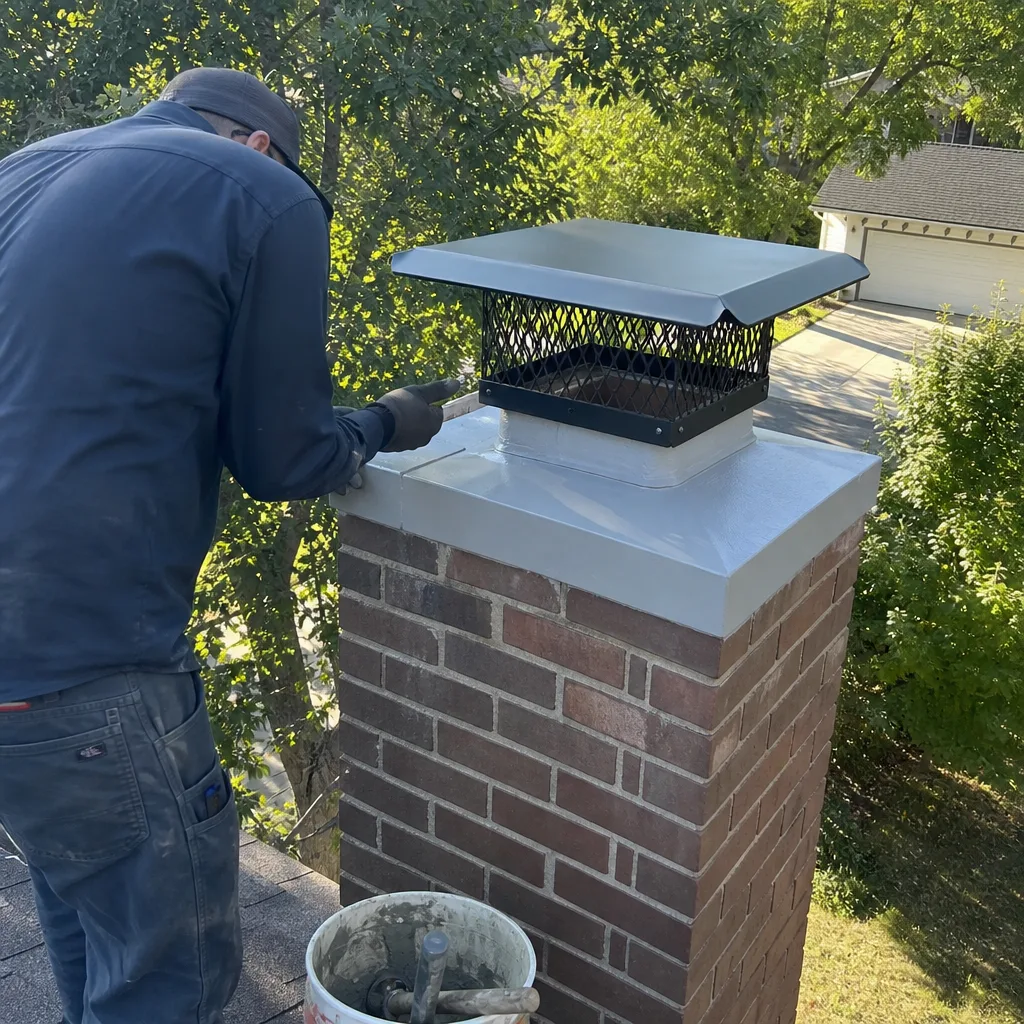 After
After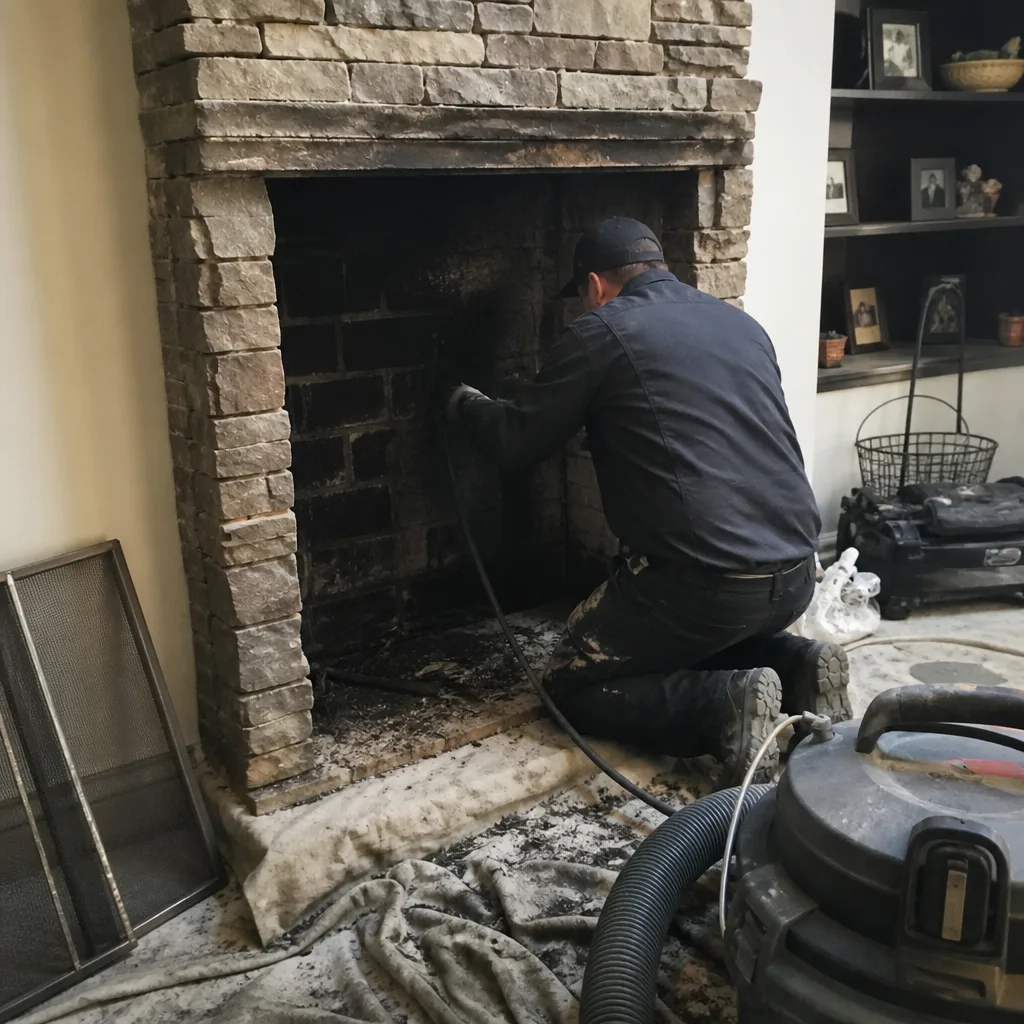 Before
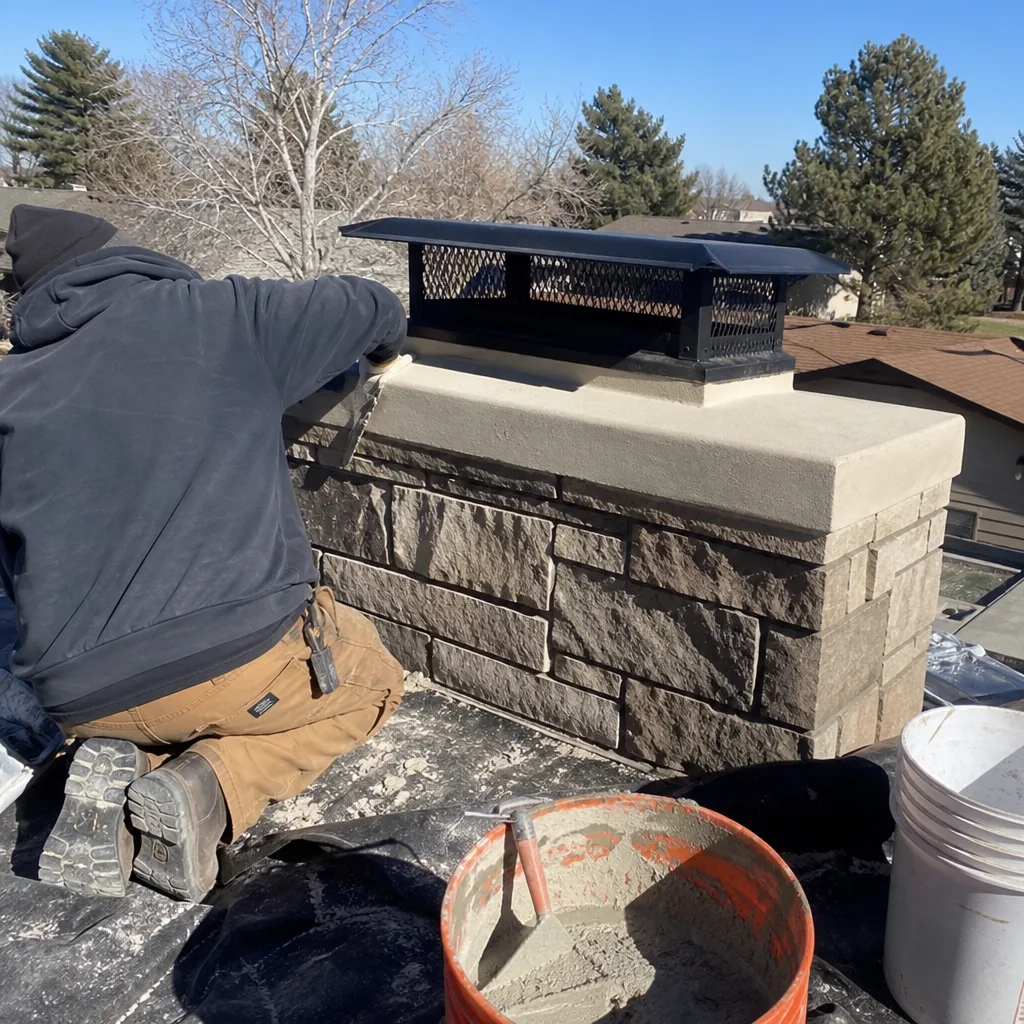 After
AfterHeatShield Crown Repair: The Littleton Owner’s Guide
HeatShield crown repair in Littleton typically runs $380-$720 installed, depending on crown size and whether the underlying concrete needs rebuilding before the HeatShield Cerfractory foam application. We stock HeatShield-compatible materials on our Littleton trucks and can usually inspect, quote, and complete the repair within a single scheduled visit. Most homeowners discover the problem after spotting water stains on the ceiling near the fireplace or finding grit and sand in the firebox - both signs that the crown, the concrete slab at the top of your chimney, has cracked and is shedding material down the flue.
Which HeatShield Models This Applies To
HeatShield’s crown repair system isn’t model-specific in the way a liner kit is - it’s a field-applied Cerfractory foam resurfacing system that bonds to existing concrete crowns. What matters is crown dimensions and condition, not a serial number. We measure the crown’s width, depth, and overhang, then check whether the concrete substrate retains enough structural integrity to accept the foam layer or needs partial rebuild first.
Here’s how we identify what we’re working with: the original crown should have a minimum 2-inch overhang beyond the chimney wall (NFPA 211 standard). If it’s flush or undercut, water runs straight down the masonry - that’s a pre-existing design flaw we correct during HeatShield application. We also verify flue tile projection; the HeatShield foam needs to terminate below the flue tile’s top surface to maintain proper draft clearance. For HeatShield specifically, we source the Cerfractory foam and bonding agents through our Haven buying network alongside DuraFlex and Gelco materials - we don’t use generic refractory mixes as substitutes because the expansion coefficients won’t match.
Level Two Chimney Littleton is an independent service provider, not affiliated with HeatShield Corporation. We install their system because the 3,000°F temperature rating and controlled expansion properties hold up through Littleton’s freeze-thaw cycles better than standard crown sealants we’ve pulled off after three seasons.
Signs Your HeatShield Crown Repair Is Failing
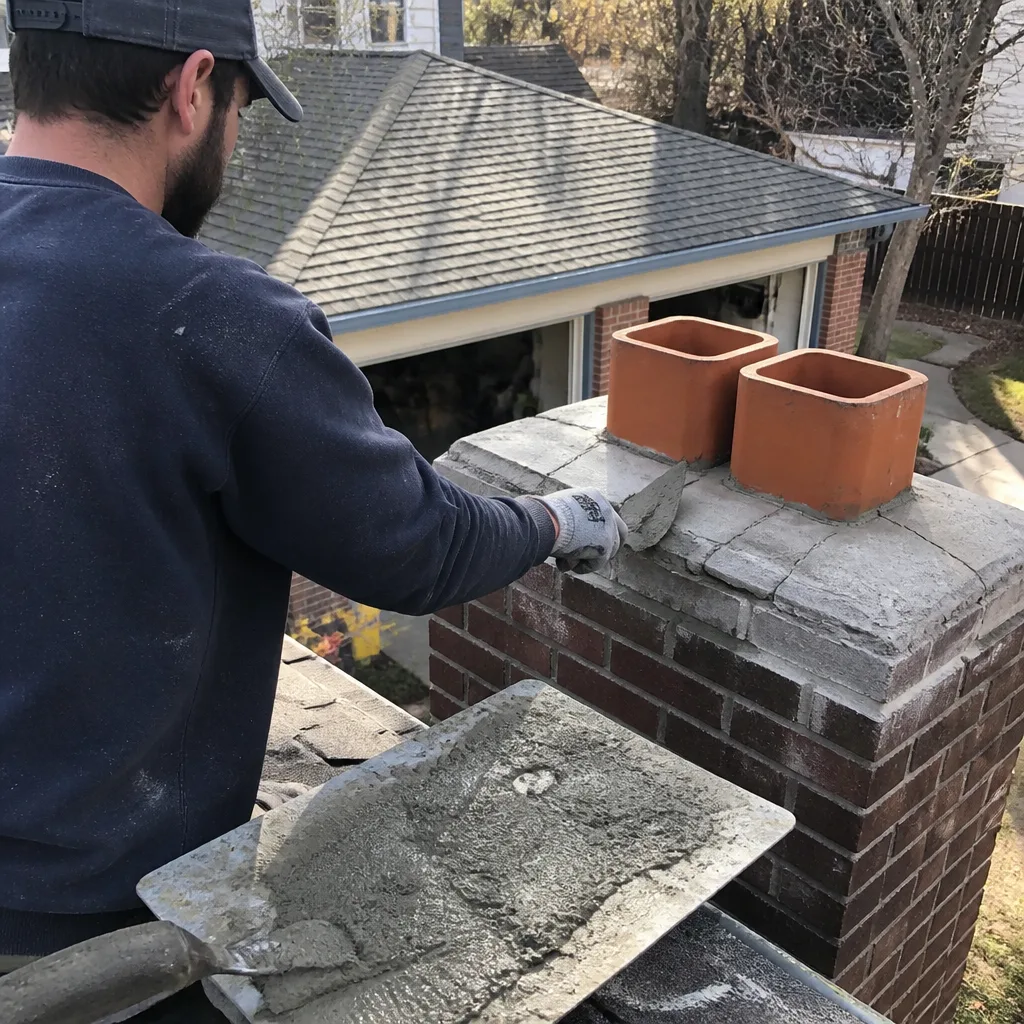
- Water dripping into the firebox during rain. The crown’s surface has cracked through to the substrate, creating a direct path for moisture. In Littleton’s semi-arid climate, homeowners often miss this until a driving spring storm hits - the freeze-thaw expansion from those sudden temperature drops widens hairline cracks into channels.
- Sand or small concrete chunks in the fireplace. The crown’s top surface is spalling (flaking apart) and washing down the flue. We see this frequently in Columbine Knolls homes with original crowns from the 1970s and 1980s - the concrete mix was often poured without proper air entrainment for Colorado’s altitude and temperature swings.
- Rust stains on the chimney face below the crown. Water is getting behind the crown and saturating the masonry, leaching out minerals and corroding any embedded metal. If you’re seeing this pattern, the crown has been compromised long enough that wall damage is likely progressing behind the brick.
- Visible cracks wider than 1/8 inch on the crown surface. Anything beyond hairline width admits enough water to undermine the bond of a previous sealant job. HeatShield’s foam system requires sound substrate preparation - cracks this wide mean the crown needs resurfacing or rebuilding before the Cerfractory layer goes on.
- Deteriorated mortar joints at the chimney top. Water running off a failed crown doesn’t just enter the flue; it erodes the mortar between cap stones or brick courses. We document this with the camera during our Level 2 inspection because it changes the scope from crown-only to crown-plus-flashing repair.
 Before
 After
AfterReplacement Cost & What’s Included
| Service | Price Range |
|---|---|
| HeatShield crown resurfacing (sound substrate) | $380-$520 |
| Crown partial rebuild + HeatShield application | $550-$720 |
| NFPA 211 Level 2 inspection with camera scan | Included |
| Documented photo record | Included |
| Written warranty on HeatShield application | 20-year manufacturer’s warranty |
The range depends on three factors: crown square footage (most Littleton residential chimneys run 24-36 inches per side), whether we need to rebuild deteriorated edges before applying the foam, and accessibility - steep roofs in neighborhoods like Ken Caryl or Heritage Hills require additional safety setup. We deliver a written price before any work starts, per Haven Standard Clause 1. That price includes the camera inspection, the photo record required under Clause 4, and our 365-Day Done Right Promise. No surprises, no “we found something else” add-ons after you’re committed.
DIY or Call Us?
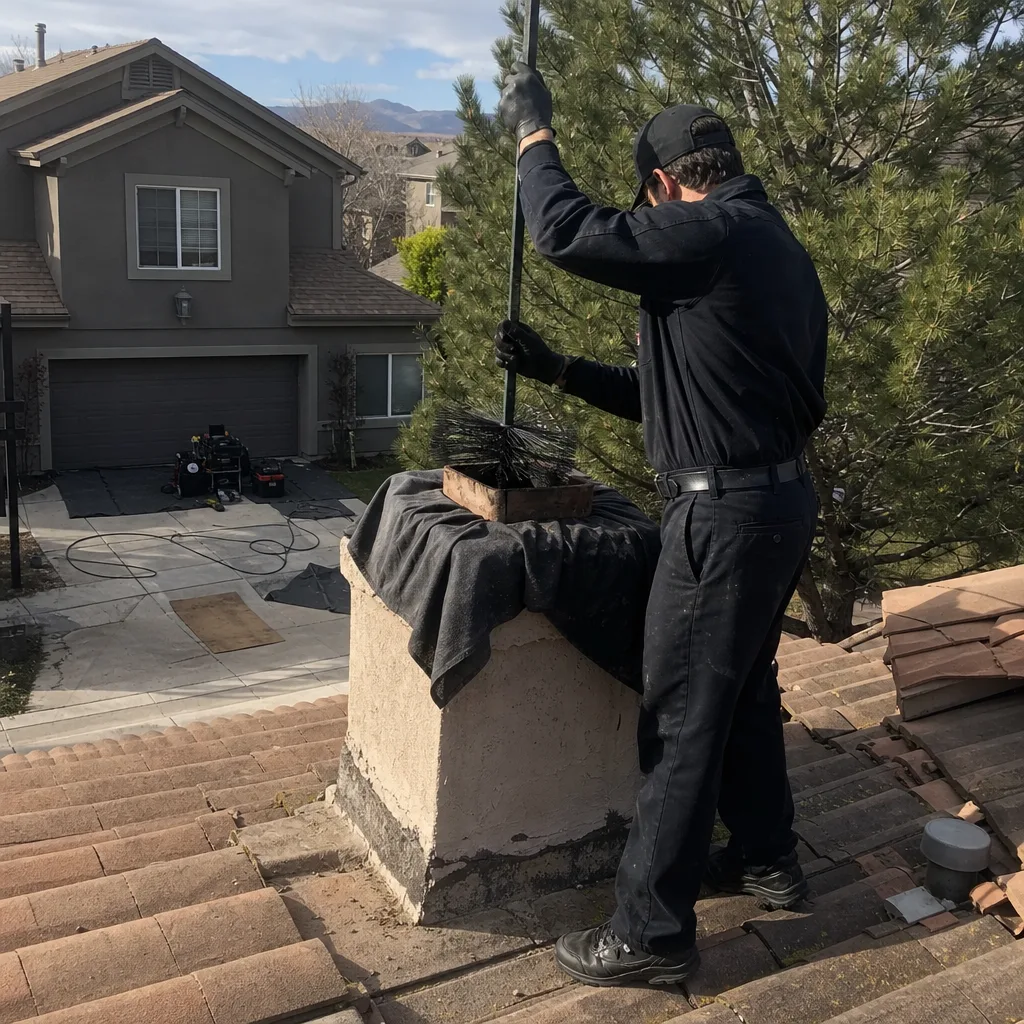
There’s a safe middle ground here, and then there’s where DIY stops making sense. You can check the crown yourself from ground level with binoculars - look for the crack patterns and spalling we described above. You can also verify whether water is entering by taping a piece of cardboard across the damper opening before a predicted storm; moisture on the cardboard confirms a crown leak versus a flashing or masonry wall issue.
What you shouldn’t attempt: walking a steep roof to inspect closely, or applying any crown product yourself. The HeatShield Cerfractory system requires specific surface prep (grinding, priming, controlled ambient temperature during cure) and proper thickness application to achieve its rated 3,000°F performance. More critically, working at chimney height on a pitched roof is genuine fall hazard territory. Our technicians are equipped with roof anchors and harness systems, and we carry the insurance that covers this work specifically. Call (720) 439-4666 and we’ll get a camera down the flue and eyes on the crown without you leaving the ground.
FAQs
With proper application, the manufacturer’s 20-year warranty applies, and we’ve tracked installations in the Denver metro through 14+ years of Front Range freeze-thaw without failure. The key variable is substrate preparation - a HeatShield layer over crumbling concrete will fail when the concrete fails, which is why our Level 2 inspection includes sounding the crown with a hammer to check for hollow areas before we quote.
If the crown has minor hairline cracking and the concrete is structurally sound, a crown sealant may suffice for 2-5 years. We don’t recommend this when cracks are widening or spalling is present - the sealant bridges the gap temporarily but doesn’t restore lost material. The camera doesn’t have an opinion - it just shows you what’s there. We’ll show you the footage and explain which category your crown falls into before you decide.
Most resurfacing jobs are completed in 3-4 hours; partial rebuilds add 2-3 hours for concrete cure time before the foam application. We schedule morning slots when possible so the material has afternoon sun to aid curing, particularly important during Littleton’s shoulder seasons when daytime highs may not reach 50°F.
Yes - we carry Cerfractory foam, bonding agents, and application tools as standard inventory. For crown dimensions outside common residential ranges or when a full rebuild is needed, we can source additional concrete and forming materials within 24 hours through our Haven buying network. Call (720) 439-4666 to schedule - estimates are free, and we’ll have a written price to you before any work begins.
Written by Corrine Halstead, Owner, Level Two Chimney Littleton at Level Two Chimney Littleton, serving Littleton and nearby areas.