
Last updated September 22, 2026
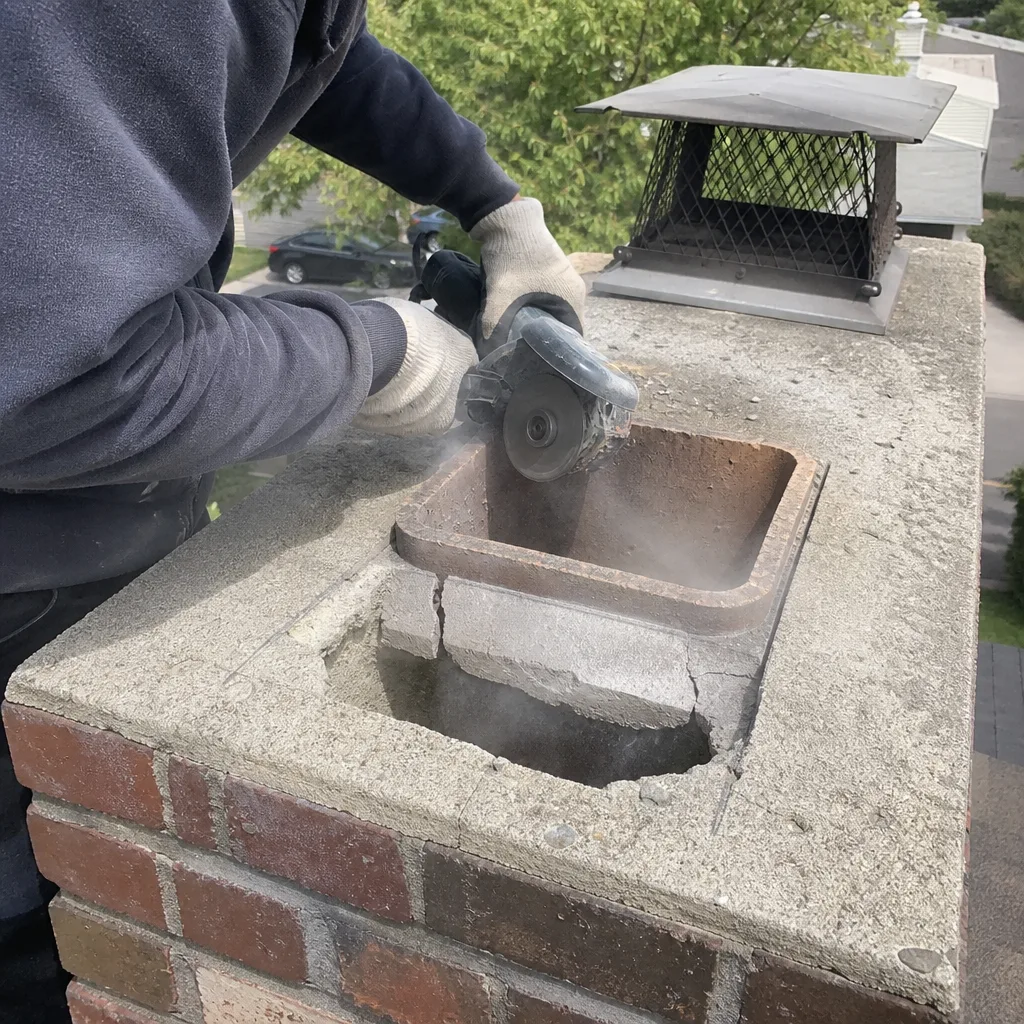
Level 1 sweep and inspection to the NFPA 211 annual standard - flue, crown, cap, and flashing checked and photographed
Chimney sweep logs do not sweep chimneys. They loosen some creosote - which then falls where a brush and vacuum still have to collect it.
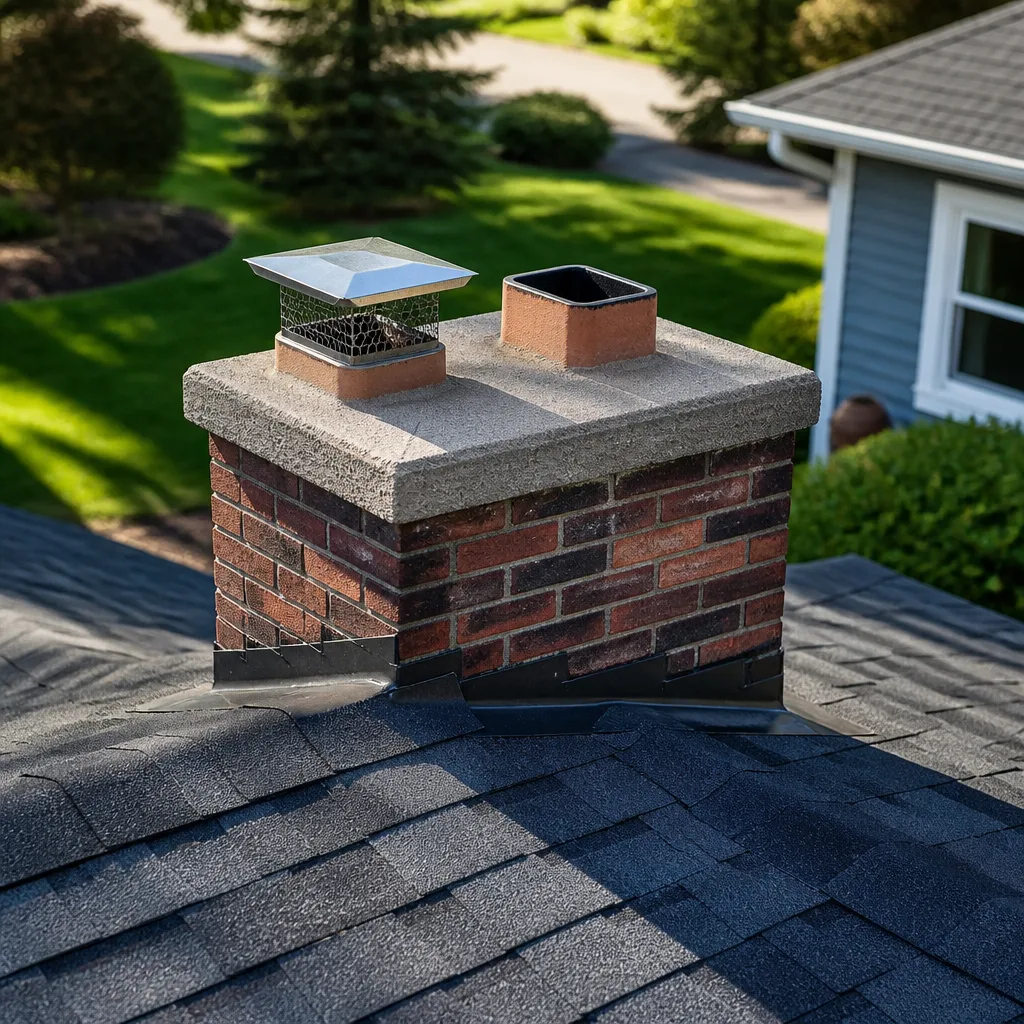
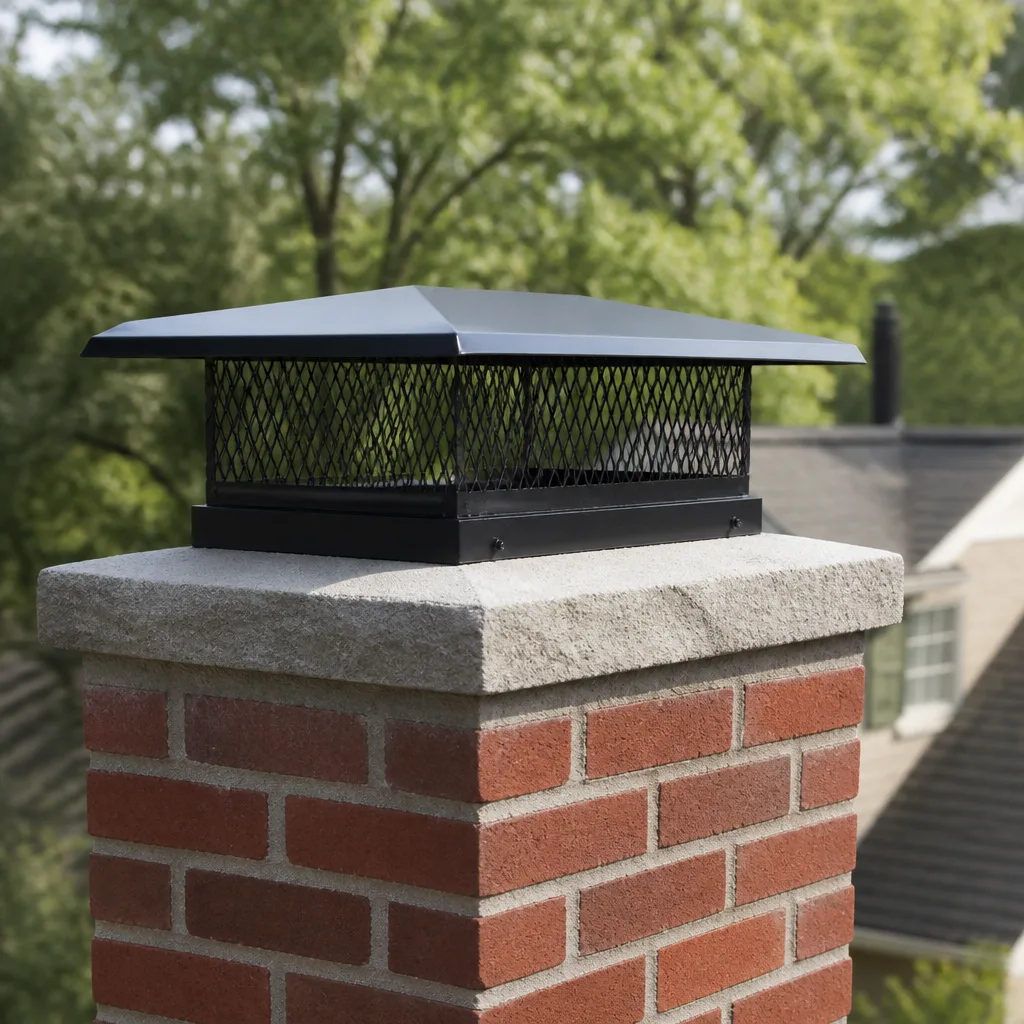
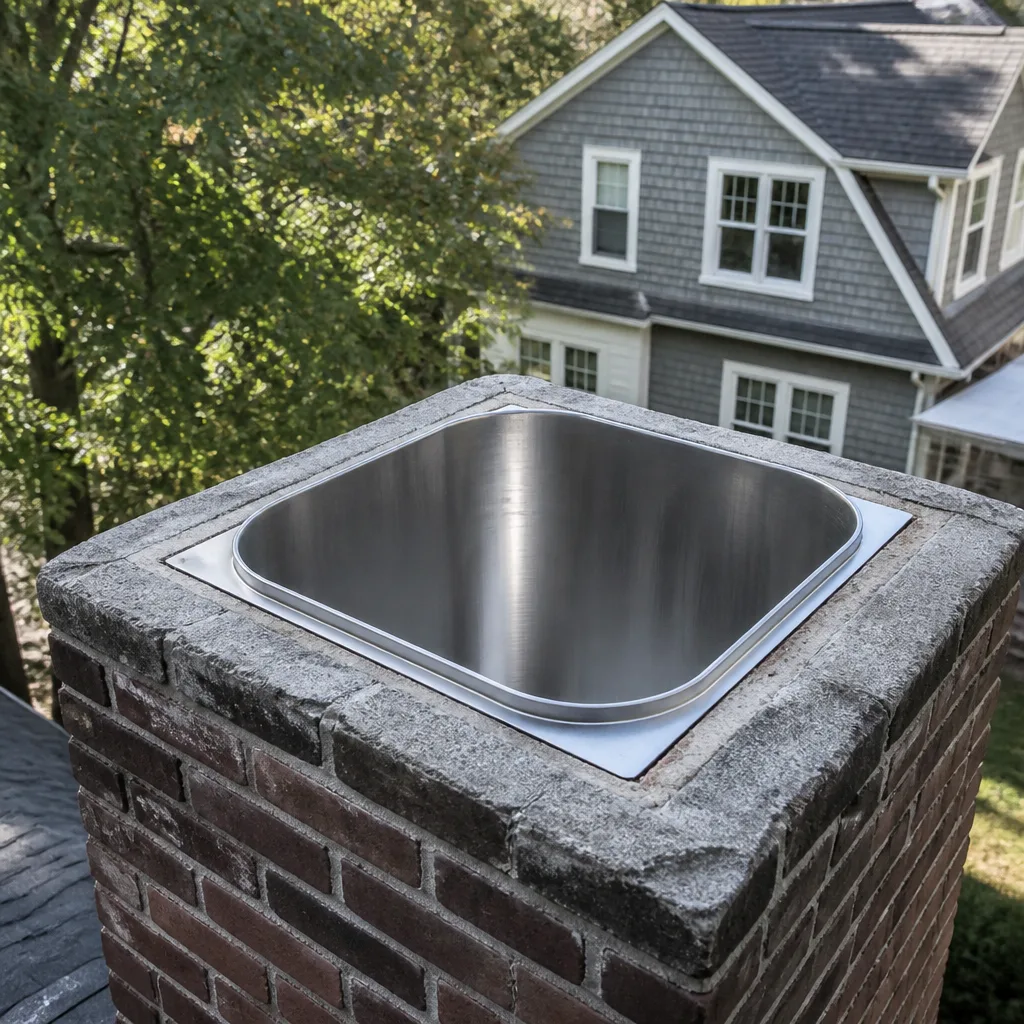
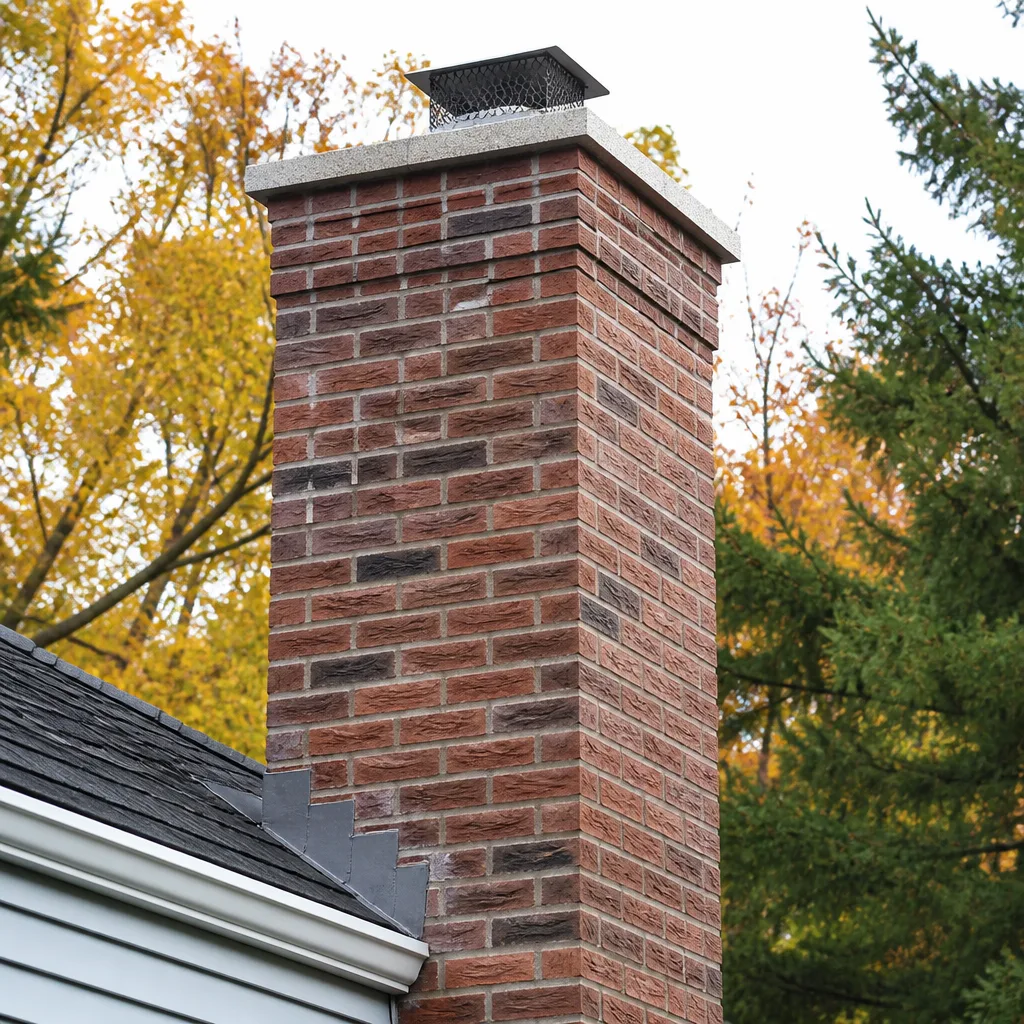
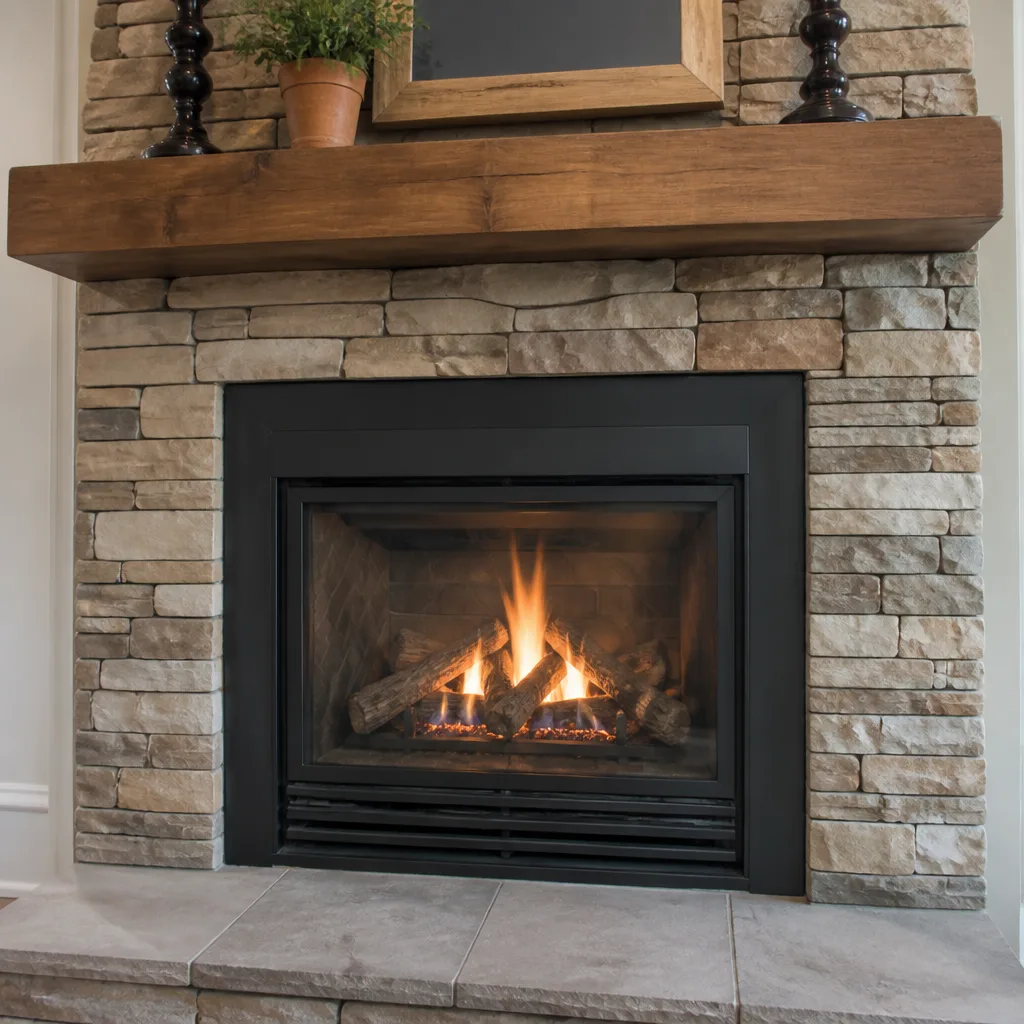
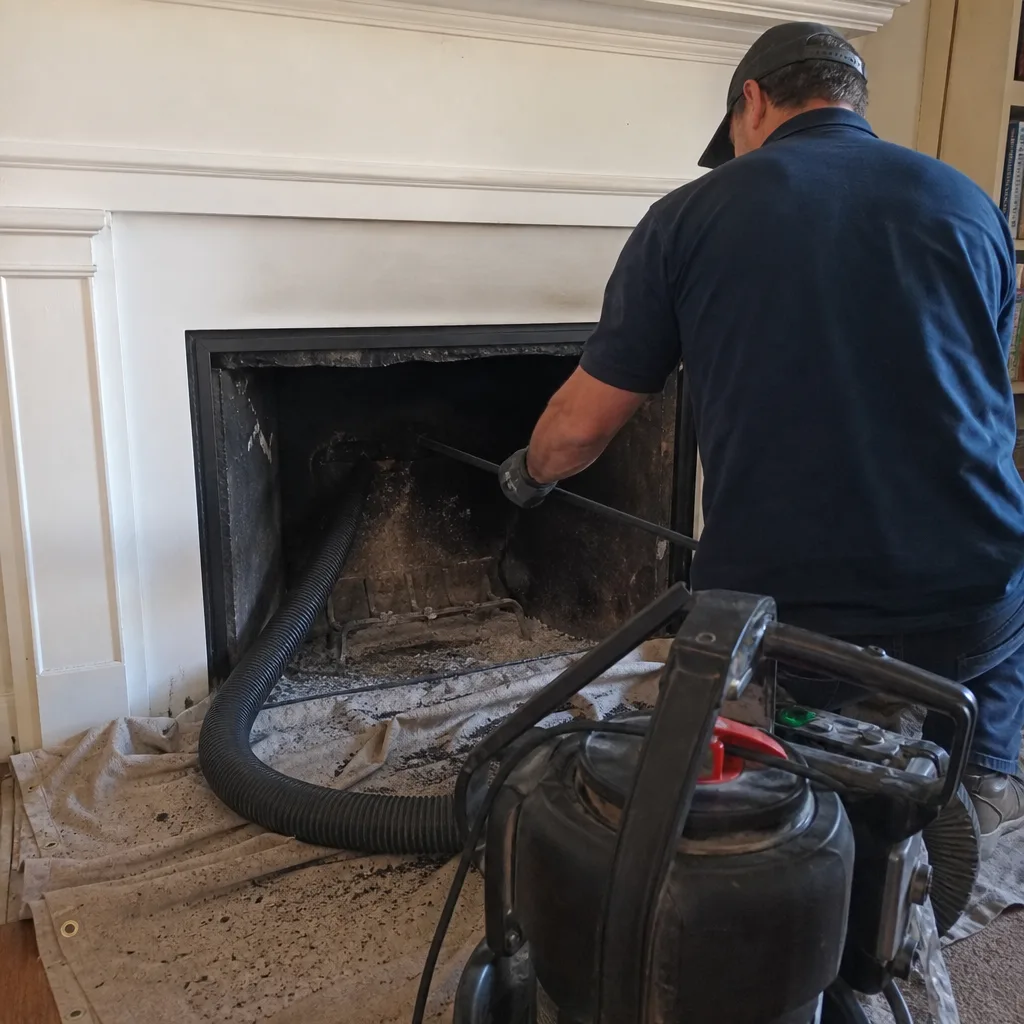 Before
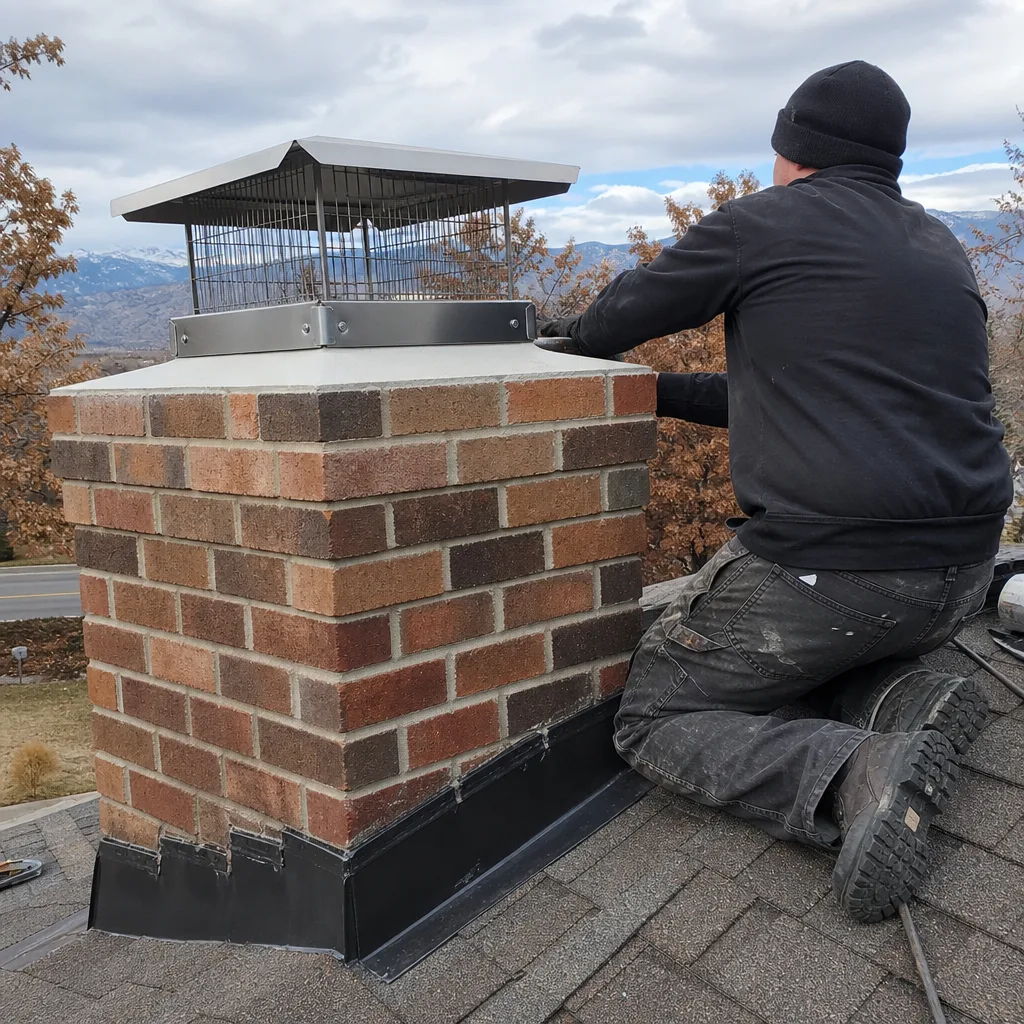 After
After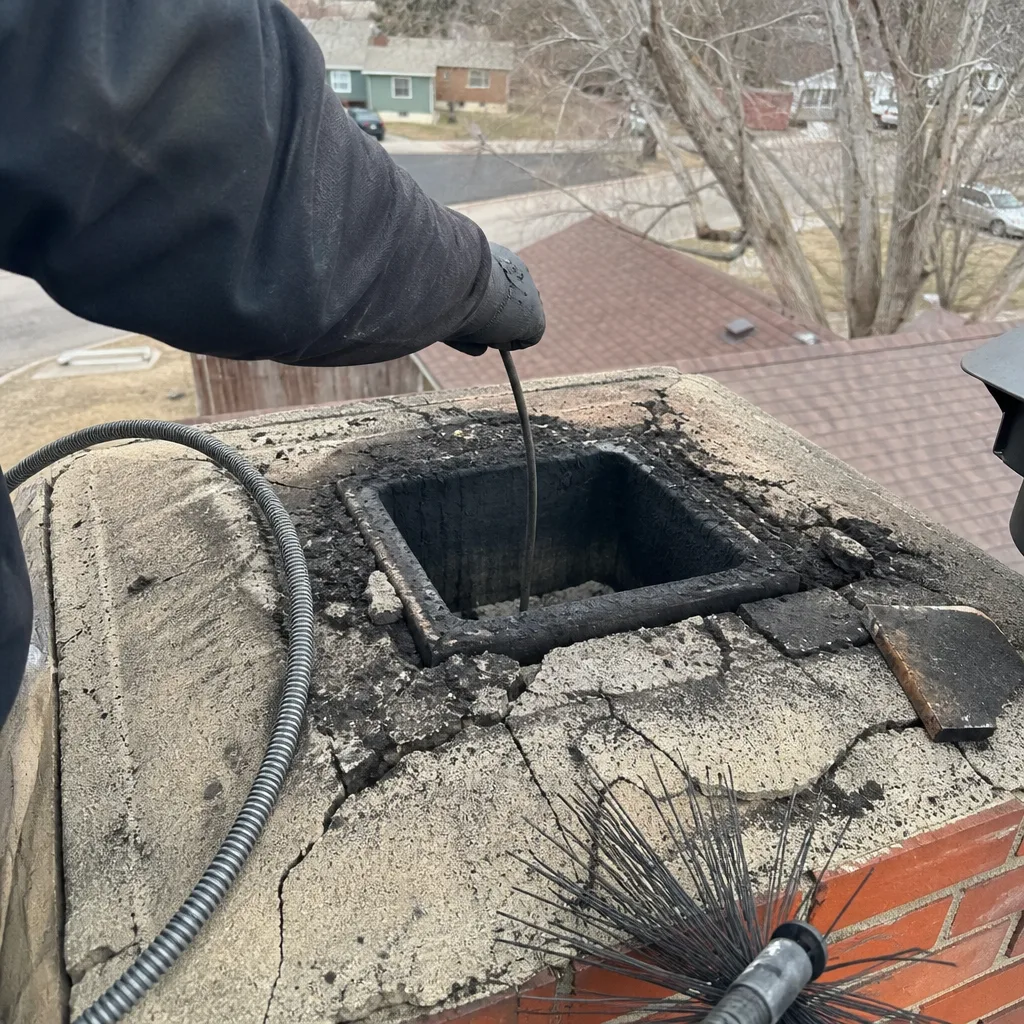 Before
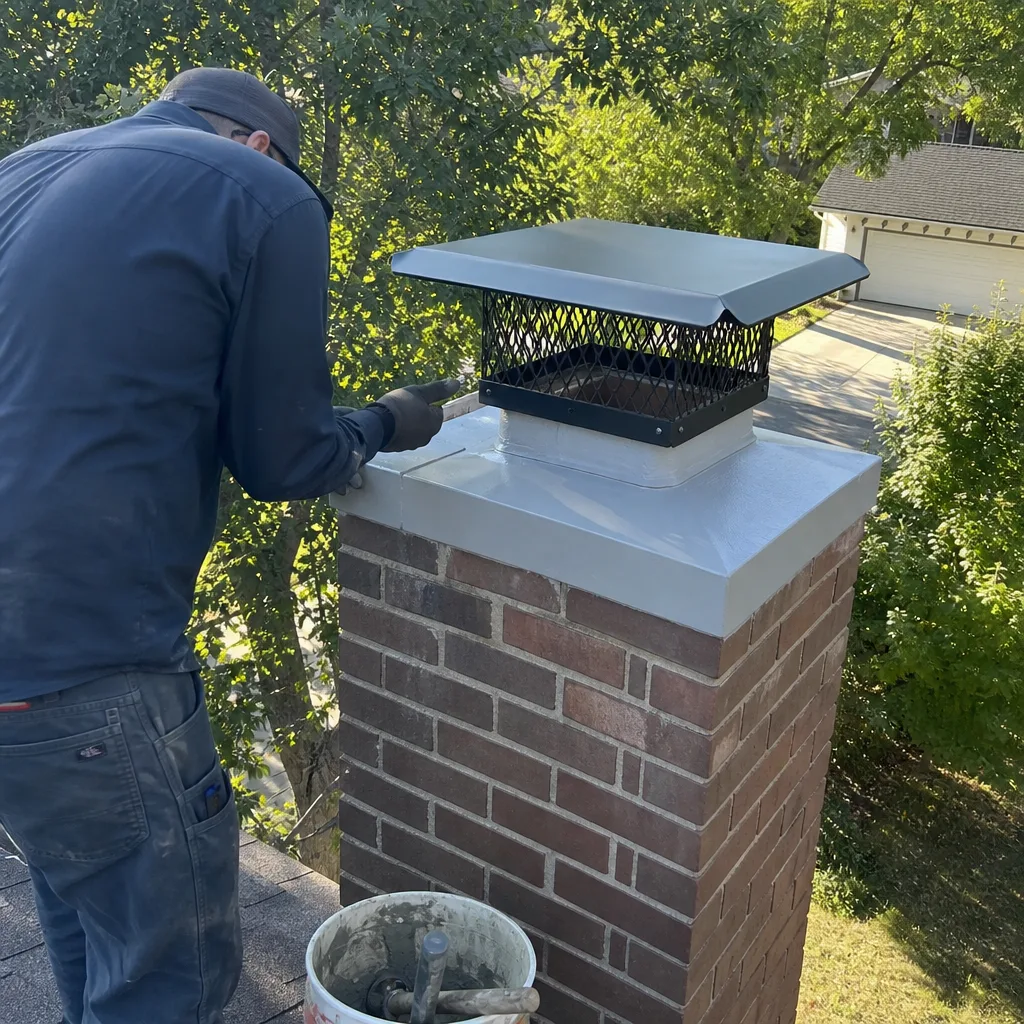 After
After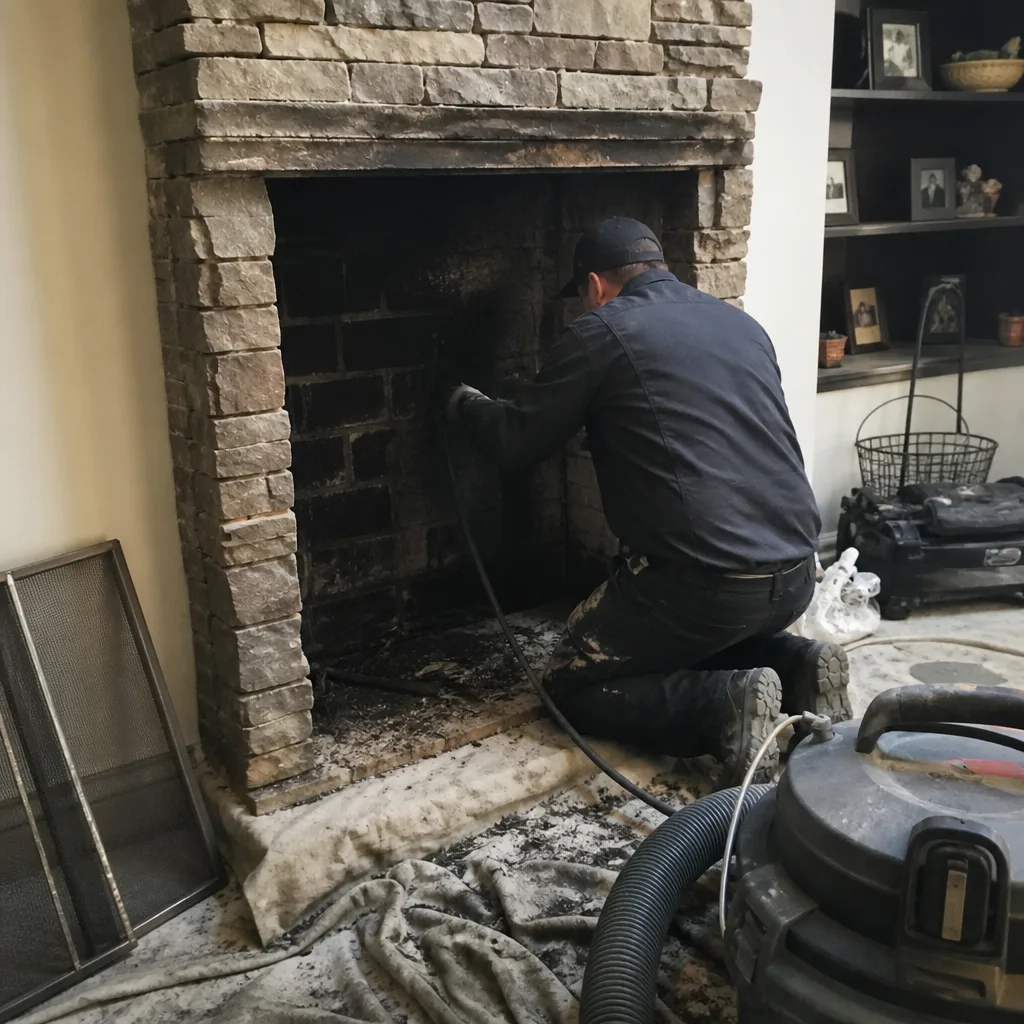 Before
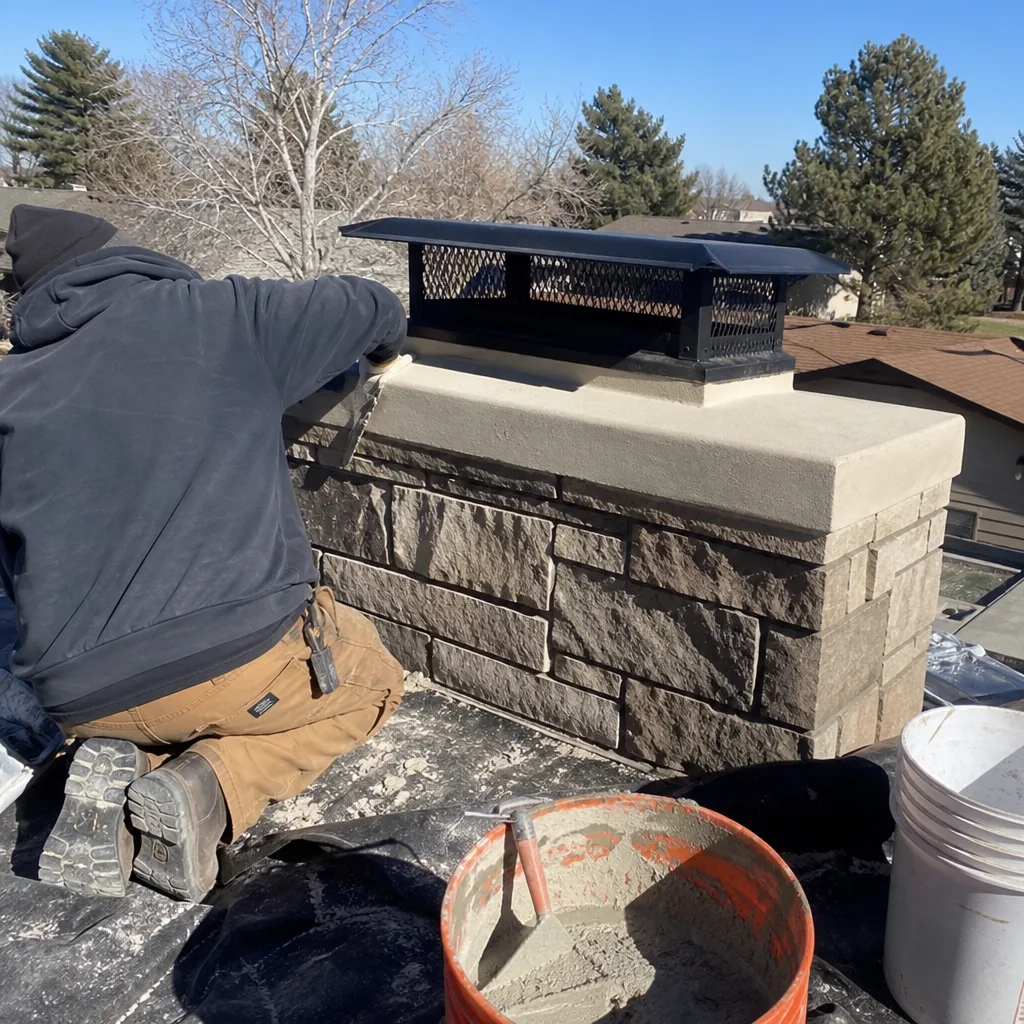 After
AfterDIY vs Professional Chimney Cleaning: The Littleton Homeowner’s Decision Guide
Here’s the uncomfortable truth most Littleton homeowners don’t hear until it’s too late: brushing your own chimney every fall removes what you can see from below, but it guarantees no one has inspected your flue liner since the last owner. In our 38,000+ inspections since 2009, we’ve found cracked liners in homes where the owner “cleaned it themselves for years.” The chimney looked clean. The family was heating their living room through a fractured terracotta liner, sending carbon monoxide into the wall cavity every time they burned. This guide shows you exactly what DIY cleaning accomplishes, what it cannot, and how to make the real decision: not whether you can clean your chimney, but whether you can inspect it. For How to Hire a Chimney Cleaning Contractor in Littleton: A Step-by-Step Guide, see our companion resource.
Quick Answer
DIY chimney cleaning in Littleton removes loose soot and surface debris but cannot assess creosote staging, flue liner condition, or draft performance. A professional Chimney Cleaning & Sweep in Littleton includes an NFPA 211 Level 2 camera inspection that documents what brushing alone cannot see. Most Littleton homeowners who combine DIY offseason debris removal with one annual professional inspection get accurate safety data without overspending.
Table of Contents
- What DIY Chimney Cleaning Actually Does
- What DIY Cleaning Cannot Do: The Inspection Gap
- Tools, Costs, and Skill Thresholds for Real DIY Inspection
- When DIY Cleaning Is Genuinely Appropriate
- The False Safety Problem: What We Find in “Clean” Chimneys
- Insurance, Liability, and the Missing Inspection Record
- The Best-Both-Worlds Approach for Littleton Homeowners
- Common Mistakes to Avoid
- When to Call a Professional
- Frequently Asked Questions
 Before
 After
AfterWhat DIY Chimney Cleaning Actually Does
Let’s start with what’s real. A homeowner with a basic chimney brush, extension rods, and a shop vacuum can remove loose, powdery soot (Stage 1 creosote) from the flue walls. This matters. Loose soot reduces draft efficiency and can ignite if it builds thick enough. If you burn dry hardwood, clean your firebox weekly, and inspect the visible throat damper for obstructions, DIY brushing is a reasonable maintenance step between professional visits.
Here’s what the process actually involves:
- Protect the area: Seal the fireplace opening with plastic sheeting, open the damper fully, and cover nearby flooring. Soot is fine and migrates.
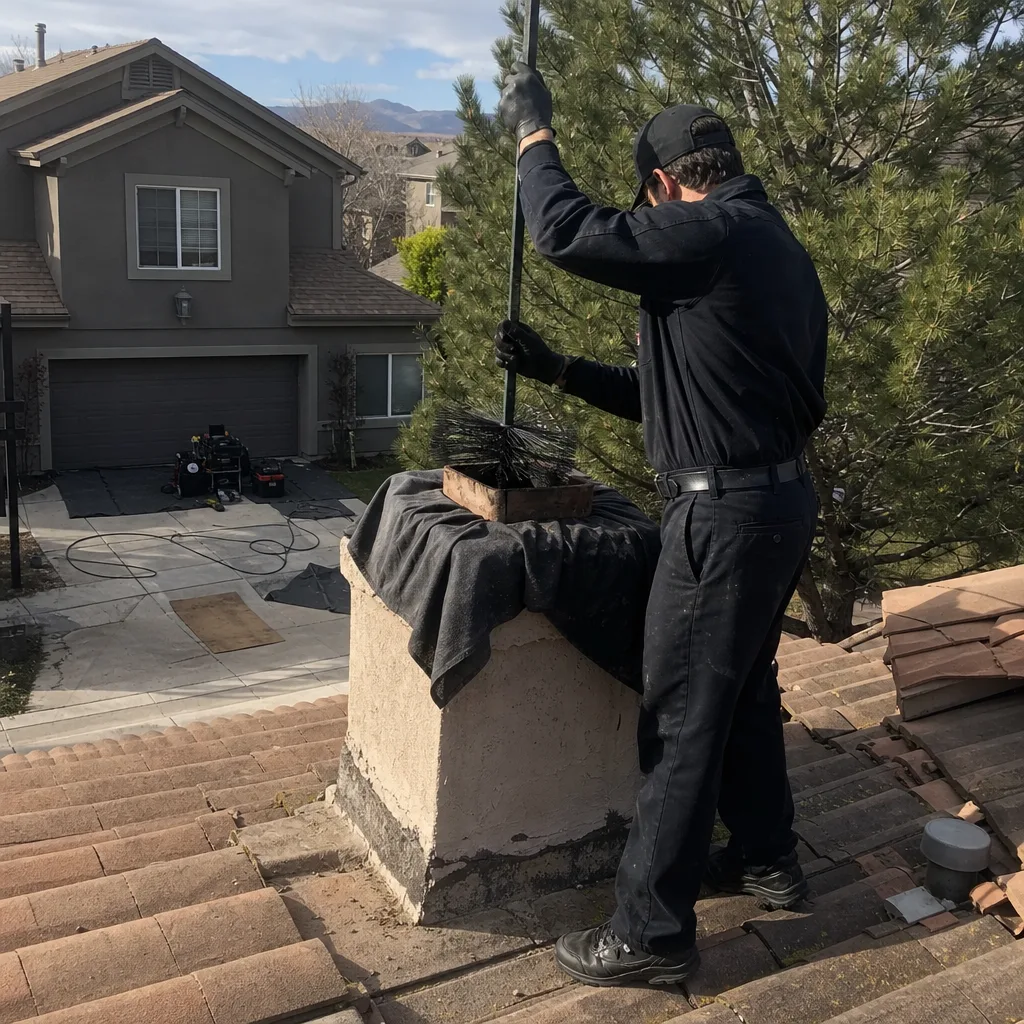
- Brush from top or bottom: A 6-inch polypropylene brush on fiberglass rods pushed down from the roof (or up from the firebox with a mirror setup) scrapes the flue walls. Match brush diameter to flue tile size - typically 6, 7, or 8 inches for residential wood-burning units in Littleton’s 1980s-2010s housing stock.
- Vacuum debris: A HEPA-rated shop vac removes fallen material from the smoke chamber and firebox. Standard household vacuums will blow fine particulate through the exhaust.
- Visual check from below: A flashlight and inspection mirror let you see the damper, smoke shelf, and first few feet of flue. This is where DIY ends.
The whole process takes 2-4 hours for a first-timer, less once you’ve done it. Materials run $80-$150 for brush, rods, and vacuum accessories that’ll last years. For a homeowner in Littleton’s Ken Caryl or Columbine neighborhoods who burns 20-30 fires per season and keeps their wood covered and seasoned, this level of cleaning is defensible maintenance. For a full Seasonal Chimney Cleaning Care for Littleton: Year-Round Homeowner’s Guide, see our seasonal breakdown.
But it’s maintenance, not inspection. And inspection is where the risk lives.
What DIY Cleaning Cannot Do: The Inspection Gap
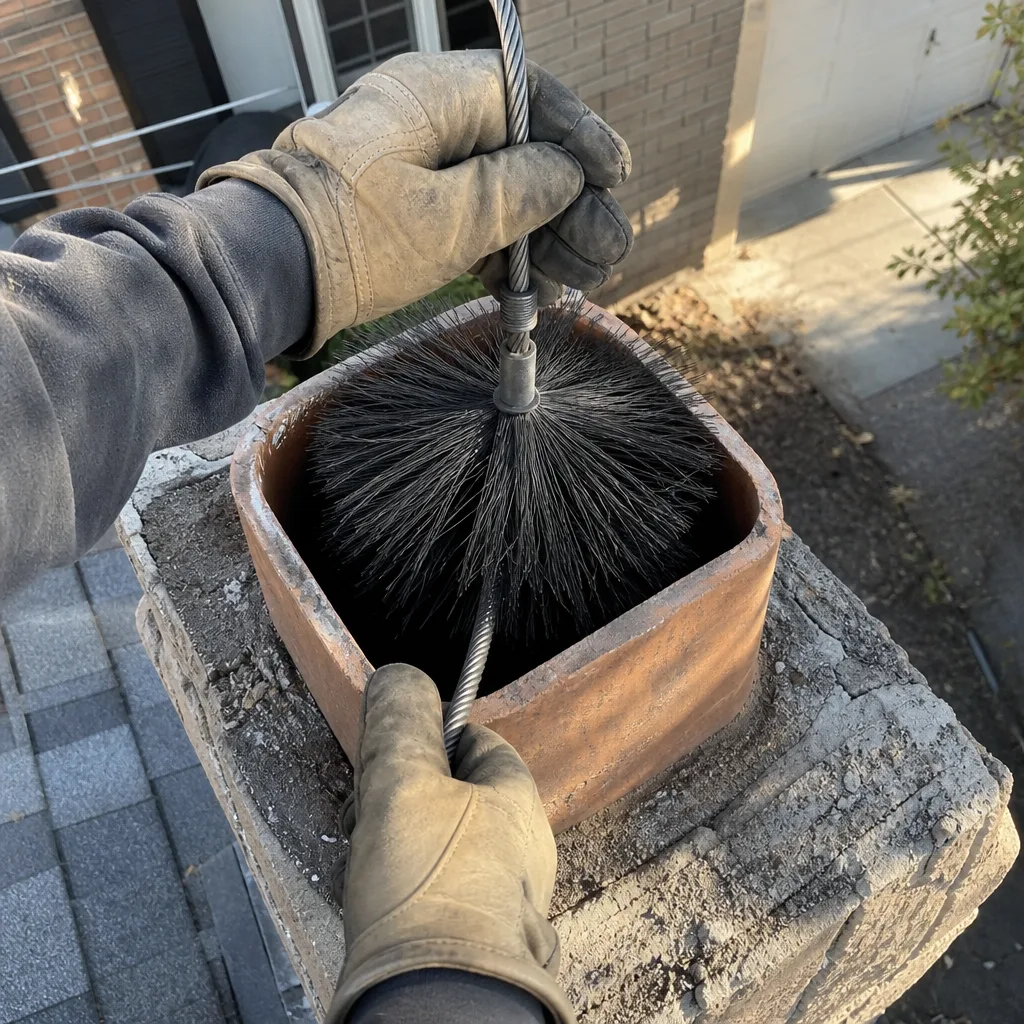
This is the section most competitor pages gloss over with vague warnings about “hidden dangers.” We’ll be specific. There are four capabilities a DIY cleaning lacks that directly determine whether your chimney is safe to use.
Creosote staging assessment. Creosote - the combustion byproduct that builds on flue walls - exists in three stages. Stage 1 is powdery soot, what your brush removes. Stage 2 is crunchy, tar-like flakes that require a rotary loop tool or chains to dislodge. Stage 3 is glossy, hardened glaze, essentially chimney tar, that bonds to tile and stainless steel and cannot be removed without specialized mechanical cleaning or chemical treatment. A brush won’t tell you which stage you’re dealing with. We’ve pulled Stage 3 glaze from “clean-looking” flues in Littleton’s older Belmar and Downtown homes where the homeowner brushed faithfully every October. The glaze was 3/8-inch thick and ignited at 451°F. A brush passed right over it.
Flue liner imaging. Your flue liner - the protective sleeve between hot gases and your home’s structure - can crack from thermal shock, settle away from the crown, or spall (flake) from freeze-thaw cycling. Littleton’s elevation at 5,300 feet means colder winter temperatures and more extreme daily thermal swings than lower Front Range cities. Cracked terracotta liners are common in 1970s-1990s construction. A crack as narrow as 1/16 inch can allow 2,000°F exhaust gases to reach combustible framing. No brush, mirror, or flashlight from below will show you a crack 15 feet up, hidden behind a soot layer, or on the backside of a flue tile.
Draft performance measurement. A chimney must generate sufficient negative pressure to pull combustion byproducts upward. Draft is affected by flue diameter, height, exterior temperature, house depressurization from kitchen and bath fans, and liner condition. We measure draft with a digital manometer during inspection. A homeowner can observe smoke spillage (obvious failure) but cannot measure marginal draft that’s pulling just enough to clear visible smoke while leaving CO at the firebox threshold.
Smoke chamber and hidden cavity inspection. The smoke chamber - the area above the damper that funnels gases into the flue - is where many chimney fires start. It’s also where builder-grade corbelling (stepped brickwork) creates ledges that collect creosote. In Littleton’s rapid-growth subdivisions from the 1990s and 2000s, parged (smoothed) smoke chambers were often skipped to save cost. A brush doesn’t enter the smoke chamber effectively, and a mirror from below shows only the bottom slope.
The gap isn’t a small one. It’s the difference between removing debris and evaluating a combustion exhaust system that, when it fails, can destroy a home or kill occupants without warning.
Tools, Costs, and Skill Thresholds for Real DIY Inspection
Some homeowners ask us: what would it take to do the inspection part myself? The honest answer is specific, and it reveals why almost no one does it.
To replicate what we perform as an NFPA 211 Level 2 inspection, a Littleton homeowner would need:
- Chimney inspection camera system: A 120-foot push rod with 1080p camera, LED lighting, and articulating head - $2,800-$4,500 for professional-grade units. Consumer “endoscope” cameras ($80-$200) lack the length, lighting, and image quality to document liner condition for insurance or resale purposes. We’ve tested them. The image shakes, the light washes out at 10 feet, and you cannot steer the head around offsets (the bends between flue sections).
- Digital manometer: For draft measurement - $300-$600 for calibrated units with data logging.
- Combustible gas detector: To check for CO spillage at the firebox and living space - $200-$400 for units with sufficient sensitivity and alarm thresholds.
- Moisture meter for masonry: To assess crown and exterior chimney saturation - $150-$300.
- Rooftop access and fall protection: Littleton’s snow and ice season runs November through March. A Class 1 harness, rope, and anchor system adds $400-$800. Most residential roofs in Littleton’s newer subdivisions (Highlands Ranch-adjacent areas, Roxborough) are 6/12 to 8/12 pitch. Steeper older homes near Downtown or along the South Platte corridor may exceed 10/12.
- Training: NFPA 211 certification courses run $1,200-$2,500. CSIA (Chimney Safety Institute of America) certification requires additional coursework and examination.
Total realistic investment: $5,000-$8,500 in equipment and training, plus annual recertification and equipment maintenance. For a single-homeowner tool that gets used once yearly, this is why the professional inspection market exists. The economics only work at scale, which is why we’ve invested in this equipment for 38,000+ inspections since 2009.
Skill threshold matters too. Reading a camera image for liner cracks requires knowing what a hairline crack versus a settlement gap looks like, what spalling versus surface staining indicates, and how to distinguish a manufacturing flaw from active damage. We’ve trained technicians for months before they solo on inspections. The camera shows you everything and nothing - interpretation is the skill.
When DIY Cleaning Is Genuinely Appropriate
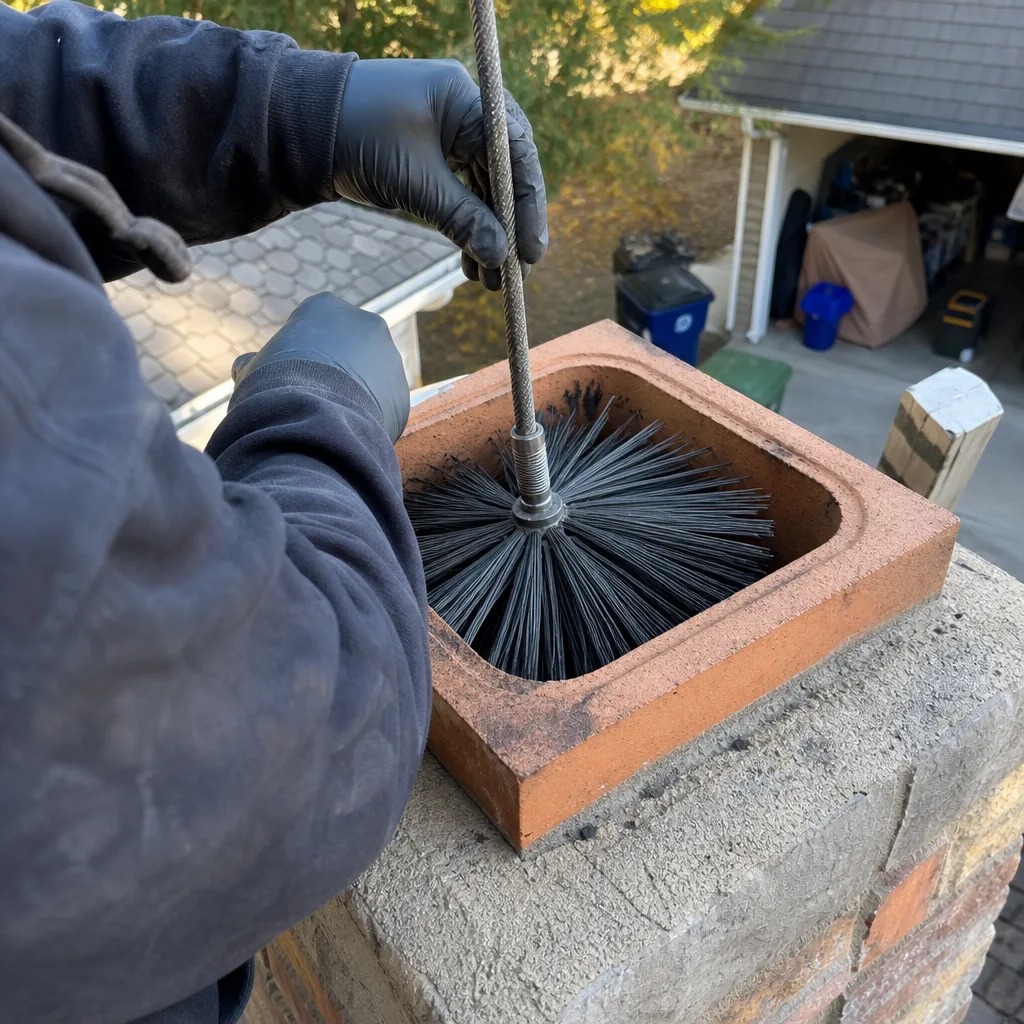
We’re not here to sell fear. There are specific scenarios where DIY cleaning is reasonable, even smart.
You burn gas only. Gas fireplaces and inserts produce minimal particulate. Annual inspection is still NFPA-recommended, but the debris load is light enough that a homeowner with a vacuum and visual check can maintain cleanliness between professional visits. The inspection still matters - we find deteriorated connector pipes and debris-blocked termination caps in gas systems - but the cleaning portion is genuinely light maintenance.
You burn wood infrequently (under 15 fires per season). Low usage means low creosote accumulation. If you’re burning properly seasoned hardwood (under 20% moisture), storing it covered with airflow, and maintaining hot, active fires rather than smoldering loads, Stage 1 soot is likely all you’ll generate. A DIY brush-out in spring, with a professional inspection every 2-3 years, is defensible. We still recommend annual inspection for any wood-burning system, but we also live in the real world of homeowner budgets.
Your chimney was professionally inspected within 12 months and rated “clean, no defects noted.” If you have a documented photo record showing sound liner, proper draft, and minimal creosote, DIY brushing as interim maintenance is reasonable. The key is that documented baseline. Without it, you’re brushing blind.
You’re performing offseason maintenance between annual professional visits. This is the approach we recommend most often for engaged Littleton homeowners. More on this in the Best-Both-Worlds section below.
What makes DIY inappropriate: any wood-burning system with unknown history, any chimney that hasn’t had a camera inspection in 3+ years, any home purchase where the prior owner’s maintenance is undocumented, and any system showing performance changes (smoke spillage, odd odors, visible exterior staining, draft that “used to be better”).
The False Safety Problem: What We Find in “Clean” Chimneys
This is where we earn our authority. In 2023, we inspected a home in Littleton’s Willow Springs neighborhood. The homeowner, a retired engineer, had brushed his chimney every fall for 12 years. He was proud of his discipline. The flue looked clean from below. Our camera found a vertical crack running 18 inches in the third flue tile from the top, with daylight visible through to the chimney cavity. The crack had opened gradually, likely from thermal cycling during the 2021 and 2022 cold snaps that hit the Front Range with -15°F nights. His brushing had kept the soot down. The crack was invisible to him and would have remained so until a chimney fire breached the cavity or CO readings climbed.
We see variants of this regularly:
- The “clean” chimney with detached liner: A stainless steel liner pulled 2 inches down from the top, creating a gap where exhaust spills into the chase. Brushing passes right through. The camera catches the metal edge and shadow line.
- The “clean” chimney with spalling flue tiles: Surface flaking that thins the tile wall and creates ledges for creosote accumulation. The flue looks uniform to a mirror check. The camera shows the irregular surface and collected debris behind it.
- The “clean” chimney with improper construction: A flue too small for the fireplace opening, a missing smoke chamber parge, or a combustible clearance violation that was grandfathered in but is now actively hazardous. These are design and construction issues, not maintenance issues. No amount of brushing addresses them.
The false safety problem is psychological. A homeowner who brushes regularly believes they’ve discharged their responsibility. The chimney is “taken care of.” In reality, they’ve performed one narrow maintenance task while the inspection task - the one that finds the dangers that don’t announce themselves - remains undone. The confidence is misplaced, and misplaced confidence is more dangerous than acknowledged ignorance because it prevents the professional call that would find the problem.
Insurance, Liability, and the Missing Inspection Record
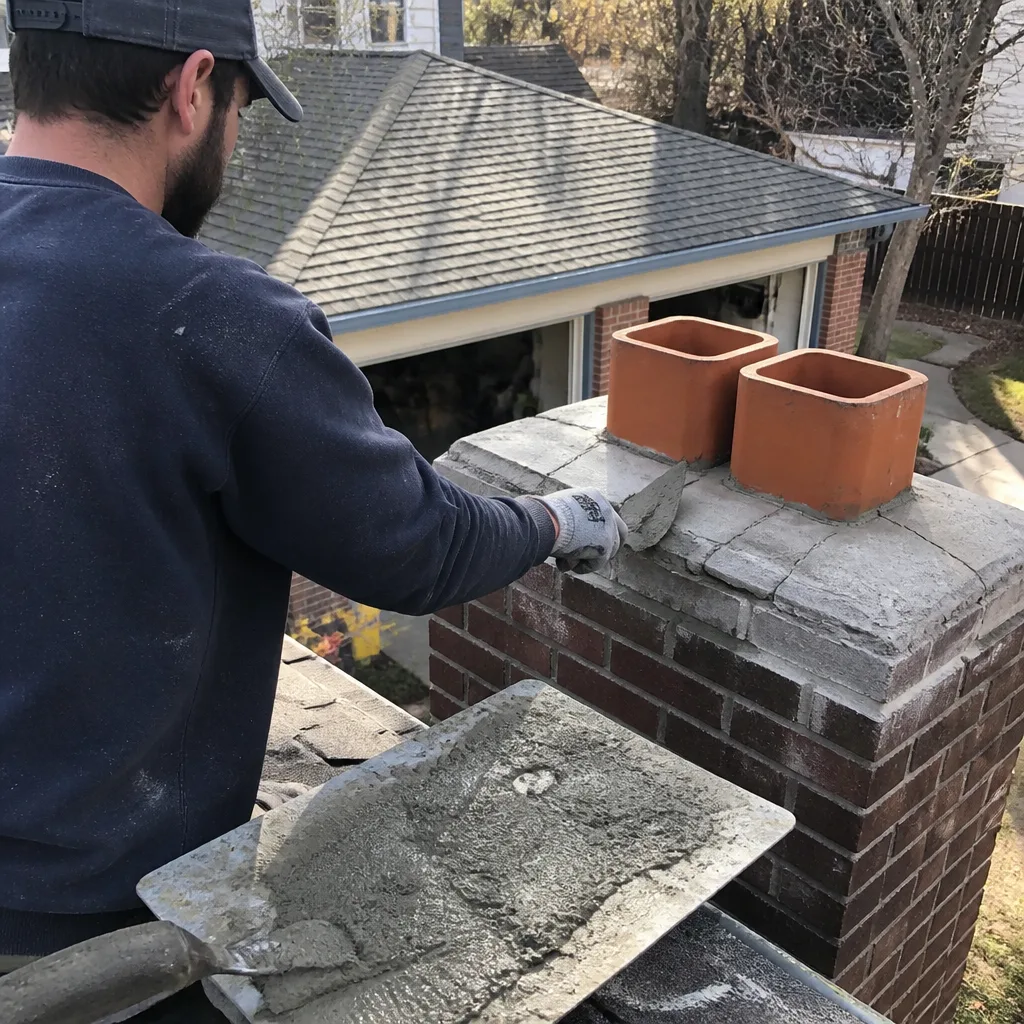
Here’s the practical consequence most DIY guides omit. When a chimney fire occurs, your insurer and any subsequent buyer’s home inspector will ask for documentation. Specifically: who inspected this chimney, when, and what did they find?
A homeowner’s brushing log - “I cleaned it myself every October” - establishes maintenance effort but not professional evaluation. Insurers increasingly require NFPA 211-compliant inspection records for wood-burning system claims. In Colorado’s mountain communities, this is already standard. In Littleton’s closer-in suburbs, it’s trending that way as insurers tighten wildfire and structural fire underwriting.
The liability gap works like this:
- Pre-loss: No professional inspection record means no documented baseline of chimney condition. If a fire originates in the chimney, the insurer may dispute whether the loss was due to maintenance neglect or sudden failure. Without a photo-documented inspection, you have no evidence of due diligence.
- Post-loss: The adjuster brings in a forensic chimney inspector. They find the crack, the glaze, the detached liner - the defect that existed before the fire. The question becomes whether a reasonable homeowner would have known. A professional inspection record shifts this analysis. Its absence shifts it the other direction.
- Resale: Littleton’s housing market remains active, and buyers in the 32-50 demographic we’re writing for increasingly request chimney inspection records. A seller with 12 years of DIY brushing and no professional documentation faces either a price concession or a rushed pre-listing inspection that finds deferred issues.
We’re not saying insurers deny every claim without an inspection record. We are saying the record is your evidence, and evidence matters when stakes are high. Clause 4 of the Haven Standard - our documented photo record on every job - exists because we saw this gap in 2009 and built our practice to close it. Every Level Two customer walks away with timestamped images, written scope, and written warranty. That’s not marketing. It’s documentation that protects you in ways DIY brushing cannot.
The Best-Both-Worlds Approach for Littleton Homeowners
For the budget-conscious, hands-on homeowner - and we meet many in Littleton’s research-oriented, do-it-when-possible culture - there’s a middle path that gets you accurate safety data without overspending.
Annual professional inspection with camera documentation. Schedule this in late summer or early fall, before burning season. A Chimney Cleaning & Sweep in Littleton from Level Two includes the NFPA 211 Level 2 camera scan, draft measurement, and written report with photos. If the inspection finds minimal debris and sound liner, you’re cleared for the season with documentation in hand. Cost typically runs $250-$350 for a standard inspection and sweep in the Littleton market.
DIY debris removal in spring. After burning season ends, brush out loose soot and vacuum the firebox and smoke shelf. This keeps corrosive combustion residues from sitting on metal components through Littleton’s wet spring season, and it lets you start fall with a cleaner system. Mark your calendar: April, after the last fire, not October when you’re eager to light the first one.
Offseason visual monitoring. Check your chimney crown and exterior masonry after major weather events. Littleton’s hail season (May-July) and freeze-thaw cycles can damage crowns and flashing. A cracked crown lets water into the chase, which accelerates liner deterioration and can freeze, expand, and spall flue tiles. If you see exterior damage, call for inspection - don’t wait for fall.
Wood management. This is the highest-ROI DIY action. Burn only hardwood (oak, maple, hickory if available locally; pinion and Gamble oak are common Colorado choices) seasoned 12+ months. Keep it covered, ventilated, and off the ground. Moisture content under 20% dramatically reduces creosote formation. A moisture meter costs $25. It’s the cheapest safety tool you can own.
This approach gives you the professional documentation that protects your insurance position and resale value, plus the hands-on maintenance that reduces debris load and extends component life. The inspection finds what you cannot see. The DIY work keeps what you can see in good order. Together, they’re a complete program. Separately, each is incomplete.
Common Mistakes to Avoid
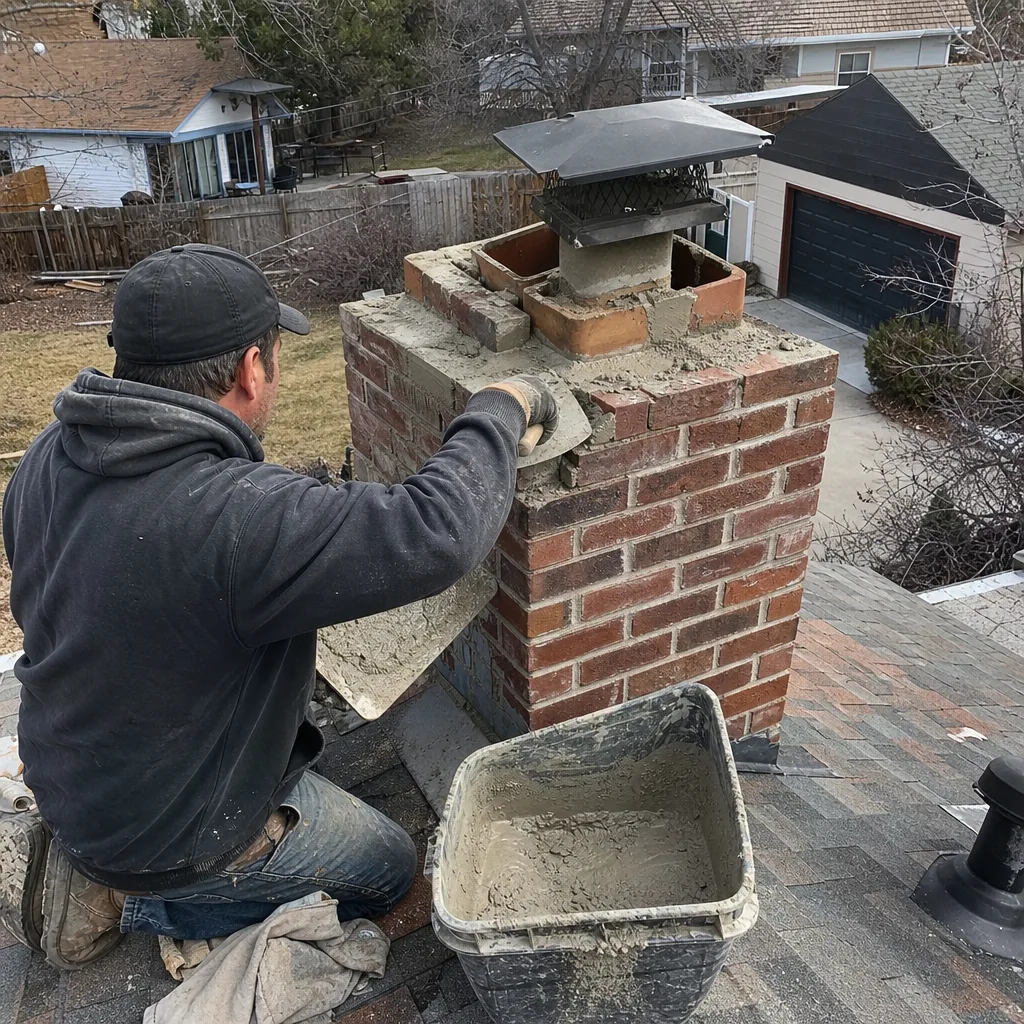
- Brushing a chimney you haven’t inspected. In Littleton’s active resale market, many homeowners inherit a chimney with unknown history. Brushing before inspection can dislodge debris that masks liner cracks, or worse, damage an already-compromised flue tile. Inspect first, clean second.
- Using the wrong brush size or material. A brush too small for the flue diameter skips the walls. A metal brush on stainless steel liner scratches the surface, creating creosote adhesion points. Match brush to flue material and size - polypropylene for standard tile, specialized poly for stainless.
- Ignoring the smoke chamber. The smoke chamber is where many fires start, and it’s barely accessible from below. DIY brushing focuses on the vertical flue because it’s reachable. The unreachable area gets neglected. A professional inspection with chamber camera is the only way to evaluate it.
- Assuming gas means no inspection needed. Gas systems produce water vapor that corrodes connector pipes and can degrade masonry. Debris blocks termination caps. We’ve found bird nests in gas chimney terminations in Littleton’s open-space-adjacent neighborhoods where wildlife pressure is high. Gas burns cleaner, but the system still needs inspection.
- Brushing from the bottom without proper sealing. Soot is fine enough to pass through standard plastic sheeting seams and contaminate living spaces. We’ve cleaned up DIY attempts where the homeowner’s HVAC circulated soot through the whole house for days. Use proper sealing, negative pressure with a vacuum, and consider top-down brushing if roof access is safe.
- Delaying professional inspection after a chimney fire. Even a small chimney fire (often undetected, sounding like a freight train or loud wind) can crack flue tiles and damage liner integrity. If you suspect a chimney fire - sudden draft reversal, loud rumbling, dense smoke - stop using the system and call for inspection. Do not brush it and assume you’re fine.
- Buying “chimney cleaning logs” as substitute for inspection. These products claim to reduce creosote through chemical action. At best, they slightly alter surface creosote texture. They do not inspect liners, measure draft, or document condition. They’re a maintenance adjunct, not a replacement for professional evaluation.
When to Call a Professional
Call for professional inspection - not just cleaning - when: your chimney hasn’t had a camera-documented inspection in 12+ months; you’re buying a home with unknown chimney history; you notice performance changes (smoke spillage, odd odors, reduced draft); you’ve had a chimney fire or suspect one; you’re switching fuel types (wood to gas, or adding a wood insert to a gas fireplace); or you see exterior damage to crown, cap, or masonry.
Level Two Chimney Littleton offers free estimates in Littleton - call (720) 439-4666. Every estimate includes a written price before work starts, Clause 1 of the Haven Standard. If you have a competitor’s written quote, we’ll provide a free second opinion. Our inspections include the camera scan and photo documentation that’s been standard practice since 2009, not an optional upgrade.
Frequently Asked Questions
A standard chimney inspection and sweep in Littleton typically costs $250-$350, with Level 2 camera inspection and photo documentation included. For a detailed Chimney Cleaning Cost Breakdown: The Littleton Homeowner’s Reference for 2026, see our pricing guide. Repairs, liner work, or heavy creosote removal are quoted separately in writing before any work begins. Call (720) 439-4666 for an exact quote - estimates are free.
You can remove loose soot yourself, but you cannot assess flue liner condition, creosote staging, or draft performance without professional equipment and training. Safety requires both cleaning and inspection. Most Littleton homeowners who do DIY spring debris removal plus one annual professional inspection get both without overspending.
NFPA 211 recommends annual inspection for all chimney systems, with cleaning frequency based on use and fuel type. Wood-burning systems used regularly need annual sweep; gas systems may extend to every 2-3 years if inspection shows minimal debris. Littleton’s cold winters and elevation-driven thermal cycling make annual inspection particularly important for masonry systems.
Skipped maintenance allows creosote accumulation, which increases chimney fire risk and reduces draft efficiency. More critically, it defers inspection that would find liner cracks, crown damage, or construction defects. The danger isn’t just fire - carbon monoxide intrusion through a cracked liner can occur without warning signs occupants would notice. Call (720) 439-4666 to schedule before burning season.
A legitimate liner recommendation comes with camera evidence you can see for yourself - cracks, spalling, gaps, or deterioration visible in the inspection footage. At Level Two, nothing is recommended without photo documentation under Clause 4 of the Haven Standard. If a company recommends liner replacement without showing you the damage, get a second opinion. We provide free second opinions on any written estimate.
A Level 1 inspection is a visual check of accessible components - what you can see from the firebox and roof without tools. A Level 2 inspection, required for home sales, fuel changes, or after damage, includes camera scan of the flue interior, attic and crawl space access for clearance checks, and written documentation. Level Two Chimney performs Level 2 as our standard on every visit - we don’t do flashlight-only inspections.
The Bottom Line
The real question for Littleton homeowners isn’t whether you can clean your own chimney. It’s whether you can inspect it, and the answer for virtually every homeowner is no - not without equipment and training that costs more than a decade of professional visits. DIY brushing has its place as interim maintenance between documented inspections. It does not replace the camera scan, draft measurement, and written record that protect your home, your insurance position, and your family’s safety. The best approach combines both: your hands for seasonal debris removal, our equipment and training for annual evaluation. Explore more guides & resources on chimney safety and maintenance. One keeps the system tidy. The other finds what you cannot afford to miss.
Written by Corrine Halstead, Owner at Level Two Chimney Littleton, serving Littleton since 2009.